
China’s Rising Global Image Boosted by Social Media and Cultural Outreach: Impact on Tourism
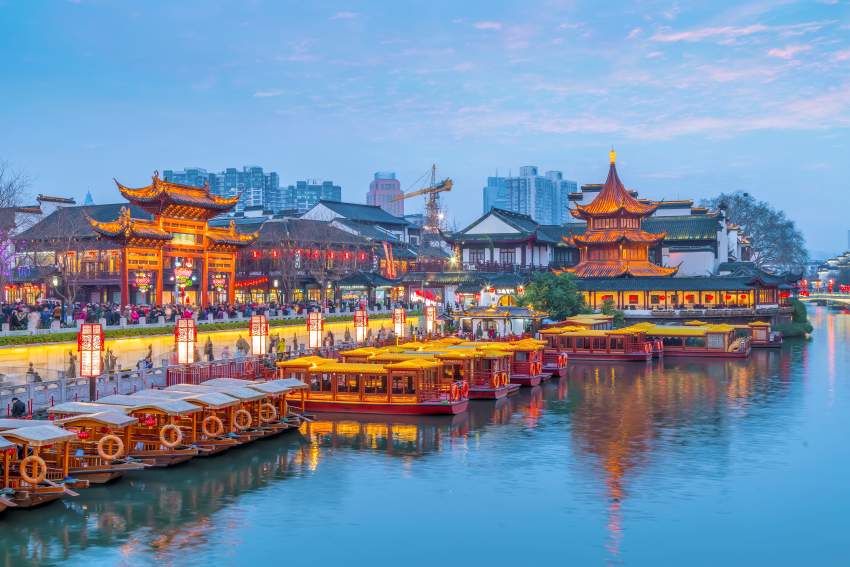 Image generated with Ai
Over the last decade, China’s global image has been undergoing a transformation. Once largely seen through the lens of geopolitical tensions, China is now emerging as a prosperous, technologically advanced, and culturally rich destination. The country’s cultural exports, viral social media content, and firsthand experiences shared by travelers and residents are all contributing to a shift in perceptions. This change is most evident in the tourism sector, where more travelers are seeking to visit China, not just for its historical sites but also for the modern and vibrant experiences it offers.
The widespread use of platforms like RedNote (Xiaohongshu), TikTok, and Instagram has allowed millions of people around the world to glimpse into Chinese life in a way that wasn’t possible before. From daily life in megacities like Beijing and Shanghai to the rich cultural traditions in rural areas, the world is increasingly looking to China for more than just its economic influence. This article explores how these evolving perceptions are impacting tourism in China and contributing to its increasing appeal as a global travel destination.
Advertisement
Advertisement
Social Media: The New Window to China
One of the most significant factors driving this shift in China’s global image is the rise of social media platforms that allow for authentic, real-time content sharing. Social media channels like RedNote, TikTok, and Instagram have opened up new avenues for individuals to share their experiences in China. These platforms, especially among younger generations, offer a glimpse into China’s daily life, providing personal insights into everything from local food culture to modern cityscapes and scenic landscapes.
Take the case of Mary, a 52-year-old from Colorado, who joined RedNote in 2025 as part of a global shift toward alternative social media platforms. What began as curiosity soon transformed her view of China. In her words, “What surprised me the most is all the stereotypes and misconceptions that I grew up with are gone.” This experience is mirrored by others who have turned to social media to engage directly with Chinese citizens and their daily routines. With these personal connections and authentic content, misconceptions about China are gradually being erased, fostering a deeper understanding of its culture, people, and lifestyle.
Advertisement
Advertisement
The role of influencers and content creators, such as YouTube stars like iShowSpeed, has also amplified the visibility of China’s modern appeal. In 2025, iShowSpeed’s livestream from China attracted millions of viewers, showcasing the country’s vibrant culture, history, and technological advancements. These viral moments, coupled with real-time experiences shared by tourists and locals, provide a more nuanced understanding of China’s complex and dynamic society.
The Impact of China’s Cultural Exports on Tourism
Beyond social media, China’s cultural exports have played a major role in reshaping its global image. From films and music to literature and fashion, Chinese culture has found its way into the global spotlight. The popularity of Chinese traditional arts like calligraphy and martial arts, as well as modern cultural movements, has piqued the interest of international travelers. These cultural exports not only attract tourists but also strengthen global cultural exchange and understanding.
Advertisement
Advertisement
The proliferation of Chinese cultural institutes around the world, such as the Confucius Institute, has further bolstered these efforts. These institutes promote Chinese language and culture through education programs and cultural events, encouraging a deeper connection with the country. By participating in cultural activities and exploring local Chinese traditions, visitors gain a more profound appreciation for China’s rich history and modern-day achievements.
In addition to cultural exports, the rapid advancements in technology and infrastructure have further enhanced China’s appeal. Cities like Shanghai, Beijing, and Shenzhen are now seen as cutting-edge urban centers, with innovations in smart cities, transportation, and technology. The rise of China as a global leader in innovation and development has drawn international attention and increased tourism to the country, particularly for those interested in experiencing China’s futuristic side.
Tourism’s Growing Role in China’s Economy
As perceptions of China evolve, the country’s tourism sector is experiencing a noticeable uptick. According to data from the China National Tourism Administration, international arrivals to China are on the rise, with a significant increase in both leisure and business travelers. Tourists are no longer just visiting for historical sites like the Great Wall or the Forbidden City. Many are now attracted to China’s modern attractions, including its vibrant cities, innovative technologies, and diverse cultural experiences.
This trend is particularly evident in the rise of cultural and educational tourism. Many international visitors are choosing to travel to China not only for leisure but also for immersive learning experiences. Whether it’s taking part in traditional tea ceremonies, studying Chinese calligraphy, or attending performances of Chinese opera, these unique cultural experiences have made China an increasingly popular destination for travelers seeking more than just sightseeing.
Furthermore, China’s focus on sustainable tourism and environmental preservation is also helping to attract eco-conscious travelers. With initiatives aimed at protecting natural landscapes, promoting eco-tourism, and reducing the carbon footprint of its tourism industry, China is positioning itself as a sustainable destination for those seeking responsible travel options. The rise in eco-tourism has opened up new regions of China to international visitors, particularly rural and natural areas that were previously overlooked.
The Shift in Perceptions: China’s Global Standing in the Tourism Sector
According to the latest research from the Pew Research Center and Morning Consult, China’s image has steadily improved in recent years, particularly in the areas of technological advancement and economic power. In 2025, a significant portion of the global population now views China as a leading economic powerhouse, surpassing other global leaders in various fields. This growing recognition of China’s success, combined with the personal experiences shared by international travelers, has led to a more favorable view of the country.
Advertisement
Advertisement
In addition to the positive economic image, China’s tourism infrastructure continues to evolve to meet the needs of a growing global audience. With world-class airports, high-speed rail networks, and luxury accommodations, China is becoming an increasingly attractive destination for international tourists. This infrastructure development, coupled with the country’s expanding cultural exports, is helping to elevate China’s status as a must-visit destination for tourists from around the world.
The Future of China’s Tourism: Expanding the Global Dialogue
Looking ahead, the future of China’s tourism sector appears bright, with continued growth expected in both domestic and international travel. The ongoing shift in global perceptions, coupled with the country’s growing influence in various sectors, will continue to fuel interest in China as a travel destination. By maintaining its focus on sustainable tourism, cultural exchange, and innovation, China is positioning itself as a leader in the global tourism market.
As more travelers embrace the opportunity to explore China, whether for its cultural heritage or its modern marvels, the tourism sector will continue to serve as a bridge between China and the rest of the world. By fostering meaningful interactions and providing authentic experiences, China will not only enhance its image but also strengthen its place in the global tourism industry.
Conclusion: China’s Resilient Tourism Sector
In conclusion, China’s tourism industry is experiencing a resurgence, fueled by a shift in global perceptions and a growing interest in the country’s culture, technology, and development. As travelers increasingly turn to social media and authentic cultural experiences to reshape their understanding of China, the country is reaping the benefits of its expanding tourism sector. From bustling megacities to quiet rural landscapes, China offers something for every traveler, making it an exciting and dynamic destination for the global traveler.
As perceptions continue to shift and more people experience China for themselves, the tourism sector will play a pivotal role in strengthening global connections and fostering greater cultural understanding. The future of China’s tourism industry is bright, and its rise on the global stage will only continue to shape its place in the world.
Advertisement
