

Montana Aligns With New Mexico To Spotlight Travel Gear Trusted By Ranchers And Cowboys

Published
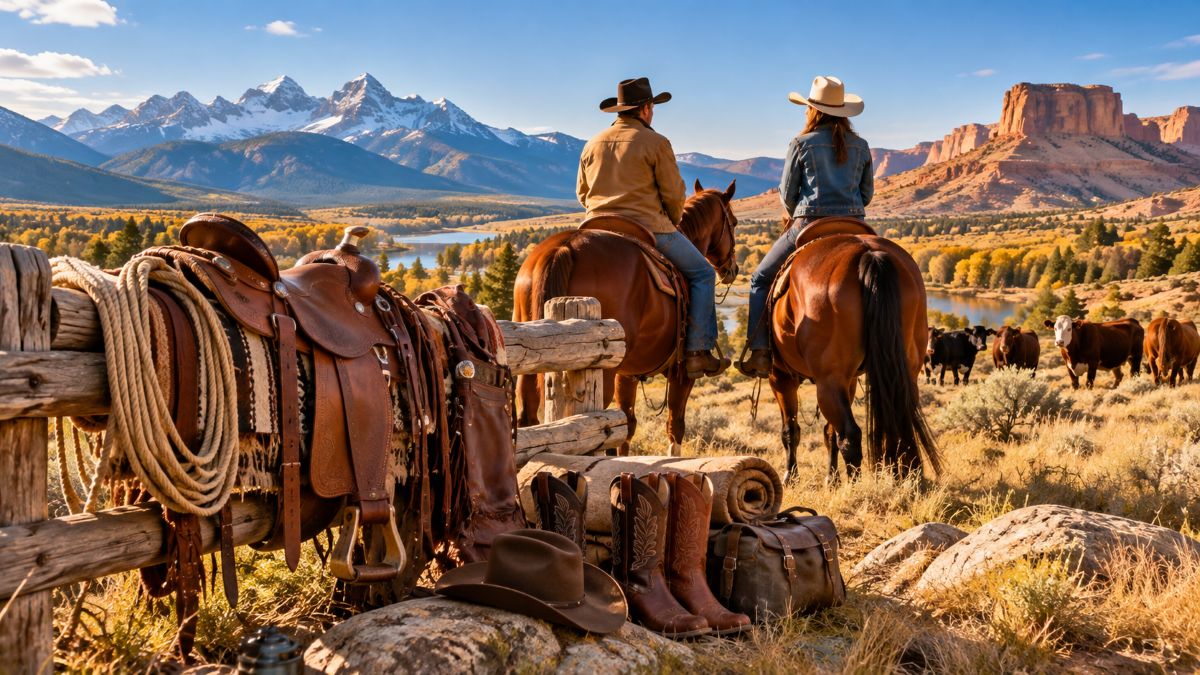
Montana and New Mexico offer a distinctive perspective on American Western travel, where ranching traditions, rodeo competitions and expansive rural landscapes shape everyday life. Beyond scenic mountain roads and open plains, these destinations reveal a practical side of outdoor adventure through the equipment trusted by ranchers and professional cowboys. Their demanding routines provide valuable insights for travellers preparing for road trips, backcountry excursions and rural experiences. From durable sunglasses and specialist tyres to portable accommodation, the gear used across the American West highlights how reliability, comfort and preparation can influence journeys far beyond the ranch.
The connection between these Western destinations becomes particularly relevant for visitors interested in authentic cowboy culture and outdoor tourism. Ranchers work across vast properties, while rodeo competitors travel considerable distances between events. Their experiences offer lessons for adventure travellers seeking equipment capable of handling changing weather, rough terrain and extended time outdoors.
Why Western Travel Demands Dependable Equipment
Ranching in the American West requires equipment that can withstand repeated use, physical labour and unpredictable weather. In western Montana, John Helle and his sons, Evan and Weston, manage 10,000 sheep across 100,000 acres. Their work involves travelling along rough dirt roads, transporting supplies and spending extended periods outdoors.
Temperatures can rise sharply during summer and fall to minus 40 degrees in winter. Such conditions demonstrate why dependable equipment matters when exploring remote destinations. Travellers venturing beyond established tourist routes can benefit from considering durability, weather protection, maintenance requirements and suitability for their intended activities before purchasing outdoor gear.
Advertisement
Advertisement
Rodeo Culture Connects Montana And New Mexico
Rodeo provides another perspective on travel across the American West. Competitors routinely drive between events, combining professional commitments with demanding training schedules. Ross Griffin, a saddle bronc rider from Tularosa, New Mexico, reported travelling approximately 50,000 miles annually. Other riders interviewed during the reporting described covering as many as 100,000 miles in a season.
These journeys illustrate the logistical demands of rodeo tourism, where vehicles, tools and accommodation become essential parts of the experience. Visitors attending rodeos can discover a culture built around horsemanship, specialised equipment and long-distance travel. The Dillon Jaycees rodeo in Montana offers an example of the setting in which competitors share practical knowledge about their preferred equipment.
Advertisement
Advertisement
Essential Gear Trusted By Western Ranchers
The following table summarises ten products and equipment choices highlighted by ranchers and rodeo participants. Their inclusion reflects reported individual preferences rather than a universal recommendation for every traveller.
| Equipment | Reported Use | Travel Relevance |
|---|---|---|
| Bex Rockyt OTG sunglasses | Durable eyewear for ranch work | Eye protection and secure fit |
| Resistol Black Gold cowboy hat | Traditional headwear | Sun protection and Western style |
| Yeti Rambler 46-ounce bottle | Carrying drinks | Hydration on long outings |
| Milwaukee M18 FUEL impact driver | Wheel-changing preparation | Vehicle maintenance, using the appropriate tool |
| Goodyear Wrangler DuraTrac RT tyres | Rough roads and winter conditions | Traction and durability |
| Buck 841 Sprint Pro knife | Everyday cutting tasks | Utility where legally permitted |
| Benchmade Mini Bugout knife | Compact cutting tool | Lightweight carry |
| Stark Future Varg EX electric enduro bike | Moving across private ranch land | Off-road mobility where permitted |
| C Hanging N belt buckle | Personalised Western accessory | Cultural identity and craftsmanship |
| Capri Retreat truck camper | Accommodation between rodeos | Flexible road-trip sleeping arrangements |
Sunglasses And Cowboy Hats Reflect Practical Western Style
Eyewear and headwear remain recognisable elements of cowboy culture, but their practical functions are equally important. Parker Murnion, a team roper from Miles City, Montana, favours Bex Rockyt OTG sunglasses with military-grade stainless-steel frames. The reported advantages include durability, substantial nose pads and broad lens coverage.
Saddle bronc rider Quanah Glade prefers the Resistol Black Gold cowboy hat, valuing its beaver-hair construction and ability to retain its shape. These examples demonstrate how personal equipment choices can combine appearance, comfort and long-term use. Travellers attending rodeos or visiting ranch destinations can explore Western craftsmanship while selecting protective clothing suited to local weather.
Vehicle Preparation Matters On Remote Roads
Long journeys across rural landscapes require careful vehicle preparation. Evan Helle relies on Goodyear Wrangler DuraTrac RT tyres for hauling supplies along rough roads. Their three-ply sidewalls and Three-Peak Mountain Snowflake designation are relevant features for drivers considering demanding surfaces and winter conditions.
Rodeo competitor Ross Griffin also carries a cordless tool for dealing with stubborn wheel fasteners. The reporting identifies the Milwaukee M18 FUEL product, although the distinction between an impact driver and an impact wrench matters when selecting equipment for wheel maintenance. Travellers should use tools specifically suited to their vehicle, follow manufacturer guidance and carry appropriate roadside safety equipment.
Compact Knives And Electric Bikes Support Ranch Work
Knives serve everyday purposes on ranches, from cutting hay-bale string to trimming ropes. Dirk Tavenner, a steer wrestler from Rigby, Idaho, described carrying the Buck 841 Sprint Pro and favouring the compact Benchmade Mini Bugout. These preferences reflect practical working habits, although travellers must check local restrictions before carrying knives.
Advertisement
Advertisement
Electric mobility also has a place in modern ranch management. Evan Helle uses a Stark Future Varg EX electric enduro bike on private land, where permitted, to cover ground while tending sheep. Its quiet operation and ability to travel across suitable terrain offer an alternative to conventional transport. Such use should not be confused with permission to ride on public land or protected trails.
Truck Campers Support Long-Distance Rodeo Tourism
Accommodation can shape the economics and comfort of extended road trips. Saddle bronc rider Sage Newman favours a Capri Retreat truck camper, designed to accommodate travelling rodeo participants. Shared transport and sleeping arrangements can help competitors manage the considerable distances between events.
For leisure travellers, truck campers offer flexibility, but their suitability depends on vehicle compatibility, payload limits, campsite access and weather conditions. Travellers should confirm where overnight parking is permitted and whether facilities are available. A carefully planned itinerary can combine rodeo attendance, rural attractions and scenic driving without overlooking practical requirements.
Western Accessories Preserve Regional Identity
Beyond functional equipment, Western accessories carry cultural significance. Breakaway roper Haven Wolstein values a custom C Hanging N belt buckle associated with her cattle brand. Meanwhile, wild rags, often made from silk, serve as neckwear and can help protect against dust and cold.
Specialist Western shops, rodeo grounds and rural communities can introduce visitors to these traditions. Purchasing locally made accessories may also provide opportunities to learn about craftsmanship and regional identity. Respectful tourism means recognising that cowboy culture is a living working tradition rather than simply a costume or photographic attraction.
What Travellers Should Consider Before Buying
Equipment featured by professional ranchers and rodeo competitors is shaped by demanding working conditions, so visitors should evaluate their own needs before investing. Price, maintenance, weight, availability and intended use all influence value. Expensive specialist equipment may be unnecessary for an occasional road trip or short outdoor excursion.
Advertisement
Advertisement
Travellers should prioritise suitable footwear, weather-appropriate clothing, reliable navigation, water, first-aid supplies and vehicle checks. Anyone planning remote activities should review access restrictions and weather forecasts, tell someone their route and understand the limits of their equipment. Professional users’ experiences can inform purchasing decisions, but they do not replace independent product testing or activity-specific safety guidance.
Conclusion
Montana and New Mexico illustrate how Western travel combines landscape, working traditions and practical preparation. Ranchers and rodeo competitors depend on equipment that supports long hours outdoors and extensive journeys between remote locations. Their preferences offer useful insights for visitors interested in road trips, rodeo tourism and authentic cowboy culture.
The central lesson is not that every traveller needs professional-grade equipment, but that the right choices depend on conditions, intended activities and personal requirements. Understanding those factors can help visitors explore the American West with greater confidence while appreciating the communities and traditions that make these destinations distinctive.
Frequently Asked Questions
1. Why are Montana and New Mexico relevant to Western travel?
Both destinations are associated with ranching, rodeo culture, rural landscapes and outdoor activities.
2. What outdoor equipment do ranchers commonly value?
Advertisement
Advertisement
Durable eyewear, suitable hats, reliable tyres, water bottles and practical tools feature among the reported preferences.
3. Why is tyre selection important for rural road trips?
Suitable tyres can improve traction and durability on challenging surfaces, depending on the conditions and vehicle.
4. What is a wild rag?
A wild rag is a scarf traditionally worn by cowboys for style and protection against dust or cold.
5. How far do rodeo competitors travel?
Advertisement
Advertisement
Some competitors interviewed reported travelling approximately 50,000 to 100,000 miles annually.
6. Are truck campers useful for road trips?
They can provide flexible sleeping arrangements when compatible with the vehicle and permitted at the intended campsite.
7. Can electric enduro bikes be used on ranches?
They can be useful on suitable private land where the owner permits their use and local regulations allow it.
8. Should travellers buy professional-grade cowboy equipment?
Advertisement
Advertisement
Not necessarily. Equipment should match the traveller’s budget, activities, comfort requirements and expected conditions.
9. What should visitors pack for remote Western destinations?
Weather-appropriate clothing, water, navigation tools, first-aid supplies and suitable vehicle safety equipment are useful starting points.
10. How can visitors experience authentic cowboy culture?
Attending rodeos, visiting permitted ranch attractions and exploring regional Western craftsmanship can provide meaningful cultural experiences.
Advertisement
