 Srishty Mishra Srishty Mishra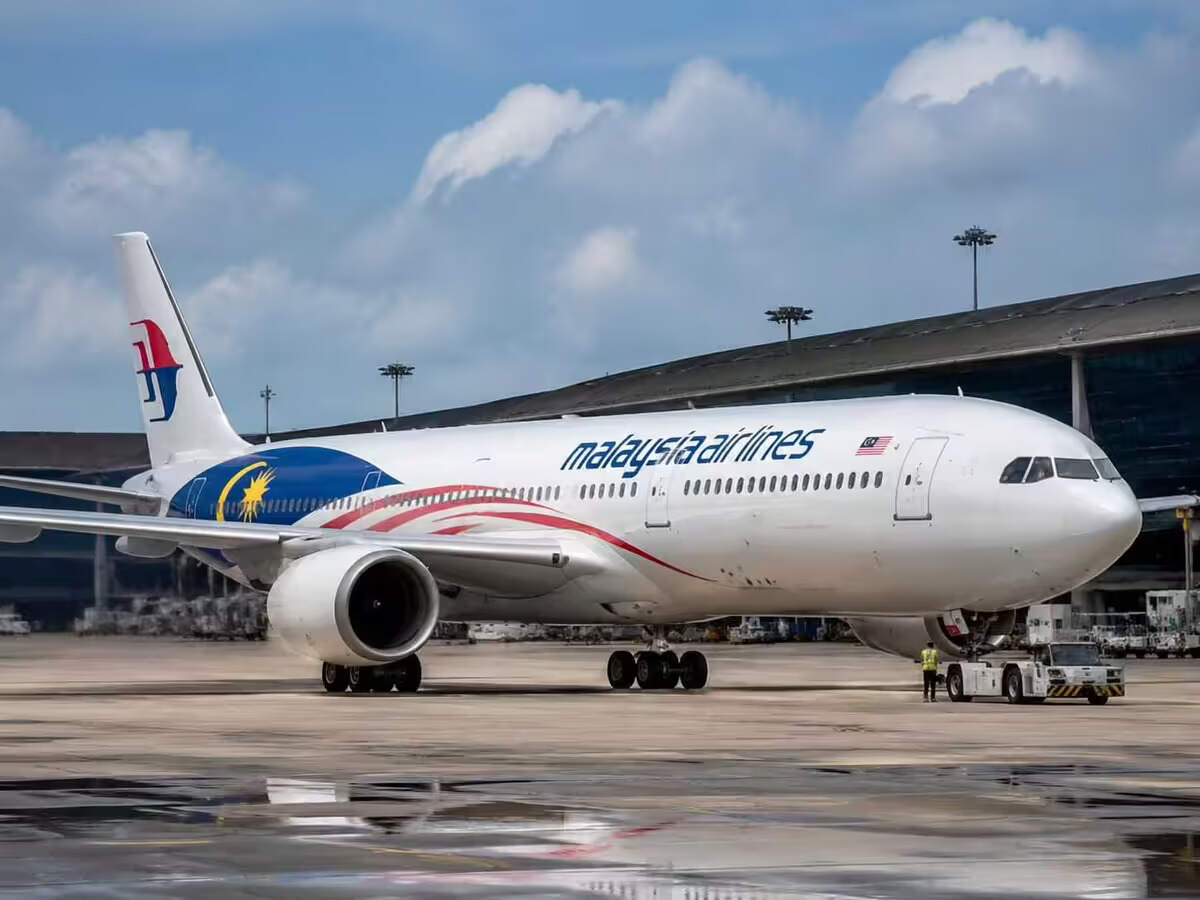
Image generated with Ai
Disruption of Travel in Kuala Lumpur due to Ash from Mount Anak Krakatau, with Malaysia Airlines Cancelling Flights to Jakarta. Travel links between Kuala Lumpur and Jakarta saw some disruptions on 6 September 2026 when Malaysia Airlines decided to cancel some services between Kuala Lumpur International Airport (KUL) and Jakarta Soekarno-Hatta International Airport (CGK), in view of ash activities from Mount Anak Krakatau.
Malaysia Airlines confirmed that affected passengers would receive direct updates as the airline continued monitoring the evolving volcanic situation. The cancellations highlighted the wider impact of natural events on regional aviation networks, with Southeast Asia’s highly connected air routes experiencing operational adjustments as authorities assessed safety conditions.
Advertisement
The Kuala Lumpur–Jakarta route is one of the important business and leisure links between Malaysia and Indonesia, supporting thousands of passengers travelling daily for tourism, trade, corporate meetings and connecting journeys. The temporary changes created uncertainty for travellers planning movements between the two major Southeast Asian cities.
Malaysia Airlines cancelled 12 flights operating in both directions between Kuala Lumpur and Jakarta after volcanic ash from Mount Anak Krakatau affected operations at Soekarno-Hatta International Airport. The affected services included MH710, MH711, MH712, MH713, MH716, MH717, MH720, MH721, MH722, MH723, MH724 and MH725.
Advertisement
Advertisement
The airline implemented the cancellations as a safety measure while monitoring developments around Jakarta airport operations. Malaysia Airlines stated that further updates would be communicated directly to passengers whose journeys were affected.
The cancellations affected flights travelling in both directions, meaning passengers departing from Kuala Lumpur as well as travellers scheduled to return from Jakarta experienced changes to their travel plans. Airlines typically make these decisions when volcanic ash enters flight paths because even small ash particles can create significant risks for aircraft engines and onboard systems.
The disruption also demonstrated how closely connected regional aviation networks are. A temporary operational restriction at one major airport can influence aircraft schedules, crew arrangements and connecting flights across neighbouring countries.
The flight changes followed increased volcanic activity from Mount Anak Krakatau, located in Indonesia’s Sunda Strait between Java and Sumatra. The eruption produced volcanic ash that spread across parts of western Indonesia, affecting air travel operations around Jakarta and other locations.
Advertisement
Advertisement
Indonesia’s aviation authorities temporarily restricted operations at several airports as ash movement created safety concerns. Soekarno-Hatta International Airport, Jakarta’s main international gateway, faced operational suspension as officials monitored ash conditions and assessed when flights could safely resume.
The eruption affected hundreds of flight movements and thousands of passengers. Authorities reported that the disruption affected airport activity, with airlines facing additional challenges related to aircraft rotations, passenger handling and schedule recovery.
The event once again demonstrated the importance of volcanic monitoring systems in aviation. Airlines depend on updates from meteorological agencies, aviation authorities and volcanic monitoring organisations before making decisions about flight operations.
Volcanic ash is considered one of the most dangerous natural hazards for aviation because it behaves differently from normal weather-related disruptions. Unlike rain or clouds, volcanic ash contains tiny rock and mineral particles that can damage aircraft systems.
When aircraft fly through ash clouds, particles can:
Because of these risks, airlines generally cancel or reroute flights until airspace conditions are confirmed safe. Passenger safety remains the priority, even when disruptions create delays and inconvenience.
For travellers, volcanic events can result in last-minute changes because ash movement depends on wind direction, eruption intensity and weather conditions. Flight schedules may remain flexible until authorities confirm that operations can return safely.
The Mount Anak Krakatau eruption affected more than Malaysia Airlines. Several other carriers operating flights connected to Jakarta also introduced cancellations, rescheduling or operational changes due to the volcanic ash disruption.
Batik Air cancelled flights between Malaysia and Jakarta, while AirAsia also adjusted selected services following the eruption. Airlines advised passengers to check updated flight information before travelling to airports.
Singapore Airlines also cancelled Jakarta-related services as volcanic ash affected operations. The wider impact showed how a disruption in Indonesia’s aviation network could quickly influence regional travel connections.
With Jakarta serving as a major aviation hub, changes to airport operations can affect domestic and international travellers, including those using the city as a connection point for onward journeys.
Passengers affected by the Malaysia Airlines cancellations are advised to monitor official airline communication channels for the latest updates. Travellers should confirm their flight status before travelling to Kuala Lumpur International Airport or Soekarno-Hatta International Airport.
Passengers should also ensure that their contact details are updated with airlines so they can receive notifications regarding schedule changes, alternative arrangements or further instructions.
For travellers with connecting flights, additional planning may be required as delays or cancellations can affect onward journeys. Airlines usually review options such as rebooking once operational conditions improve.
Airport authorities and airlines continue coordinating closely during volcanic disruptions to manage passenger movement and restore normal operations as quickly as safety conditions allow.
The Kuala Lumpur–Jakarta aviation corridor remains an important regional connection supporting tourism, business travel and economic links between Malaysia and Indonesia. Although the Mount Anak Krakatau eruption caused temporary disruption, airlines and aviation authorities continue monitoring conditions to restore regular services.
The incident also reinforces the importance of preparedness within Southeast Asia’s travel sector. Volcanic activity remains a recurring challenge in Indonesia due to its location along the Pacific Ring of Fire, making aviation safety procedures essential for protecting passengers and maintaining reliable air connectivity.
Eruption of Mount Anak Krakatau causes travel disruptions in Kuala Lumpur as Malaysian Airlines cancels Jakarta flights following the impact of the volcanic ash on the operation of the airport.
Following the improvement of the ash situation and operation of the airport getting back to normal, it is expected that Malaysian Airlines will restore its affected flights.
Advertisement
Advertisement
Advertisement













Sunday, September 6, 2026

Sunday, September 6, 2026

Sunday, September 6, 2026

Saturday, September 5, 2026

Saturday, September 5, 2026

Sunday, September 6, 2026

Sunday, September 6, 2026