
Indonesia Supercharges Tourism Beyond Bali as Garuda Indonesia Drives Travel to Lake Toba and Borobudur

Updated
Published
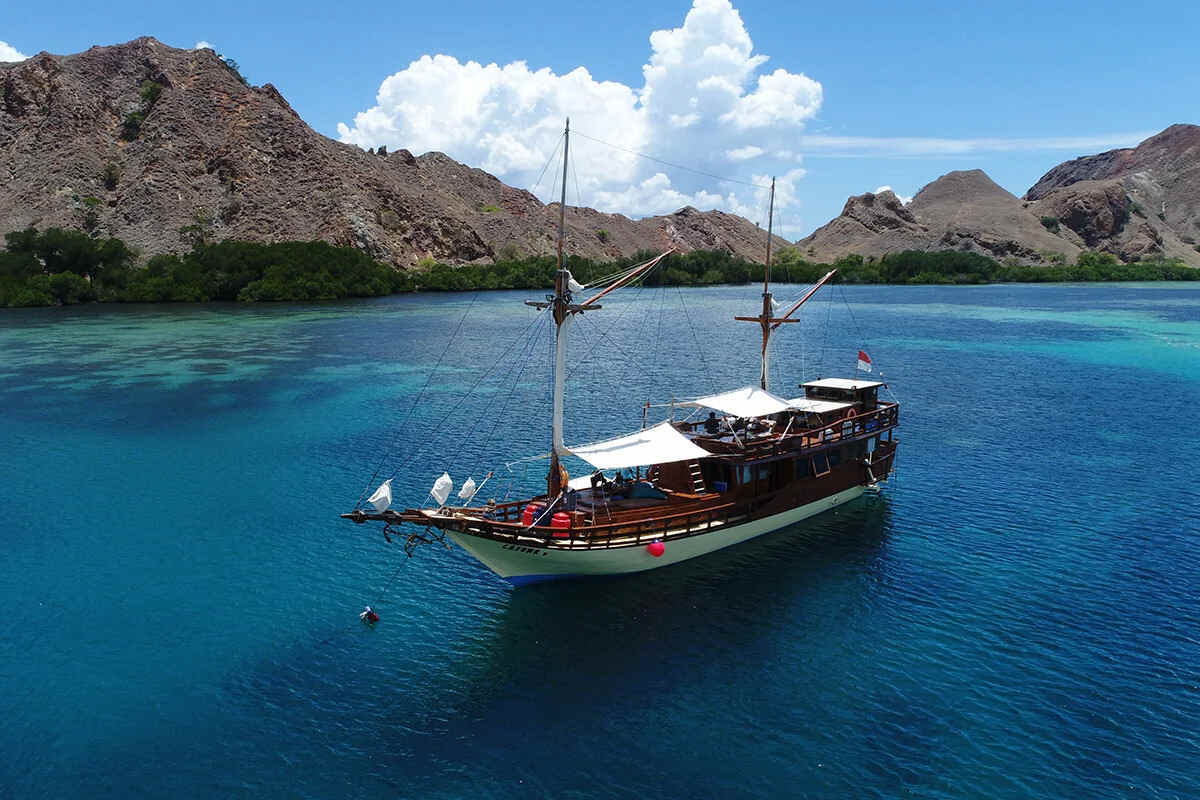
Image Credit : Visit Indonesia
Indonesia is widening its tourism ambitions beyond Bali, using a new stopover initiative from Garuda Indonesia and Mastercard to encourage international visitors to explore Lake Toba, Borobudur, Mandalika and Labuan Bajo. The programme is designed to turn international arrivals into longer, multi-destination journeys while directing more tourism spending towards regional economies.
Indonesia Turns Its Tourism Focus Beyond Bali
Bali remains Indonesia’s most powerful international tourism magnet, but the country has far more to offer travellers willing to venture beyond its best-known island.
The newly introduced Garuda Indonesia Stopover Program seeks to make that journey easier. By combining international travel with connections across Garuda Indonesia’s domestic network, the initiative gives eligible overseas passengers an opportunity to include another Indonesian destination in their itinerary.
Advertisement
Advertisement
The programme represents a broader tourism strategy rather than simply another airline product. Indonesia wants visitors entering through major gateways to travel further across the archipelago, experience more destinations and contribute to a wider range of local economies.
That could gradually transform the way international tourists experience the country.
Advertisement
Advertisement
Garuda Indonesia Connects International Arrivals With Regional Destinations
Garuda Indonesia’s domestic network sits at the heart of the initiative.
Eligible passengers travelling on selected international long-haul and regional services can include qualifying domestic connections to participating destinations when booking their journeys. Under the programme, those eligible connecting flights can be incorporated without an additional airfare, subject to the relevant conditions and participating routes.
Advertisement
Advertisement
The arrangement can make multi-destination travel more accessible for overseas visitors who might otherwise finish their holiday in Bali or another major gateway.
Instead, international passengers can use the stopover opportunity to continue deeper into Indonesia.
This creates a more connected travel experience while giving lesser-visited destinations greater exposure to international markets.
For Indonesia, the concept is straightforward: use the reach of the national airline to convert a single-destination holiday into a broader journey across the country.
Advertisement
Advertisement
Bali and Jakarta Continue to Dominate Foreign Arrivals
The reason behind Indonesia’s tourism diversification strategy becomes clearer when looking at international visitor patterns.
Foreign arrivals remain strongly concentrated in major gateways.
According to 2025 figures from Statistics Indonesia, Bali recorded around 6.9 million foreign tourist visits, while Jakarta registered approximately 2.8 million.
These numbers underline the extraordinary strength of Indonesia’s established gateways, particularly Bali. However, they also demonstrate the scale of the opportunity available if even a portion of those visitors can be encouraged to add another destination to their itinerary.
Indonesia does not necessarily need travellers to choose regional destinations instead of Bali. The stopover strategy can allow visitors to experience Bali while also discovering another part of the country.
This complementary approach could prove important as Indonesia seeks to distribute international tourism more evenly.
Advertisement
Advertisement
Multi-Destination Holidays Could Keep Travellers in Indonesia Longer
The potential impact extends beyond passenger numbers.
When international tourists visit several destinations during one trip, their economic contribution can expand across different parts of the travel industry.
A longer journey can mean additional hotel nights, restaurant visits, domestic transport, guided excursions, attraction tickets, shopping and cultural experiences.
That creates opportunities for businesses far beyond airports and large hotels.
Local restaurants, independent tour operators, transport providers, artisans, retailers and micro, small and medium-sized enterprises can all become part of the visitor economy when travellers venture beyond established tourism centres.
The stopover programme therefore aims to increase both the geographical reach and economic value of international tourism.
Advertisement
Advertisement
Instead of tourism spending remaining concentrated around a few gateways, more of that expenditure could circulate through regional communities.
Mastercard Adds Digital Reach to Indonesia’s Tourism Strategy
Mastercard brings another dimension to the partnership through its global payments network, digital capabilities and consumer insights.
The company’s role is expected to support efforts to connect international travellers with tourism opportunities outside Indonesia’s dominant gateways.
One important element involves reaching foreign visitors who are already in Bali.
Through digital channels, travellers can be introduced to opportunities to add another Indonesian destination to their existing holiday. This creates a chance to influence travel decisions after visitors have already entered the country.
Bali’s enormous international tourism base makes this particularly significant.
Advertisement
Advertisement
Rather than viewing Bali’s popularity as competition for other Indonesian destinations, the strategy can use the island as a launch point for wider exploration.
International visitor expenditure could consequently reach businesses and communities that have traditionally received a smaller share of foreign tourism spending.
Lake Toba Emerges as a Major Nature and Cultural Escape
Lake Toba is among the destinations expected to benefit from the initiative.
Its dramatic volcanic landscape offers a markedly different experience from Indonesia’s major urban and beach gateways.
The destination combines scenery, local culture and nature-based tourism, giving international visitors another reason to extend their stay in Indonesia.
Improved connections and stronger international exposure could help Lake Toba capture travellers who may previously have limited their Indonesian holiday to more established destinations.
Advertisement
Advertisement
This is precisely the type of travel behaviour the stopover programme is intended to encourage.
Borobudur Strengthens Indonesia’s Cultural Tourism Appeal
Borobudur Temple adds a powerful heritage dimension to the programme.
As one of Indonesia’s most internationally recognised cultural landmarks, Borobudur can appeal to travellers looking beyond beaches and resorts.
Encouraging more foreign visitors to incorporate Borobudur into wider itineraries can strengthen Indonesia’s position as a cultural and heritage destination.
It also demonstrates how the stopover model can connect very different tourism experiences within a single journey.
A traveller can combine the leisure appeal of Bali with Indonesia’s historic and cultural attractions rather than treating them as separate holidays.
Advertisement
Advertisement
Mandalika Offers Another Face of Indonesian Tourism
Mandalika represents another pillar of Indonesia’s effort to broaden its tourism map.
The destination has developed its profile around leisure, coastal tourism and major events. Greater integration with international itineraries could expose it to travellers who might not otherwise consider adding the destination to their Indonesian holiday.
The stopover programme gives Indonesia another mechanism for directing visitors towards such developing tourism centres.
More international arrivals can generate demand for accommodation, dining, transport and experiences while supporting businesses linked to the local visitor economy.
Labuan Bajo Opens the Door to Eastern Indonesia
Labuan Bajo provides yet another distinctive tourism proposition.
The destination has become an important gateway for exploring eastern Indonesia and the wider Komodo area, combining marine landscapes, island experiences and nature-based travel.
Advertisement
Advertisement
Its inclusion highlights the geographical diversity Indonesia wants international visitors to discover.
For travellers, adding Labuan Bajo can transform a conventional Indonesian holiday into a much broader adventure. For the destination, additional international traffic can create further opportunities across hospitality, excursions, restaurants, transport and other tourism services.
Regional Businesses Could Gain From Wider Visitor Spending
The economic impact of the initiative could be particularly meaningful for smaller businesses.
International tourism creates a chain of spending that extends far beyond the initial airline ticket.
Travellers require accommodation, meals, transport and activities. They purchase souvenirs and local products. They use guides and tourism services. They visit attractions and spend money in communities throughout their journey.
When tourists remain concentrated in a small number of locations, those benefits are similarly concentrated.
Advertisement
Advertisement
Moving travellers across more destinations can distribute that economic activity more broadly.
For Indonesia, this makes tourism diversification not only a destination-marketing strategy but also a regional economic opportunity.
Airline, Tourism and Payment Networks Come Together
The initiative combines three different parts of the tourism ecosystem.
Garuda Indonesia provides international and domestic connectivity. Indonesia’s tourism authorities support destination promotion and the broader objective of spreading tourism benefits. Mastercard contributes its global reach, payments ecosystem and digital consumer capabilities.
Together, these components can address one of the central challenges facing a geographically vast tourism market: turning international arrivals into journeys that reach multiple destinations.
Indonesia spans thousands of islands and contains an enormous variety of natural, cultural, heritage and coastal attractions. Yet the international visitor economy remains far more concentrated than the country’s tourism potential.
Advertisement
Advertisement
Improving the connection between major entry points and regional destinations could help narrow that gap.
Indonesia Moves Towards a Broader Tourism Future
The Garuda Indonesia Stopover Program signals a shift towards a more geographically diverse model of international tourism.
Bali and Jakarta will continue to play critical roles as major gateways, but Indonesia is increasingly looking beyond them for its next phase of visitor growth.
Lake Toba, Borobudur, Mandalika and Labuan Bajo give international travellers four very different reasons to explore further, ranging from volcanic landscapes and cultural heritage to coastal escapes and eastern Indonesian adventures.
The strategy could also create a multiplier effect. Visitors who travel further may stay longer and spend across more businesses and communities, allowing tourism revenue to reach areas outside the country’s dominant gateways.
By bringing together Garuda Indonesia’s aviation network, Mastercard’s global and digital capabilities and Indonesia’s regional tourism priorities, the programme provides a practical route towards multi-destination travel.
If it succeeds in persuading more international visitors to move beyond Bali, Indonesia could strengthen regional tourism economies while presenting the world with a much broader picture of what the archipelago has to offer.
Advertisement
