
Cultural Festival Boom: A New Era for Sustainable Tourism Growth in Vietnam

Published
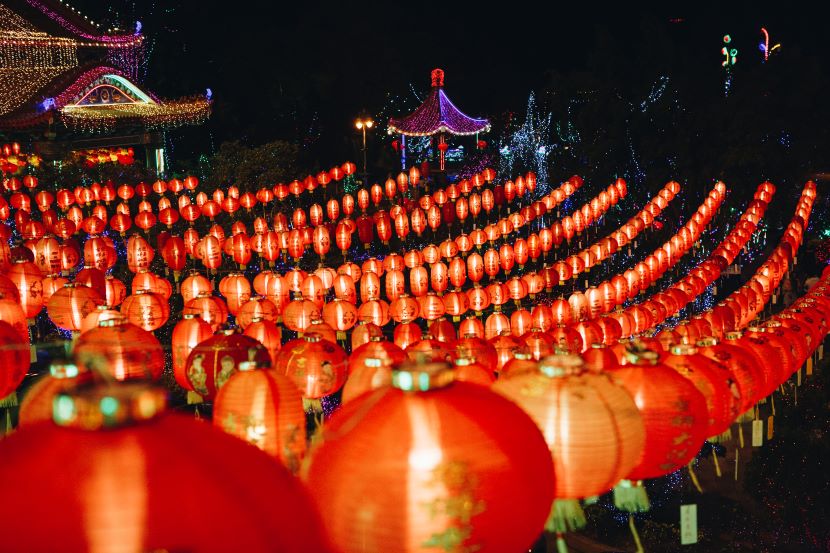 Image generated with Ai
Creative cultural festivals of Vietnam are shaping tourism landscape. With the Vietnam festival boom, these vibrant events are being organised across various localities, infusing fresh energy into the tourism sector. As these festivals become key drivers of sustainable tourism growth this marks a new era for the country’s tourism. They not only enhance the local economy but also the distinct appeal of regions nationwide. By capturing the essence of Vietnam’s rich cultural heritage, these festivals contribute to the nation’s growing reputation as a premier tourist destination.
A New Era for Tourism in Vietnam
Advertisement
Advertisement
In addition to traditional celebrations, a surge in modern festivals has introduced a fresh life into the tourism sector. Festivals such as the Hue Festival, Da Nang International Fireworks Festival, Da Lat Flower Festival, and Ha Long Carnival have transformed into major tourism boom. These events not only highlights the unique cultural heritage of each region but also contribute significantly to local economies.
Large-scale festivals are regularly introduced, offering innovative concepts that attract both domestic and international visitors. The Ha Long Carnival, for example, welcomed over 20,000 visitors during the April 30–May 1 holiday in 2025, generating an impressive 1.83 trillion VND (approximately 70.22 million USD) in tourism revenue. This marked a 156% increase in revenue compared to the previous year. In Hai Phong, the Red Flamboyant Flower Festival, organised to mark the 70th anniversary of the city’s liberation, also saw significant success, attracting nearly 12,000 tourists.
Advertisement
Advertisement
The central city of Hue, which is hosting the Visit Year 2025 campaign, has become an increasingly popular destination for both local and international tourists. With more than 2 million visitors, including nearly 900,000 international arrivals, the city is experiencing a tourism boom. Tourism revenues for the first quarter of 2025 have reached 2.6 trillion VND. The ongoing success of events like the Hue Festival has cemented Hue’s position as a cultural and tourism hub.
Other regions, such as Ninh Binh, have also embraced the festival wave. The province has held a series of successful events, including the Trang An Festival and Hoa Lu Festival, while Da Nang prepares for its annual Enjoy Da Nang Festival. Hanoi has taken a proactive approach by scheduling a range of cultural and tourism festivals for 2025, from the Hanoi Tourism Gift Festival to the Hanoi Autumn Festival.
Advertisement
Advertisement
Impact on Local Economies and Visitor Experiences
These creative festivals are not only enhancing the Vietnam’s tourism experience but also increasing the length of stays and boosting local economy. These festivals provide platforms for local artisans and craftspeople to showcase their work, while also generating a stronger connection to the cultural heritage of the area.
However, experts point out that some festivals are beginning to lose their appeal due to repetitive organisation styles. The challenge lies in keeping events fresh and engaging for visitors. Pham Hai Quynh, Director of the Asian Tourism Development Institute, pointed out that while some festivals attract large crowds initially, attendance can decrease rapidly. Festivals that lack distinctive features or fail to differentiate themselves from others may struggle to maintain momentum.
Striving for Sustainable Festival Development
To ensure that these festivals continue to serve as a cornerstone for tourism growth, experts stress the importance of incorporating local cultural identity into their design. Phung Quang Thang, Permanent Vice Chairman of the Vietnam Society of Travel Agents, advocates for the careful planning of events to reflect the region’s unique heritage. Furthermore, Le Quy Duong, Chairman of the Festival and Cooperation Committee of the International Theatre Institute (ITI), emphasized that preserving and showcasing the cultural legacy of each locality should remain a priority.
A balance between modernisation and tradition is essential for these festivals to thrive and continue to attract visitors in the long term. Organisers are encouraged to consider the economic benefits that can be generated from hosting large-scale cultural events. With a well-planned approach, festival tourism can continue to play an essential role in the development of Vietnam’s tourism industry.
Advertisement
Advertisement
The Road Ahead for Vietnam’s Festival Tourism
As festival tourism continues to gain momentum, it becomes clear that this trend is more than just a passing fad. With Vietnam’s focus on cultural tourism as part of its tourism development strategy through 2025 and beyond, the potential for these events to reshape the tourism landscape is vast. Carefully planned festivals can offer a fresh momentum to the industry, fostering sustainable growth, and helping to position Vietnam as a global tourism hotspot.
As Vietnam’s festival boom continues, authorities must consider several crucial factors for success. Infrastructure, service quality, and strategic planning play vital roles in ensuring these events success. The development of well-organised, culturally rich festivals will not only attract tourists but also contribute to the preservation of Vietnam’s diverse cultural heritage. This marks a new era in sustainable tourism growth, where the careful balance of tradition and innovation can enhance the country’s tourism appeal.
Advertisement
