
Portugal Breaks Beyond the Beach Holiday as Lisbon, Porto, Algarve, Madeira and Azores Transform Tourism in 2026

Published
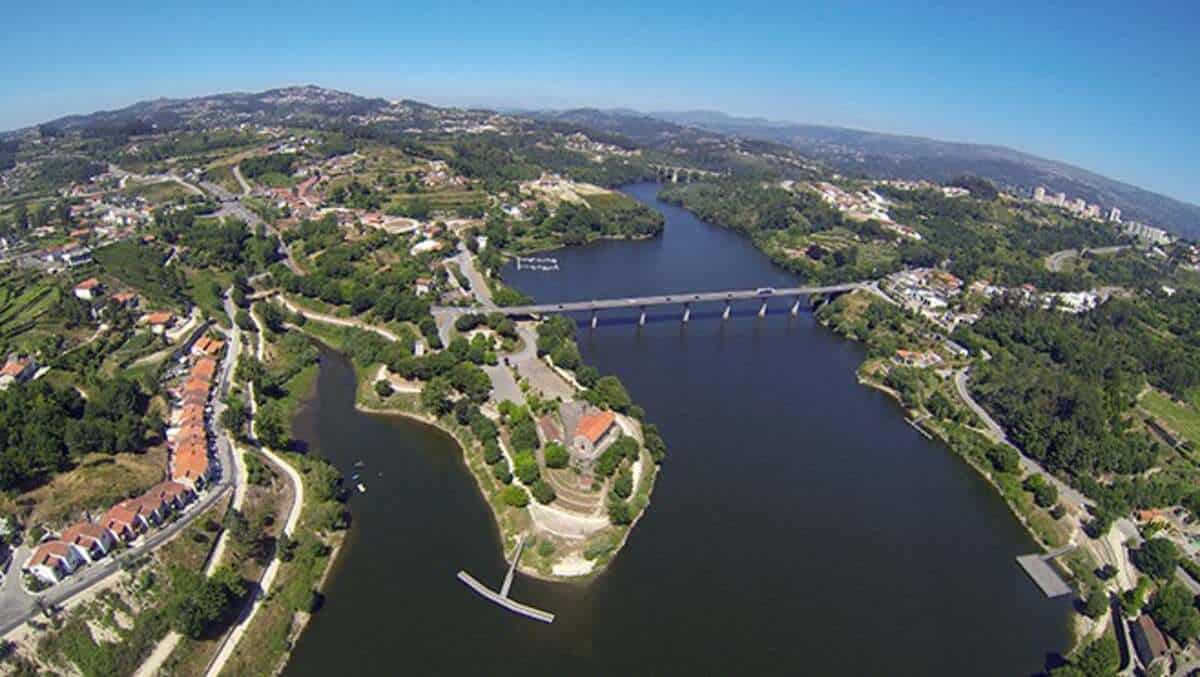
Portugal is strengthening its position as one of Europe’s most diverse tourism destinations in 2026, with Lisbon, Porto, the Douro Valley, Algarve, Alentejo, Madeira and the Azores attracting travellers for city breaks, beaches, wine tourism, golf, nature, river journeys and longer stays. Official tourism figures show that Portugal recorded 3.9 million guests and 10.9 million overnight stays in August 2026. Across the first eight months of the year, accommodation establishments welcomed 22.4 million guests, generating 57.3 million overnight stays. The economic impact is equally significant. Tourism receipts approached €20.97 billion between January and August 2026, showing how travel continues to support accommodation, restaurants, transport, attractions and regional economies across Portugal.
Portugal’s Tourism Numbers Show Continued Growth
Portugal entered the second half of 2026 with its visitor economy maintaining considerable momentum. During August, accommodation establishments received 3.9 million guests, an increase of 1.9% year on year. Overnight stays reached 10.9 million, rising 1.7% compared with August 2025. The January-August figures provide a clearer picture of the scale of demand. Portugal welcomed 22.4 million guests and registered 57.3 million overnight stays during the eight-month period. International markets remain fundamental to this performance.
Advertisement
Advertisement
Among the principal foreign source markets:
- United Kingdom: 17.9% share of overnight stays
- Germany: 11%
- Spain: 9.7%
Several markets also recorded notable growth during August. Overnight stays by travellers from Canada increased 11.2%, while the United States grew 5.8% and Spain increased 5%. Growth was not limited to Portugal’s traditional tourism centres. Overnight stays increased 4.5% in Northern Portugal and 2.6% in Alentejo.
Advertisement
Advertisement
Portugal Tourism 2026 at a Glance
| Indicator | Latest Figure |
|---|---|
| Guests Jan-Aug 2026 | 22.4 million |
| Overnight stays Jan-Aug 2026 | 57.3 million |
| Guests August 2026 | 3.9 million |
| Overnight stays August 2026 | 10.9 million |
| Tourism receipts Jan-Aug 2026 | €20.97 billion |
| August tourism exports | €4.45 billion |
| UK share among major foreign markets | 17.9% |
| Germany share | 11% |
| Spain share | 9.7% |
Tourism’s financial contribution continues to grow alongside visitor numbers. Travel and tourism exports were estimated at approximately €4.45 billion in August 2026, representing annual growth of around 2.2%. Between January and August, tourism receipts reached approximately €20.97 billion, around 3.3% higher than the €20.30 billion generated during the corresponding period of 2025.
Lisbon Remains Portugal’s Leading City Tourism Gateway
Lisbon remains at the centre of Portugal’s international tourism economy. The capital combines historic neighbourhoods, viewpoints, waterfront districts, museums, monuments, restaurants and traditional streets. This makes it particularly suitable for short city breaks as well as longer Portuguese itineraries. Small guided sightseeing experiences have also become a visible part of Lisbon tourism. Tuk-tuk tours allow visitors to explore areas characterised by narrow streets and steep hills while learning about the city’s major districts and landmarks.
Advertisement
Advertisement
Lisbon’s historic tram network provides another recognisable visitor experience. Metro, bus and rail services offer wider connections across the capital. The city also provides easy access to surrounding destinations. Sintra, with its historic palaces, hills and cultural landscape, can be incorporated into a Lisbon stay without requiring a long domestic journey.
This gives travellers several experiences from one base:
Advertisement
Advertisement
- Historic neighbourhoods
- Museums and monuments
- Portuguese gastronomy
- Traditional tram journeys
- Guided city tours
- Sintra excursions
- Atlantic coastal trips
For the travel industry, Lisbon can therefore operate both as a destination and as the starting point for a wider journey through Portugal.
Porto Combines Heritage, Wine and River Tourism
Porto offers a very different experience from Lisbon. The northern city is closely connected with the Douro River, historic architecture, Portuguese gastronomy and the country’s internationally recognised wine heritage. The Ribeira district remains one of Porto’s best-known tourism areas. Its riverfront setting provides access to restaurants, historic streets and views across the Douro. The Dom Luís I Bridge is another defining feature of the city’s tourism landscape, offering expansive views across Porto and Vila Nova de Gaia.
Porto also works as a gateway rather than simply a city-break destination. Visitors can continue from Porto into Northern Portugal and the Douro Valley, combining urban sightseeing with vineyards, rural landscapes and wine tourism. Rail connections between Lisbon and Porto make this combination practical for travellers who prefer public transport over driving.
A typical multi-destination itinerary can therefore include:
Advertisement
Advertisement
- Lisbon
- Sintra
- Porto
- Douro Valley
- Northern Portugal
This connectivity is one of Portugal’s strongest tourism advantages.
Douro Valley Strengthens Portugal’s Slow-Travel Appeal
The Douro Valley adds wine, landscapes and river tourism to Portugal’s visitor economy. Terraced vineyards spread across hills overlooking the Douro River, creating one of the country’s most distinctive tourism landscapes. The region is closely associated with Port wine production and provides opportunities for vineyard visits, gastronomy, rural accommodation and river journeys.
River cruising has also strengthened the Douro’s international tourism profile. Travellers can explore the valley at a slower pace while visiting communities and wine-producing areas along the river. This fits the growing demand for slow travel, where visitors spend more time within one region instead of rapidly moving between multiple destinations. Portugal’s rural tourism statistics support this trend.
During 2025, the country recorded:
- 2,054 rural and residential tourism establishments
- 35,700 available beds
- 1.5 million guests
- 3.3 million overnight stays
- 6.7% growth in guests
- 6.9% growth in overnight stays
- 10.3% growth in international overnight stays
The figures suggest that rural Portugal is becoming increasingly important to the country’s international tourism economy.
Algarve Keeps Portugal Strong in Beach and Golf Tourism
The Algarve remains one of Portugal’s most established international holiday regions. Its Atlantic coastline combines sandy beaches, dramatic cliffs, fishing communities, resorts and extensive tourism infrastructure. Golf is another important part of the Algarve’s visitor economy. The combination of golf, wellness, gastronomy and outdoor activities gives the region opportunities to attract visitors outside the traditional summer peak.
Advertisement
Advertisement
The Algarve can therefore appeal to several tourism segments:
- Beach holidays
- Golf breaks
- Family travel
- Wellness retreats
- Coastal walking
- Gastronomy
- Resort holidays
- Nature experiences
The United Kingdom remains particularly important to the Algarve. Official 2025 accommodation statistics identified British visitors as the leading international market for short-term accommodation in the region. This complements the wider national picture, where the UK represented the largest share among Portugal’s major international overnight-stay markets during the first eight months of 2026.
Madeira Brings Nature and Walking Tourism Into the Mix
Madeira gives Portugal another major international tourism proposition. The Atlantic island is characterised by mountainous landscapes, dramatic coastlines, subtropical vegetation and extensive walking opportunities. Its famous levadas are central to this tourism identity. These historic water channels run across Madeira and have become associated with walking routes through forests, mountains and rural landscapes. The island can therefore attract visitors looking beyond traditional beach tourism.
Its major travel segments include:
- Walking holidays
- Nature tourism
- Adventure travel
- Coastal experiences
- Gastronomy
- Longer stays
- Wellness tourism
Madeira also has growing relevance to travellers seeking outdoor experiences throughout different seasons.
Azores Expand Portugal’s Adventure Tourism Market
The Azores provide another side of Portuguese tourism. Located in the Atlantic, the autonomous archipelago is characterised by volcanic landscapes, crater lakes, marine environments and rich biodiversity. Its tourism proposition is fundamentally different from Lisbon or the Algarve. Visitors are drawn towards nature, outdoor activities and ocean experiences rather than conventional metropolitan sightseeing.
Advertisement
Advertisement
Major tourism experiences include:
- Volcanic landscapes
- Hiking
- Marine activities
- Nature observation
- Ocean experiences
- Rural tourism
- Adventure travel
Together, Madeira and the Azores give Portugal two strong island destinations capable of reaching travellers seeking nature-based holidays.
Alentejo Gains From the Shift Towards Rural Travel
Alentejo is another region benefiting from changing visitor preferences. Its rural landscapes, vineyards, gastronomy and smaller communities provide a quieter alternative to Portugal’s major tourism centres. The region accounted for 23.1% of rural and residential tourism overnight stays during 2025.
Northern Portugal accounted for an even larger 29%. When Central Portugal is included, these three regions represented 65.1% of Portugal’s rural tourism overnight stays. This geographical spread is important. It allows tourism expenditure to reach accommodation providers, restaurants, wineries, farms and small businesses outside Portugal’s busiest destinations.
Portugal’s Tourism Economy Is Worth Billions
Portugal’s tourism industry has become a major component of the national economy. Official Tourism Satellite Account data show that tourism directly generated approximately €21.47 billion in gross value added during 2025. That represented approximately 8.1% of Portugal’s national gross value added.
Tourism consumption within Portuguese territory reached approximately €49.35 billion, increasing 4.9% year on year. The estimated total economic contribution associated with tourism demand, including direct and indirect effects, reached approximately €36.17 billion, equivalent to around 11.8% of GDP. Portugal’s accommodation industry also recorded major volumes during 2025.
Advertisement
Advertisement
Portugal Tourism Performance in 2025
| Indicator | 2025 Result |
|---|---|
| Guests | 32.5 million |
| Overnight stays | 82 million |
| Accommodation revenue | €7.13 billion |
| International share of overnight stays | 69.5% |
| Tourism receipts | €29.1 billion |
| Airport arriving passengers | Around 36 million |
| Lisbon arriving passengers | Around 18.2 million |
These figures established a substantial base for further growth during 2026.
Golden Visa Rules Have Changed Significantly
Portugal’s appeal also extends to international investors and people considering longer-term residence. However, the country’s well-known Golden Visa framework has changed significantly. Purchasing property is no longer a qualifying investment route.
Current qualifying pathways can include:
- Creating at least 10 jobs
- Investing at least €500,000 in eligible scientific research
- Providing at least €250,000 for eligible artistic production or national cultural heritage
- Qualifying investment-fund routes
- Eligible business-capitalisation investments
Importantly, qualifying investment cannot be intended directly or indirectly for real-estate investment. This means Portugal’s Golden Visa should no longer be described as a straightforward property-for-residency programme. The change redirects eligible investment towards areas including business, research, employment and cultural activity.
Digital Nomad Framework Supports Longer Stays
Portugal remains relevant to another growing international market: remote workers. Its residence framework provides a pathway for eligible foreign professionals conducting remote work for organisations or clients outside Portugal. The income requirement is linked to the country’s guaranteed minimum monthly wage.
Portugal’s mainland minimum wage increased to €920 per month from 1 January 2026. The corresponding four-times threshold is therefore €3,680 per month. Eligible applicants must also satisfy the applicable documentary, accommodation and immigration requirements. For Portugal’s visitor economy, remote workers are important because they can stay considerably longer than conventional tourists.
Advertisement
Advertisement
Longer stays can generate demand for:
- Apartments and extended accommodation
- Restaurants and cafés
- Public transport
- Coworking services
- Local shopping
- Attractions
- Domestic travel
- Leisure experiences
Portugal’s combination of tourism infrastructure and European connectivity helps explain its continuing relevance to this segment.
Why Portugal Works So Well for Multi-Destination Holidays
Portugal’s relatively compact geography gives travellers an important practical advantage. Visitors do not have to cover enormous distances to experience very different destinations.
A single Portuguese journey can combine:
- Lisbon and Sintra for culture and heritage
- Porto for architecture, food and riverfront experiences
- Douro Valley for vineyards and river tourism
- Algarve for beaches, cliffs and golf
- Alentejo for rural landscapes and wine
- Madeira for mountains and walking
- Azores for volcanic landscapes and adventure
This creates significant opportunities for tour operators and travel advisers. Instead of selling one destination, businesses can build longer itineraries connecting several Portuguese regions. Longer journeys can potentially increase accommodation nights and spread visitor spending across more communities.
What Portugal’s Tourism Growth Means for Travellers
Portugal enters the final months of 2026 with considerable tourism momentum.
Advertisement
Advertisement
The headline numbers are substantial:
- 22.4 million guests during January-August
- 57.3 million overnight stays
- €20.97 billion in tourism receipts
- 3.9 million guests in August alone
- 10.9 million August overnight stays
Yet Portugal’s evolving tourism geography is arguably just as important as the headline figures. Lisbon remains the major urban gateway. Porto connects travellers with Northern Portugal and the Douro. The Algarve anchors beach and golf tourism. Madeira and the Azores add nature, walking and adventure. Alentejo and other rural areas provide wine, gastronomy and lower-density travel. At the same time, Portugal’s residence environment is changing. Real-estate purchases no longer qualify under the Golden Visa programme, while the remote-work framework continues to provide a route for eligible international professionals seeking longer stays.
Portugal therefore offers far more than one conventional holiday experience. Travellers can choose a short Lisbon city break, explore Porto and the Douro, spend a week beside the Atlantic in the Algarve, walk Madeira’s mountain landscapes, discover the volcanic Azores or slow their journey through rural Alentejo. That diversity is becoming one of Portugal’s most valuable tourism assets.
With international demand remaining strong, tourism receipts rising and rural destinations capturing greater attention, Portugal is entering the closing months of 2026 with a visitor economy that is not simply growing in size but expanding geographically and across different forms of travel.
Advertisement
