
Turkish Airlines Expands Global Aviation Reach With Record Boeing 737 MAX Fleet Deal

Published
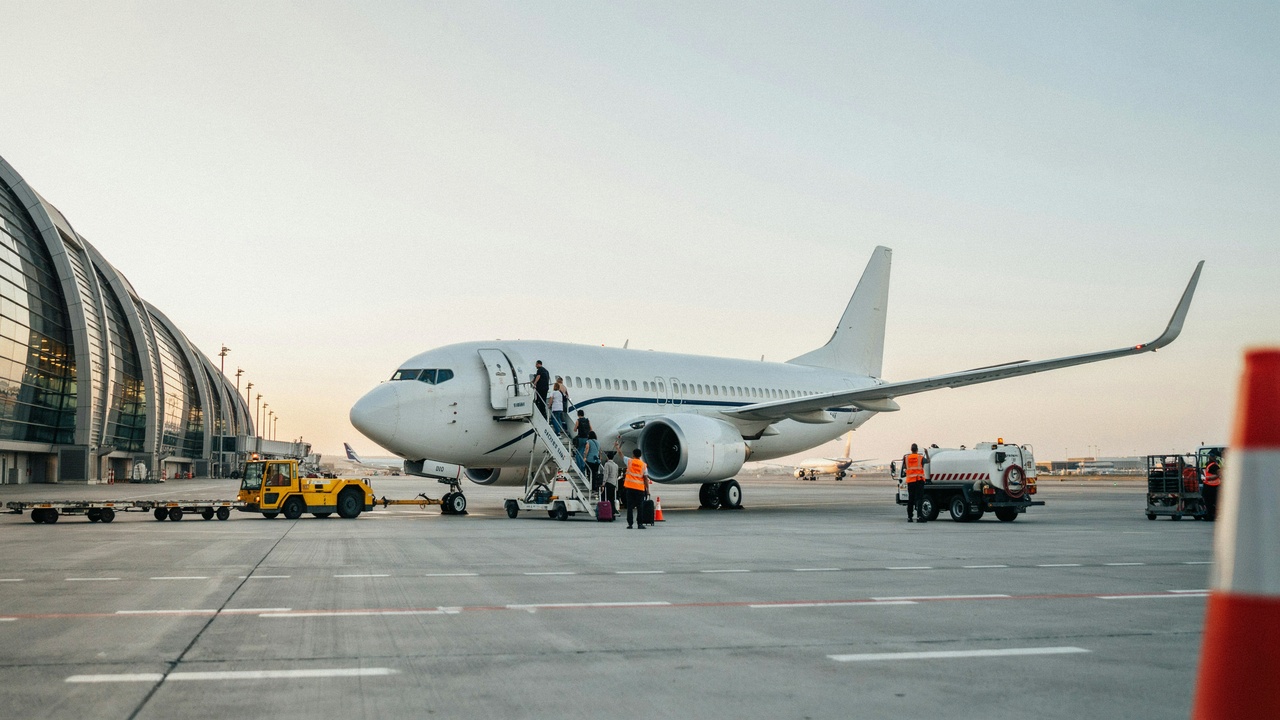
Turkish Airlines has made a move in its aviation expansion plan. The order for Boeing 737 MAX aircraft is a step forward. This deal marks a milestone for Türkiye’s aviation growth. The flag carrier is strengthening its short and medium-haul network with one of its aircraft commitments yet.
The airline has finalised an agreement with Boeing. It includes up to 150 Boeing 737 MAX planes. Out of these 100 are orders for the 737-8 model. There are also options, for 50 aircraft. This large fleet investment will help Turkish Airlines grow.
Advertisement
Advertisement
The investment is expected to support the growing Istanbul hub. It will improve efficiency and enhance connectivity. This includes both routes and international markets. The agreement shows Türkiye’s ambition. It reflects the country’s goal to remain a global aviation hub.
Turkish Airlines Strengthens Global Aviation Position With Largest Boeing Single Aisle Aircraft Order
Turkish Airlines has entered a new phase of fleet expansion after confirming a major agreement with Boeing for up to 150 Boeing 737 MAX aircraft, representing the carrier’s largest Boeing single-aisle aircraft order to date. The deal includes a firm commitment for 100 Boeing 737-8 aircraft and options for an additional 50 Boeing 737 MAX jets, alongside flexibility to switch part of the order to the larger Boeing 737-10 variant.
Advertisement
Advertisement
The agreement supports Turkish Airlines’ long-term growth strategy by adding modern narrow-body aircraft designed for high-frequency domestic, regional and international operations. The investment comes as the airline continues expanding its network from Istanbul Airport, one of the world’s most strategically positioned aviation hubs connecting Europe, Asia, Africa and the Middle East.
The new aircraft will strengthen the airline’s ability to respond to rising passenger demand while improving fleet efficiency. Boeing states that the 737 MAX family offers improved fuel efficiency compared with previous-generation aircraft, helping airlines reduce operating costs and emissions.
Advertisement
Advertisement
Turkish Airlines Boeing 737 MAX Order Becomes Historic Fleet Expansion Move
The Turkish Airlines Boeing 737 MAX order represents a significant step in the airline’s ambitious fleet renewal programme. The carrier has been increasing aircraft capacity to support international growth, improve route flexibility and strengthen Istanbul’s role as a global aviation gateway.
According to Boeing, Turkish Airlines currently operates more than 200 Boeing aircraft across its fleet, including the 737 MAX, 737 Next Generation, 787 Dreamliners, 777 and 777 Freighter aircraft. The new agreement further deepens the long-standing relationship between the airline and Boeing while supporting Türkiye’s aviation manufacturing ecosystem.
The order follows Turkish Airlines’ earlier commitment to expand its long-haul fleet with Boeing 787 Dreamliners aircraft. Together, the narrow-body and wide-body investments form part of a broader strategy to increase capacity across multiple markets.
The Boeing 737 MAX aircraft family is designed for short and medium-distance routes, making it particularly suitable for Turkish Airlines’ extensive regional network. The aircraft can support operations across Europe, Central Asia, North Africa and the Middle East, where the airline has developed a strong market presence.
New Boeing Aircraft to Support Istanbul Hub Growth
Istanbul Airport Remains Central to Turkish Airlines Expansion
The growth of Turkish Airlines is closely connected with the development of Istanbul as an international aviation centre. Istanbul Airport provides the airline with a geographical advantage, allowing efficient connections between multiple continents.
The Boeing 737 MAX fleet expansion will provide additional capacity for routes operating through Istanbul while supporting connections between Türkiye and major global markets.
Advertisement
Advertisement
For airlines operating large international networks, narrow-body aircraft play a critical role. They provide flexibility for adjusting schedules, increasing frequencies and serving destinations where passenger demand changes throughout the year.
Turkish Airlines has built one of the world’s most extensive route networks, and the addition of more fuel-efficient aircraft allows the carrier to strengthen frequency and connectivity without relying only on larger aircraft.
The airline’s fleet strategy combines narrow-body aircraft for regional growth with wide-body aircraft for long-distance international operations. This approach allows Turkish Airlines to match aircraft size with route demand while maintaining operational efficiency.
Boeing 737 MAX Aircraft Designed for Efficiency and Network Flexibility
The latest aircraft agreement reflects the increasing importance of fuel-efficient aircraft within global aviation. Airlines worldwide are investing in newer aircraft types to reduce operating expenses and improve environmental performance.
The Boeing 737 MAX aircraft incorporates advanced engines and aerodynamic improvements designed to deliver better efficiency compared with older aircraft generations. Boeing has highlighted reduced fuel consumption and emissions as key features of the aircraft family.
For Turkish Airlines, these improvements are expected to provide operational benefits across short and medium-haul routes.
Advertisement
Advertisement
The aircraft’s range capability also provides flexibility for expanding services beyond Türkiye. Routes linking Istanbul with European cities, Middle Eastern destinations and neighbouring regions can benefit from aircraft designed for frequent operations.
The option to substitute some aircraft with the larger Boeing 737-10 variant provides additional flexibility. The larger aircraft can accommodate more passengers, allowing Turkish Airlines to adjust capacity on routes experiencing stronger demand.
Fleet Modernisation Supports Türkiye Aviation Growth
Türkiye has invested heavily in strengthening its aviation infrastructure, with Istanbul Airport becoming a major contributor to international connectivity.
The Turkish Airlines Boeing 737 MAX order aligns with the country’s broader aviation development goals by supporting airline growth, aircraft modernisation and aviation-related economic activity.
Aircraft purchases generate wider economic effects beyond airline operations. They support maintenance services, aviation training, airport operations and supply chain activities.
Boeing confirmed that the agreement includes industrial participation supporting Türkiye’s aviation ecosystem. This reflects the growing importance of aerospace cooperation between aircraft manufacturers and national aviation industries.
Advertisement
Advertisement
The expansion of Turkish Airlines also supports tourism development by improving access to Türkiye’s destinations. Additional aircraft capacity can help increase travel opportunities for international visitors while strengthening connections between Türkiye and global markets.
Growing Passenger Demand Drives Airline Capacity Investment
Global aviation demand has continued to encourage airlines to expand fleets and improve efficiency. Carriers are increasingly focused on balancing capacity growth with operational reliability and cost management.
Turkish Airlines’ fleet expansion reflects this industry trend. By investing in newer aircraft, the airline aims to maintain competitiveness while supporting future passenger growth.
The Boeing 737 MAX order provides the airline with additional aircraft capacity for markets where demand continues to develop.
Short-haul and medium-haul flights remain essential to global airline networks because they connect passengers to major hubs and enable international journeys.
For Turkish Airlines, Istanbul serves as the central point of this network strategy. More efficient aircraft allow the carrier to increase connectivity while maintaining flexibility across different markets.
Advertisement
Advertisement
The agreement also strengthens Boeing’s relationship with one of the world’s major international airlines. The order demonstrates continued demand for modern single-aisle aircraft among global carriers seeking expansion opportunities.
Aviation Industry Impact of Turkish Airlines Fleet Expansion
The Turkish Airlines Boeing 737 MAX order arrives at a time when global airlines are prioritising fleet renewal, fuel efficiency and capacity growth. The aviation industry has experienced strong demand for newer-generation aircraft as carriers seek to replace ageing fleets and prepare for future passenger growth.
Single-aisle aircraft remain one of the most important segments in commercial aviation because they support the majority of regional and medium-distance routes worldwide. The Boeing 737 MAX family has become a key aircraft type for airlines seeking operational flexibility and lower fuel consumption.
For Boeing, the Turkish Airlines agreement strengthens its position in the competitive narrow-body aircraft market. Large fleet commitments from major international carriers provide stability for aircraft manufacturers while supporting production planning and supply chain development.
The agreement also highlights the importance of long-term partnerships between airlines and aircraft manufacturers. Fleet decisions typically influence airline operations for decades, affecting route planning, maintenance requirements, pilot training and passenger experience.
Turkish Airlines’ decision to expand its Boeing 737 MAX fleet demonstrates confidence in the aircraft type’s role within its future network strategy.
Advertisement
Advertisement
Strengthening International Connectivity Through Istanbul
Türkiye’s Aviation Hub Strategy Continues
The expansion of Turkish Airlines supports Istanbul’s position as a major international transfer hub. Located between Europe and Asia, Istanbul provides the airline with access to a large network of connecting markets.
The additional Boeing 737 MAX aircraft will help Turkish Airlines increase flexibility across routes connecting Türkiye with surrounding regions.
The airline’s network strategy has traditionally focused on using Istanbul as a bridge between continents. Passengers travelling between Europe, Africa, Asia and the Middle East can connect through Türkiye using Turkish Airlines’ extensive flight network.
A modern fleet allows airlines to offer more frequent services, improve schedule options and respond quickly to changes in travel demand.
For international travellers, increased aircraft availability can support wider travel choices and stronger connectivity between Türkiye and global destinations.
The aircraft expansion may also strengthen Türkiye’s role as a tourism gateway. Improved air connectivity is an important factor in attracting international visitors because travellers often consider flight availability when selecting destinations.
Advertisement
Advertisement
Tourism Benefits From Greater Air Capacity
Tourism remains a major part of Türkiye’s economy, with international visitors travelling to destinations including Istanbul, Antalya, Cappadocia, İzmir and coastal regions.
The Turkish Airlines Boeing 737 MAX order has significance beyond aviation because additional aircraft capacity can support easier access to Türkiye’s tourism destinations.
Regional aircraft capacity is particularly important because many international visitors connect through major hubs before reaching secondary destinations.
More efficient aircraft operations can allow airlines to maintain competitive fares, increase route options and provide stronger links between tourism markets.
Turkish Airlines serves numerous international destinations, making its fleet development closely connected with global tourism flows.
The airline’s expansion supports the broader travel ecosystem, including hotels, airports, tour operators, hospitality businesses and local tourism providers.
Advertisement
Advertisement
As Türkiye continues promoting tourism growth, aviation capacity remains a key component of destination accessibility.
Economic Implications of the Boeing 737 MAX Agreement
Large aircraft investments create economic activity across multiple sectors. The Boeing 737 MAX fleet expansion involves not only aircraft deliveries but also requirements for aviation professionals, technical services and operational support.
The aviation sector contributes through employment, airport activity, engineering services, training programmes and tourism-related spending.
Aircraft acquisitions also require long-term investment in maintenance systems, spare parts management and workforce development.
For Türkiye, the agreement reflects the continued development of its aviation sector and its ambition to remain competitive in international air transport.
The partnership between Turkish Airlines and Boeing also supports industrial cooperation. Aircraft manufacturing involves complex global supply chains that include thousands of components and specialised services.
Advertisement
Advertisement
These partnerships create opportunities for aviation-related businesses and technical industries connected with commercial aircraft operations.
Passenger Experience and Future Fleet Development
Modern aircraft investment is also closely linked with passenger expectations. Travellers increasingly seek reliable schedules, comfortable cabins, improved connectivity and efficient services.
The Boeing 737 MAX aircraft features updated cabin designs, improved passenger comfort features and operational improvements compared with older aircraft generations.
For Turkish Airlines passengers, the fleet expansion is expected to support continued improvements across regional and medium-distance services.
Fleet modernisation allows airlines to introduce newer aircraft into their networks while gradually reducing reliance on older models.
This approach helps airlines maintain consistent service standards while improving operational performance.
Advertisement
Advertisement
The new aircraft will complement Turkish Airlines’ existing fleet strategy, which includes narrow-body aircraft for regional routes and wide-body aircraft for long-haul international operations.
Future Outlook for Turkish Airlines and Global Aviation Growth
The agreement for up to 150 Boeing 737 MAX aircraft represents a long-term commitment rather than a short-term capacity adjustment.
Aircraft deliveries typically take place over several years, allowing airlines to align fleet growth with market demand, airport capacity and operational requirements.
For Turkish Airlines, the investment provides additional flexibility as the airline continues developing its global network.
The aviation industry is expected to remain focused on efficiency, sustainability and connectivity. Airlines will continue evaluating new aircraft technologies, operational improvements and network expansion opportunities.
The Turkish Airlines Boeing 737 MAX order reflects these wider industry priorities by combining fleet growth with modern aircraft technology.
Advertisement
Advertisement
Türkiye’s aviation ambitions are closely connected with the development of Istanbul as a global transport hub. As international travel continues evolving, fleet investments will remain essential for airlines seeking sustainable growth.
The agreement between Turkish Airlines and Boeing therefore represents a significant development in commercial aviation, strengthening the airline’s future capacity while supporting broader connectivity between Türkiye and international markets.
Conclusion
The Turkish Airlines Boeing 737 MAX order is a move in the airlines plan to update its planes and expand its reach around the world. They plan to get up to 150 planes. This helps Turkish Airlines better meet the rising need for travel in areas and other countries. The money spent helps Istanbul stay a place for planes and helps Türkiyes tourism and economy grow. New planes will make things run better allow choices in routes and give travelers more options. As more planes are in the air over the world this growth helps Turkish Airlines keep getting bigger with new planes and better links, to other places.
Advertisement
