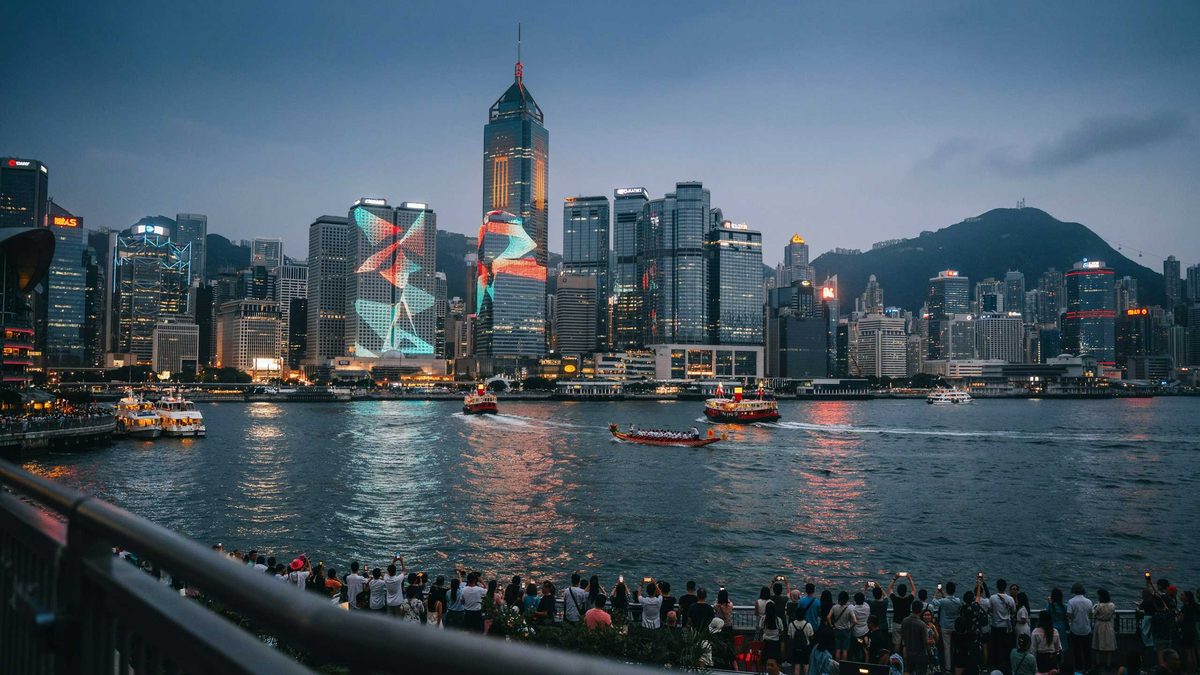
Image generated with Ai
Hong Kong, China will soon usher in a new era of tourism between 2026-2027 with respect to its plans to become the most experience-driven destination in Asia owing to the year-round events calendar. In addition to the more than a dozen events including cultural, sporting, food and beverages and entertainment events on the visitors’ calendar, Hong Kong is determined to attract visitors who are seeking participation and not only observation. This might be overlooked by many people: what makes Hong Kong a destination is not only the view of the skyline but the fact that every season offers visitors a good reason to visit.
A great transformation is taking place in the world of tourism. Tourists are gradually shifting their attention from classic holiday periods revolving around iconic monuments and places and turning towards destinations where there is a good reason to have unforgettable experiences.
Hong Kong is well on track with the new travel economy.
What the destination’s strategy is based on is a solid idea that every destination does not only need attractions but good reasons for visitors to come at certain periods of time.
Advertisement
Advertisement
The biggest transformation in global tourism is the move from place-based travel to experience-based travel.
Previously, travellers often selected destinations because of iconic attractions. Today, they increasingly choose cities because of what they can do there.
A visitor may travel thousands of kilometres not only to see Victoria Harbour but to experience a festival atmosphere, attend an international sporting event, explore local traditions or join a city-wide celebration.
Hong Kong’s events strategy directly responds to this demand.
Advertisement
Advertisement
The city’s 2026–2027 calendar includes major experiences such as the Mid-Autumn Festival celebrations, Tai Hang Fire Dragon Dance, Hong Kong Cyclothon, Wine & Dine Festival, WinterFest, Lunar New Year celebrations, arts programmes, rugby events and Dragon Boat Festival activities.
These events represent more than entertainment.
They create economic opportunities across hotels, restaurants, transport providers, retailers and local businesses.
A festival visitor does not simply attend an event. They book accommodation, dine locally, shop, explore neighbourhoods and extend their stay.
This creates a wider tourism impact compared with traditional sightseeing models.
| Traditional Destination Approach | Hong Kong’s Event-Led Tourism Approach |
|---|---|
| Visitors travel mainly to see landmarks | Visitors travel to participate in experiences |
| Attractions drive demand | Events create new travel reasons |
| Tourism concentrated in peak seasons | Demand distributed throughout the year |
| Short sightseeing visits | Longer experience-focused stays |
| Limited local interaction | Greater cultural engagement |
| One-time visitors | Repeat travellers seeking new events |
The difference is strategic.
Hong Kong is not only selling a destination. It is selling a calendar of experiences.
For decades, Hong Kong has been internationally recognised for its skyscrapers, financial influence, shopping districts and culinary reputation.
However, the deeper tourism opportunity lies in its cultural contrast.
Few cities combine ancient traditions with modern infrastructure so closely.
A traveller can watch a centuries-old dragon dance, attend an international sports event, enjoy Michelin-starred dining and explore contemporary art spaces within the same short trip.
This combination is becoming one of Hong Kong’s strongest tourism assets.
The Mid-Autumn Festival demonstrates this balance.
The Tai Hang Fire Dragon Dance, featuring a dragon created with thousands of incense sticks and involving hundreds of performers, represents a living cultural tradition while attracting international attention.
At the same time, modern events such as cycling festivals, rugby tournaments and food showcases create a completely different type of visitor engagement.
This mixture is what separates Hong Kong from destinations that rely only on heritage or only on modern entertainment.
The city’s advantage is its ability to connect both.
The importance of Hong Kong’s event strategy can be measured through its scale.
The city’s official event calendar features activities across multiple categories, including arts and culture, sports, food, entertainment and business events.
A visitor arriving in Hong Kong during autumn may experience:
A winter visitor may encounter:
A spring traveller may discover:
This year-round structure reduces dependence on a single tourism season.
It also strengthens Hong Kong’s position among global cities competing for international travellers.
Large-scale events create a multiplier effect across the tourism economy.
Hotels benefit from increased occupancy. Restaurants gain additional customers. Retailers experience higher spending. Transport networks receive greater usage.
Hong Kong’s infrastructure is designed to support this model.
The city has expanded its event capabilities through venues, connectivity improvements and hospitality development. Hong Kong Tourism Board highlights the city’s extensive hotel capacity, event facilities and international connectivity as key strengths for hosting major events.
The opening and development of major venues, including Kai Tak Sports Park, is also strengthening Hong Kong’s ability to host large international sporting and entertainment events.
This matters because modern tourism competition is no longer only about attracting visitors.
It is about creating reasons for visitors to spend more time and money once they arrive.
One of Hong Kong’s biggest advantages is convenience.
For international travellers, especially those looking for short urban breaks, the city offers a rare combination:
A traveller can experience urban energy in Central, heritage streets in older districts, hiking trails, island escapes and cultural events without long internal journeys.
This creates a powerful proposition for weekend travellers and stopover visitors.
Instead of being a destination requiring weeks of exploration, Hong Kong can deliver a high-value experience within several days.
That fits perfectly with changing travel behaviour.
Modern travellers increasingly want meaningful but efficient trips.
Hong Kong’s event calendar provides exactly that.
| Destination | Major Tourism Strength | Challenge | Hong Kong’s Opportunity |
|---|---|---|---|
| Tokyo | Technology, culture, entertainment | Larger geographic spread | Easier short-break experiences |
| Singapore | Business, attractions, events | Limited traditional heritage depth | Stronger cultural diversity |
| Bangkok | Food, nightlife, affordability | Seasonal tourism pressure | Premium event positioning |
| Seoul | Pop culture, innovation | Competition from global trends | East-meets-West cultural identity |
| Hong Kong | Festivals, events, finance, food and heritage | Need to refresh global perception | Experience-led tourism growth |
Hong Kong’s opportunity lies in differentiation.
It does not need to become another Tokyo, Singapore or Seoul.
Its strength is its unique combination of Chinese heritage and international urban identity.
The next generation of tourism will be shaped by destinations that create emotional connections.
Travellers remember experiences more than buildings.
They remember joining celebrations, tasting local cuisine, meeting communities and becoming part of a story.
Hong Kong understands this shift.
Its tourism strategy shows that festivals are no longer simply cultural events. They are economic engines, marketing tools and powerful reasons for global travellers to choose one city over another.
What others may see as a collection of festivals is actually a carefully connected tourism strategy.
The city is turning traditions into global experiences and events into travel motivations.
Examining the travel industry as a whole, there is much more value that Hong Kong can deliver to the traveler than simply attracting more of them.
Studies show now more than ever that people traveling for experience are the ones who spend money in hotels, restaurants, attractions, and entertainments.
The cities that will succeed in the next ten years will be the cities capable of offering enough emotions so that people return for them.
Development of the events economy for all the year round in Hong Kong is such an approach.
Hong Kong is not a transit city anymore; it is a destination for travelers to build their travel route around.
For international travelers in search of something extraordinary, interesting, and authentic in one place, the message from Hong Kong is clear:
Maybe the best travel experience in Asia is not going to be found asking “what to see” but rather “how to become a part of.”
And while building the travel route to Asia, Hong Kong offers another good reason to go there and return.
Advertisement
Advertisement
Advertisement












Wednesday, September 2, 2026

Wednesday, September 2, 2026

Wednesday, September 2, 2026
Wednesday, September 2, 2026

Wednesday, September 2, 2026
Tuesday, September 1, 2026

Wednesday, September 2, 2026

Wednesday, September 2, 2026