
Yucatán Teams Up With Chichén Itzá and More Unveil Extraordinary Maya Heritage, Cuisine and Natural Wonders for Global Travellers

Published
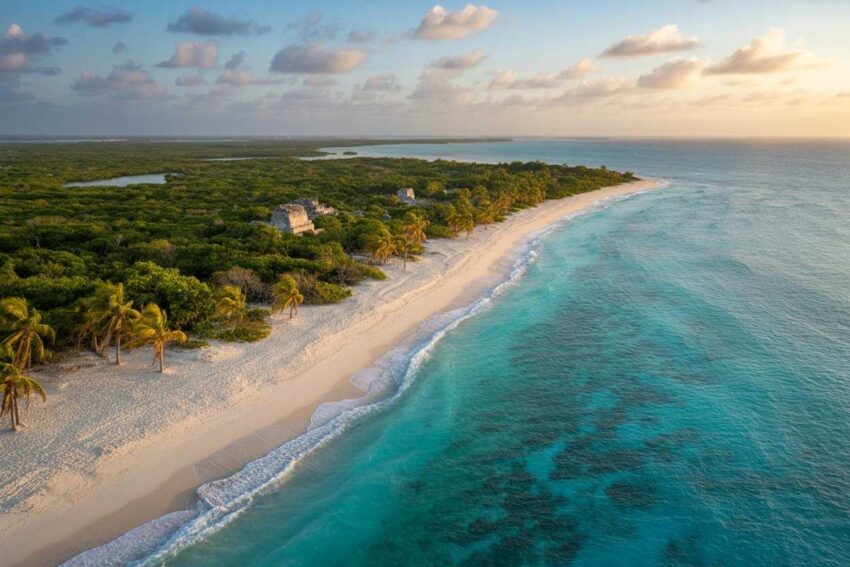
Image generated with Ai
Yucatán teams up with Chichén Itzá and more to spotlight extraordinary Maya heritage, distinctive cuisine and spectacular natural wonders for global travellers. Together, Yucatán and Chichén Itzá reveal a journey filled with ancient stories, regional flavours and unforgettable landscapes. Moreover, these extraordinary Maya heritage experiences connect travellers with culture, while cuisine adds another compelling reason to explore. Meanwhile, cenotes, coastal reserves and historic destinations showcase Yucatán’s natural wonders. For global travellers seeking meaningful adventures, this combination offers diverse ways to discover Mexico. Travel And Tour World urges readers to explore the entire story and uncover how Yucatán, Chichén Itzá and more create extraordinary travel experiences.
Yucatán Tourism in Depth: Visitor Statistics, Cultural Routes, Nature Experiences and a Detailed Travel Planning Guide
Yucatán can be explored through several connected travel themes, including Maya archaeological heritage, traditional cuisine, cenotes, colonial cities, coastal wetlands and community-based tourism. For a detailed extension to the original news article, the most useful approach is to examine how visitors can combine these experiences, what the available tourism statistics reveal, and how travellers can organise a multi-day itinerary.
Advertisement
Advertisement
One important distinction: Yucatán is a state in Mexico, not the entire Yucatán Peninsula. Visitor statistics for the state, the peninsula and Mexico as a whole measure different populations. They should not be combined as if they represented the same destination.
Yucatán Tourism Statistics: The Latest Available Evidence
The state’s official tourism observatory and government publications provide several useful indicators: overnight visitor arrivals, hotel occupancy, accommodation capacity, tourism expenditure and attendance at individual attractions. These indicators help travellers understand the destination’s tourism infrastructure and help editors build a fact-based extension.
Advertisement
Advertisement
Table 1. Yucatán tourism indicators
| Indicator | Latest reported figure | Period | What it measures |
|---|---|---|---|
| Visitors to Cultur-managed sites | More than 3 million | 2025, reported in December | Attendance across attractions managed by the state’s Cultur agency |
| Estimated tourism expenditure | MXN 13,728.02 million | Reported December 2025 | Government-reported estimate of tourism-related expenditure |
| Chichén Itzá attendance | Almost 2 million | January–November 2025 | Visits to the major archaeological site |
| Uxmal attendance | 269,972 | January–November 2025 | Recorded entries |
| Ek Balam attendance | 110,722 | January–November 2025 | Recorded entries |
| Ría Celestún Biosphere Reserve | 40,909 | January–November 2025 | Recorded visits |
| El Corchito Ecological Reserve | 85,722 | January–November 2025 | Recorded visits |
| Meteorite Museum, Progreso | 65,573 | January–November 2025 | Recorded visits |
| Valladolid Zací Handicraft Market | 128,915 | January–November 2025 | Recorded attendance |
| Pasaje Picheta, Mérida | 274,573 | January–November 2025 | Recorded attendance |
Source: Government of Yucatán, December 16, 2025. Attraction figures cover January–November, not the full calendar year. Attendance across attractions may include repeat visitors and should not be added together to calculate unique tourists.
What these figures mean for travellers
Chichén Itzá recorded considerably more visits than the other individual attractions in the table. Uxmal and Ek Balam provide additional archaeological options, while Celestún and El Corchito serve travellers interested in natural landscapes.
Advertisement
Advertisement
The data also show why Yucatán itineraries should not be limited to archaeological sites. Markets, museums, ecological reserves and cultural venues contribute to the wider visitor experience. Travellers can distribute their time across these attractions instead of concentrating every excursion around Chichén Itzá.
Five-Year Tourism Performance: 2021–2025
A five-year comparison can help explain how the destination’s tourism economy has developed. However, the available indicators must be compared carefully because economic expenditure, hotel arrivals and attraction attendance measure different activities.
Advertisement
Advertisement
Table 2. Estimated expenditure by overnight visitors
| Year | Estimated expenditure | Year-on-year change |
|---|---|---|
| 2021 | MXN 5,558 million* | Baseline |
| 2022 | MXN 9,537 million | +71.6% |
| 2023 | MXN 12,870 million | +35.0% |
| 2024 | MXN 14,034 million | +9.0% |
| 2025 | MXN 19,022 million | +35.5% |
Source: Observatorio Turístico de Yucatán. The 2021 figure is the sum of four reported quarterly estimates. Annual values are nominal pesos and are not adjusted for inflation. Year-on-year percentages are calculated from the published figures.
Reading the five-year trend
The expenditure series shows an increase from approximately MXN 5.56 billion in 2021 to MXN 19.02 billion in 2025. That is an increase of about 242% in nominal terms across the period. The calculation does not mean that visitor numbers grew at the same rate, because spending can change with prices, length of stay, accommodation choices and the types of activities purchased.
The annual pattern was not uniform. The largest year-on-year percentage increase in this series occurred in 2022, followed by further growth in 2023. Growth was more moderate in 2024 before the reported figure increased again in 2025.
For travel planning, the implication is not that every attraction is busier every year. Instead, travellers should check accommodation prices, seasonal availability and attraction conditions for their actual dates.
Advertisement
Advertisement
Table 3. Hotel occupancy in Yucatán, 2025
| Month | Hotel occupancy |
|---|---|
| January | 51.86% |
| February | 60.98% |
| March | 57.79% |
| April | 54.90% |
| May | 48.40% |
| June | 50.79% |
| July | 54.97% |
| August | 54.15% |
| September | 49.67% |
| October | 51.75% |
Source: Observatorio Turístico de Yucatán, using DataTur hotel-monitoring data. The figures are monthly, not annual averages. November and December are omitted because they were not included in the cited data extract.
February had the highest occupancy among the ten months shown, while May had the lowest. Travellers can use these figures as historical context, but they should not treat them as a forecast of room availability or prices for a future visit.
Overnight Visitors: What the Data Can and Cannot Tell Us
Overnight visitor arrivals are especially useful for understanding tourism because they record visitors who spend at least one night in registered accommodation. They are different from day-trip visitors, cruise passengers and total entries to individual attractions.
Table 4. Overnight visitor arrivals in Yucatán, January–July 2026
| Month | Domestic visitors | International visitors | Total |
|---|---|---|---|
| January | 180,421 | 58,471 | 238,892 |
| February | 164,140 | 53,201 | 217,341 |
| March | 175,872 | 53,815 | 229,687 |
| April | 162,756 | 44,318 | 207,074 |
| May | 161,690 | 42,381 | 204,071 |
| June | 144,198 | 33,801 | 177,999 |
| July | 198,742 | 44,258 | 243,000 |
| Total | 1,187,819 | 330,245 | 1,518,064 |
Source: Observatorio Turístico de Yucatán, DataTur. January–July 2026 is a partial-year total and should not be compared directly with a full calendar year.
Domestic visitors accounted for approximately 78.2% of these recorded overnight arrivals, with international visitors representing approximately 21.8%. July recorded the highest monthly total in this seven-month series, while June recorded the lowest.
These figures support an important editorial distinction: Yucatán attracts both Mexican residents and international travellers. The destination’s visitor economy is not dependent exclusively on overseas tourism.
Advertisement
Advertisement
Table 5. Hotel accommodation capacity
| Month | Registered rooms |
|---|---|
| January 2025 | 17,109 |
| March 2025 | 17,141 |
| June 2025 | 17,389 |
| September 2025 | 17,440 |
| December 2025 | 17,599 |
| January 2026 | 17,611 |
| April 2026 | 17,499 |
| July 2026 | 17,693 |
Source: Yucatán Tourism Observatory, InvenTur accommodation directory. Registered rooms do not necessarily equal rooms available for booking on a particular date.
The registered room count increased between January 2025 and July 2026. However, room capacity alone does not establish whether a destination is affordable or whether accommodation is available for a particular itinerary. Travellers should compare properties in Mérida, Valladolid and coastal locations according to their planned route.
Six Major Attractions and Experiences to Include in a Yucatán Travel Guide
The following six experiences illustrate how travellers can combine archaeology, urban culture, nature and regional food. Attendance figures for the first five entries are based on the state government’s January–November 2025 reporting.
1. Chichén Itzá: Archaeology and Maya Heritage
Chichén Itzá recorded almost 2 million visits between January and November 2025, making it the leading archaeological attraction among those listed in the state government’s report. The UNESCO World Heritage site features monumental Maya architecture, including El Castillo. Visitors should arrive early, allow several hours for the grounds and follow site conservation rules.
2. Uxmal: Architecture and History
Uxmal registered 269,972 entries during January–November 2025. Its monumental structures and distinctive Puuc architectural style make it an important complement to Chichén Itzá. Travellers can combine the archaeological visit with nearby attractions along the Puuc route, allowing more time to explore western and southern parts of the state.
3. Ek Balam: A Second Archaeological Excursion
Ek Balam recorded 110,722 visitors over the same eleven-month period. Its archaeological structures offer another perspective on the region’s Maya history. It can fit into a trip based in Valladolid, especially for travellers who want to explore eastern Yucatán rather than making every excursion from Mérida. Check current site access before travelling.
Advertisement
Advertisement
4. Ría Celestún Biosphere Reserve: Wetlands and Wildlife
The reserve recorded 40,909 visits between January and November 2025. Its wetlands offer a different experience from inland archaeological sites. Travellers can investigate authorised boat trips and birdwatching excursions, following local wildlife-protection rules. Seasonal wildlife sightings can vary, so a particular species should never be guaranteed.
5. El Corchito Ecological Reserve: Mangroves and Nature
El Corchito received 85,722 visits in January–November 2025. It can be considered for an excursion around Progreso, particularly for travellers interested in combining a coastal visit with nature. Confirm operating arrangements, access conditions and any visitor restrictions before departure.
6. Mérida: Food, Markets and Urban Culture
Mérida is a practical base for travellers interested in regional food, museums, historic streets and day trips. The city can connect archaeological and natural attractions into a single itinerary. Travellers should allow time for meals, markets and cultural activities instead of using the city only as an overnight stop.
Table 6. Attraction comparison for itinerary planning
| Attraction | Reported attendance | Main travel interest | Suggested planning approach |
|---|---|---|---|
| Chichén Itzá | Almost 2 million | Maya archaeology | Allow several hours; start early |
| Uxmal | 269,972 | Archaeology and architecture | Combine with the Puuc region |
| Ek Balam | 110,722 | Archaeology | Pair with Valladolid |
| Ría Celestún | 40,909 | Wetlands and wildlife | Check authorised tours |
| El Corchito | 85,722 | Mangroves and nature | Combine with Progreso |
| Mérida | Not included in this comparison | Food and urban culture | Use as a multi-night base |
Attendance for the first five attractions covers January–November 2025. Mérida is included as an itinerary base, not as an attendance-ranked attraction.
Six Comparable Travel Experiences to Feature Instead of Cruise Lines
The original news concerns destination promotion and the presentation of Yucatán’s cultural, culinary and natural attractions to the US travel trade. It does not report a cruise-line announcement. Naming six cruise lines as though they were participating in the same initiative would therefore be misleading.
For an article extension that remains relevant to the original story, these six experience categories offer a more useful comparison.
Advertisement
Advertisement
1. Archaeological and Heritage Tourism
Yucatán’s archaeological circuit connects destinations such as Chichén Itzá, Uxmal and Ek Balam. Each provides a different opportunity to understand Maya history and architecture. Travellers should compare opening arrangements, journey times and available interpretation before deciding how many sites to include. A two- or three-site itinerary offers a broader historical perspective than a single excursion.
2. Culinary Tourism
Regional cuisine can become a central part of the journey rather than an incidental activity. Mérida is a convenient base for exploring local dishes, markets and restaurants. Travellers can seek out traditional preparations and food experiences that explain regional ingredients and culinary customs. When booking a cooking demonstration or food tour, check what is included and whether the experience is hosted by a local operator.
3. Cenote and Freshwater Experiences
Cenotes are a distinctive feature of the region’s landscape. Visitors can investigate swimming, guided nature outings and other permitted activities. Conditions and facilities differ between sites, so travellers should check water access, safety arrangements and environmental rules. Choose established visitor facilities and avoid leaving waste or using products prohibited by the operator.
4. Wildlife and Protected Landscapes
Ría Celestún and other protected natural areas appeal to visitors who want a break from urban sightseeing. Activities may include guided boat trips and birdwatching. Travellers should use authorised operators, follow instructions from local guides and maintain a respectful distance from wildlife. Sightings depend on season, weather and local conditions.
5. Historic Towns and Craft Traditions
Valladolid and Izamal can provide a slower-paced alternative to a schedule dominated by major archaeological sites. Travellers can explore historic streets, local markets and crafts while learning about regional traditions. Buying directly from artisans where possible can help visitors connect their spending with local businesses. Opening times and the availability of demonstrations may vary.
6. Coastal Excursions
Progreso and the Gulf coast provide options for travellers who want to include seaside activities in a heritage-focused holiday. Coastal stops can be combined with museums, nature reserves and local dining. Before booking water-based activities, check weather conditions, safety provisions, transport arrangements and cancellation terms.
Advertisement
Advertisement
A Detailed Seven-Day Yucatán Travel Plan
This itinerary is designed for international visitors who want to combine the destination’s main cultural and natural attractions without changing hotels every night. The travel sequence is a suggested plan, not a published tour schedule. Actual driving times depend on traffic, weather, road conditions and accommodation location.
Table 7. Seven-day itinerary at a glance
| Day | Base | Main activities | Suggested overnight |
|---|---|---|---|
| 1 | Mérida | Arrival, historic centre and regional dinner | Mérida |
| 2 | Mérida | Markets, museums and culinary experiences | Mérida |
| 3 | Mérida | Uxmal and the surrounding heritage region | Mérida |
| 4 | Mérida | Celestún wetlands and wildlife excursion | Mérida |
| 5 | Valladolid | Izamal en route, then Valladolid | Valladolid |
| 6 | Valladolid | Chichén Itzá and a cenote visit | Valladolid |
| 7 | Valladolid or departure city | Ek Balam or a relaxed town visit; onward transfer | Depends on departure |
Day 1: Arrive in Mérida
Arrive at your accommodation and leave enough time to recover from international travel. Explore the historic centre at a comfortable pace. Choose a local restaurant for your first introduction to regional cuisine.
Avoid scheduling a long archaeological excursion immediately after a flight. Confirm airport transfers and hotel check-in arrangements beforehand.
Day 2: Discover Mérida’s Food and Cultural Life
Spend the day exploring markets, museums and historic streets. Consider a guided walking tour or a food-focused activity with a local provider.
Keep the afternoon flexible for a museum visit or additional neighbourhood exploration. Book special tours ahead of time when required.
Day 3: Visit Uxmal
Dedicate most of the day to Uxmal and its archaeological surroundings. Start early to avoid the strongest midday heat, carry water and wear suitable footwear.
Advertisement
Advertisement
Check the official site’s opening hours, entry arrangements and any restrictions before departure. Return to Mérida for the evening.
Day 4: Explore Celestún
Plan a full-day excursion to Celestún. Investigate authorised boat trips and guided wildlife experiences before travelling.
Weather and wildlife conditions can affect the experience. Ask the operator about trip duration, safety provisions, environmental rules and return transport.
Day 5: Travel Towards Valladolid
Leave Mérida with time for a stop in Izamal. Explore the town and allow time for lunch before continuing to Valladolid.
Check the route and transport schedule in advance. Staying overnight in Valladolid makes the following day’s eastern Yucatán excursions easier to organise.
Day 6: Chichén Itzá and a Cenote
Visit Chichén Itzá early, allowing several hours to explore the archaeological site. Follow visitor rules and use authorised guides if you want additional historical interpretation.
Advertisement
Advertisement
Afterwards, visit a cenote with established facilities, provided opening times and transport arrangements allow. Confirm swimming rules and bring a change of clothes.
Day 7: Ek Balam or a Relaxed Departure
Travellers with a later departure may visit Ek Balam or spend the morning exploring Valladolid. Those catching an earlier flight should prioritise the airport transfer instead.
Do not assume that a same-day archaeological visit will fit comfortably before an international flight. Build in a generous transfer buffer.
Practical Travel Information for International Visitors
Table 8. What to arrange before travelling
| Planning item | Recommended action | Why it matters |
|---|---|---|
| Entry requirements | Check Mexican immigration requirements for your passport and itinerary | Rules depend on nationality and travel circumstances |
| Flights | Verify arrival and departure airports | The itinerary may require road transfers |
| Accommodation | Compare Mérida and Valladolid as bases | Reduces unnecessary backtracking |
| Archaeological tickets | Check official ticketing and entry rules | Hours, fees and arrangements can change |
| Local transport | Confirm car rental, private transfers or public transport options | Some attractions require additional road travel |
| Cenotes | Check access, swimming conditions and facilities | Sites differ in services and safety arrangements |
| Wildlife tours | Use authorised operators | Supports responsible visits to protected areas |
| Weather | Check the forecast before excursions | Rain, heat and storms can affect activities |
| Insurance | Review medical and trip-interruption coverage | Useful for unexpected travel changes |
| Local spending | Carry a suitable payment method and some Mexican pesos | Smaller businesses may have different payment options |
For official travel and destination updates, consult the Yucatán State Tourism Secretariat, the Mexican government tourism statistics portal and the National Institute of Anthropology and History.
What the National Tourism Figures Add to the Story
Yucatán’s tourism activity forms part of Mexico’s broader visitor economy, but national arrivals should not be mistaken for state-level visitor totals.
Mexico’s federal tourism ministry reported 45 million international tourists in 2024, a 7.4% increase over 2023. It also reported 86.4 million international visitors, a broader category that includes people who are not necessarily overnight tourists. International visitor expenditure reached approximately US$32.96 billion in 2024.
Advertisement
Advertisement
Table 9. Mexico-wide tourism indicators
| Indicator | 2024 figure | Comparison |
|---|---|---|
| International tourists | 45 million | 7.4% above 2023 |
| International visitors | 86.4 million | 15.5% above 2023 |
| International visitor expenditure | US$32.96 billion | 7.4% above 2023 |
| Air-arriving international tourists | 23.2 million | 1.5% above the previous year |
Source: Mexico’s federal Secretariat of Tourism, published February 11, 2025. These are national figures for Mexico, not figures for Yucatán state.
These national figures provide context for the market in which Yucatán is promoting its tourism experiences. They do not establish how many of Mexico’s international tourists visited Yucatán or how much they spent in the state.
For that reason, a publishable article should keep national and state statistics in separate tables and clearly label the periods and definitions.
Five-Year Data Limitations and Further Research
The available official sources provide a useful basis for the article, but a complete five-year annual comparison of total visitors to Yucatán requires a single, consistent series of annual state-level visitor arrivals.
The tourism observatory publishes monthly data and historical indicators, while Mexico’s federal DataTur portal provides broader tourism statistics and downloadable historical datasets. INAH separately records visits to archaeological sites. These sources should not be merged without checking definitions, coverage and reporting periods.
Table 10. Which data should be used for which claim?
| Research question | Appropriate official source | Important qualification |
|---|---|---|
| How many overnight visitors came to Yucatán? | Yucatán Tourism Observatory / DataTur | Use annual totals from the same series |
| How much tourism expenditure was estimated? | Yucatán Tourism Observatory | Check whether figures are nominal and whether the period is complete |
| How many people visited Chichén Itzá? | INAH and state government reports | Distinguish site entries from unique tourists |
| How many people visited protected natural areas? | State government and protected-area authorities | Check whether figures cover the same dates |
| How did Mexico’s international tourism perform? | Federal Secretariat of Tourism | National figures are not state figures |
| How much accommodation capacity is registered? | Yucatán Tourism Observatory / InvenTur | Registered rooms do not equal available rooms |
The INAH visitor database provides annual and monthly records for archaeological sites, including sites in Yucatán. Its data can support a separate five-year comparison for Chichén Itzá or Uxmal, provided each year’s complete figures are extracted consistently.
Advertisement
Advertisement
Conclusion: Yucatán Offers a Journey Beyond Its Famous Ruins
Yucatán’s tourism appeal extends from major archaeological landmarks to regional cuisine, historic towns, cenotes and protected wetlands. The state’s reported attraction attendance and overnight visitor indicators show why a broader itinerary can be useful for travellers and tourism writers alike.
For international visitors, Mérida and Valladolid provide practical bases for combining several parts of the state. Chichén Itzá and Uxmal offer archaeological experiences, while Celestún and El Corchito introduce visitors to natural environments. Markets, museums and regional dining help connect those excursions with local culture.
The statistics also underline the importance of using accurate comparisons. Tourism expenditure, overnight arrivals and attraction attendance describe different aspects of the visitor economy. When presented with clear dates and definitions, they give readers a more reliable picture of Yucatán as a destination for cultural discovery, food-led travel and nature-based exploration.
Advertisement
