
Brazil’s FIFA Women’s World Cup 2027 Could Become South America’s Biggest Sports Tourism Success Story Yet with More Than Eight Billion Brazilian Reals in Economic Impact, Seventy-Three Thousand Seven Hundred New Jobs and Surging International Travel Demand—Everything Global Travellers Need to Know

Published
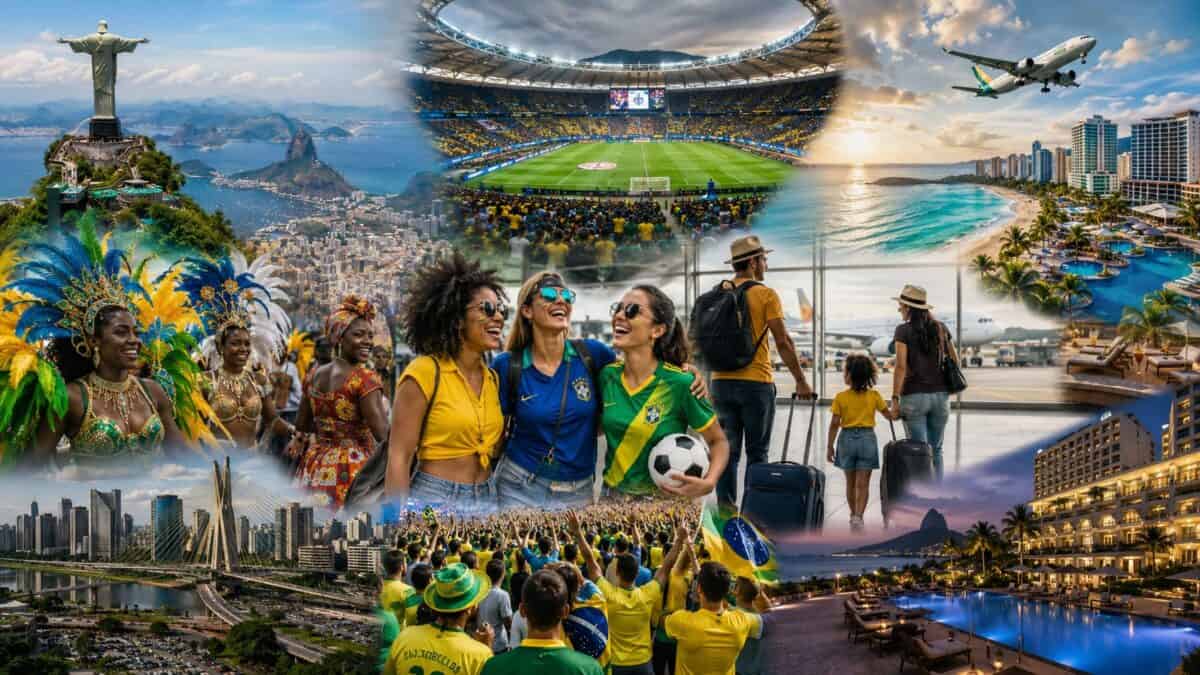
Image generated with Ai
The FIFA Women’s World Cup Brazil 2027 is shaping up to become one of the most influential sporting and tourism events ever staged in South America, with fresh economic projections indicating the tournament could inject R$8.8 billion (approximately US$1.72 billion) into Brazil’s economy while supporting the creation of 73,700 jobs across tourism, hospitality, aviation, retail, construction and event management. Scheduled between 24 June and 25 July 2027, the month-long championship will not only bring the world’s leading women’s football teams to Brazil but is also expected to trigger a substantial rise in domestic and international travel, hotel occupancy, air connectivity and visitor spending across multiple host cities. The estimates reinforce the growing importance of major sporting events as catalysts for destination marketing and sustainable tourism development.
For the global travel industry, the tournament represents far more than a football championship. Brazil will become the first South American nation ever to host the FIFA Women’s World Cup, creating a historic milestone for regional tourism while showcasing the country’s diverse destinations, cultural heritage and tourism infrastructure to millions of international visitors and television viewers. As governments, airlines, hotels and tourism businesses intensify preparations, the event is expected to generate lasting benefits that extend well beyond the final whistle, strengthening Brazil’s position as one of the world’s premier destinations for sports tourism and international events.
Advertisement
Advertisement
Brazil Positions the FIFA Women’s World Cup Brazil 2027 as a Tourism and Economic Catalyst
Brazil has long demonstrated its capability to host global sporting spectacles, including the FIFA Men’s World Cup, Olympic Games and numerous international competitions. However, the FIFA Women’s World Cup Brazil 2027 carries a distinctly different significance.
Unlike previous mega-events that primarily focused on infrastructure development, the 2027 tournament is expected to generate widespread economic activity through tourism expenditure, accommodation demand, aviation services, entertainment, retail sales and event operations.
Advertisement
Advertisement
According to an economic assessment prepared by the Fundação Getulio Vargas (FGV) for Embratur, the event could contribute R$8.8 billion to Brazil’s economy, while creating 73,700 employment opportunities, generating R$4.5 billion in household income, and contributing an estimated R$928 million in tax revenues. Tourism-related expenditure and FIFA’s operational spending together account for the majority of the projected economic impact.
Advertisement
Advertisement
Rather than concentrating benefits in a single city, the championship will distribute visitor spending across several Brazilian destinations, supporting regional tourism growth and encouraging travellers to explore multiple parts of the country during their stay.
Estimated Economic Contribution
| Economic Indicator | Estimated Impact |
|---|---|
| Economic Output | R$8.8 billion |
| Jobs Created | 73,700 |
| Household Income Generated | R$4.5 billion |
| Estimated Tax Revenue | R$928 million |
| Tournament Period | 24 June–25 July 2027 |
Source: FGV study commissioned by Embratur.
Why the Travel Industry Is Paying Close Attention
For airlines, hotels, tour operators and destination management companies, the tournament presents one of Brazil’s largest inbound tourism opportunities of the decade.
Advertisement
Advertisement
International football tournaments consistently generate significant demand for:
- International flights
- Domestic air connections
- Hotels and serviced apartments
- Short-term rentals
- Restaurants
- Guided excursions
- Cruise extensions
- Cultural tourism
- Business events
- Retail shopping
Brazil’s geographical diversity also creates opportunities for travellers to combine football with leisure holidays.
Advertisement
Advertisement
Visitors attending matches may extend their itineraries to experience destinations such as Rio de Janeiro’s beaches, the Amazon rainforest, Iguazu Falls, Salvador’s colonial heritage, the Pantanal wetlands or São Paulo’s gastronomy and shopping districts.
This multi-destination travel pattern generally increases visitor spending while distributing tourism revenue across several regions rather than concentrating it in one metropolitan area.
Host Cities Expected to Benefit Across Multiple Tourism Sectors
Although the tournament itself lasts only one month, preparations extend over several years.
Investment activity linked to the competition includes venue readiness, transport coordination, hospitality training, tourism marketing, digital infrastructure, security planning and event logistics.
The selected host cities are expected to experience increased demand in sectors including:
Advertisement
Advertisement
| Tourism Sector | Expected Impact |
|---|---|
| Aviation | Higher domestic and international passenger traffic |
| Hotels | Increased occupancy and longer average stays |
| Restaurants | Strong visitor spending |
| Local Transport | Greater use of airports, metro systems and taxis |
| Attractions | Higher attendance at museums, beaches and cultural sites |
| Retail | Increased shopping expenditure |
| Events | Fan festivals and entertainment activities |
| Hospitality Employment | Temporary and permanent recruitment |
For travel companies, this translates into opportunities to package football experiences alongside sightseeing, culinary tourism, ecotourism and luxury travel.
International Visitor Spending Will Drive Much of the Economic Growth
Economic analysts identify tourism expenditure as the single largest contributor to the tournament’s projected economic benefits.
The FGV study estimates that visitor spending alone could account for approximately R$4.7 billion in direct and indirect economic activity, while FIFA’s operational investments are expected to contribute another R$4.1 billion. Together, these two components explain nearly the entire projected economic impact of the championship.
International visitors typically spend on:
| Visitor Expenditure Category | Tourism Benefit |
|---|---|
| Accommodation | Hotels, resorts, hostels, rentals |
| Air Travel | International and domestic flights |
| Food & Beverage | Restaurants, cafés and bars |
| Local Transport | Metro, taxis, buses and ride-hailing |
| Entertainment | Museums, nightlife and attractions |
| Shopping | Souvenirs, fashion and local products |
| Tours | Guided city tours and nature excursions |
Such spending creates multiplier effects across local economies, supporting both tourism businesses and wider service industries.
Advertisement
Advertisement
Brazil Strengthens Its Position in Global Sports Tourism
Sports tourism has become one of the fastest-growing segments of international travel.
According to international tourism trends, travellers increasingly plan holidays around major sporting events, extending their trips before and after competitions to experience destinations beyond stadiums.
Brazil already enjoys worldwide recognition for football culture, biodiversity, music festivals and iconic attractions. Hosting the FIFA Women’s World Cup Brazil 2027 provides another opportunity to reinforce that global brand while attracting new visitor segments, particularly families, women’s sports supporters and younger international travellers.
Industry observers also expect the event to enhance Brazil’s reputation for hosting sustainable, large-scale international competitions by making use of existing sports infrastructure rather than relying extensively on new stadium construction. Earlier assessments of Brazil’s winning bid similarly highlighted sustainability and the use of existing venues from previous global tournaments.
Growing Women’s Football Expands the Travel Market
One of the most significant aspects of the tournament extends beyond economics.
Advertisement
Advertisement
Women’s football has experienced remarkable international growth during the past decade, attracting larger audiences, greater sponsorship investment and increased television viewership.
Brazil sees the tournament as an opportunity to encourage broader participation in women’s sport while introducing new audiences to live football experiences.
Analysts believe many attendees may be first-time stadium visitors, creating valuable opportunities for destinations to cultivate repeat travellers through memorable visitor experiences and integrated tourism offerings.
How the FIFA Women’s World Cup Brazil 2027 Could Transform Travel Across South America
The FIFA Women’s World Cup Brazil 2027 is expected to extend its influence well beyond Brazil’s borders. International sporting events increasingly encourage multi-country itineraries, particularly when hosted in destinations connected by strong regional aviation networks. South America offers travellers the opportunity to combine football with cultural, heritage and nature-based tourism, making the tournament attractive to long-haul visitors from Europe, North America, Asia and Oceania.
Many international travellers are expected to stay longer than the duration of individual matches, allowing airlines, tour operators and destination management companies to create regional travel packages. Visitors arriving for the tournament could include neighbouring destinations such as Argentina, Uruguay, Chile, Peru or Colombia in a single journey, increasing tourism receipts across the continent.
Advertisement
Advertisement
For Brazil itself, the event provides a platform to promote lesser-known destinations alongside internationally recognised attractions. While Rio de Janeiro and São Paulo will remain key gateways, tourism authorities are expected to highlight Brazil’s extensive coastline, ecotourism experiences, gastronomy, indigenous heritage and cultural festivals to encourage repeat visitation beyond the tournament.
Hospitality, Aviation and Visitor Economy Expected to Experience Strong Demand
The tourism sector is likely to witness increased activity throughout the preparation period as well as during the competition itself. Hotels, serviced apartments, holiday rentals and resorts are expected to benefit from higher occupancy, while airlines may introduce additional frequencies or larger aircraft on high-demand routes.
Business travel associated with the tournament is also expected to grow. Event organisers, sponsors, media organisations, sports federations, broadcasters, security personnel and commercial partners will contribute to demand for accommodation, transport and meeting facilities long before the opening match.
| Tourism Segment | Expected Opportunity During FIFA Women’s World Cup Brazil 2027 |
|---|---|
| Hotels | Higher occupancy, premium room demand and longer stays |
| Airlines | Increased international arrivals and domestic connectivity |
| Travel Agencies | Football-themed holiday packages and escorted tours |
| Restaurants | Greater visitor expenditure across host cities |
| Attractions | Increased attendance at museums, beaches, parks and cultural sites |
| Ground Transport | Higher utilisation of metro, rail, buses, taxis and ride-hailing services |
| Retail | Growth in shopping, souvenirs and local artisan products |
| Meetings & Events | Increased corporate travel linked to sponsors and media |
These developments reinforce the growing importance of sports tourism as a year-round economic driver rather than a short-lived event.
Lessons from Brazil’s Previous Mega Sporting Events
Brazil has considerable experience in welcoming millions of international visitors for large-scale events. The 2014 FIFA World Cup and the 2016 Olympic and Paralympic Games significantly enhanced the country’s international profile while accelerating investment in airports, public transport and visitor services.
Advertisement
Advertisement
Although every tournament has unique characteristics, the Women’s World Cup differs in several important respects. The event is expected to attract a broader mix of families, younger supporters and leisure travellers who often combine sporting experiences with sightseeing and cultural activities.
The emphasis on using existing sporting infrastructure also reflects a more sustainable approach than many previous mega-events. By maximising established venues and transport networks, Brazil aims to reduce unnecessary construction while improving operational efficiency.
| Mega Event | Host Year | Tourism Legacy |
| FIFA Men’s World Cup | 2014 | International destination visibility, airport improvements, tourism promotion |
| Olympic Games | 2016 | Urban regeneration, transport enhancements, global media exposure |
| FIFA Women’s World Cup | 2027 | Women’s sport development, sports tourism growth, regional economic benefits and international destination marketing |
Women’s Football Continues to Reshape Global Sports Tourism
Women’s football has evolved into one of the fastest-growing sectors of international sport. Attendance records have risen steadily over recent tournaments, while television audiences, sponsorship revenues and commercial investment have all expanded.
This growth has important implications for travel businesses. Modern sports tourists increasingly seek immersive experiences rather than simply attending matches. Visitors frequently combine football with local cuisine, heritage attractions, wellness tourism, shopping and outdoor adventures.
For Brazil, this trend creates an opportunity to position the tournament as a comprehensive travel experience rather than a standalone sporting event. Such an approach can strengthen visitor satisfaction and encourage repeat international travel after the competition concludes.
Advertisement
Advertisement
Practical Information for International Travellers Planning Ahead
Although detailed ticketing, accommodation allocations and match schedules will continue to evolve as the tournament approaches, prospective visitors can begin monitoring official announcements well in advance.
Travellers should consider:
| Travel Planning Area | Practical Guidance |
| Passport | Ensure validity extends beyond the travel period |
| Visa Requirements | Check Brazil’s latest entry requirements before booking |
| Flights | Reserve early once match schedules are confirmed |
| Accommodation | Book refundable options where possible during peak demand |
| Domestic Transport | Allow additional travel time between host cities |
| Travel Insurance | Consider comprehensive cover including sporting events |
| Currency | Brazilian Real (BRL) |
| Tournament Dates | 24 June – 25 July 2027 |
Advance planning will be particularly important because accommodation prices and international airfares typically increase as major sporting events approach.
Why the Tournament Matters for the Global Travel Industry
From a travel industry perspective, the tournament represents a convergence of sport, tourism, destination branding and economic development.
Large international events generate worldwide media exposure that conventional tourism campaigns often struggle to replicate. Every televised match, aerial cityscape and cultural celebration effectively becomes an international advertisement for the destination.
Advertisement
Advertisement
For airlines, hotels, cruise operators, travel advisors and online travel agencies, the championship offers opportunities to develop specialised products targeting football supporters, leisure travellers and corporate visitors. Destination marketing organisations can also leverage global attention to promote year-round tourism beyond the competition itself.
Importantly, the tournament is expected to reinforce Brazil’s long-term ambition of expanding international visitor numbers while diversifying tourism across multiple regions instead of concentrating demand in a handful of established destinations.
A Defining Opportunity for Brazil’s Tourism Future
The FIFA Women’s World Cup Brazil 2027 is far more than an international football tournament. With projected economic activity of R$8.8 billion, the creation of 73,700 jobs and significant opportunities for tourism, aviation, hospitality and local businesses, the event represents one of the country’s most important travel milestones in recent years.
Equally significant is its symbolic value. As the first FIFA Women’s World Cup ever staged in South America, the championship places Brazil at the centre of global women’s sport while strengthening the continent’s position on the international tourism map.
If preparations continue as planned, the tournament is likely to leave a legacy that extends well beyond 2027—supporting employment, encouraging infrastructure improvements, promoting sustainable sports tourism and inspiring greater participation in women’s football. For international travellers, it promises not only world-class sporting competition but also an opportunity to experience one of the world’s most diverse and culturally vibrant destinations during a landmark moment in sporting history.
Advertisement
Advertisement
Frequently Asked Questions (FAQs)
1. When will the FIFA Women’s World Cup Brazil 2027 take place?
The FIFA Women’s World Cup Brazil 2027 is scheduled to be held from 24 June to 25 July 2027. The month-long tournament will be staged across multiple Brazilian host cities, marking the first time the competition has been hosted in South America.
2. How much is the FIFA Women’s World Cup Brazil 2027 expected to contribute to Brazil’s economy?
Economic projections estimate the tournament will generate approximately R$8.8 billion (around US$1.72 billion) for Brazil’s economy through tourism, hospitality, event operations, infrastructure, retail, transport and related business activities.
3. How many jobs will the FIFA Women’s World Cup Brazil 2027 create?
A study commissioned by Brazil’s tourism authorities projects that the tournament will support the creation of 73,700 jobs, benefiting sectors such as hospitality, aviation, tourism, construction, retail, event management and local services.
4. Why is the FIFA Women’s World Cup Brazil 2027 significant for global tourism?
The tournament is expected to drive substantial international visitor arrivals, increase hotel occupancy, boost airline demand and strengthen Brazil’s position as a leading sports tourism destination. It will also be the first FIFA Women’s World Cup ever hosted in South America, giving the region unprecedented global tourism exposure.
5. Which industries are expected to benefit the most from the tournament?
The biggest beneficiaries are expected to include tourism, hotels, airlines, restaurants, retail, transport services, travel agencies, attractions, event organisers and local businesses, as millions of domestic and international visitors are anticipated to travel throughout the tournament.
Advertisement
Advertisement
6. How can travellers prepare for the FIFA Women’s World Cup Brazil 2027?
Travellers should monitor official FIFA announcements for ticket sales and match schedules, book flights and accommodation early, verify Brazil’s latest entry requirements, arrange comprehensive travel insurance and consider exploring multiple Brazilian destinations to maximise their visit.
7. Will the FIFA Women’s World Cup Brazil 2027 have a long-term tourism legacy?
Yes. Beyond the immediate economic impact, the tournament is expected to strengthen Brazil’s international tourism profile, encourage repeat visitation, promote women’s football, support sustainable sports tourism and enhance the country’s reputation as a destination capable of hosting world-class international events.
Advertisement
