
Tallinn Outshines Belfast, Budapest and More as Europe’s Festive Travel Calendar Expands with Standout Christmas Markets in 2026

Published
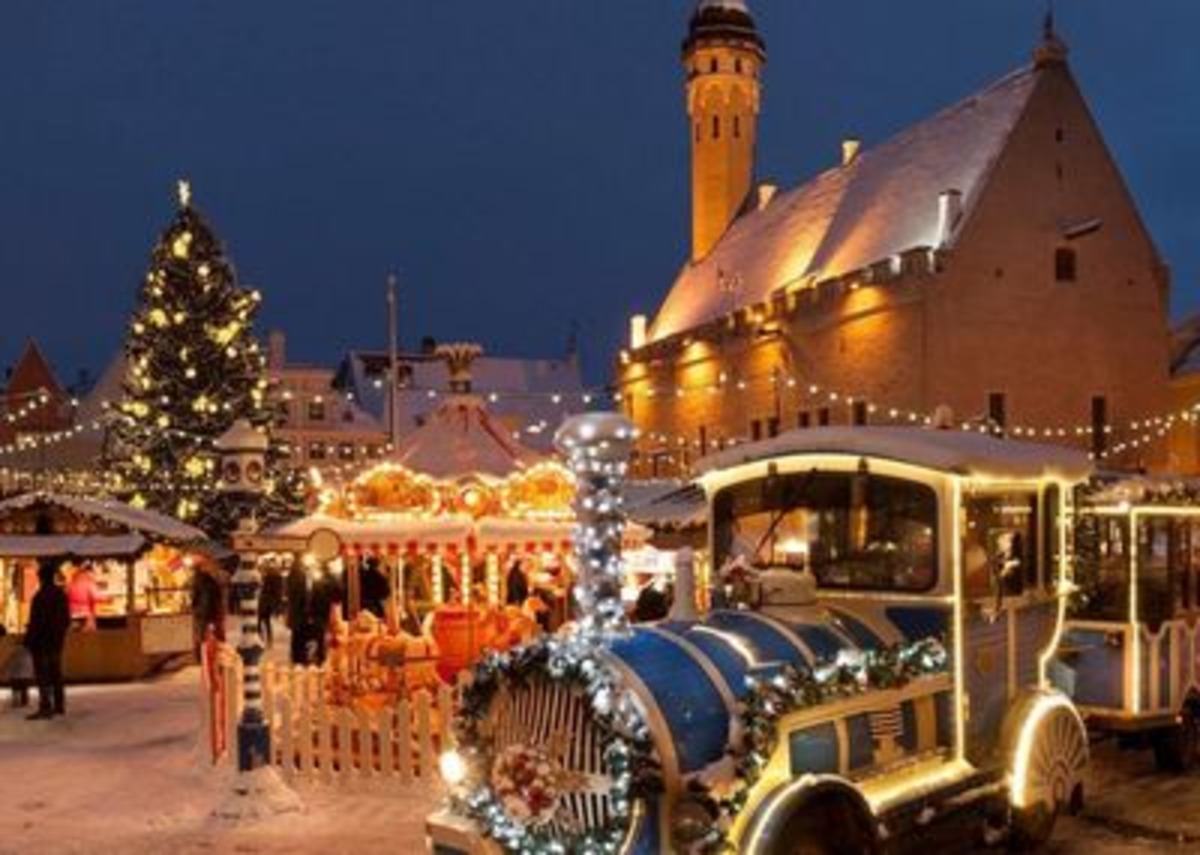
Tallinn, Belfast, Budapest, Chester, Lille and Winchester are shaping up as six of Europe’s most distinctive festive-market destinations for the 2026 winter travel season, with Christmas markets opening from 13 November and continuing, in Tallinn’s case, until 6 January 2027. From Estonia’s medieval Old Town and Budapest’s basilica light shows to Belfast’s food stalls, Chester’s historic streets, Lille’s fast rail access from London and Winchester’s artisan-led cathedral market, the six cities are using food, crafts, heritage and seasonal entertainment to drive winter tourism demand and encourage longer city stays.
Christmas markets are no longer simple collections of wooden stalls selling decorations and hot drinks. Across Europe, they have become powerful seasonal tourism products. They draw visitors into city centres during November and December, increase demand for hotels and restaurants, support local traders and provide additional reasons for travellers to choose destinations outside the conventional summer tourism cycle.
Advertisement
Advertisement
For the 2026 festive season, the six featured destinations present very different experiences. Tallinn is strongest for historic atmosphere and an extended Christmas calendar. Belfast combines local traders with international food. Budapest blends value, architecture, festive gastronomy and thermal-bath culture. Chester uses its medieval streets and traditional seasonal events to deepen its heritage appeal. Lille stands out for accessibility from Britain, while Winchester has built its reputation around carefully selected artisan traders and the historic surroundings of Winchester Cathedral.
Europe’s Six Standout Festive Markets for 2026
| Destination | 2026 Dates | Main Strength | Key Visitor Experiences |
|---|---|---|---|
| Tallinn, Estonia | 20 Nov 2026 to 6 Jan 2027 | Historic Christmas atmosphere | Town Hall Square, Santa, traditional food, linen, wool and wooden crafts |
| Belfast, Northern Ireland | 14 Nov to 22 Dec 2026 | Local and international food | City Hall setting, fairground rides, Santa’s Grotto, local vendors and global cuisine |
| Budapest, Hungary | From 13 Nov 2026 to late Dec / 1 Jan 2027 | Value and city-break variety | Advent Basilica, Vörösmarty Square, light projections, thermal baths and Hungarian food |
| Chester, England | 18 Nov to 22 Dec 2026 | Medieval setting | Historic architecture, Winter Watch Parade, regional food, crafts and drinks |
| Lille, France | 18 Nov to 30 Dec 2026 | Fast access from Britain | Place Rihour, Ferris wheel, Flemish architecture, French winter food |
| Winchester, England | 20 Nov to 22 Dec 2026 | Artisan shopping | Cathedral Close, selected craft traders, festive food court and choral atmosphere |
Tallinn Brings Medieval Christmas Atmosphere to the Heart of Estonia
Few European Christmas markets can rely on their surroundings as heavily as Tallinn Christmas Market. The market is scheduled to operate from 20 November 2026 until 6 January 2027, making it the longest-running of the six highlighted destinations. Its location in Town Hall Square, within Tallinn’s UNESCO-listed Old Town, gives the market a visual identity that cannot easily be recreated elsewhere. Medieval buildings, cobbled streets and historic façades create a winter setting in which the destination itself becomes part of the Christmas attraction.
Advertisement
Advertisement
Tallinn’s Christmas tree tradition is also central to its seasonal identity. The city is associated with one of Europe’s earliest documented public Christmas tree traditions, dating back to 1441. The tree in Town Hall Square remains the focal point of the market and reinforces Tallinn’s position as a destination where Christmas tourism is closely linked to historic tradition. Visitors can expect blood sausages, sauerkraut, gingerbread and hot sea-buckthorn glögg, including alcoholic versions for adults. These products give the market a distinctly Estonian character rather than presenting a generic European Christmas experience.
Crafts are another important part of the tourism proposition. Stalls feature products such as linen goods, felted wool, knitted items and wooden handicrafts. Santa is expected to appear daily, travelling by sleigh, while festive entertainment adds to the family appeal. For tourism planners, Tallinn’s biggest advantage is its calendar. Many Christmas markets close before or immediately after Christmas Day. Tallinn remains open through Christmas, New Year and into early January. That longer operating period provides Estonia with an opportunity to attract both traditional Advent visitors and travellers looking for a winter break during the period between Christmas and Orthodox Christmas.
Advertisement
Advertisement
Belfast Builds a Christmas Market Around Food, Local Trade and City-Centre Energy
The Belfast Christmas Market is set to return to the grounds of Belfast City Hall from 14 November to 22 December 2026. More than 50% of the market’s vendors are local, giving Northern Irish producers a significant presence while still allowing the market to maintain an international food and entertainment mix. That balance gives Belfast a slightly different character from markets that focus almost entirely on traditional regional products.
Visitors can move between local stalls and international food vendors, creating a broader dining-led experience. Food choices include DIY crumble and custard stalls, exotic meat burgers, Dutch pancakes, cheeses and glühwein. For travellers, this makes the market suitable not only for Christmas gift shopping but also for an informal city-centre food experience.
Advertisement
Advertisement
Belfast City Hall provides a recognisable civic backdrop, while vintage fairground rides and Santa’s Grotto broaden the audience to families. Visitors can shop during daylight hours before returning after dark, when festive lighting changes the atmosphere of the market. The nearby Cathedral Quarter provides another layer of visitor spending opportunities through pubs, restaurants and nightlife.
A successful Christmas market does not need to capture all visitor spending inside the event itself. Its wider value often comes from drawing visitors into the city centre, where they also spend on accommodation, food, transport, entertainment and surrounding retail. Belfast’s city-centre layout makes that spillover particularly relevant.
Budapest Combines Christmas Markets with Value, Wellness and Landmark Architecture
Budapest offers one of the most complete winter city-break propositions among the six destinations. Its Christmas programme centres on two principal locations: Advent Basilica at St Stephen’s Square and the traditional festive market at Vörösmarty Square. The 2026 season is expected to begin on 13 November, with festive activities continuing through the end of December and, depending on the market location, into 1 January 2027.
The Advent Basilica market is particularly notable for its evening visual programme. Nightly 3D light projections transform the façade of St Stephen’s Basilica, turning the market into both a shopping location and an evening attraction. This increases its tourism value because the experience changes after dark, encouraging travellers to remain in the city centre for longer.
Advertisement
Advertisement
Budapest also benefits from a strong food identity. Visitors can sample kürtőskalács, the spiral-shaped chimney cake strongly associated with Central European festive travel, alongside spicy kolbász sausages and mulled wine. The relatively accessible cost of food and city experiences strengthens Budapest’s reputation as an attractive destination for travellers watching their budgets.
However, the city’s biggest advantage is the ability to combine Christmas markets with established year-round attractions. A festive-market visit can be paired with Budapest’s thermal-bath culture, including the historic Rudas Thermal Baths beside the Danube. This gives travellers a broader reason to stay overnight rather than visiting only the Christmas market. The Christmas market therefore acts as a trigger for a wider winter tourism itinerary rather than functioning as the entire trip.
Chester Turns Medieval Character into a Powerful Festive Tourism Asset
Chester Christmas Market will run from 18 November to 22 December 2026, centred around the Town Hall area. The city’s historic environment is its greatest competitive advantage. Chester’s timber-framed buildings and long-standing streets already provide a strong visual identity. During the festive season, Christmas stalls, lighting and seasonal entertainment are layered onto that existing heritage. This gives visitors a sense of continuity between the market and the destination around it. Food offerings include hog roasts, craft ales, hot glühwein and locally produced fudge.
The retail mix also reflects local and regional craftsmanship, with soaps, candles, silver jewellery and locally produced gin among the products highlighted. One of Chester’s most distinctive seasonal attractions is the Winter Watch Parade. Its Renaissance-inspired presentation, medieval performers and fire-breathing entertainment deepen the city’s historic positioning and give visitors a reason to plan their trip around specific dates rather than simply arriving for market shopping.
That is significant from a tourism-development perspective. Events connected to a market can help destinations spread footfall across different evenings and encourage repeat or overnight visits. Chester therefore presents itself not merely as a Christmas shopping destination but as a historic city using seasonal programming to reinforce its wider tourism identity.
Lille Gives British Travellers One of the Fastest Routes to a Continental Christmas Market
For travellers leaving Britain, Lille provides a particularly practical route into continental festive travel. The city’s Christmas market is scheduled from 18 November to 30 December 2026, with the main festive activity centred on Place Rihour. Its most important advantage for the UK travel market is accessibility. Lille can be reached from London St Pancras by Eurostar in around 82 minutes, making it possible to reach a French Christmas market in little more time than some domestic intercity journeys.
Advertisement
Advertisement
This opens Lille to weekend travellers, short-break visitors and potentially carefully planned same-day trips. The city also offers a different visual atmosphere from British Christmas markets. Its mix of Flemish and Baroque architecture gives central Lille a distinctive northern European character. The festive setting includes a giant Ferris wheel and large Christmas tree, strengthening the visual appeal of the city centre.
Travellers can expect tartiflette, warm chocolate waffles, spiced mulled wine and traditional French pastries. These products give the market a strong gastronomic element and allow visitors to link Christmas shopping with regional food tourism. Lille’s compact centre is another advantage. Visitors arriving by rail can move between the station, Christmas market, restaurants, shops and architectural attractions without complicated transfers.
Winchester Puts Artisan Shopping at the Heart of Its Christmas Identity
Winchester Christmas Market is scheduled to operate from 20 November to 22 December 2026 in the historic Winchester Cathedral Close. The event is expected to celebrate its 20th year, marking two decades in which the market has become closely associated with the cathedral city’s festive tourism offer. Its principal point of difference is the quality-led approach to traders.
The market is known for selecting artisan vendors rather than relying solely on high-volume seasonal retail. This emphasis strengthens Winchester’s appeal among visitors looking for gifts with a clear connection to craft, design and small-scale production. The cathedral setting is equally important. Visitors shop within one of England’s most recognisable historic ecclesiastical environments, giving the event a strong sense of place.
Choral performances further reinforce that atmosphere and connect the market with Winchester’s wider cultural heritage. A dedicated festive food court now occupies the area previously used for the market’s ice rink. This shifts some of the event’s focus towards eating and socialising, reflecting the broader trend in which Christmas markets function as dining and leisure spaces as much as retail events. Visitor planning is important in Winchester because weekend demand can be high.
How Travellers Can Avoid Tourist-Trap Souvenirs
The expansion of Christmas-market tourism brings one persistent challenge: distinguishing genuinely local craftsmanship from mass-produced goods.
Advertisement
Advertisement
Travellers interested in buying authentic souvenirs can use three practical checks.
- Look at photography policies. Independent makers may restrict close-up photographs to protect original designs from copying. This does not automatically prove authenticity, but it can be one indicator when combined with other checks.
- Ask how the item was made. Genuine craftspeople should generally be able to explain the production method, materials and origin of their products.
- Inspect before buying. Where appropriate, travellers should be able to pick up an item, examine its finish and assess its quality before committing to a purchase.
These checks are especially useful in markets where locally made products form part of the tourism experience. A woollen product in Tallinn, jewellery in Chester or handmade goods in Winchester can carry greater value when the buyer understands who made it and how it was produced.
Authentic shopping also has an economic impact. When travellers purchase directly from artisans or local independent traders, more tourism spending can remain within the destination’s own economy.
What Each Market Is Best Suited For
Travellers choosing between the six destinations can use their interests to narrow the options.
For historic Christmas atmosphere: Tallinn offers one of the strongest combinations of medieval architecture, seasonal tradition and an extended festive calendar.
For food variety: Belfast mixes local and international flavours in a compact city-centre setting.
Advertisement
Advertisement
For value and wider city experiences: Budapest combines Christmas markets with thermal baths, architecture and comparatively accessible city-break spending.
For English heritage: Chester integrates festive shopping with medieval streets and traditional seasonal performances.
For an easy overseas break from London: Lille’s approximate 82-minute Eurostar journey creates a compelling access advantage.
For artisan gifts: Winchester places carefully selected craftspeople at the centre of the visitor experience.
Christmas Markets Are Becoming Full Tourism Products
The 2026 festive season illustrates a wider shift in European tourism. Christmas markets are no longer being treated simply as seasonal retail events. They are being integrated into destination strategies involving food, culture, heritage, entertainment, transport and accommodation. This matters commercially. A traveller attracted by a Christmas market may also book a hotel, visit museums, dine in restaurants, use public transport, buy local products and extend a one-day visit into a weekend break. The market acts as the initial reason to travel, but the surrounding destination captures much of the economic value.
The six featured cities demonstrate different versions of that model. Tallinn extends the travel season into January. Belfast uses food and local traders to animate its civic centre. Budapest links festive tourism with wellness and architecture. Chester turns heritage into seasonal theatre. Lille converts rail accessibility into a major tourism advantage. Winchester builds its appeal around craftsmanship and cathedral culture. Together, they show how winter tourism is becoming more experience-led.
Advertisement
Advertisement
With the first of these markets opening on 13 November 2026 in Budapest and the final festive season continuing until 6 January 2027 in Tallinn, visitors have nearly two months in which to plan a European Christmas-market journey. Festive markets can help destinations extend their operating season, increase city-centre footfall, support independent businesses and encourage visitors to spend across multiple parts of the local economy. In 2026, Tallinn, Belfast, Budapest, Chester, Lille and Winchester each offer a different reason to travel, but all six demonstrate how a well-positioned Christmas market can turn winter into one of the most valuable city-break periods of the year.
Advertisement
