

Delta Joins United, JetBlue, Southwest, Ryanair, Frontier, and Other Airlines in Introducing a Ten Dollar Increase in Checked Baggage Fees for Domestic and Short-Haul Flights

Published
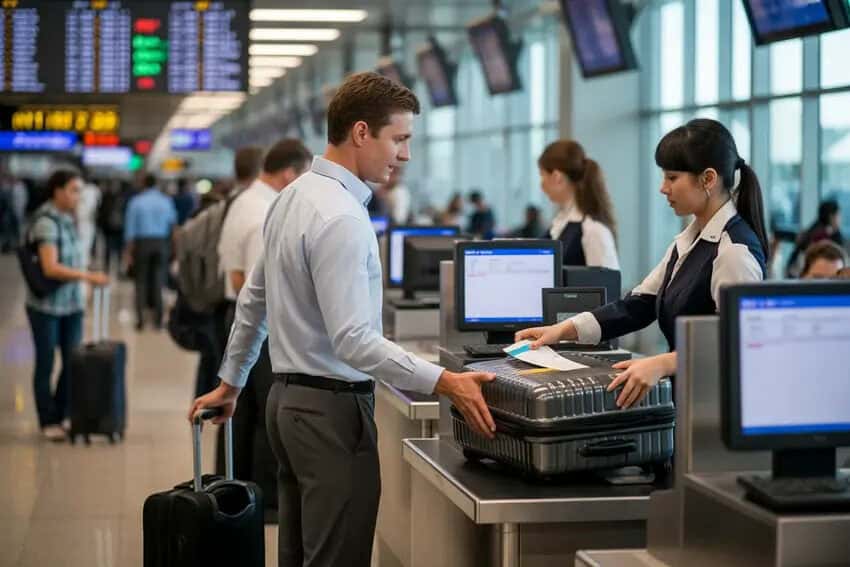
Delta Air Lines has joined United, JetBlue, Southwest, Ryanair, Frontier, and other major airlines in raising checked baggage fees by $10 for domestic and select short-haul international flights, starting April 8, 2026. This increase is primarily driven by the industry’s ongoing struggle with rising fuel costs and operational expenses. As airlines face higher operational pressures, they have turned to baggage surcharges as a way to mitigate these rising costs, rather than increasing ticket prices.
In a significant move impacting travelers across the United States, Delta Air Lines has joined a growing list of major airlines, including United, JetBlue, Southwest, Ryanair, and Frontier, by increasing their checked baggage fees. Starting April 8, 2026, passengers will face an additional $10 fee for checked luggage, with the change set to affect domestic and select short-haul international routes. This increase is a direct response to the rising costs associated with fuel and other operational expenses that have been impacting the airline industry.
Advertisement
Advertisement
The Impact of Rising Fuel Costs
The airline industry, like many other sectors, has been grappling with the sharp rise in global fuel prices. With oil prices remaining high, carriers have found it increasingly difficult to maintain the price structure of their services. In a bid to offset these rising costs, airlines have turned to surcharges, including raising baggage fees. Delta’s decision marks the first time in two years that it has increased its domestic checked baggage fees. This increase follows similar moves by United Airlines, JetBlue Airways, and Southwest Airlines, who implemented similar hikes earlier this year.
Delta’s new baggage fees will see the cost of the first checked bag rise to $45, the second to $55, and the third to as much as $200. These fees are applicable only to tickets purchased on or after April 8 for domestic and certain short-haul international routes. Importantly, long-haul international flights will not see any changes to their baggage fees.
Advertisement
Advertisement
The Growing Trend Across Airlines
Delta’s baggage fee hike is part of a broader trend that is reshaping the pricing landscape in the airline industry. Other major U.S. airlines, such as United Airlines, JetBlue, and Southwest, have also raised their checked baggage fees in response to the same economic pressures. For example, United Airlines raised its checked bag fees by approximately $10, mirroring Delta’s decision to increase fees for the first two checked bags. Similarly, JetBlue has raised baggage fees by $4–$9 depending on whether passengers are traveling during peak or off-peak periods.
Southwest Airlines, which had long been known for offering free checked luggage, announced a substantial shift in policy starting in 2025. While it did not introduce fees for the first checked bag until recently, Southwest has now raised its fees by $10 for the first and second checked bags, aligning with industry trends.
Advertisement
Advertisement
Other international carriers, such as Ryanair and Frontier Airlines, which already charge for checked bags, are also expected to raise their fees as they continue to adapt to the rising fuel prices. Ryanair, for instance, has implemented small fee hikes in recent years, while Frontier has maintained one of the most straightforward fee structures, charging for checked bags based on weight and route.
Why Airlines Are Increasing Baggage Fees
The airline industry is often described as a low-margin business, where profitability hinges on a number of factors, such as demand, operational efficiency, and fuel costs. When fuel prices surge, as they have over the past few years, airlines are forced to find alternative ways to offset these costs without passing the burden entirely onto passengers through increased ticket prices.
By raising baggage fees, airlines are tapping into an additional revenue stream without directly increasing ticket prices. Baggage fees are particularly attractive to airlines because they allow them to generate revenue from passengers who may not have checked a bag in the first place. This surcharge is seen as an efficient way to offset fuel costs while maintaining competitive base ticket prices.
It’s worth noting that not all travelers will be affected by the increase. Passengers flying in Delta’s First Class, Delta Premium Select, or Delta One cabins, as well as Medallion members of the SkyMiles program, will still be allowed to check their bags for free. Likewise, military personnel traveling on active duty and those with co-branded American Express cards will continue to enjoy complimentary checked bag benefits.
How Passengers Can Prepare
Travelers can take a few steps to prepare for the new baggage fee structure, especially if they are planning to fly on a domestic or short-haul international route with Delta or one of the other affected airlines.
1. Plan Ahead to Avoid Extra Charges
The simplest way to avoid paying the baggage fee increase is by packing light and trying to fit all necessary items into a carry-on bag. For those who must check a bag, it’s advisable to do so early in the booking process. Baggage fees are typically lower when paid in advance or when bags are checked at the time of booking. If possible, booking a flight with an airline that offers a more flexible baggage policy, such as Southwest Airlines’ “two free checked bags” policy, might help offset the rising costs elsewhere.
Advertisement
Advertisement
2. Take Advantage of Loyalty Programs
Many airlines, including Delta, have established loyalty programs that provide frequent flyers with additional perks, such as free checked luggage. If you travel frequently, consider enrolling in a program like Delta SkyMiles, which provides free checked bags for Medallion members. In addition, co-branded credit cards like the Delta SkyMiles American Express Card offer benefits such as free checked bags for cardholders.
3. Consider Alternate Luggage Options
For those who do not want to deal with baggage fees altogether, there are a variety of luggage delivery services that allow passengers to send their bags ahead of time to their destination, sparing them from the burden of airport check-in and baggage claim.
4. Stay Informed About Airline Policies
Airlines frequently update their baggage policies and fees, so it’s important for travelers to stay informed. Airlines often provide information on their websites about the latest baggage fee updates, and many offer the ability to pre-pay for checked luggage at a discounted rate.
A Broader Look at Airline Fee Increases
While baggage fees are the most visible cost increase, they are far from the only fee passengers may encounter. Many U.S. airlines have introduced additional fees for things like seat selection, in-flight Wi-Fi, and even carry-on luggage. As airlines look for new revenue sources, travelers are seeing a wider array of additional costs that weren’t common a decade ago.
For instance, airlines now often charge passengers for seat selection if they want to choose a specific seat, particularly on low-cost carriers. Wi-Fi access, which was once free on many flights, is now often available only as a paid service. Even snacks and drinks on some flights are no longer complimentary and are instead part of an additional charge.
The recent rise in checked baggage fees is part of a broader trend within the airline industry to manage the impact of rising fuel prices while maintaining competitive base ticket fares. While this move will undoubtedly increase costs for passengers, particularly those flying short-haul domestic routes, it is important for travelers to be proactive in managing their luggage to avoid these fees.
Advertisement
Advertisement
Delta has joined other major airlines like United and JetBlue in increasing checked baggage fees by $10 for domestic and short-haul flights, effective April 8, 2026, due to rising fuel and operational costs. This move helps airlines offset escalating expenses without raising ticket prices.
By staying informed about changing baggage policies and taking advantage of loyalty programs and pre-payment options, passengers can minimize the impact of these rising costs. As the airline industry continues to face rising operational costs, further increases in ancillary fees may be on the horizon, making it more important than ever for travelers to consider the true cost of their flights.
In the meantime, travelers who are diligent in their packing and booking decisions can still enjoy affordable travel while navigating the complex landscape of airline fees.
Advertisement
