
Miami Aligns With Palm Beach and More Cities in Fuelling US Tourism as South Florida Hotels Hold Strong in 2026

Published
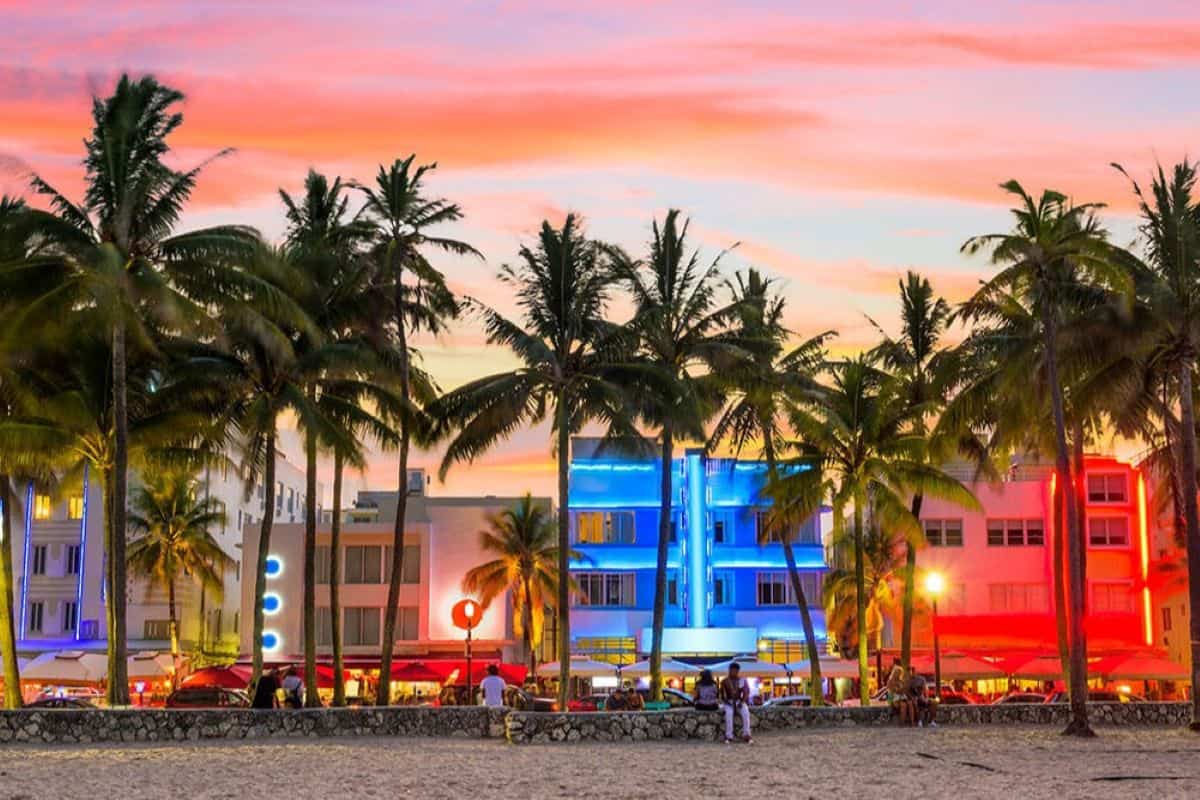
Miami Aligns With Palm Beach and more cities in South Florida to fuel US tourism growth in 2026 as the region’s hotel sector demonstrates resilience despite softer statewide visitor numbers. Driven by premium travellers, strong hotel pricing, international demand, cruise connections and high-value experiences, Miami, Palm Beach, Fort Lauderdale and surrounding destinations are protecting tourism revenue even as Florida faces weaker Canadian visitation and changing travel patterns. The performance highlights a shift from relying only on visitor volume towards generating greater economic value through luxury accommodation, affluent leisure travel and diverse international markets, allowing South Florida hotels to remain strong amid a transforming US tourism landscape.
Florida welcomed an estimated 73.5 million visitors during the first half of 2026, down 1.4% from approximately 74.5 million during the same period of 2025. Canadian visitation represented the most significant weakness, falling 13.9% to approximately 1.68 million visitors, while domestic travel continued to provide the overwhelming majority of the state’s tourism volume.
Advertisement
Advertisement
South Florida, however, presents a more complex picture. Miami, Miami Beach, Palm Beach and Fort Lauderdale are not moving in exactly the same direction. Premium hotel pricing remains powerful in Miami and Palm Beach, while Fort Lauderdale benefits from its combination of beaches, aviation and cruise tourism.
South Florida Tourism and Hotel Market at a Glance
| Market/Indicator | 2026 Performance | Key Context |
|---|---|---|
| Florida visitors, H1 | 73.5 million | Down 1.4% YoY |
| Florida domestic visitors, H1 | 67.33 million | Largest tourism segment |
| Canadian visitors, H1 | 1.68 million | Down 13.9% |
| Overseas visitors, H1 | About 4.5 million | Up about 2.2% |
| Miami Q2 ADR | $242.99 | Among Florida’s strongest hotel markets |
| Palm Beach Q2 ADR | $270.40 | Strong premium pricing |
| Miami Beach ADR, through April | $401 | Up 14% |
| Miami Beach RevPAR, through April | $323 | Up 12% |
| Miami Beach occupancy, through April | 81% | Strong premium performance |
| Fort Lauderdale airport Q1 enplanements | 4.7 million | Major South Florida aviation gateway |
Sources: VISIT FLORIDA, Colliers and Greater Miami tourism data. Hotel reporting periods and geographic definitions differ, so the figures should not be treated as directly interchangeable.
Advertisement
Advertisement
Miami: Premium Hotel Pricing Supports the Market
Miami remains at the centre of South Florida’s international hotel economy. The market benefits from a combination of luxury leisure travel, Latin American and European demand, cruise passengers, major events, business travel and a substantial domestic visitor base.
Miami recorded an average daily rate of $242.99 during the second quarter of 2026, placing the destination among Florida’s premium hotel markets. Southeast Florida remained one of the state’s leading hospitality regions even as other parts of Florida moved through a more challenging tourism environment.
Advertisement
Advertisement
Miami’s strategy is increasingly about revenue quality rather than visitor volume alone. A traveller paying a high room rate and spending heavily on restaurants, shopping, attractions and entertainment can generate considerable tourism revenue even if overall visitor growth is limited.
This helps explain why the South Florida hotel industry can remain comparatively resilient despite softer statewide visitor numbers.
Miami Beach: $401 ADR Shows Strength of Luxury Tourism
Miami Beach provides an even clearer picture of South Florida’s premium tourism economy.
Tourism figures for the period through April 2026 placed the city’s average daily hotel rate at approximately $401, about 14% higher year over year. Revenue per available room, or RevPAR, reached approximately $323, representing growth of around 12%, while occupancy stood at about 81%.
Miami Beach Hotel Performance
| Metric | 2026 Through April | YoY Movement |
|---|---|---|
| Average Daily Rate | $401 | +14% |
| RevPAR | $323 | +12% |
| Occupancy | 81% | Strong level |
These numbers demonstrate why falling visitor volumes do not automatically translate into falling hotel revenue.
Miami Beach can generate stronger revenue by selling rooms at substantially higher rates. Its luxury resorts, restaurants, nightlife, beaches and events attract visitors prepared to spend heavily.
Advertisement
Advertisement
This makes the market relatively well positioned to absorb weakness in more price-sensitive visitor segments.
Miami-Dade: World Cup Creates an Unusual Hotel Pattern
The 2026 FIFA World Cup added another layer to Miami-Dade’s tourism performance.
Major sporting events normally create expectations of packed hotels. However, Miami experienced a more complicated effect as some ordinary leisure travellers apparently avoided the destination during match periods because they expected crowds, congestion and expensive accommodation.
During the first 10 nights surrounding World Cup activity, some Miami and Fort Lauderdale hotel indicators showed occupancy declines ranging from approximately 9% to 20%, with reported occupancy levels between roughly 56% and 73% in parts of the market.
Occupancy alone, however, did not tell the entire story.
World Cup demand gave hotels substantial pricing power around key match dates. Higher room prices could lift revenue per available room even when occupancy did not increase proportionately.
Advertisement
Advertisement
For South Florida hotels, this demonstrates how major events can increase revenue without necessarily producing equally large occupancy gains.
Palm Beach: Premium Rates Put Luxury Travellers at Centre Stage
Palm Beach has emerged as another powerful South Florida hotel market.
Hotel-market data placed Palm Beach ADR at approximately $270.40 during the second quarter of 2026, ahead of Miami’s $242.99 in the same market comparison.
Palm Beach’s strength comes from a different tourism model than Orlando’s enormous visitor-volume economy.
Luxury resorts, affluent domestic leisure travellers, seasonal residents, high-end restaurants, golf, wellness travel and premium shopping allow the destination to generate substantial revenue from a comparatively smaller visitor base.
This matters during a year when Canadian visitation to Florida has weakened.
Advertisement
Advertisement
A reduction in one international market can be partly cushioned when affluent domestic and overseas travellers continue paying high accommodation rates.
Palm Beach therefore illustrates Florida’s broader shift from relying exclusively on visitor volume towards extracting greater economic value from premium travel demand.
Fort Lauderdale: Airport and Cruise Tourism Create a Different Hotel Economy
Fort Lauderdale occupies a particularly important position because its tourism economy connects hotels, beaches, aviation and cruising.
Fort Lauderdale-Hollywood International Airport recorded approximately 4.7 million commercial passenger enplanements during the first quarter of 2026, making it one of Florida’s largest aviation gateways.
For hotels, airport traffic represents only part of the opportunity.
Fort Lauderdale is also closely connected with Port Everglades and South Florida’s enormous cruise economy. Cruise passengers can generate hotel demand before and after voyages, particularly travellers arriving from distant domestic or international markets who do not want to risk flying into Florida on the same day their ship departs.
Advertisement
Advertisement
This creates valuable pre-cruise and post-cruise hotel demand.
Fort Lauderdale therefore has access to a tourism segment that behaves differently from conventional beach visitors and can help diversify hotel demand.
Hollywood: Canadian Weakness Creates Greater Exposure
Hollywood presents a different South Florida story because parts of the destination have traditionally depended heavily on Canadian winter visitors, particularly travellers from Quebec.
That makes the 13.9% statewide decline in Canadian visitation during the first half of 2026 especially relevant.
Florida received approximately 1.68 million Canadian visitors during January-June 2026, substantially fewer than during the corresponding period of 2025.
The impact can extend beyond hotels.
Advertisement
Advertisement
Long-stay Canadian travellers support restaurants, supermarkets, shopping centres, entertainment businesses, holiday rentals and local services.
Hollywood therefore illustrates why statewide tourism numbers need local interpretation.
A luxury Miami Beach property heavily exposed to affluent domestic and overseas guests can experience a completely different year from a smaller accommodation business traditionally reliant on returning Canadian snowbirds.
Delray Beach: Canadian Pullback Reaches Local Businesses
Delray Beach provides another example of how weaker Canadian travel can reach local tourism businesses.
The destination traditionally attracts visitors from Canada and the northeastern United States, making changes in cross-border travel behaviour particularly important.
Yet Delray Beach sits within the wider Palm Beach County tourism market, where premium accommodation pricing remains strong.
Advertisement
Advertisement
This creates an interesting split.
High-end hotels can benefit from wealthy domestic and international guests, while smaller restaurants, shops and businesses that depend on repeat Canadian visitors may experience weaker footfall.
The result demonstrates why ADR cannot be used as the only measure of tourism health.
A destination can simultaneously have expensive hotel rooms and individual businesses struggling with the decline of a traditionally important visitor market.
Boca Raton: Luxury Tourism Helps Protect Hotel Revenue
Boca Raton strengthens the luxury profile of the Palm Beach County hotel market.
Its resorts, golf facilities, beaches, restaurants and affluent visitor profile place it within a tourism economy that is less dependent on sheer visitor numbers than destinations built around mass-market accommodation.
Advertisement
Advertisement
This premium positioning matters in 2026.
Florida’s overall first-half visitation declined 1.4%, while Canadian travel dropped 13.9%. Yet high room rates across Southeast Florida demonstrate that travellers who are still visiting can generate substantial hotel revenue.
Boca Raton and neighbouring Palm Beach destinations therefore provide an important counterpoint to weaker statewide volume figures.
The region does not need to compete with Orlando on tens of millions of visitors. Its economic model depends more heavily on room value, visitor spending and high-end experiences.
Canadian Tourism Remains South Florida’s Biggest Weak Spot
The most obvious risk across the region is Canada.
Florida welcomed approximately 1.68 million Canadian visitors during the first six months of 2026, down 13.9% year over year.
Advertisement
Advertisement
Canadian travellers are particularly valuable to South Florida because many stay for extended periods, visit during winter and support restaurants, accommodation businesses, shopping centres and local services.
Hollywood, Fort Lauderdale, Palm Beach County and other coastal communities therefore have more exposure to Canadian weakness than the statewide percentage alone might suggest.
The loss of a long-stay visitor can also have a different economic effect from losing a short weekend traveller.
This makes the Canadian decline an important issue not only for hotels but for the wider South Florida visitor economy.
Overseas Tourism Provides an Important Counterweight
International tourism outside Canada has provided some support.
Florida’s overseas visitation increased strongly during the first quarter of 2026, helping compensate for some of the weakness coming from Canada. First-half overseas demand also remained stronger than the previous year.
Advertisement
Advertisement
That is particularly important for South Florida.
Miami International Airport provides extensive connectivity with Latin America, Europe and the Caribbean. Miami Beach’s luxury hotel market can capture high-spending international visitors, while Fort Lauderdale benefits from international aviation and cruise demand.
South Florida therefore has greater international-market diversity than many other Florida destinations.
This diversity cannot eliminate the Canadian decline, but it can reduce dependence on any single foreign source market.
South Florida Is Moving From Volume Towards Value
The most important conclusion from the 2026 data is that visitor volume and tourism revenue are not necessarily moving in the same direction.
Florida visitor numbers fell during the first half. Canadian tourism declined much more sharply.
Advertisement
Advertisement
Yet premium hotel pricing remained powerful across important South Florida destinations.
South Florida Hotel Market Comparison
| South Florida Market | Key 2026 Indicator | Main Strength | Main Risk |
|---|---|---|---|
| Miami | $242.99 Q2 ADR | International connectivity and premium demand | Softer overall tourism environment |
| Miami Beach | $401 ADR | Luxury tourism and pricing power | High costs can deter value travellers |
| Miami Beach | $323 RevPAR | Strong room revenue | Reliance on premium demand |
| Miami Beach | 81% occupancy | Strong hotel utilisation | Event-related volatility |
| Palm Beach | $270.40 Q2 ADR | Affluent leisure market | Premium market concentration |
| Fort Lauderdale | 4.7 million Q1 airport enplanements | Aviation and cruise demand | Exposure to Canadian travel |
| Hollywood | N/A | Winter and beach tourism | Canadian pullback |
| Delray Beach | N/A | Affluent leisure demand | Local exposure to Canadian decline |
| Boca Raton | Premium positioning | Luxury resorts and high spending | Smaller-volume market |
High Room Rates Can Cushion Lower Visitor Numbers
The relationship between occupancy, ADR and RevPAR is particularly important in understanding South Florida’s 2026 hotel performance.
Occupancy measures the percentage of available rooms sold.
ADR, or Average Daily Rate, measures the average price paid for occupied hotel rooms.
RevPAR, or Revenue Per Available Room, combines pricing and occupancy to provide a broader measure of hotel room performance.
A hotel can therefore experience slightly weaker occupancy but still increase revenue if it successfully raises room rates.
Advertisement
Advertisement
Miami Beach provides a strong example. An ADR of approximately $401 combined with RevPAR of $323 demonstrates the economic power of premium pricing.
This helps explain why South Florida’s hotel industry can remain financially resilient even when total Florida visitor numbers soften.
South Florida Hotels Enter Late 2026 With Strength but Clear Risks
South Florida is not experiencing a simple tourism boom or downturn.
Instead, Miami, Miami Beach, Palm Beach, Fort Lauderdale, Hollywood, Delray Beach and Boca Raton are moving through different versions of the same changing tourism market.
Florida’s overall visitor volume is slightly lower. Canadian tourism is substantially weaker. But premium travellers, domestic demand, overseas visitors, cruise passengers and major events are helping protect hotel revenue in important South Florida markets.
Miami Beach’s $401 ADR and $323 RevPAR, Palm Beach’s strong premium pricing and Fort Lauderdale’s enormous aviation and cruise infrastructure demonstrate that South Florida retains substantial tourism pricing power.
Advertisement
Advertisement
The key question for the remainder of 2026 is whether that premium spending can continue compensating for softer visitor volume.
If it can, South Florida could finish the year with an unusual result: fewer visitors in some important segments, but resilient hotel revenues driven by travellers willing to spend considerably more when they arrive.
Miami Aligns With Palm Beach and more cities in fuelling US tourism as South Florida hotels hold strong in 2026, supported by premium travel demand, luxury accommodation pricing, international visitors, cruise connections and resilient hotel performance despite changing tourism patterns.
In conclusion, Miami Aligns With Palm Beach and more cities in fuelling US tourism as South Florida hotels hold strong in 2026, showing how the region continues to generate tourism value despite shifting visitor patterns. Supported by premium travellers, strong hotel rates, international demand, cruise connectivity and luxury experiences, Miami, Palm Beach, Fort Lauderdale and surrounding destinations are maintaining resilience beyond traditional visitor volume measures. The performance highlights South Florida’s evolving tourism model, where higher-value travel demand and diversified markets help strengthen the US tourism landscape while enabling hotels to remain competitive through changing global travel conditions.
Advertisement
