
Paris Sets the Rhythm as Montmartre Harvest Festival Returns With Food Music and Heritage

Published
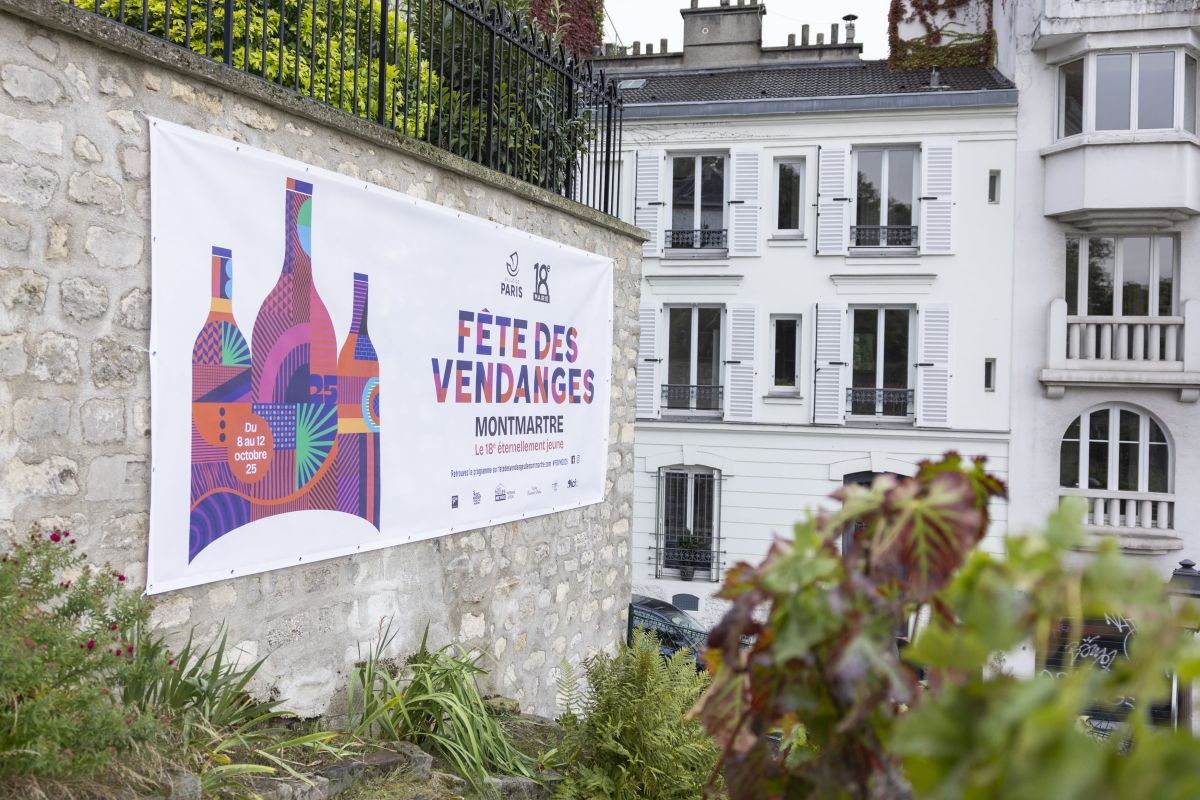
Image Credit: mairie18
Paris will celebrate one of its most loved local traditions this October as the Fête des Vendanges de Montmartre returns for its 93rd edition. The five-day festival will run from 7 to 11 October 2026 across the 18th arrondissement. It will bring music, food, wine heritage, dance, parades and community life to the streets around Montmartre.
The 2026 theme is The 18th Sets the Rhythm. Music will lead the programme. Concerts, choirs, dance, marching bands and neighbourhood events will fill the district. Yet the festival is about more than sound. It gives travellers a rare chance to see Montmartre as a living neighbourhood, not only as the home of Sacré-Cœur and busy tourist streets.
The event will help visitors discover local food makers, artists, associations and small businesses. It will also bring attention to the last vineyard in central Paris. For tourism, that makes the festival a powerful autumn draw. It gives visitors a reason to spend longer in the 18th arrondissement and explore places beyond the main sightseeing route.
Montmartre Wine Heritage Gives the Festival Its Heart
The Fête des Vendanges de Montmartre is built around the Clos Montmartre vineyard. This small vineyard stands high on the hill near Rue des Saules and Rue Saint-Vincent. It is a symbol of a Paris that many visitors do not expect to find.
Wine has been part of Montmartre for centuries. The first vines were planted in the area in the 12th century by the women of the Abbey of Montmartre. Before Paris grew around the hill, vineyards covered much of the Butte. The vines later disappeared. By 1928, the vineyards had gone completely.
Local people fought to save the land from development. New vines were planted in 1933. The first modern Fête des Vendanges followed in 1934. Since then, the festival has celebrated the vineyard, the harvest and the people who keep the tradition alive.
Travellers should note one important point. The October festival does not mark the actual first day of the grape picking. The 18th arrondissement says 1,329 kilograms of grapes were collected at Clos Montmartre on 17 September 2026. The October event celebrates that harvest and the new vintage through public cultural events.
Five Days of Music Across the 18th Arrondissement
The 2026 programme spreads across the 18th arrondissement. This is important because it moves visitors beyond the small hilltop area of Montmartre. Events will take place in squares, cultural venues, parks, streets and neighbourhood spaces.
The festival will open on 7 October with a launch evening at the 18th arrondissement town hall. Children will also be part of the first day through La Boum des bambins, a large party for children from local leisure centres. A music event at Hôpital Bretonneau will bring the festival into the Grandes-Carrières and Clichy area.
On 8 October, schoolchildren from the district will perform in the Grand Choir at Square Louise Michel. The same day will also feature a rhetoric festival at the cultural centre of the Union de la Jeunesse Internationale and an evening night run. These events show the festival’s wider aim. It is not made only for wine lovers. It is designed for families, young people, runners, music fans and local residents.
From 9 to 11 October, the Scène des Vendanges at the Arènes de Montmartre will become a meeting place for music and community events. Visitors can expect a lively space where people gather, discover artists and enjoy the festival atmosphere.
Advertisement
Advertisement
The Grand Parade Will Bring Montmartre Streets to Life
The Grand Défilé on 10 October will be one of the biggest festival moments. It will start at Clos Montmartre and travel through the old streets to the 18th arrondissement town hall. The route includes Rue des Saules, Rue de l’Abreuvoir, Avenue Junot and Rue Caulaincourt.
More than 50 wine, food and traditional groups from France and other countries are expected to take part. The event will include musicians, costumes, local associations and cultural groups. Organisers expect almost 1,400 participants.
For travellers, the parade offers a free way to see Montmartre at its most colourful. It also shows that the festival belongs to the people of the district. Residents are not only watching from the side. They are helping to create the event.
The Ban des Vendanges will take place earlier that morning at Clos Montmartre. It is the formal wine ceremony at the centre of the celebration. It will include traditional groups, drums and local figures. However, this event is by invitation only. Visitors should not plan their trip around gaining access to it.
Parcours du Goût Brings French Food to Sacré-Cœur
The Parcours du Goût is likely to be the strongest attraction for food travellers. It will take place around Sacré-Cœur and bring producers, winegrowers and artisans from around France to Montmartre.
Visitors will be able to taste regional specialities and learn about French food traditions. The event will also promote young talent and local initiatives from the 18th arrondissement. It turns the area around Sacré-Cœur into an open-air food discovery route.
The official programme confirms the food trail for the festival period. However, travellers should check the latest details before making plans. One detailed event listing gives times that include 12 October, while the official festival dates end on 11 October. This appears to be a programme error or a late change that needs confirmation.
The food trail is free to enter, but visitors will pay for food and drink from exhibitors. Travellers should carry a payment card and some cash. There is only one cash machine on the Butte Montmartre, while further machines are available near Abbesses and Lamarck-Caulaincourt metro stations.
Advertisement
Advertisement
Sustainable Tourism Is Part of the 2026 Plan
The festival is adding more focus on responsible travel in 2026. Organisers plan waste sorting, reuse and local food practices. Reusable screen-printed glass cups will replace plastic cups on the Parcours du Goût.
The festival has linked cup returns with a social purpose. Every returned glass will lead to a donation for Les Restos du Cœur, which supports people in need. This simple system aims to reduce waste while helping a charity.
The event also includes accessible routes and support for visitors with disabilities. Official locations will offer disabled access. Reserved access to the Parcours du Goût will be available through the funicular at Place Suzanne Valadon.
What Visitors Need to Know Before Going
All official festival events are free. Some activities need advance registration. Vineyard visits, the night run and selected cultural events have booking requirements. The Grand Parade is free to watch.
Travellers should use public transport. Metro Lines 2, 4, 12 and 13 serve festival locations. Car access to the Butte Montmartre will be restricted or strongly discouraged from 8 October. Parking limits will also affect streets near the hill.
Security checks will operate at official festival sites. Bags and visitors may be checked before entry. Popular areas can close when they become too crowded.
The Fête des Vendanges de Montmartre offers a deeper Paris experience. It combines history, food, music and local pride. For October travellers, it is a chance to see a famous part of Paris move to its own rhythm.
Advertisement
Advertisement
Advertisement
