
Qatar Joins UAE, Saudi Arabia, Bahrain and Five Other Countries as Middle East Flight Networks Stabilise towards Tourism and New Gulf Travel Rebound in 2026

Published
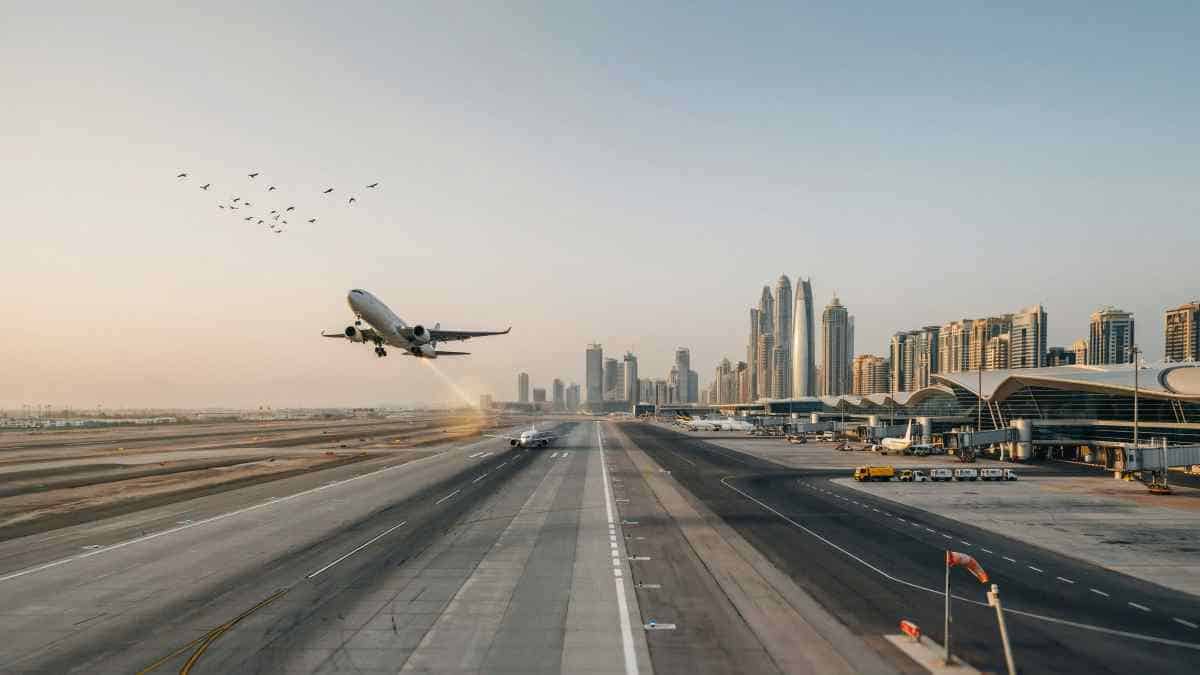
Qatar Joins UAE, Saudi Arabia, Bahrain and Five Other Countries as Middle East Flight Networks Stabilise towards Tourism and New Gulf Travel Rebound in 2026. Dubai, United Arab Emirates, remains one of the busiest gateways in the Middle East as airlines continue restoring services following months of disruption linked to the regional conflict involving the United States, Iran and Israel. While a ceasefire framework and diplomatic discussions have reduced immediate tensions, travellers heading to Dubai and other Gulf destinations are still being advised to monitor flight schedules closely as aviation networks continue adjusting operations across the region.
For tourism, the latest developments represent an important phase in the recovery of travel demand across the Gulf. Airports remain operational, major airlines have restored most services, and governments are working to strengthen traveller confidence ahead of the peak holiday and business travel seasons.
Dubai Continues Operating as a Major Global Tourism Hub
Dubai International Airport remains one of the world’s leading international airports, connecting travellers across Europe, Asia, Africa and the Americas. Despite earlier disruptions caused by airspace restrictions and route diversions, the UAE’s aviation authorities confirmed the full resumption of air traffic operations during May.
The restoration of unrestricted airspace has enabled airlines to rebuild schedules and restore connectivity across key tourism markets.
Advertisement
Advertisement
Dubai continues to attract visitors through its combination of leisure, luxury, business and transit travel. Popular attractions, including the Burj Khalifa, Palm Jumeirah, Dubai Marina and Dubai Mall, remain fully accessible to international tourists.
UAE Airlines Expands Services
The UAE’s major carriers have resumed extensive global operations.
Advertisement
Advertisement
UAE Airline Operations
| Airline | Destinations Served |
|---|---|
| Emirates | More than 137 destinations |
| Etihad Airways | More than 80 destinations |
| flydubai | Extensive regional and international network |
In addition to restoring flights, some UAE carriers have introduced enhanced passenger protection measures, including travel insurance benefits covering medical expenses and certain disruption-related situations.
The measures are intended to support travellers returning to the region after months of uncertainty.
Middle East Airports and Airlines Status
Tourism across the Gulf depends heavily on aviation connectivity. Most major airports are currently operational and handling international passenger traffic.
Middle East Airport and Airline Status
| Country | Main Airport | Airport Status | Flag Carrier | Current Operations |
|---|---|---|---|---|
| United Arab Emirates | Dubai International Airport | Open | Emirates | Operating normally |
| United Arab Emirates | Abu Dhabi International Airport | Open | Etihad Airways | Operating normally |
| Qatar | Hamad International Airport, Doha | Open | Qatar Airways | More than 160 destinations |
| Saudi Arabia | King Khalid International Airport, Riyadh | Open | Saudia | Operating |
| Saudi Arabia | King Abdulaziz International Airport, Jeddah | Open | Saudia | Operating |
| Bahrain | Bahrain International Airport | Open | Gulf Air | Operating |
| Kuwait | Kuwait International Airport | Open | Kuwait Airways | Operating |
| Oman | Muscat International Airport | Open | Oman Air | Operating |
| Jordan | Queen Alia International Airport, Amman | Open | Royal Jordanian | Operating with monitoring |
| Egypt | Cairo International Airport | Open | EgyptAir | Operating |
Airport authorities across the region continue to monitor airspace developments and adjust operations where necessary.
How the Disruptions Affected Tourism
The conflict triggered widespread operational changes across international aviation networks.
Airlines rerouted aircraft to avoid affected airspace, increasing flight times on some routes between Europe and Asia. Several international carriers temporarily suspended services to Gulf destinations while evaluating security conditions.
Advertisement
Advertisement
The tourism sector experienced slower booking activity as travellers postponed decisions regarding holidays, conferences and business trips.
However, the reopening of airspace and the easing of travel advisories have contributed to improving booking trends across several Middle Eastern destinations.
Regional Tourism Destinations Continue Welcoming Visitors
Tourism infrastructure remains fully operational across most Gulf countries.
Leading Tourism Destinations
| Destination | Key Tourism Appeal |
|---|---|
| Dubai, UAE | Luxury travel, shopping, entertainment |
| Abu Dhabi, UAE | Culture, business events, museums |
| Doha, Qatar | Sports tourism, conferences |
| Riyadh, Saudi Arabia | Business tourism, cultural attractions |
| Jeddah, Saudi Arabia | Red Sea tourism and heritage |
| Muscat, Oman | Nature and coastal tourism |
| Manama, Bahrain | Weekend leisure tourism |
| Amman, Jordan | Heritage and cultural tourism |
Hotels, attractions, cruise terminals and tourism operators across these destinations continue serving international visitors.
International Airlines Continue Reviewing Services
While Gulf-based carriers have restored much of their capacity, several international airlines continue evaluating schedules to the region.
Some airlines are maintaining adjusted operations due to ongoing airspace assessments and route planning considerations.
Advertisement
Advertisement
Travellers connecting through major hubs such as Dubai, Abu Dhabi and Doha are advised to verify flight status before departure and allow additional time at airports.
Airlines continue updating schedules as operational conditions evolve.
Peace Talks and Travel Stability
The latest aviation recovery follows diplomatic developments between the United States and Iran.
A memorandum of understanding announced in June established a framework for discussions aimed at reducing tensions and pursuing a longer-term agreement.
The discussions have contributed to improved confidence within the aviation and tourism sectors, although authorities continue to advise travellers to remain informed about developments that could affect regional operations.
Chronological Tracker
| Date | Event |
|---|---|
| February 2026 | Regional conflict begins impacting aviation and tourism |
| March–April 2026 | Multiple airlines suspend or reroute services |
| May 2026 | UAE confirms full reopening of airspace |
| 17 June 2026 | US and Iran announce memorandum of understanding |
| 30 June 2026 | Peace discussions held in Doha |
| July 2026 | Most Gulf airports and airlines continue operating normally |
FAQ
Are Dubai airports currently open?
Yes. Dubai International Airport is fully operational and continues handling international passenger traffic.
Advertisement
Advertisement
Is Qatar Airways operating normally?
Qatar Airways continues operating an extensive global network serving more than 160 destinations worldwide.
Should travellers check flight schedules before departure?
Yes. Airlines recommend checking flight status directly with carriers before travelling to the airport due to the possibility of operational adjustments.
Key Dates
- February 2026 – Regional conflict affects aviation routes
- May 2026 – UAE airspace fully reopens
- 17 June 2026 – Memorandum of understanding announced
- 30 June 2026 – Doha peace discussions take place
- July 2026 – Regional aviation recovery continues
Conclusion
Qatar Joins UAE, Saudi Arabia, Bahrain and Five Other Countries as Middle East Flight Networks Stabilise towards Tourism and New Gulf Travel Rebound in 2026. Dubai, United Arab Emirates, remains at the centre of the Middle East’s aviation and tourism recovery as airlines restore routes and airports across the Gulf continue operating. With major hubs including Dubai, Abu Dhabi, Doha, Riyadh and Muscat welcoming international travellers, tourism activity is steadily returning across the region. Although airlines continue monitoring operational conditions and route planning requirements, the reopening of airspace, restoration of services and continued functioning of major airports have strengthened connectivity across one of the world’s most important travel regions.
Advertisement
