
Delta Air Lines Flight DAL3157, a Boeing 737-900, from Louis Armstrong New Orleans to Hartsfield-Jackson Atlanta, Diverts to Augusta Regional Airport, Georgia, United States on July 18th, Here’s The Update

Published
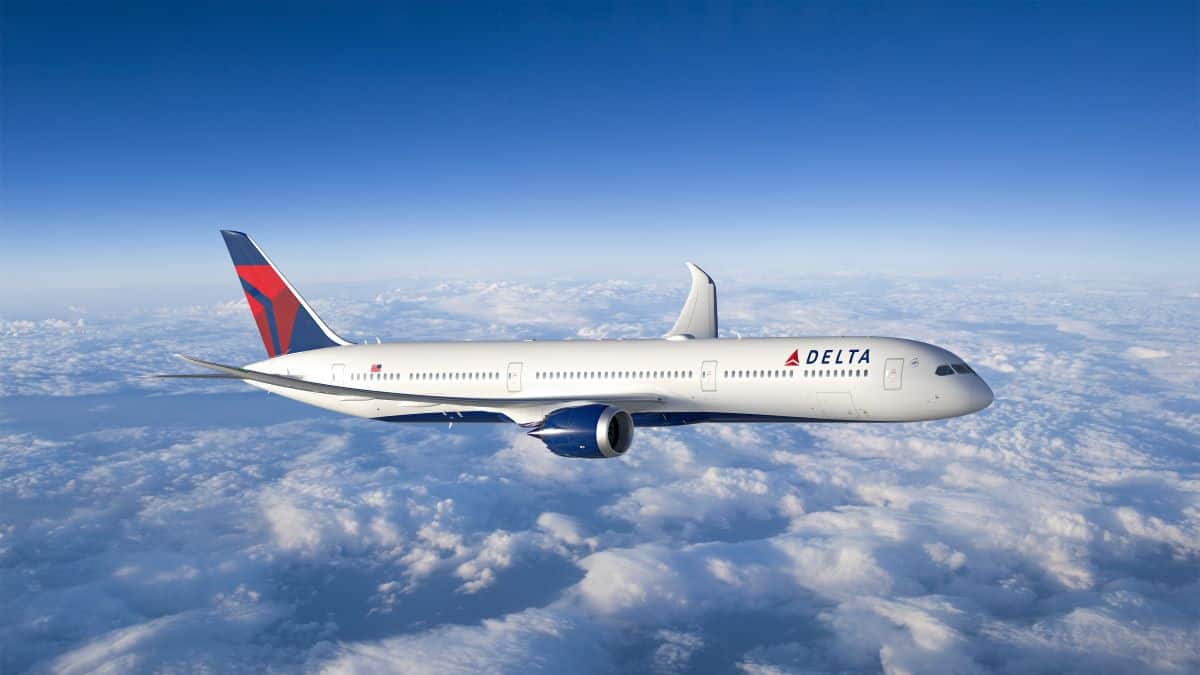
Delta Air Lines Flight DAL3157, operated by a Boeing 737-900 aircraft, was diverted while travelling from Louis Armstrong New Orleans International Airport (MSY) to Hartsfield-Jackson Atlanta International Airport (ATL) on 18 July 2026.
The aircraft departed New Orleans at approximately 3:22 PM and was scheduled to arrive in Atlanta at around 4:45 PM. During the journey, the flight changed its planned route and diverted to Augusta Regional Airport (AGS) in Augusta, Georgia, instead of continuing to Atlanta.
Advertisement
Advertisement
Available flight tracking information shows that the aircraft landed at Augusta Regional Airport before reaching its original destination.
The diversion affected passengers travelling between Louisiana and Georgia during the busy summer travel period.
Advertisement
Advertisement
The exact reason behind the diversion has not been publicly confirmed. However, flight diversions are standard aviation safety procedures that allow pilots and airline operations teams to respond to unexpected situations.
Augusta Regional Airport provided an alternative location where the aircraft could land safely and where passengers and crew could receive necessary support.
Advertisement
Advertisement
Why did Delta Air Lines Flight DAL3157 divert to Augusta Regional Airport?
Delta Air Lines Flight DAL3157 diverted to Augusta Regional Airport after the Boeing 737-900 operating the New Orleans to Atlanta route changed course during its scheduled flight.
The decision to divert suggests that the flight crew determined Augusta was the most suitable airport option at that time.
Commercial aircraft diversions can happen for various reasons, including technical inspections, weather conditions, medical situations, airport restrictions or precautionary operational decisions.
Delta Air Lines has not released a confirmed cause for the DAL3157 diversion.
Augusta Regional Airport is equipped to handle commercial aircraft and serves as an important regional airport in eastern Georgia.
When selecting a diversion airport, pilots consider multiple factors, including runway availability, weather conditions, aircraft requirements and access to airline support.
Advertisement
Advertisement
The priority behind every diversion decision is passenger and crew safety.
A diversion does not necessarily mean a serious emergency occurred. Many are precautionary actions designed to ensure problems are handled in the safest possible environment.
What happened to passengers travelling from New Orleans to Atlanta?
Passengers aboard Delta Air Lines Flight DAL3157 experienced an unexpected interruption after their planned journey to Atlanta was affected by the diversion to Augusta.
Following a diversion, airline teams typically evaluate the situation and provide passengers with updated travel information.
Depending on the reason for the diversion, passengers may continue their journey on the same aircraft after necessary checks, transfer to another aircraft or receive alternative arrangements.
Delta Air Lines operates one of the largest aviation networks in the United States, allowing the airline to coordinate support through multiple airports.
Advertisement
Advertisement
Travellers affected by flight disruptions are advised to monitor Delta notifications, check revised schedules and follow instructions from airport personnel.
Although diversions may cause delays, they are managed through established airline procedures designed to minimise inconvenience while maintaining safety.
The airline’s priority remains ensuring passengers reach their destination safely and efficiently.

How do flight diversions support aviation safety?
Flight diversions are an essential safety tool used throughout commercial aviation.
Pilots continuously monitor aircraft systems, weather conditions, fuel levels and operational information during every flight.
If unexpected circumstances arise, the crew evaluates whether continuing to the planned destination remains the safest option.
Advertisement
Advertisement
A diversion allows the aircraft to land at an airport with suitable facilities where inspections, assistance and operational support can be provided.
Modern aircraft such as the Boeing 737-900 are equipped with advanced systems that help crews identify and respond to potential issues.
Airlines also coordinate closely with air traffic controllers and airport teams to manage diverted flights.
These procedures demonstrate how aviation safety relies on preparation, communication and careful decision-making.
Rather than representing a failure of operations, diversions show how airlines proactively manage risks and protect passengers.
Why is Augusta Regional Airport important during aviation disruptions?
Augusta Regional Airport plays an important role in supporting air connectivity in eastern Georgia.
Advertisement
Advertisement
Located near Augusta, the airport provides commercial aviation services for the region and can support aircraft arriving outside normal schedules.
Regional airports like Augusta are valuable during flight disruptions because they provide additional landing options within the wider US aviation network.
For flights travelling between major hubs such as New Orleans and Atlanta, nearby regional airports can offer practical alternatives when continuing the journey is not the best option.
Augusta’s facilities allow airlines to coordinate passenger assistance, aircraft handling and operational support.
The ability of smaller airports to accommodate diverted aircraft helps strengthen the resilience of the national aviation system.

What should passengers know after the Delta Flight DAL3157 diversion?
Passengers affected by Delta Air Lines Flight DAL3157 should continue monitoring official airline communication channels for the latest travel updates.
Advertisement
Advertisement
Travellers should:
- Confirm revised departure information before continuing their journey.
- Check Delta Air Lines notifications.
- Follow airport staff instructions.
- Allow additional time for possible delays.
- Keep travel documents accessible.
Summer travel periods can experience increased passenger demand, weather disruptions and operational challenges.
Although diversions can affect schedules, they remain an important safety measure that allows airlines to manage unexpected circumstances responsibly.
Passengers should rely on official updates for accurate information about their onward travel arrangement
Conclusion: Why did Delta Air Lines Flight DAL3157 divert during its Atlanta journey?
Delta Air Lines Flight DAL3157, a Boeing 737-900, from Louis Armstrong New Orleans to Hartsfield-Jackson Atlanta, diverted to Augusta Regional Airport, Georgia, United States on July 18th, showing the importance of aviation safety procedures during unexpected flight situations. The latest update confirms that the aircraft safely changed its planned route and landed at Augusta Regional Airport instead of continuing to Atlanta. The reason behind the diversion has not been officially confirmed, but such decisions allow airlines to access operational resources, airport facilities and necessary passenger assistance. The answer is that flight diversions are a normal part of modern commercial aviation, designed to protect passengers, crew and aircraft. Delta Air Lines and airport teams work together to minimise disruption, restore travel plans and maintain the highest standards of safety and reliability.
Advertisement
