
Berlin Aligns with Munich and More Cities to Propel Germany Tourism GDP Over 20% Through Global Demand, Cruise Growth and Aviation Links

Published
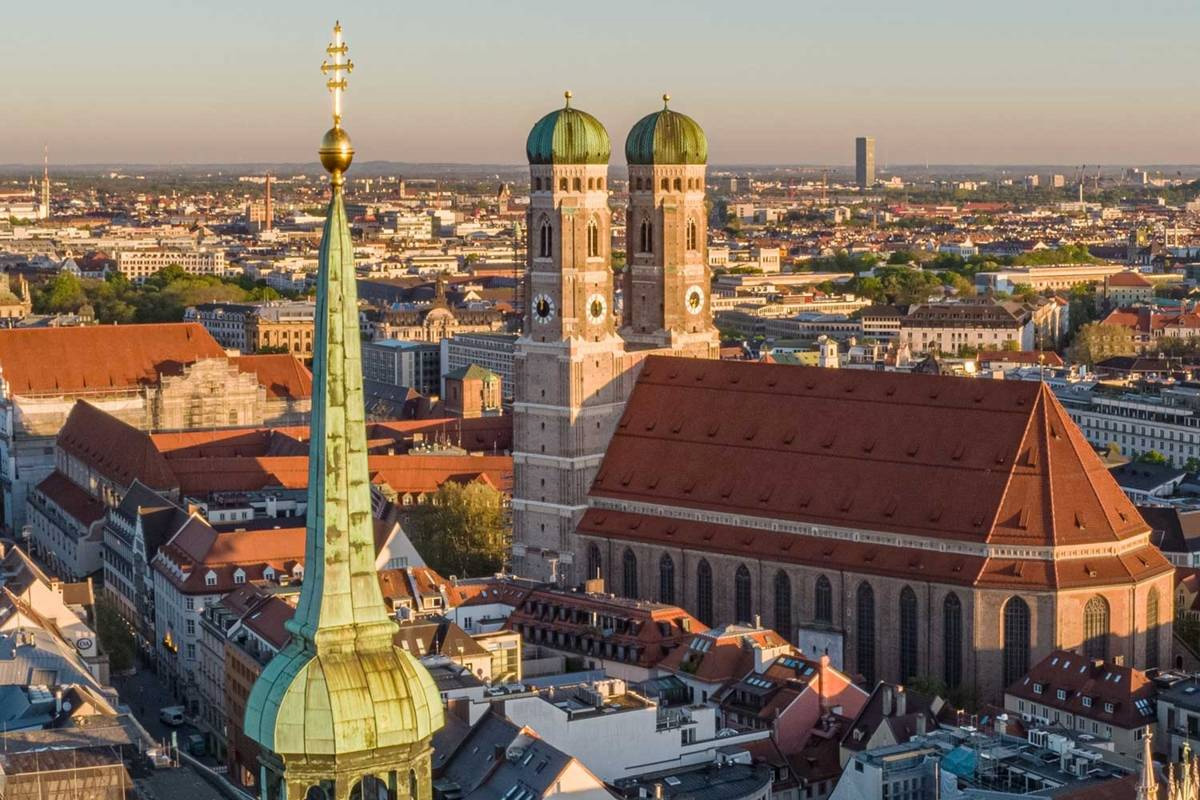
Germany’s tourism sector is entering a transformative economic phase as municipal travel boards in Berlin, Munich, Hamburg, and Frankfurt establish unprecedented cross-regional partnerships. This unified strategic alignment leverages expanding international aviation links, booming maritime cruise traffic, and surge in global demand to significantly elevate the country’s service economy. By streamlining transport logistics, promoting sustainable cultural itineraries, and co-investing in global destination marketing, these metropolitan centres are positioning the nation for record-breaking growth. Recent macroeconomic data highlights how this coordinated urban push is set to expand Germany tourism GDP contributions, driving sustainable revenue across accommodation, retail, and mobility sectors nationwide today.
Decentralised Urban Tourism in Germany: Historical Context and Structural Evolution
Post-Pandemic Trajectory and the Shift Towards Integrated Municipal Alliances
Historically, Germany’s tourism framework operated under a highly fragmented structure. Unlike centralized nations where capital cities dominate national tourism revenue, the Federal Republic of Germany has relied on a polycentric urban network. Major metropolitan areas—including Berlin, Munich, Hamburg, Frankfurt, Cologne, and Stuttgart—have traditionally managed independent marketing agencies, regional budget allocations, and overseas promotional campaigns. While this decentralised approach fostered rich regional diversity, it occasionally led to duplicated promotional expenditures and fragmented international marketing efforts.
Advertisement
Advertisement
Following the global disruption of travel networks between 2020 and 2022, the German travel industry underwent a profound structural re-evaluation. Initial recovery phases were sustained primarily by robust domestic leisure travel. However, as global long-haul markets reopened, municipal tourism leaders recognized that competing individually on the world stage was less effective than presenting an integrated, multi-city German travel experience. The establishment of unified inter-city alliances marks a departure from historic regional rivalry toward systematic national co-operation designed to maximize overseas visitor expenditure and optimize length of stay across multiple federal states.
                 FEDERAL REPUBLIC OF GERMANY
            Polycentric Tourism & Mobility Network
                              │
     ┌────────────────────────┼────────────────────────┐
     ▼                        ▼                        ▼
BERLIN HUB               MUNICH HUB               HAMBURG HUB
• Cultural Capital       • Alpine Gateway         • Maritime & Cruise
• MICE & Conventions     • Long-Haul Aviation     • Northern Port Logistics
• Sustainable Urbanism   • Premium Inbound Market • Shore-Power Clean Tech
     │                        │                        │
     └────────────────────────┼────────────────────────┘
                              ▼
                        FRANKFURT HUB
                   • Primary Air Mega-Hub
                   • Financial & Rail Intermodal
Understanding the Federal Model of Cultural and Tourism Promotion
Under the Basic Law (Grundgesetz) for the Federal Republic of Germany, legislative competence for cultural affairs and regional economic promotion rests primarily with the sixteen individual federal states (Länder). Consequently, state ministries for economic affairs maintain distinct tourism development strategies, funding models, and regional promotional boards. At the national level, the German National Tourist Board (GNTB / Deutsche Zentrale für Tourismus) operates on behalf of the Federal Ministry for Economic Affairs and Climate Action (BMWK) to market Germany abroad.
Advertisement
Advertisement
This institutional architecture requires deliberate institutional synergy. For municipal tourism boards like visitBerlin (Berlin Tourismus & Kongress GmbH) and München Tourismus to align their global sales funnels, they must harmonize state-level economic development targets with federal sustainability guidelines. By harmonising digital data platforms, aligning joint international trade fair appearances, and coordinating multi-destination marketing packages, Germany’s key municipal hubs are overcoming traditional administrative silos. This structural evolution enhances the overall efficiency of public tourism expenditures while delivering a seamless mobility and booking experience for international travellers.
Advertisement
Advertisement
Macroeconomic Baseline: Evaluating Direct and Indirect Value Added
To appreciate the scale of this structural alignment, it is necessary to examine official baseline metrics released by the Federal Statistical Office of Germany (Destatis). In its comprehensive Tourism Satellite Account (TSA) reporting, Destatis establishes that tourism direct gross value added historically reached €92 billion, representing approximately 3.1% of Germany’s total gross domestic product (GDP). When incorporating indirect economic multiplier effects—such as agricultural supply chains for gastronomy, municipal infrastructure investment, and intermediate service consumption—the total gross value added generated by tourism activity expands to €159 billion.
GERMANY TOURISM ECONOMIC STRUCTURE (DESTATIS TSA BASELINE)
┌─────────────────────────────────────────┬───────────────────────┐
│ Economic Metric                         │ Official Figures      │
├─────────────────────────────────────────┼───────────────────────┤
│ Direct Tourism Gross Value Added        │ €92.0 Billion         │
│ Direct Tourism GDP Contribution Share   │ 3.1%                  │
│ Total Gross Value Added (incl. Indirect)│ €159.0 Billion        │
│ Total Tourism Product Supply            │ €274.0 Billion        │
│ Domestic Product Supply Share           │ 88.0%                 │
│ Direct Employment in Tourism Sector     │ 1.9 Million Persons   │
│ Direct Employment Share of Total Labour │ 4.2%                  │
│ Total Employment (Direct & Indirect)    │ 2.7 Million Persons   │
│ Total Employment Share of Total Labour  │ 5.8%                  │
└─────────────────────────────────────────┴───────────────────────┘
Furthermore, the total supply of tourism goods and services within Germany reached €274 billion. Crucially, 88% of this total product supply is produced domestically, demonstrating that the economic impact of tourism retains a higher domestic retention rate than the wider macroeconomic average of 83%. Employment figures further underscore this economic foundational weight: direct tourism activities support 1.9 million jobs (4.2% of total national employment), while total direct and indirect employment reaches 2.7 million persons, or 5.8% of the national workforce.
2. Strategic Inter-City Alignment: Connecting Berlin, Munich, Hamburg, and Frankfurt
Synergistic Destination Marketing Across Key Urban Metropolises
The core of Germany’s updated urban strategy lies in the creation of cross-city travel corridors that combine distinct urban value propositions. Traditionally, an overseas visitor from North America or East Asia might select a single German gateway city before traveling onward to neighbouring European nations. Under the newly consolidated inter-city tourism cooperation framework, Berlin, Munich, Hamburg, and Frankfurt actively cross-promote multi-city itineraries designed to extend average lengths of stay.
Advertisement
Advertisement
For instance, promotional campaigns targeting long-haul markets present unified itineraries such as “Culture and Alpine Innovation” (linking Berlin’s contemporary arts and convention ecosystem with Munich’s technology and Bavarian heritage) or “Maritime Heritage and Financial Powerhouses” (connecting Hamburg’s maritime corridors with Frankfurt’s international banking district and aviation hub). By bundling high-speed Deutsche Bahn rail connections with municipal visitor passes, these cities make multi-destination travel within Germany more efficient than single-city stays.
               GERMAN METROPOLITAN URBAN CORRIDORS

  [ HAMBURG ] ────────── High-Speed ICE ────────── [ BERLIN ]
  Maritime / Ports                                Contemporary Culture
  Northern Cruises                                Convention Powerhouse
         │                                                  │
         │                                                  │
  High-Speed ICE                                     High-Speed ICE
         │                                                  │
         ▼                                                  ▼
 [ FRANKFURT ] ───────── High-Speed ICE ────────── [ MUNICH ]
 Financial Centre                                Alpine Gateway
 Air Mega-Hub                                    Tech & Tradition
Harmonising Municipal Tourism Boards with National Economic Goals
Aligning municipal destinations requires sophisticated digital data integration and synchronized promotional schedules. The urban alliance relies on shared open-data project platforms overseen by the German National Tourist Board. By standardising structured data across municipal event calendars, hotel availability engines, and cultural institution registries, the alliance enables AI-driven global travel platforms to render complex, multi-city German itineraries effortlessly.
Advertisement
Advertisement
This technical integration supports federal economic policies aimed at distributing high-yield tourist traffic beyond peak seasonal windows and primary gateway bottlenecks. When Munich experiences peak hotel occupancy during major international trade fairs or autumnal cultural events, synchronized travel algorithms suggest immediate travel corridors to Berlin or Hamburg, mitigating regional capacity constraints and preserving high visitor satisfaction levels.
Joint Promotional Campaigns Under the German National Tourist Board (GNTB)
Operating under the strategic supervision of the Federal Ministry for Economic Affairs and Climate Action (BMWK), the GNTB has pivoted its global promotional campaigns to emphasize sustainability, cultural heritage, and seamless connectivity. International marketing initiatives—such as “Simply Feel Good” (focusing on eco-certified travel) and “Cultureland Germany”—now explicitly incorporate the joint urban offerings of Berlin, Munich, Hamburg, and Frankfurt.
These campaigns strategically target source markets demonstrating high average daily expenditure and strong preferences for environmentally responsible travel. According to survey assessments published by the GNTB, international travel decision-makers have demonstrated growing confidence in Germany’s destination appeal, with 45% evaluating their current business outlook in Germany positively—a 17 percentage point increase quarter-on-quarter—and 51% expressing optimism regarding business development over the next six months.
3. Federal Policy Frameworks and Government Strategy Initiatives
The Federal Ministry for Economic Affairs and Climate Action (BMWK) Mandate
The overarching policy framework guiding Germany’s tourism expansion is anchored in the Federal Government’s National Tourism Strategy (Nationale Tourismusstrategie), coordinated by the Federal Ministry for Economic Affairs and Climate Action (BMWK). The strategy outlines three primary pillars: enhancing the economic competitiveness of domestic tourism enterprises, accelerating digital transformation across the value chain, and embedding strict climate protection measures into regional destination development.
┌─────────────────────────────────────────────────────────────────┐
│        FEDERAL NATIONAL TOURISM STRATEGY (BMWK MANDATE)         │
├────────────────────────────────┬────────────────────────────────┤
│ Strategic Pillar               │ Policy Implementation          │
├────────────────────────────────┼────────────────────────────────┤
│ Economic Competitiveness       │ SME digital grants, workforce  │
│                                │ development, yield expansion   │
├────────────────────────────────┼────────────────────────────────┤
│ Digital Transformation         │ GNTB Open-Data Knowledge Graph,│
│                                │ smart city destination tech    │
├────────────────────────────────┼────────────────────────────────┤
│ Climate Protection & Mobility  │ Rail-air intermodal transport, │
│                                │ port electrification, net-zero  │
└────────────────────────────────┴────────────────────────────────┘
The BMWK framework explicitly recognizes tourism as a cross-sectoral economic driver that stimulates urban renewal, rural infrastructure development, and international trade relations. To support the ambitious GDP expansion projections, federal policy prioritises investment in public charging infrastructure, high-speed rail corridor expansions, and digital capacity upgrades for medium and small tourism enterprises (SMEs), which constitute over 90% of the German hospitality ecosystem.
Advertisement
Advertisement
Sustainable Destination Management and Net-Zero Mobility Directives
Environmental sustainability has evolved from a marketing differentiator into an operational requirement within German federal policy. In accordance with European Union climate directives and national net-zero targets, the Federal Ministry for Digital and Transport (BMDV) and BMWK have implemented strict mobility guidelines. These include expanding high-speed intercity express (ICE) rail lines, incentivizing feeder-flight replacement via rail intermodal services, and modernizing urban public transit networks.
Berlin’s performance in the Global Destination Sustainability Index (GDS-Index)—where the German capital ranks 4th globally among major metropolitan cities with an overall performance score of 80.50%—serves as a blueprint for the urban alliance. By integrating carbon-neutral city transit passes directly into global hotel booking engines, the alliance ensures that urban tourism expansion aligns with national decarbonisation mandates.
Visa Streamlining, Consular Facilitation, and International Diplomatic Outreach
To support growing inbound demand from high-growth long-haul markets across Asia, the Middle East, and Latin America, the Federal Foreign Office (Auswärtiges Amt) has implemented targeted consular modernization initiatives. Digitised Schengen visa processing workflows, expanded appointment capacities at foreign missions, and streamlined paperwork requirements for corporate MICE delegates have significantly reduced administrative lead times.
These consular enhancements are paired with targeted bilateral agreements negotiated by federal economic delegations. By facilitating smooth visa processing for business travel groups, trade fair exhibitors, and leisure tour operators, Germany ensures that its international gateways remain accessible in an increasingly competitive global travel landscape.
4. Empirical Statistical Analysis of Inbound Demand and Tourist Overnight Stays
Destatis Inbound Tourism Data: Monthly and Multi-Year Comparisons
Official monthly empirical figures published by the Federal Statistical Office of Germany confirm steady momentum across the accommodation sector. In July 2026, accommodation establishments in Germany recorded 58.4 million overnight stays from domestic and international guests, representing a 3.2% increase compared to July 2025. Both domestic visitor stays (47.7 million, +3.2%) and foreign visitor stays (10.8 million, +3.2%) experienced identical year-on-year growth rates.
Advertisement
Advertisement
OVERNIGHT STAYS IN GERMANY (DESTATIS OFFICIAL DATA 2026)
┌──────────────────────────────┬──────────────────┬──────────────┐
│ Timeframe / Sector           │ Overnight Stays  │ Year-on-Year │
├──────────────────────────────┼──────────────────┼──────────────┤
│ July 2026 Total              │ 58.4 Million     │ +3.2%        │
│ July 2026 Domestic           │ 47.7 Million     │ +3.2%        │
│ July 2026 International      │ 10.8 Million     │ +3.2%        │
│ Jan–July 2026 Cumulative     │ 282.1 Million    │ +0.9%        │
│ Jan–July 2026 Domestic       │ 235.0 Million    │ +0.8%        │
│ Jan–July 2026 International  │ 47.1 Million     │ +1.0%        │
└──────────────────────────────┴──────────────────┴──────────────┘
Cumulative statistical tracking for the first seven months of 2026 reveals a total volume of 282.1 million overnight stays, marking a 0.9% increase over the corresponding period in 2025. Domestic overnight stays reached 235.0 million (+0.8%), while inbound tourist arrivals generated 47.1 million international overnight stays (+1.0%). International visitors accounted for a 16.7% share of total overnight stays during this seven-month window. While overall international volume remains approximately 7.2% below 2019 pre-pandemic benchmarks—which achieved an 18.1% international share—the deliberate alignment of major urban hubs directly targets this gap by driving high-yield overseas bookings.
Dissecting Source Markets: US, UK, European, and Transatlantic Feeder Growth
Disaggregating the international visitor profile reveals critical structural shifts in global source markets. The United States maintains its position as Germany’s single largest non-European long-haul source market, demonstrating resilience and high average daily spend. In cities like Berlin, American travellers constitute the top international visitor demographic, driving high demand for premium accommodation, cultural tours, and culinary experiences.
           TOP INTERNATIONAL SOURCE MARKETS (BERLIN HUB 2025/2026)

   Rank    Source Country    Visitor Profile & Market Dynamics
   ═════════════════════════════════════════════════════════════════
    1      United States     High-yield long-haul, premium hotels
    2      United Kingdom    Short-haul leisure, MICE, cultural events
    3      Netherlands       Regional road/rail, eco-conscious travel
    4      Spain             European urban breaks, cultural tourism
    5      Italy             Long-weekend breaks, MICE delegation
Within the European continent, the United Kingdom, the Netherlands, Spain, and Italy remain vital short-haul feeder markets. The UK market has shown robust recovery across both leisure and corporate MICE segments, supported by high-density international aviation links and direct high-speed rail connections via Western European hubs. Simultaneously, emerging source markets across Asia-Pacific and the Gulf Cooperation Council (GCC) nations exhibit rapid growth rates, benefiting from restored direct flight capacity into Frankfurt and Munich.
Yield Analysis: Average Length of Stay and Per-Capita Visitor Expenditure
While absolute visitor numbers provide essential volume metrics, economic yield—measured via per-capita expenditure and average length of stay—serves as the critical determinant of tourism GDP expansion. Historical Destatis data indicates that average foreign visitor expenditure in Germany stands at approximately $1,072 per trip, excluding international passenger transportation.
The strategic objective of the inter-city alliance is to elevate per-capita yield to over $1,350 by promoting higher-value multi-city packages and extending the average duration of stay from 2.1 nights per city to 4.5 nights across combined urban corridors. Long-haul visitors participating in multi-region itineraries generate significantly higher spend multipliers in local retail, gastronomy, and cultural sectors, directly amplifying the gross value added generated per international arrival.
Advertisement
Advertisement
5. International Aviation Infrastructure and Gateway Expansion
Dual-Hub Optimization: The Role of Frankfurt (FRA) and Munich (MUC) Airports
Air transport serves as the primary gateway for high-yielding long-haul international visitors. Germany’s national aviation strategy relies on a dual-hub model operated by Lufthansa Group at Frankfurt Airport (FRA) and Munich Airport (MUC). Frankfurt Airport remains one of Europe’s busiest aviation hubs, offering extensive direct long-haul routes to North America, South America, Asia, and Africa.
                    GERMAN DUAL-HUB AVIATION ARCHITECTURE

            ┌──────────────────────────────────────────┐
            │          GLOBAL LONG-HAUL ROUTES         │
            └────────────────────┬─────────────────────┘
                                 │
                   ┌─────────────┴─────────────┐
                   ▼                           ▼
        FRANKFURT AIRPORT (FRA)     MUNICH AIRPORT (MUC)
        Primary Global Hub          Secondary Premium Hub
        Intermodal ICE Train Station 5-Star Terminal Facilities
                   │                           │
                   └─────────────┬─────────────┘
                                 │
                                 ▼
                     GERMAN HIGH-SPEED RAIL (ICE)
              Direct Connectivity to Berlin, Hamburg & Beyond
Munich Airport complements Frankfurt by functioning as a high-efficiency hub with a strong focus on premium international passenger transport. In 2025 and 2026, flight schedule restorations have seen long-haul seat capacity at MUC return toward pre-pandemic levels, driven by expanded direct services to key Asian and North American commerce hubs. The inter-city alliance leverages this dual-hub strength by positioning Frankfurt and Munich as primary entry points, seamlessly feeding inbound tourists into high-speed rail networks bound for Berlin and Hamburg.
Berlin Brandenburg Airport (BER): Expanding Long-Haul Networks and Intermodal Rail
Berlin Brandenburg Airport (BER) plays an increasingly strategic role within the capital region’s economic growth strategy. While historically focused on point-to-point European routes, BER has systematically expanded its direct long-haul network, securing long-distance connections to North America, the Middle East, and East Asia.
A critical operational asset of BER is its integrated subterranean railway station (Flughafen BER – Terminal 1-2), which provides direct long-distance Intercity Express (ICE) and regional train connections. This intermodal infrastructure allows arriving long-haul passengers to board high-speed trains directly to Central Berlin, Leipzig, Hamburg, or Dresden, cutting transfer friction and eliminating the need for short-haul domestic feeder flights.
Mobility Directives from the Federal Ministry for Digital and Transport (BMDV)
The Federal Ministry for Digital and Transport (BMDV) actively promotes integrated air-rail intermodal transportation under its national mobility strategy. Through partnerships between Deutsche Bahn and major airlines (Lufthansa Express Rail), domestic flights on routes with robust high-speed rail alternatives are being systematically replaced by dedicated ICE train services with integrated baggage handling and guaranteed flight connections.
Advertisement
Advertisement
┌─────────────────────────────────────────────────────────────────┐
│               BMDV INTERMODAL MOBILITY DIRECTIVES               │
├──────────────────────────────┬──────────────────────────────────┤
│ Directive Objective          │ Implementation Focus             │
├──────────────────────────────┼──────────────────────────────────┤
│ Feeder Flight Replacement    │ Substitute short-haul flights    │
│                              │ with direct ICE air-rail links   │
├──────────────────────────────┼──────────────────────────────────┤
│ Single-Ticket Luggage Sync   │ Integrated booking across rail,  │
│                              │ airline, and municipal transit   │
├──────────────────────────────┼──────────────────────────────────┤
│ Station Infrastructure Upgrade│ Terminal-to-platform seamless    │
│                              │ accessibility and digital signage│
└──────────────────────────────┴──────────────────────────────────┘
This modal shift significantly reduces the carbon footprint of inbound travel while freeing up valuable airport runway slots for lucrative international long-haul aircraft. The policy aligns directly with European green transport targets, making Germany a leader in sustainable long-distance tourist transport logistics.
6. Maritime and River Cruise Sector Dynamics: Expanding Coastal and Inland Corridors
Northern Coastal Ports: Hamburg, Rostock-Warnemünde, and Kiel Performance
While urban and cultural tourism generate substantial national volume, Germany’s maritime cruise industry represents a crucial high-expenditure segment contributing directly to regional coastal economies. The northern port cluster—comprising the Port of Hamburg (managed via Cruise Gate Hamburg), Rostock-Warnemünde, and Kiel—serves as the primary gateway for Baltic Sea, Norwegian Fjord, and Northern European cruise itineraries.
                    GERMAN MARITIME CRUISE CLUSTER

     PORT OF HAMBURG          ROSTOCK-WARNEMÜNDE           PORT OF KIEL
   • Elbe River Gateway       • Direct Berlin Rail Link  • Baltic Hub
   • Year-Round Operations    • Deep-Water Terminals     • High-Capacity Shore Power
   • Shore-Power Leader       • High Turnaround Volume   • Scandinavian Links
The Port of Hamburg has expanded its cruise handling capabilities across three modern terminals (Altona, Steinwerder, and Baakenhöft), recording robust passenger embarkation and turnaround figures. Rostock-Warnemünde functions as the principal maritime turnaround port for international cruise passengers visiting Berlin, benefiting from direct rail charter services that transport cruise guests from shipside to the capital in under two hours. Kiel maintains high turnaround volumes for Scandinavian and Baltic routes, generating substantial pre- and post-cruise hotel stays across Schleswig-Holstein.
Shore Power Infrastructure Mandates and Environmental Compliance
To mitigate maritime emissions in urban port zones, Germany leads Europe in the installation of land-based electrical power supply systems (shore power / Landstrom). Under federal environmental mandates overseen by the BMDV and regional port authorities, all major German cruise terminals in Hamburg, Kiel, and Rostock-Warnemünde are equipped with high-capacity shore power facilities.
┌─────────────────────────────────────────────────────────────────┐
│                GERMAN PORT SHORE POWER INTEGRATION              │
├───────────────────┬─────────────────────────────────────────────┤
│ Cruise Port       │ Shore Power Capabilities                    │
├───────────────────┼─────────────────────────────────────────────┤
│ Hamburg           │ Altona & Steinwerder operational; 100% renewable│
│ Rostock-Warnemünde│ High-voltage berth connection operational   │
│ Kiel              │ Multi-vessel simultaneous shore power grid  │
└───────────────────┴─────────────────────────────────────────────┘
By connecting to 100% renewable land-based electricity grids while berthed, cruise ships turn off their auxiliary diesel generators, eliminating local air pollutant emissions and reducing greenhouse gas outputs. Cruise lines operating in German waters face strict regulatory incentives favoring zero-emission port operations, positioning the maritime cruise sector as a model of environmental compliance.
Advertisement
Advertisement
River Cruise Corridors: Economic Impact of the Rhine, Danube, and Elbe Rivers
Inland waterway cruise travel represents an additional high-value tourist segment that penetrates deep into Germany’s regional hinterland. The Rhine, Danube, Main, and Elbe rivers form an interconnected network navigated by premium river cruise vessels catering primarily to high-spending North American, British, and Australian travellers.
River cruise guests generate substantial economic impact for historic mid-sized cities—such as Cologne, Koblenz, Mainz, Heidelberg, Nuremberg, Regensburg, and Passau—that do not typically receive high-volume direct long-haul flights. The localized spend on guided cultural tours, regional gastronomy, craft retail, and entrance fees for historical sites distributes international tourism capital directly into regional economies, supporting small businesses and cultural preservation.
7. Macroeconomic Impact Assessment: Tourism as a Multiplier for GDP Growth
Quantitative Mapping of Direct, Indirect, and Induced Value Creation
The macroeconomic contribution of tourism extends far beyond the immediate point-of-sale revenues collected by accommodation providers and airlines. Utilizing standard Input-Output models defined by Destatis, the economic impact of tourism can be quantified across three distinct tiers:
- Direct Value Creation: Direct expenditure by domestic and foreign travellers on overnight stays, food and beverage services, passenger transport, cultural activities, and recreational retail.
- Indirect Value Creation: Intermediate demand generated by tourism operational enterprises purchasing goods and services from upstream suppliers. This includes hotel food procurement from domestic agriculture, commercial laundry services, architectural renovation contracts, and IT platform maintenance.
- Induced Value Creation: Economic activity generated when employees within the direct and indirect tourism supply chains spend their earned wages within the broader national economy, driving general retail, housing, and service consumption.
               MACROECONOMIC VALUE CREATION TIERS

  ┌─────────────────────────────────────────────────────────┐
  │                 DIRECT TOURISM SPENDING                 │
  │     Hotels, Restaurants, Transport, Cultural Sites     │
  └────────────────────────────┬────────────────────────────┘
                               │
                               ▼
  ┌─────────────────────────────────────────────────────────┐
  │              INDIRECT SUPPLY CHAIN DEMAND               │
  │  Agriculture, Commercial Services, Energy, IT, Construction│
  └────────────────────────────┬────────────────────────────┘
                               │
                               ▼
  ┌─────────────────────────────────────────────────────────┐
  │                 INDUCED WAGE RE-SPENDING                │
  │     Employee Expenditure in Broader National Economy    │
  └─────────────────────────────────────────────────────────┘
When evaluated across these combined tiers, every €1.00 of direct tourism expenditure in Germany generates an estimated additional €0.73 in indirect and induced gross value added across secondary industries, demonstrating a powerful economic multiplier effect.
Employment Generation Across Hospitality, Logistics, and Service Sectors
The labor-intensive nature of travel and hospitality makes the sector a cornerstone of federal employment policy. Direct employment in German tourism accounts for 1.9 million jobs, with accommodation and food/beverage services employing nearly 51% of this total workforce. When accounting for indirect and induced employment, the sector supports 2.7 million jobs—representing 5.8% of total national employment.
Advertisement
Advertisement
TOURISM EMPLOYMENT STRUCTURE IN GERMANY (DESTATIS DATA)
┌──────────────────────────────────────────────┬──────────────────┐
│ Employment Category                          │ Total Personnel  │
├──────────────────────────────────────────────┼──────────────────┤
│ Direct Tourism Employment                    │ 1.9 Million      │
│ Direct Share of National Labor Force         │ 4.2%             │
│ Combined Direct & Indirect Employment        │ 2.7 Million      │
│ Combined Share of National Labor Force       │ 5.8%             │
│ Food & Beverage Services Share (Direct)      │ ~51.0%           │
└──────────────────────────────────────────────┴──────────────────┘
Significantly, the tourism industry provides diverse employment opportunities across skill levels and regional geography. From specialized hospitality management and digital logistics engineering to vocational culinary positions and regional tour guiding, the sector serves as a vital entry point into the formal labor market. Federal initiatives focused on vocational training (Duales Ausbildungssystem) ensure that workforce skills keep pace with rising international service expectations.
Mitigating Regional Disparities Through Distributed Tourist Expenditure
A primary economic objective of the Federal Government’s spatial planning policy (Raumordnung) is reducing structural economic imbalances between dense metropolitan regions and rural peripheral areas. Tourism serves as one of the most effective market-based mechanisms for redistributing purchasing power from affluent urban centres into rural regions.
When international visitors enter Germany via primary gateways like Frankfurt or Munich and travel onward to rural destinations—such as the Black Forest, the Bavarian Alps, the Baltic Sea coast, or the Mecklenburg Lake District—they inject capital directly into local rural businesses. Camping tourism and rural holiday accommodation have experienced notable growth, with domestic camping overnight stays increasing significantly across coastal and alpine regions. This spatial distribution stabilizes rural tax bases, preserves regional public transit lines, and sustains local cultural heritage institutions.
8. Sector-Wide Industry Impact: Hospitality, Retail, and MICE Infrastructure
Hotel Sector Performance Metrics: Occupancy Rates, ADR, and RevPAR Trends
The growth in overnight stays in Germany has directly supported performance metrics across the commercial accommodation sector. Hotel performance indicators—specifically Average Daily Rate (ADR) and Revenue Per Available Room (RevPAR)—have demonstrated steady upward trajectories in major metropolitan cities.
METROPOLITAN HOTEL SECTOR PERFORMANCE METRICS (2025/2026 INDICATORS)
┌───────────────────┬───────────────────┬─────────────────┬──────────────────┐
│ City Hub          │ Annual Overnights │ Int'l Guest Share│ Performance Focus │
├───────────────────┼───────────────────┼─────────────────┼──────────────────┤
│ Berlin            │ >29.0 Million     │ 41.0%           │ Cultural/MICE    │
│ Munich            │ >18.5 Million     │ ~38.0%          │ Corporate/Luxury │
│ Hamburg           │ >15.0 Million     │ ~25.0%          │ Leisure/Maritime │
│ Frankfurt         │ >10.5 Million     │ ~42.0%          │ Trade Fair/Air   │
└───────────────────┴───────────────────┴─────────────────┴──────────────────┘
Berlin recorded over 29 million overnight stays in 2025/2026, supported by more than 700 accommodation establishments. International visitors generated 41% of Berlin’s total overnight volume, driving elevated occupancy during prime convention and festival seasons. In Munich and Frankfurt, luxury and corporate hotel segments have benefited from the return of high-budget business delegations and international trade fair attendees, driving RevPAR expansion even during off-peak leisure months.
Advertisement
Advertisement
MICE Ecosystem Resurgence: Business Conventions and Trade Fair Synergies
Germany is Europe’s dominant market for trade fairs, conventions, and corporate conferences (MICE—Meetings, Incentives, Conferences, and Exhibitions). The country hosts two-thirds of the world’s leading trade fairs, supported by world-class exhibition grounds in Frankfurt (Messe Frankfurt), Munich (Messe München), Berlin (Messe Berlin), Cologne, and Düsseldorf.
                  GERMAN MICE SECTOR SYNERGY MODEL

  ┌─────────────────────────────────────────────────────────┐
  │                 GLOBAL MICE DELEGATE                    │
  │     Attends Trade Fair in Frankfurt / Munich / Berlin   │
  └────────────────────────────┬────────────────────────────┘
                               │
                               ▼
  ┌─────────────────────────────────────────────────────────┐
  │            BLEISURE EXPANSION (WORKATION)               │
  │ Extends stay by 2-4 days for leisure, culture, retail   │
  └────────────────────────────┬────────────────────────────┘
                               │
                               ▼
  ┌─────────────────────────────────────────────────────────┐
  │             HIGH-YIELD REGIONAL BENEFIT                 │
  │ Premium hotel rates, fine dining, regional rail travel  │
  └─────────────────────────────────────────────────────────┘
The MICE segment is undergoing a significant evolution driven by the rise of “bleisure” travel (combining business trips with leisure extensions) and workations. International trade fair delegates arriving in Frankfurt or Munich increasingly extend their stays by several days to explore cultural corridors in Berlin or Hamburg. Because MICE delegates display an average daily expenditure nearly double that of conventional leisure travellers, the resurgence of this sector directly accelerates national tourism gross value added.
Secondary Beneficiaries: Cultural Institutions, Urban Retail, and Local Transit
The economic dividends of inbound tourism ripple through urban commercial ecosystems. Cultural institutions—including world-renowned museum clusters like Berlin’s Museum Island (Museumsinsel), Munich’s Alte Pinakothek, and Hamburg’s Elbphilharmonie—depend significantly on international ticket sales and gift shop retail to support operating budgets.
Urban retail hubs, ranging from luxury shopping avenues like Kurfürstendamm in Berlin and Maximilianstraße in Munich to historic city centre retail zones, benefit from high tax-free shopping volumes generated by overseas visitors. Furthermore, municipal public transit operators (such as BVG in Berlin or MVG in Munich) capture elevated ticket revenues through multi-day visitor travel passes, funding ongoing municipal transit modernization and electrification.
9. In-Depth Regional Case Studies: Executing Inter-City Synergies
Berlin: Cultural Capital, International Conventions, and Sustainable Urban Mobility
As Germany’s political capital and largest urban tourist destination, Berlin plays a leading role within the multi-city alliance. Official statistics from the Berlin-Brandenburg Statistics Office confirm that Berlin welcomed approximately 12 million visitors in 2025, generating over 29 million overnight stays. International visitors accounted for 4.5 million arrivals (41% of total overnight stays), led by source markets in the United States, the United Kingdom, the Netherlands, Spain, and Italy.
Advertisement
Advertisement
           BERLIN URBAN TOURISM METRICS (2025/2026 OFFICIAL DATA)

  Metric                                  Value / Benchmark
  ═════════════════════════════════════════════════════════════════
  Total Annual Overnight Stays           >29.0 Million
  Total Annual Visitors                  ~12.0 Million
  International Visitor Share            41.0%
  Domestic Visitor Share                 59.0%
  Accommodation Establishments           >700 Establishments
  Global Sustainability Rank (GDS)       4th Worldwide (80.50% Score)
Berlin’s tourism strategy, spearheaded by visitBerlin, prioritises sustainable urban tourism management. The city ranks 4th globally in the Global Destination Sustainability Index (GDS-Index) among major metropolises with a score of 80.50%, underscoring its leadership in environmental management, social inclusivity, and green mobility. Through initiatives like the Berlin Tourist Info digital network and neighbourhood-focused destination management (Kiez-Tourismus), Berlin actively disperses tourist foot traffic away from congested central zones into outer boroughs, ensuring local communities benefit directly from visitor expenditure.
Munich and Bavaria: High-Tech Enterprise, Alpine Gateways, and Cultural Heritage
Munich functions as Southern Germany’s primary economic, technological, and cultural powerhouse. Supported by Munich Airport’s high-density long-haul flight network, the Bavarian capital welcomes millions of international travellers annually. The city combines high-tech industrial corporate travel with global cultural events, such as the world-famous Oktoberfest, international opera festivals, and major trade expositions at Messe München.
Munich’s strategic role in the urban alliance focuses on acting as an international gateway for high-spending long-haul visitors from North America, East Asia, and the Gulf region. By coordinating with Berlin and Hamburg, München Tourismus promotes multi-destination itineraries that encourage visitors to experience Bavarian heritage before traveling northward via ICE rail to explore Berlin’s cultural landmarks or Hamburg’s maritime corridors.
Hamburg and the Maritime Belt: Port Logistics, Cultural Tourism, and Cruise Traffic
Hamburg, Germany’s second-largest city, offers a distinctive maritime travel environment centered on its historic port, UNESCO World Heritage Speicherstadt warehouse district, and world-class cultural venue Elbphilharmonie. Hamburg’s tourism ecosystem benefits from a balanced mix of domestic leisure travel, corporate conventions, and high-volume cruise vessel calls.
HAMBURG MARITIME TOURISM STRATEGIC TRIAD
┌─────────────────────────┬──────────────────────────────────────┐
│ Strategic Focus Area    │ Operational Assets                   │
├─────────────────────────┼──────────────────────────────────────┤
│ Maritime Infrastructure │ Port of Hamburg, Cruise Gate Terminals│
├─────────────────────────┼──────────────────────────────────────┤
│ Cultural Landmarks      │ Elbphilharmonie, Speicherstadt UNESCO│
├─────────────────────────┼──────────────────────────────────────┤
│ Green Port Innovation   │ Renewable shore power electrification│
└─────────────────────────┴──────────────────────────────────────┘
Hamburg’s alignment with Berlin is reinforced by ultra-frequent, high-speed rail connections connecting Hamburg Central Station (Hamburg Hauptbahnhof) to Berlin Central Station (Berlin Hauptbahnhof) in under 100 minutes. This rapid connectivity allows international travellers landing at Berlin Brandenburg Airport to integrate Hamburg easily into their German itineraries, generating economic activity for northern hotel, maritime, and retail sectors.
Advertisement
Advertisement
Frankfurt and the Rhine-Main Region: Financial Metropolis and Transport Nexus
Frankfurt am Main serves as Europe’s financial capital and Germany’s primary transport nexus. Home to the European Central Bank, Deutsche Bundesbank, and Frankfurt Stock Exchange, the city generates consistent high-yield international corporate travel. Frankfurt Airport (FRA) handles tens of millions of international passengers annually, providing unmatched air-to-rail transit connectivity via its long-distance train station.
                   FRANKFURT TRANSPORT & TOURISM NEXUS

            ┌──────────────────────────────────────────┐
            │        FRANKFURT AIRPORT (FRA)           │
            └────────────────────┬─────────────────────┘
                                 │
                   ┌─────────────┴─────────────┐
                   ▼                           ▼
        CORPORATE FINANCIAL CENTRE      INTERMODAL RAIL GATEWAY
        Messe Frankfurt Trade Fairs    Direct ICE Trains Across Germany
                   │                           │
                   └─────────────┬─────────────┘
                                 │
                                 ▼
                     RHINE-MAIN REGIONAL EXPANSION
             Museumsufer, Rheingau Wine Region, Historic Spas
Under the unified city alliance, Frankfurt acts as the primary arrival distribution engine for long-haul visitors entering Germany. Tourismus+Congress GmbH Frankfurt works in tandem with regional travel boards across the Rhine-Main area, encouraging arriving long-haul transit passengers to spend several days exploring Frankfurt’s cultural museum embankment (Museumsufer) and the neighboring Rheingau wine region before connecting to northern or southern destination corridors.
10. Long-Term Future Outlook and Strategic Economic Projections
Forecasting Demand Trajectories Through 2030 Across Key Demographics
Long-term macroeconomic projections published by the GNTB and OECD indicate sustained expansion for German incoming tourism through 2030. International overnight stays are projected to recover fully to pre-pandemic records and surpass 100 million annual international overnights by 2028, driven by long-haul growth from North America, Asia, and Latin America.
PROJECTED INTERNATIONAL OVERNIGHT TRAJECTORY (GERMANY 2024–2030)
┌───────────────────────┬────────────────────────┬───────────────────────┐
│ Milestone Year        │ Est. Int'l Overnights  │ Strategic Focus       │
├───────────────────────┼────────────────────────┼───────────────────────┤
│ 2024 (Baseline)       │ ~80.0 Million          │ Network Recovery      │
│ 2026 (Current Axis)   │ ~85.0 Million          │ Inter-City Alignment  │
│ 2028 (Projection)     │ >100.0 Million         │ Long-Haul Expansion   │
│ 2030 (Target)         │ ~110.0 Million         │ Net-Zero Destination  │
└───────────────────────┴────────────────────────┴───────────────────────┘
This volume growth will be paired with structural shifts in traveller demographics. Millennial and Gen-Z international travellers demonstrate higher demand for eco-certified accommodation, immersive local cultural experiences, and seamless digital booking environments. The strategic focus of the Berlin-Munich-Hamburg-Frankfurt alliance ensures that Germany’s urban tourism products align directly with these changing consumer preferences.
Technological Integration, Smart Destinations, and AI Travel Logistics
The next phase of Germany’s tourism strategy relies on advanced artificial intelligence and smart destination management technologies. The GNTB’s Open-Data Knowledge Graph project, which aggregates structured data from thousands of tourism providers across Germany, is enabling conversational AI travel assistants and navigation platforms to provide real-time, highly personalized itinerary recommendations.
Advertisement
Advertisement
                     GNTB KNOWLEDGE GRAPH ECOSYSTEM

   Data Ingestion        Processing Engine         Consumer Application
  ┌──────────────┐      ┌─────────────────┐      ┌──────────────────────┐
  │ Municipal    │─────▶│ GNTB Open-Data  │─────▶│ AI Travel Assistants │
  │ Event Feeds  │      │ Knowledge Graph │      │ Dynamic Routing      │
  └──────────────┘      └─────────────────┘      └──────────────────────┘
  ┌──────────────┐               ▲               ┌──────────────────────┐
  │ Deutsche Bahn│───────────────┤               │ Smart Destination    │
  │ Real-Time    │               │               │ Visitor Management   │
  └──────────────┘               │               └──────────────────────┘
  ┌──────────────┐               │
  │ Hotel / MICE │───────────────┘
  │ Registries   │
  └──────────────┘
Arriving international travellers can receive dynamically optimized route suggestions that adjust to real-time weather conditions, train schedules, museum crowd density, and local festival schedules. By leveraging predictive analytics to manage visitor flows, German smart cities can prevent over-tourism in sensitive historic districts while maximizing revenue distribution across local retail and hospitality businesses.
Strategic Recommendations for Policy Makers and Tourism Stakeholders
To ensure that projected tourism GDP expansion is realized sustainably, policy makers and industry leaders should focus on several strategic imperatives:
- Expand Intermodal Rail Capacity: Accelerate federal investments in high-speed rail bottlenecks, ensuring high-frequency ICE connections between major airports and urban hubs.
- Accelerate Decarbonisation Infrastructure: Extend shore power installations across secondary river cruise ports and mandate 100% renewable energy use for municipal transport networks.
- Modernise Consular Workflows: Continue expanding digital Schengen visa processing systems to eliminate administrative bottlenecks in high-growth Asian and Middle Eastern markets.
- Support Workforce Development: Address skilled labor shortages within hospitality and gastronomy through targeted vocational training programmes and simplified foreign worker certification.
- Deepen Municipal Open-Data Alignment: Ensure medium and small tourism enterprises (SMEs) are fully integrated into national open-data registries, maximizing their visibility on global digital platforms.
Through disciplined execution of these policy priorities, the unified city alliance between Berlin, Munich, Hamburg, and Frankfurt will continue to propel Germany’s service economy forward, establishing a global benchmark for sustainable, high-yield destination management.
Advertisement
