
Portugal Tourism Showcases Lisbon and Porto Cultural Attractions with Cooler Indoor Discoveries for Travellers

Updated
Published
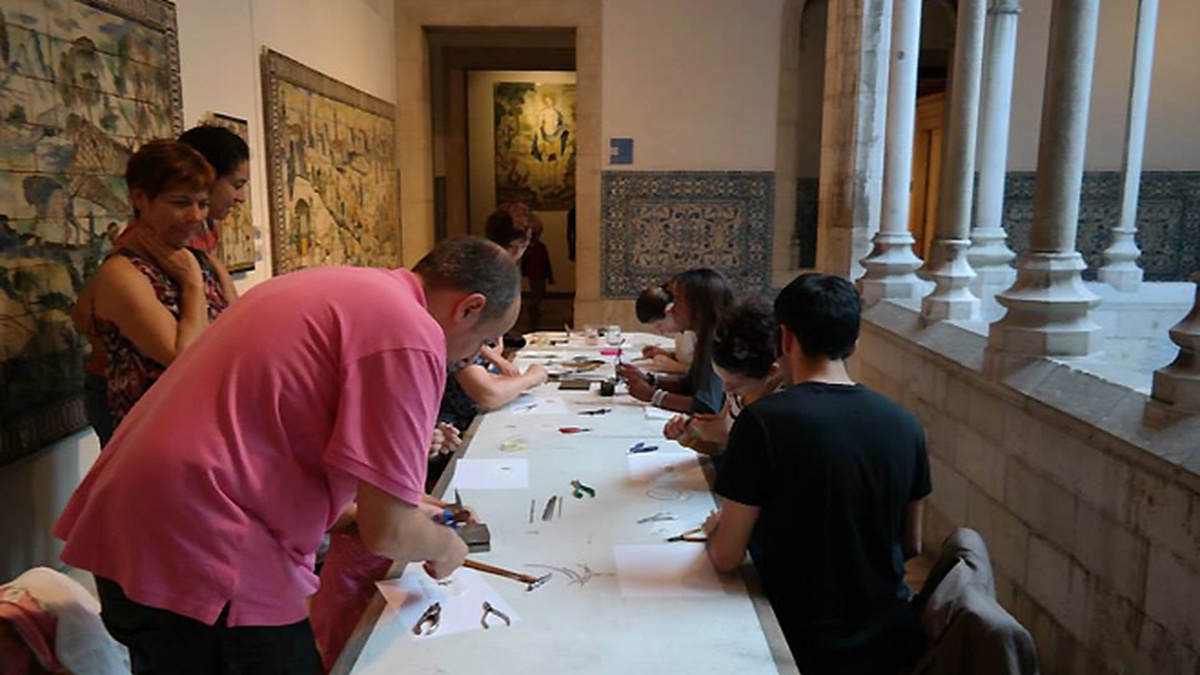
Portugal is strengthening its cultural tourism appeal by positioning museums, galleries, cultural centres and indoor heritage venues in Lisbon and Porto as year-round visitor experiences, especially during warmer travel periods. The emerging tourism angle is not a new attraction launch, but a shift in how travellers can experience Portugal beyond beaches and outdoor sightseeing. Supported by the country’s growing tourism economy, extensive cultural infrastructure and increasing demand for meaningful experiences, Portugal’s indoor cultural network is becoming an important tool for extending visitor stays, improving destination balance and creating new opportunities for travel planners.
Portugal Tourism Moves Towards Climate-Smart Cultural Exploration Through Lisbon And Porto
Portugal is increasingly presenting cultural tourism as a strategic way to diversify visitor experiences, with Lisbon and Porto emerging as key gateways where travellers can combine heritage, creativity and indoor discovery throughout the year.
The latest tourism opportunity lies in transforming traditional sightseeing patterns. Instead of concentrating visits around beaches, viewpoints and outdoor monuments, travellers are increasingly able to build itineraries around museums, galleries, exhibitions, architecture spaces and cultural institutions during the hottest hours of the day.
This creates a new travel planning approach for tour operators and destination managers: climate-aware cultural tourism.
Advertisement
Advertisement
The concept connects visitor comfort with destination management. It allows Portugal to promote longer stays, distribute tourist activity across more experiences and encourage travellers to explore urban culture beyond peak outdoor hours.
Advertisement
Advertisement
According to Turismo de Portugal, the country recorded 32.5 million guests, including 19.7 million international visitors, in 2025, while tourism revenues reached €29.1 billion, showing the continued importance of tourism as an economic sector.
Lisbon Becomes Portugal’s Leading Indoor Cultural Gateway For Experience-Led Travel
Lisbon is strongly associated with Portugal’s cultural tourism identity because of its concentration of museums, creative institutions, historic buildings and visitor experiences.
The city provides travellers with multiple indoor options ranging from traditional heritage collections to contemporary art spaces. These include major cultural destinations such as the Museum of Art, Architecture and Technology, the Calouste Gulbenkian Foundation’s collections and several national museums. Turismo de Portugal highlights Lisbon’s museums and cultural institutions as important components of the country’s heritage tourism offer.
The strategic importance of Lisbon is linked to its ability to serve different traveller segments:
| Traveller Segment | Indoor Cultural Opportunity |
|---|---|
| Leisure visitors | Museums, exhibitions and historic interiors |
| Luxury travellers | Private cultural experiences and heritage tours |
| Families | Educational museums and interactive attractions |
| Senior travellers | Comfortable sightseeing alternatives |
| MICE visitors | Cultural activities combined with conferences |
The city’s cultural infrastructure also supports shorter city-break packages, where travellers can experience multiple attractions without depending entirely on weather conditions.
Advertisement
Advertisement
For travel advisors, Lisbon’s indoor tourism network creates opportunities to design flexible itineraries that remain attractive during periods of high temperatures, seasonal weather changes or changing traveller preferences.
Porto Expands Cultural Tourism Appeal Through Heritage And Creative Experiences
Porto represents another important pillar of Portugal’s cultural tourism strategy.
Known internationally for its historic centre, architecture and creative atmosphere, Porto offers travellers a different cultural profile from Lisbon. The city combines heritage preservation with contemporary arts, design, music and local identity.
Portugal’s official tourism platforms highlight museums, monuments and cultural attractions across the country, including Porto’s heritage venues and visitor experiences.
Key cultural experiences associated with Porto include:
Advertisement
Advertisement
| Cultural Area | Visitor Experience |
|---|---|
| Heritage buildings | Historic architecture and preservation sites |
| Art institutions | Contemporary and traditional collections |
| Music and creativity | Cultural performances and creative spaces |
| Local identity | Portuguese history, craftsmanship and traditions |
This makes Porto particularly suitable for travellers seeking slower, more immersive journeys rather than only landmark-based tourism.
The city also supports a broader trend within European tourism: visitors increasingly want experiences that provide cultural understanding, local connection and educational value.
The New Tourism Angle Portugal Can Offer Global Travel Markets
The most important development for the travel industry is not simply promoting indoor attractions. The larger opportunity is Portugal’s ability to reposition cultural venues as essential parts of the main travel itinerary.
Historically, many Mediterranean destinations have marketed themselves through outdoor assets such as beaches, landscapes and historic streets. However, rising temperatures and changing traveller expectations are encouraging destinations to develop more balanced tourism products.
Portugal’s cultural infrastructure provides a ready-made solution.
Advertisement
Advertisement
The country already has a broad network of museums, monuments and heritage locations. Turismo de Portugal’s official visitor platform lists more than a thousand museums, monuments and heritage sites available for travellers nationwide.
This creates several strategic benefits:
| Tourism Challenge | Cultural Tourism Response |
|---|---|
| Summer heat | Indoor sightseeing alternatives |
| Seasonal concentration | Year-round visitor activities |
| Short city breaks | Multi-day cultural itineraries |
| Visitor pressure at famous outdoor sites | More diversified experiences |
| Demand for authentic travel | Heritage-based engagement |
For tour operators, this means Portugal can be sold not only as a sunshine destination but also as a cultural discovery destination suitable across seasons.
Economic Impact And Destination Management Opportunities
Portugal’s tourism growth has increased the importance of creating higher-value visitor experiences.
Official tourism data shows that nearly half of overnight stays in 2025 were concentrated in the Greater Lisbon region and Algarve, demonstrating the importance of managing demand across major destinations.
Advertisement
Advertisement
Lisbon’s cultural offer can help increase visitor spending by encouraging travellers to:
- stay longer in urban destinations
- visit multiple attractions
- participate in guided cultural experiences
- combine heritage with food, shopping and local activities
Porto similarly benefits from cultural tourism because visitors often connect heritage experiences with gastronomy, wine tourism and creative industries.
The broader industry implication is that cultural tourism can support economic distribution by moving visitor attention beyond traditional outdoor attractions.
Why This Matters For International Travel Advisors And Tour Operators
For global travel sellers, Portugal’s cultural tourism positioning provides a stronger product proposition.
The destination can be packaged around:
Advertisement
Advertisement
- summer city breaks with indoor cultural programmes
- premium heritage journeys
- educational travel
- senior-friendly itineraries
- creative tourism experiences
- luxury cultural escapes
This approach also supports sustainable destination management by encouraging visitors to explore a wider range of attractions instead of concentrating only on the most famous outdoor locations.
Portugal’s official tourism strategy has increasingly focused on enhancing visitor experiences, strengthening competitiveness and promoting tourism across different territories.
Operational Takeaways For Travel Agents And Tour Operators
- Build Portugal itineraries that combine outdoor sightseeing with indoor cultural experiences.
- Promote Lisbon and Porto as year-round cultural city-break destinations.
- Include museums, galleries and heritage venues as core itinerary elements rather than backup activities.
- Design flexible schedules with indoor experiences during warmer afternoon periods.
- Target premium travellers seeking authentic cultural engagement.
- Create family and senior-friendly packages using accessible cultural attractions.
- Use cultural tourism products to extend visitor stays beyond traditional beach holidays.
- Monitor seasonal weather patterns when planning Portugal summer programmes.
Long-Term Outlook For Portugal Cultural Tourism Growth
Portugal’s future tourism opportunity is moving towards a more balanced destination model where culture, heritage and creativity complement traditional attractions.
Lisbon and Porto are positioned to play a central role in this transformation because they already possess strong cultural infrastructure, international recognition and established visitor demand.
The emerging opportunity is not simply helping travellers escape heat. It is changing how Portugal is experienced.
Advertisement
Advertisement
By turning museums, galleries and cultural centres into essential travel highlights, Portugal can strengthen year-round tourism, improve visitor distribution and create more resilient tourism products for international markets.
For the global travel industry, Portugal represents a growing example of how destinations can adapt tourism experiences around climate awareness, cultural depth and higher-value travel demand.
Advertisement
