
Norse Atlantic Flight Boeing 787-9 Aborts Take-Off, Triggering Runway Closure in London Gatwick

Published
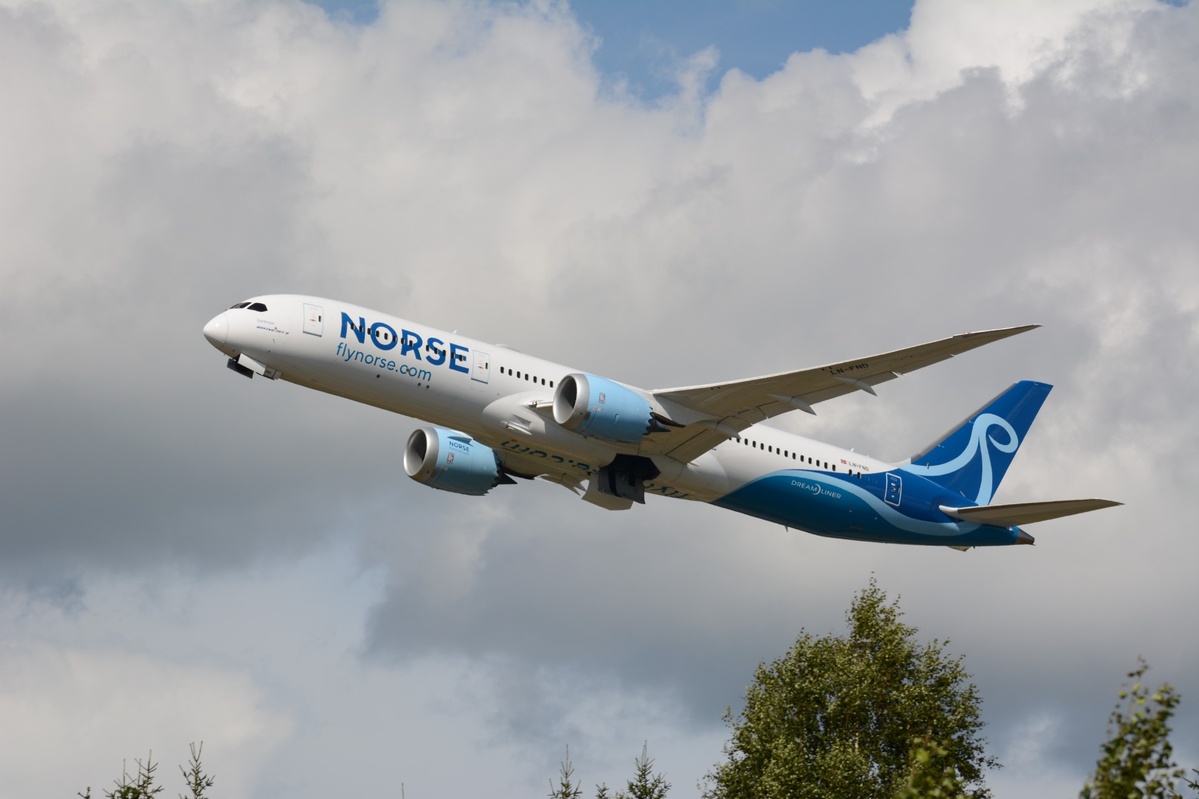
Image generated with Ai
Norse Atlantic Airways Flight Z0701’s Boeing 787-9 aborts take-off at London Gatwick, triggering a runway closure and sudden flight chaos. However, crews acted swiftly, limiting a potentially bigger disruption. A dramatic incident involving a Norse Atlantic Boeing 787-9 has disrupted operations at London Gatwick after the aircraft aborted its take-off.
The sudden event triggered a runway closure, forcing airport teams into immediate action. Meanwhile, emergency vehicles rushed to assess the aircraft, while other flights faced delays and diversions. The Boeing 787-9 had been operating a Norse Atlantic service from London Gatwick to New York JFK when the take-off was rejected. Fortunately, no injuries were reported. Soon afterwards, the aircraft moved to a remote stand, allowing runway operations to resume. However, the disruption continued to affect passengers and flight schedules across Gatwick.
Advertisement
Advertisement
London Gatwick Airport faced a significant operational disruption on Friday after a Norse Atlantic Airways Boeing 787-9 Dreamliner rejected its take-off while preparing to depart for New York, temporarily closing the airport’s main runway and disrupting flights across the region.
The incident involved Norse Atlantic flight Z0701, scheduled to operate from Gatwick to New York John F. Kennedy International Airport. The Boeing 787-9, registered G-CKOF, was forced to abandon its take-off roll on runway 26L.
Advertisement
Advertisement
No injuries were reported, but the incident immediately affected Gatwick’s tightly managed flight operations because the airport depends heavily on its single main runway.
Advertisement
Advertisement
Boeing 787 Forced to Reject Take-Off
Flight Z0701 was accelerating for departure when the crew rejected the take-off at approximately 120 knots, according to a report from The Aviation Herald.
Initial information indicates that the rejected take-off was associated with a problem involving the aircraft’s nose landing gear. The exact technical cause and sequence of events remain subject to further investigation.
Following the rejected take-off, the Boeing 787 remained on the runway while emergency response vehicles moved towards the aircraft. Airport emergency teams assessed the situation and worked to ensure that the aircraft and runway were safe.
Advertisement
Advertisement
The incident did not result in reported injuries.
Gatwick Runway Closure Disrupts Flights
The immediate consequence was a temporary closure of runway 26L, bringing flight operations at Gatwick to a halt.
Advertisement
Advertisement
Gatwick’s dependence on a single main runway means that even a relatively short runway blockage can have consequences well beyond the aircraft directly involved. Departures cannot continue normally, while arriving aircraft may need to enter holding patterns, divert or remain at their origin airports.
Several incoming easyJet flights were reportedly diverted to alternative airports, including London Luton and London Stansted, as Gatwick dealt with the disruption.
The impact was therefore not limited to Norse Atlantic passengers. Travellers across multiple airlines faced the possibility of delays, diversions and changes to their planned journeys.
Dreamliner Moved From the Runway
Airport operations began to recover after the Boeing 787 was moved away from the active runway.
At approximately 14:30 BST, the Dreamliner taxied to a remote stand at Gatwick. This was a crucial step in allowing airport authorities to begin restoring normal runway operations.
Advertisement
Advertisement
The aircraft’s removal reduced the immediate obstruction, but the runway still required appropriate safety checks before normal traffic could resume.
Runway Inspections Were Required
After an aborted take-off involving a widebody aircraft, airport authorities must ensure that the runway is safe for subsequent aircraft movements.
That process can include inspections for debris, aircraft-related damage or other hazards that could compromise aircraft operating on the runway.
Gatwick subsequently confirmed the resumption of flight operations on runway 26L at approximately 14:36 BST.
Although the runway reopened relatively quickly, the disruption had already created a backlog in the airport’s operation. Aircraft and passengers displaced by the closure can take considerably longer to return to their original schedules, particularly when diversions have occurred.
Advertisement
Advertisement
Passengers Face Knock-On Delays
Travellers flying through Gatwick were advised to check directly with their airlines for the latest information.
This is particularly important following a runway closure because the reopening of the runway does not necessarily mean that every flight immediately returns to its original schedule. Aircraft may be out of position, crews may be affected by delays and air traffic restrictions can remain in place while the backlog is cleared.
Passengers connecting through Gatwick or travelling onwards from London should therefore allow additional time and confirm their flight status before travelling to the airport.
What Happened to Norse Atlantic Flight Z0701?
The incident centred on Norse Atlantic Airways’ Boeing 787-9, registration G-CKOF, operating flight Z0701 from London Gatwick to New York JFK.
The aircraft rejected its take-off at around 120 knots after a reported nose-gear-related problem. Emergency services attended the aircraft, and the Dreamliner was subsequently moved to a remote stand.
Advertisement
Advertisement
Runway 26L reopened for flight operations at approximately 14:36 BST.
The incident highlights the operational vulnerability of major airports when a runway becomes unavailable. At Gatwick, where runway capacity is particularly constrained, an aircraft incident can quickly affect flights involving other airlines and destinations.
For passengers, the immediate priority is to verify individual flight arrangements with the operating airline, as the wider effects of the disruption can continue even after runway operations have resumed.
“Safety must always remain the first priority when an aircraft encounters a technical concern during take-off. The swift response at London Gatwick, including the emergency assessment and safe removal of the Norse Atlantic Boeing 787-9, helped prevent a more serious situation. This incident also demonstrates how quickly runway disruption can affect thousands of travellers when an airport operates with highly constrained runway capacity. While the immediate situation was resolved without reported injuries, passengers can still face significant knock-on delays after normal operations resume. Travellers should rely on confirmed airline updates rather than assumptions. From a travel industry perspective, this event reinforces the importance of operational preparedness, rapid communication and effective contingency planning across airports, airlines and ground-handling teams.”, says Anup Kumar Keshan, Editor-in-Chief, TTW
The cause was a reported problem involving the aircraft’s nose landing gear, according to The Aviation Herald. As the Boeing 787-9 accelerated for take-off, the crew rejected the take-off at approximately 120 knots. Consequently, the aircraft remained on runway 26L, forcing Gatwick to suspend operations temporarily. Emergency teams responded, assessed the situation and ensured the runway was safe. The Dreamliner was later moved to a remote stand. Therefore, the answer is clear: the runway closure resulted directly from the aborted take-off and aircraft obstruction. Because Gatwick relies heavily on its single main runway, the incident quickly produced wider delays, diversions and operational disruption.
The Norse Atlantic Boeing 787-9 incident at London Gatwick demonstrates how quickly an aircraft problem can escalate into an airport-wide disruption. After the crew aborted the take-off, the aircraft remained on runway 26L while emergency teams responded. As a result, Gatwick temporarily halted runway operations, while some incoming flights were diverted to alternative London airports. However, the situation was brought under control without reported injuries. The Boeing 787-9 was subsequently moved to a remote stand, and runway operations resumed at approximately 14:36 BST. Even so, reopening the runway did not instantly eliminate the disruption. Delays, aircraft positioning problems and air traffic congestion can continue after an incident has been resolved. For passengers, the key message is to check directly with their airline before travelling. The Norse Atlantic flight incident therefore ended safely, but its operational impact showed the vulnerability of tightly constrained airport capacity.
Advertisement
