
Spain and Other Redefine European Tourism as Sports Trails Drive Year-Round Regional Growth

Published
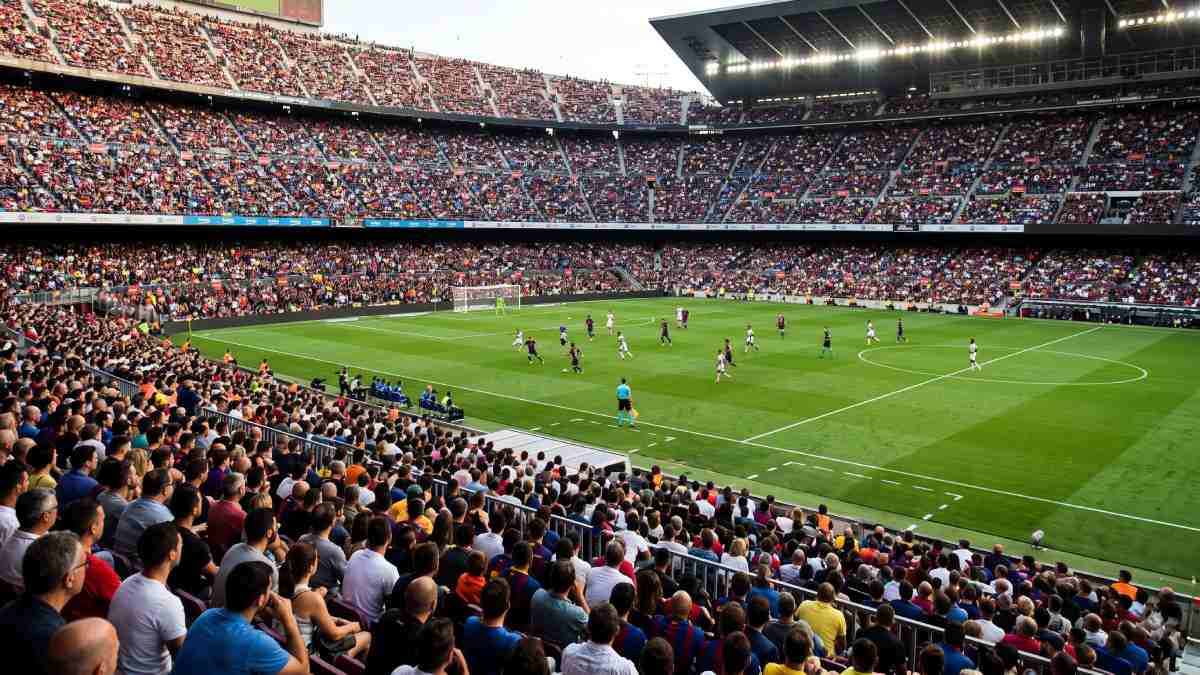
The age of passive spectatorship in stadia is giving way to a decentralized revolution in travel throughout Europe. In place of travels that were limited to the ninety-minute span of a football match played in busy metropolitan centers, sporting tourism is now being enjoyed by millions of travelers from around the world who wish to experience various regions firsthand. Through endurance events for the masses, transport routes with multiple centers, and trail networks, the valleys, coastal routes, and mountain passes are now being traveled. This transformation ensures vital economic stability through the year-round distribution of high-spending sports tourists beyond saturated metropolitan centers.
Macroeconomic Pivot: Inside Europe’s Sports Tourism Transition
An unprecedented structural realignment is being undergone by the international visitor economy as passive spectator entertainment is superseded by individual physical participation. The global sports tourism sector has expanded substantially and is projected to experience sustained compound expansion over the coming decade. Structural dominance within this international landscape continues to be commanded by Europe, supported by concentrated geography, trans-continental transport networks, and established athletic traditions.
Advertisement
Advertisement
A dedicated sports tourism market is maintained across Europe, with long-term regional econometric models projecting accelerated annual expansion. Although a substantial base share of aggregate sports travel spend is still retained by traditional stadium spectatorship—anchored by elite football fixtures such as the UEFA Champions League, domestic top flights, and continental tournaments—its expansion has matured into low single-digit margins. In marked contrast, active sports tourism has emerged as the fastest-growing sub-segment within the broader industry.
These macro-shifts are corroborated by official assessments published by the United Nations World Tourism Organization (UN Tourism), which confirm that a noticeable portion of total global expenditure on international travel is generated by sports tourism. It has been highlighted by UN Tourism that although powerful catalysts for destination branding and metropolitan infrastructure upgrades continue to be provided by mega-events, far superior spatial and socioeconomic distribution is generated by active participatory events. Comparatively modest initial capital outlays are required from municipal governments for niche athletic disciplines and participatory outdoor events, while discretionary expenditure is channelled directly to local service providers, regional hospitality operators, and independent rural suppliers.
Advertisement
Advertisement
Regional Dwell Time Dynamics and Length-of-Stay Economics
A dramatic expansion of visitor dwell time serves as the core economic catalyst compelling regional destination management organisations (DMOs) to invest heavily in participatory sporting corridors. It is indicated by regional tourism datasets published across European statistical agencies that an average length of stay concentrated in dense central business districts and immediate venue perimeters is recorded by conventional urban leisure tourists and stadium match spectators. Conversely, a significantly longer average length of stay across destination journeys is consistently generated by active sports tourists, including amateur marathoners, gran fondo cyclists, gravel enthusiasts, ultra-distance trail runners, and triathletes.
Regional microeconomics are fundamentally altered by this extended presence. Peak summer travel windows characterized by intense heat and overcrowded coastal belts are systematically avoided by active participants, with travel undertaken instead during shoulder and off-peak months between September and May. Because itineraries require acclimatisation, exploratory reconnaissance rides, practice runs, and post-competition muscular recuperation, expenditure is directed through a deep and varied regional supply chain. Daily outlays are extended well beyond basic lodging and match admission into technical bicycle servicing, nutritional supplementation, physiotherapy clinics, sports massage, local guiding services, and artisanal regional gastronomy.
Advertisement
Advertisement
| Economic & Operational Indicator | Passive Stadium Spectator Tourism | Active Participatory Sports Tourism |
| European Sector Market Share | Dominant base share | Expanding share |
| Forecast Growth Velocity | Mature, moderate growth | Accelerated, rapid growth |
| Average Length of Stay | Shorter duration per trip | Extended duration per trip |
| Geographic Expenditure Profile | Primary urban cores and stadium districts | Rural villages, secondary towns, and alpine valleys |
| Seasonality Concentration | Fixed professional league schedules | Spring, autumn, and mild winter shoulder seasons |
| Direct Ancillary Spend Drivers | Match tickets, stadium hospitality, urban retail | Technical gear hire, nutrition, clinics, trail logistics |
United Kingdom and Ireland: Multi-Nation Legacy Corridors
An advanced institutional blueprint for multi-jurisdictional sports integration is provided by the United Kingdom and the Republic of Ireland as preparations are made by public bodies for the UEFA European Football Championship. Premier sporting venues situated across England, Scotland, Wales, Northern Ireland, and the Republic of Ireland—including Wembley Stadium and Tottenham Hotspur Stadium in London, Villa Park in Birmingham, Everton Stadium in Liverpool, the Etihad Stadium in Manchester, St James’ Park in Newcastle, Hampden Park in Glasgow, the Principality Stadium in Cardiff, and the Aviva Stadium in Dublin—are spanned by an operational framework that reflects a complete departure from isolated stadium staging.
Substantial socioeconomic returns across the host nations are projected by official programme documentation from the UK Department for Culture, Media and Sport (DCMS) and UK Sport. Central to this public investment strategy is a dedicated social impact fund mandated to stimulate grassroots physical activity, volunteer capability, and long-term tourism dispersion. This infrastructure is already being harnessed by regional authorities; in North East England, an initial investment allocation into Newcastle Host City infrastructure for St James’ Park was approved by the North East Combined Authority, with a substantial Gross Value Added (GVA) dividend projected for the surrounding regional economy.
Advertisement
Advertisement
Connecting Urban Venues to Highland Endurance Circuits
The British and Irish multi-hub strategy is distinguished by the deliberate physical connection established between metropolitan tournament stadiums and peripheral outdoor adventure networks. International promotional campaigns have been aligned by national destination management organisations, including VisitBritain, VisitScotland, and Fáilte Ireland, so that tournament attendance is presented not as an isolated city excursion, but as the urban entry gate to expansive regional endurance trails.
Endurance travellers visiting fixtures in northern English and Scottish venues are directed along established rail transit spines directly toward the Scottish Highlands. Metropolitan hubs like Manchester, Newcastle, and Glasgow are linked directly to northern interchanges such as Inverness and Fort William by long-distance passenger lines operated by London North Eastern Railway (LNER) and Avanti West Coast. From these gateways, world-renowned endurance routes are accessed by visiting amateur athletes, including cycle-touring stages along the North Coast 500, technical gravel paths skirting the Great Glen Way, and mountain marathon courses surrounding Loch Ness and the Cairngorms National Park. By integrating green rail transport directly with long-distance trail itineraries, transient match spectators are transformed by regional transport partnerships into multi-day regional athletic participants who support local guesthouses, rural transport suppliers, and independent outdoor outfitters.
Metropolitan Hospitality and Recovery Infrastructure
Comprehensive operational retrofits are being executed by metropolitan hospitality providers across London, Manchester, and Newcastle to capture the financial dividends of this athletic influx. Premium floor space is being transitioned away from traditional business lounges toward specialised sports-recovery facilities by high-end hotels. Communal cryotherapy chambers, infrared dry saunas, pneumatic compression boot stations, and sleep-optimisation suites equipped with circadian lighting systems and posture-adaptive mattresses designed specifically for endurance recovery are being installed by leading properties.
Operations are similarly being restructured by food and beverage departments, with standard banquet options replaced by tailored athletic nutrition menus developed in consultation with certified performance dieticians. Nutritionally balanced, complex carbohydrate meals can be scheduled by visiting runners and cyclists ahead of early-morning departures, while access is provided to specialised protein-replenishment bars and secure, temperature-controlled bicycle storage rooms equipped with precision maintenance tools and dedicated cleaning bays.
Advertisement
Advertisement
Spain and Portugal: Iberian Participatory Corridors and Cycling Dominance
Across the Iberian Peninsula, an interconnected network of endurance and cycling corridors has been established by public-sector tourism agencies and regional development authorities, breaking traditional dependency on sun-and-beach mass tourism. Catalonia stands at the forefront of this evolution, where an international reputation as an established road and gravel cycling capital of Europe has been consolidated by the historic city of Girona.
It is indicated by academic and municipal studies that a permanent or seasonal training base is found in Girona by numerous elite UCI WorldTour and professional athletes. An advanced commercial cluster of biomechanical bike fitters, sports physiotherapists, performance coaches, and cycle-specific hospitality establishments has been attracted by this athletic nucleus. Building upon this elite foundation, tens of thousands of amateur endurance cyclists are attracted to the province of Girona annually, generating an enduring economic engine that operates at peak capacity precisely when conventional coastal resorts lie dormant.
This participatory ecosystem is epitomised by the annual Sea Otter Europe cycling festival held in Girona, by which tens of thousands of international visitors and industry stakeholders are drawn, delivering a verified economic impact across the Costa Brava and Pyrenean foothill municipalities.
Underpinning Spain’s cycle tourism strategy is the national Vías Verdes (Greenways) initiative, coordinated through the Spanish Railways Foundation (Fundación de los Ferrocarriles Españoles) and autonomous regional bodies. Abandoned railway infrastructure has been systematically converted by the programme into fully protected, non-motorised active travel arteries. Protected natural reserves can be navigated entirely separated from vehicular traffic along the Carrilet Greenway, winding from the volcanic landscapes of Olot through Girona down to the Mediterranean shoreline at Sant Feliu de Guíxols, by endurance cyclists, gravel bike-packers, and multiday trail runners.
Further west, territorial trail infrastructure has been unified by the autonomous community of the Basque Country—anchored by Bilbao and San Sebastián—integrating scenic coastal routes with rigorous Pyrenean mountain ascents to draw high-spending endurance cyclists during the spring and autumn shoulder seasons.
Cross-Border Atlantic Corridors: The Portuguese Way to Galicia
Concurrently, unprecedented commercial traction has been achieved by cross-border active corridors linking northern Portugal to the Spanish region of Galicia. Managed via collaborative public-sector frameworks between the Xunta de Galicia’s Axencia de Turismo de Galicia and Turismo de Portugal, the Portuguese Coastal Way (Caminho Português da Costa) has been strategically redeveloped as a premier active endurance artery. Extending from the historic urban core of Porto to the UNESCO World Heritage destination of Santiago de Compostela, an expanding demographic of self-guided and supported endurance cyclists, gravel tourers, and multi-stage ultra-runners is supported along the trail.
Advertisement
Advertisement
This Atlantic endurance corridor is reinforced by high-speed rail links operated by Renfe and Comboios de Portugal (CP), connecting national hubs like Madrid, Barcelona, and Lisbon directly to intermediate provincial transit stops such as Vigo, Caminha, and Viana do Castelo. An integrated logistics network spanning daily luggage forwarding, certified bike-friendly boutique lodgings, and mobile GPX navigation applications has been nurtured by regional development agencies. A resilient decentralised micro-economy that sustains rural family guesthouses, coastal workshops, and artisanal suppliers throughout the year has been generated by this institutional support.
Germany and Austria: Alpine Climate Adaptation and Sustainable Eco-Mobility
The front line of climate adaptation within the European tourism landscape is represented by the Alpine arc traversing southern Bavaria and western Austria. Confronted with receding low-altitude snowlines, rising winter temperatures, and unpredictable snowfall seasons, an aggressive pivot toward year-round outdoor endurance models is being undertaken by iconic winter sports strongholds such as Garmisch-Partenkirchen, Kitzbühel, and the surrounding Tyrolean valleys. Rather than increasingly costly and resource-intensive artificial snowmaking infrastructure being underwritten, existing mountain transit assets, cable car networks, and high-altitude pasture access tracks are being retrofitted by municipal corporations and lift operators into expansive active sports parks.
In Tyrol, the region has been repositioned by the regional tourism authority (Tirol Werbung) and the Austrian National Tourist Office (Österreich Werbung) as an elite European haven for high-altitude mountain running and electric mountain biking (e-MTB). Capitalising on the organizational legacy of hosting the World Mountain and Trail Running Championships (WMTRC) across Innsbruck and the Stubai Valley, hundreds of kilometres of technical high-altitude trails have been systematically mapped, marked, and digitalised by regional planners. International amateur athletes are attracted from early May through late October by formats such as the WildeWasser Trail in Stubai, the KAT100 ultra-marathon route through the Pillerseetal, and the extreme skyrunning ridge networks encircling Kitzbühel, maintaining property occupancy across seasonal transition windows.
Green Transit Integration: The DB and ÖBB Rail and Trail System
This transformation of Alpine physical infrastructure is made viable by world-class public transport integration. Transit friction has been eliminated through comprehensive, cross-border “Rail & Trail” initiatives by German federal railway operator Deutsche Bahn (DB) and Austrian federal railway operator Österreichische Bundesbahnen (ÖBB).
Integrated digital transit passes that combine high-speed long-distance rail travel from urban nodes like Munich, Salzburg, or Vienna directly to alpine valley stations can be purchased by active travellers through the ÖBB Erlebnisticket programme, with direct transfers, high-altitude cable car access, and regional sports park entries incorporated into the packages.
Cycling tourists are supported by ÖBB and regional Tyrolean transport networks through the operation of dedicated regional biking transit structures. Expanded bicycle carriages and specialised equipment bays have been integrated into direct cross-border EuroCity connections linking Munich Central Station through Innsbruck and across the Brenner Pass to Bolzano and Venice.
Advertisement
Advertisement
Endurance athletes are enabled by this low-carbon multi-modal corridor to travel seamlessly between Munich’s mega-stadiums and the high-altitude trails of the Karwendel and Kitzbühel Alps without private vehicle hire being required, aligning regional sports development directly with European Union emissions reductions targets.
Czechia and Central Europe: High-Performance Regional Dispersal
A competitive market position has been established by Central Europe through the delivery of world-class endurance sports infrastructure and technical terrain at an attractive price-to-quality ratio. In the Czech Republic, active outdoor travel has been made a primary instrument of regional economic dispersal by the national tourism authority CzechTourism, combating over-tourism in the historic centre of Prague by channeling international visitors into secondary rural prefectures.
Active travellers from Germany, Poland, the United Kingdom, Austria, and Scandinavia are actively attracted to Czechia through targeted state initiatives such as the “Unexpected Wellbeing” marketing drive, backed by public allocations and supplemental grant funding from the European Travel Commission (ETC).
The physical focal point of this Central European active strategy is the Krkonoše Mountains, a sensitive alpine biosphere reserve situated along the northern frontier with Poland. An expertly maintained network of designated cycling and mountain biking corridors linked directly to regional trailhead municipalities including Hostinné, Vrchlabí, Harrachov, and Pec pod Sněžkou is contained within Krkonoše National Park (KRNAP). Large volumes of independent trail runners, mountaineers, and gravel cyclists are drawn by demanding multi-terrain arteries, such as the Path of Czech-Polish Friendship tracing the alpine border ridge and the Obří důl trail scaling Mount Sněžka.
Comprehensive multilingual digital navigation layers, satellite-linked trail safety networks, and real-time emergency telemetry for mountain rescue operations have been co-financed by regional administrations and national ministries to support independent active travellers. This infrastructure is complemented by the nationwide Cyklisté vítáni (“Cyclists Welcome”) certification standard, through which hundreds of rural chalets, family pensions, and mountain hotels are evaluated and certified. Secure locked bike storage, comprehensive mechanical repair workstations, high-capacity equipment washing and drying rooms, and nutritionally calibrated breakfast buffets must be guaranteed by certified operators.
Central Europe’s geographic positioning is further strengthened by dedicated singletrack developments. More than forty kilometres of flowing natural trails connected directly to municipal transit centres, regional microbreweries, and family-owned guesthouses are offered by facilities such as Singltrek pod Smrkem in the Jizera Mountains—engineered in collaboration with international trail designers—and the Trutnov Trails network in East Bohemia. Across the border in Slovakia’s High Tatras, market share is being captured from saturated Alpine valleys through similar municipal investments in long-distance trail maintenance and triathlon training routes, distributing economic liquidity across peripheral manufacturing and service economies.
Advertisement
Advertisement
Cross-Border Transport Architecture: High-Speed Green Corridors
The rapid growth of Europe’s active sports tourism network depends fundamentally on the capacity, reliability, and technical configuration of its high-speed passenger rail infrastructure. As friction is imposed on air travel by environmental concerns, volatile aviation pricing, airport security delays, and onerous baggage charges for sports luggage, high-speed rail lines are being positioned as the logistical backbone of active multi-hub tourism by European rail operators, predominantly Eurostar, Deutsche Bahn, ÖBB, Renfe, SNCF, and SBB.
Integrated “Sport-and-Ride” multi-modal ticketing models are being pioneered by national rail operators. Direct transitions onto high-speed rail services via unified digital booking systems can be made by international travellers landing at primary European aviation hubs, such as London Heathrow, Frankfurt, Paris Charles de Gaulle, or Madrid Barajas. Long-distance seat reservations are bundled with guaranteed rolling stock bicycle storage spaces, priority sports equipment handling, and onward connections to regional branch lines and rural bus links under these tickets.
At the same time, “Open-Jaw Stadium and Trail Passes” are being introduced by rail carriers to cater to modern experiential travellers seeking a blend of cultural sports history and personal athletic pursuit. Iconic European sporting venues—such as London’s Tottenham Hotspur Stadium, Munich’s Allianz Arena, or Madrid’s Santiago Bernabéu—can be visited while intermediate active recreation layovers along rural rail corridors are scheduled on these multi-leg transit passes. A fixture can be watched in Munich, followed by travel on a train service into the Austrian Tyrol for days of alpine trail running, before onward travel through the Brenner Pass into northern Italy is completed on a single, consolidated digital pass.
Rolling stock is being actively modified by rail companies to make this seamless multi-hub travel possible. While unboxed bicycle transport was strictly limited or prohibited by previous generations of European high-speed trains, dedicated, pre-bookable bicycle compartments equipped with heavy-duty mounting racks are featured in recent rolling stock acquisitions and fleet refurbishments, such as modern ICE trainsets. Multi-purpose sections with secure anchor systems and electrical charging points for e-bikes are included in cross-border high-speed formations such as modern Railjet and Nightjet sets, lowering the logistical barriers for endurance athletes travelling across the continent.
Commercial Transformation: Sector-by-Sector Operational Adaptation
Operational strategies across the commercial tourism ecosystem are being reshaped by the transition from passive stadium spectatorship to decentralised active regional participation. Service models are being reinvented by market actors who previously relied on high-volume, low-margin bus-tour operations to cater to independent, digitally literate, and health-focused athletic travellers.
Hospitality and Performance-Driven Accommodation
Expectations of performance-oriented travellers are no longer satisfied by standard guest rooms. Back-of-house operations have been reconfigured by hotels catering to cyclists and runners across properties in the Scottish Highlands, Catalonia, and the Austrian Alps. Basements and underutilised parking bays have been transformed into high-security bike hubs protected by biometric or keycard access, comprehensive surveillance coverage, heavy-duty repair stands, precision toolkits, and commercial-grade cleaning bays.
Advertisement
Advertisement
Furthermore, a dedicated, high-margin revenue line has emerged through athlete recovery. Recovery lounges equipped with pneumatic compression boots, percussive massage tools, cold immersion baths, and infrared saunas are being established by properties. Generic processed buffets have been phased out by kitchen operations, with nutritional programmes rich in whole grains, cold-pressed anti-inflammatory juices, and plant-based proteins offered instead, paired with early-morning breakfast boxes designed for athletes departing for dawn trail runs or competitive races.
Destination Management Companies and Self-Guided Logistics
A pivot away from rigid, scheduled motorcoach excursions toward modular, self-guided endurance packages is being executed by Destination Management Companies (DMCs) and inbound tour agencies. Multi-day, point-to-point endurance itineraries represent the most profitable operational model. Participants are supplied by operators with precision GPX routes, satellite safety tracking, on-demand roadside technical assistance, and reliable daily luggage transfers between boutique rural guesthouses.
Premium margins are generated by DMCs from route engineering, mapping app subscriptions, top-tier gravel and road bike hire, and guaranteed event bib allocations by decoupling travellers from rigid tour groups, while regional landscapes are allowed to be experienced by athletes on their own terms.
Regional Destination Management Organisations (DMOs)
Active participatory events serve as an effective strategic antidote to over-tourism and seasonal vulnerability for regional tourism boards. Thousands of high-spending competitors and travelling supporters are attracted outside the peak summer period by secondary and tertiary municipalities through the securing of hosting rights for mass-participation gravel rides, open-water lake challenges, and mountain ultra-marathons.
Close collaboration is maintained by DMOs with environmental agencies, local forestry units, and private landowners to build and maintain permanent trail systems, ensuring that a lasting community asset accessible to recreational visitors year-round is provided by event infrastructure. A durable economic legacy is created by this approach, establishing long-term regional brand recognition as an athletic haven while sustained fiscal income is generated for local municipal services.
Policy Frameworks, Institutional Statements, and the Future Horizon
The strategic transition of European tourism toward active endurance corridors is actively supported by international policy frameworks and governing institutions. Sports tourism has been formally incorporated into core policy directives by UN Tourism, recognising the sector as an effective mechanism for driving economic diversification, sustainable mobility, and social development.
Advertisement
Advertisement
It was stated by UN Tourism Secretary-General Zurab Pololikashvili during the World Sports Tourism Congress that a key role in enhancing economic growth and social development across many destinations is played by sports tourism. It was noted that jobs are created, infrastructure investment is stimulated, and communities are brought together through shared values of health, sustainability, and cultural exchange. It was further emphasized that lasting, year-round economic resilience is enabled across rural and regional territories when diversification beyond traditional tourist epicentres is achieved.
This multilateral perspective aligns directly with the European Union’s Transition Pathway for Tourism, by which member states are required to prioritize decarbonisation, circular economic practices, and the spatial distribution of visitor footfall away from endangered urban heritage sites. Sports tourism is being transformed from an unstructured niche into an engine of regional development through the funding of multi-use cross-border trail infrastructure, the support of greenway conversion schemes, and the subsidisation of green rail electrification by European institutions.
The intersection of active participatory sports and regional tourism is set to expand rapidly. Greater emphasis is being placed on longevity, wellness, and outdoor recreation by European populations, causing the historic division between athletic training and leisure travel to disappear. The future of European travel is defined by multi-hub active corridors—interconnected networks where arrivals are facilitated by low-carbon rail, endurance is tested across historic landscapes, and sustainable prosperity is generated for the regional host communities.
A decisive transition from passive stadium spectator crowds toward high-yield, decentralised active sports tourism is being undergone by Europe’s visitor economy. By linking sporting cathedrals with regional endurance trails, cross-border high-speed rail, and climate-resilient alpine infrastructure, regional employment is sustained and traveller capital is dispersed directly into rural communities.
Conclusion
The visitor economy of Europe is experiencing a crucial shift from the passive stadium crowd to high-margin, decentralized sports tourism. Through integration of landmark sporting cathedrals with regional endurance routes, trans-border fast rail transport and alpine structures that can withstand climatic change, various destinations in the UK, Iberian Peninsula, Alpine crescent, and Central Europe are rising above seasonality issues. The interplay of these multi-hub systems injects traveler money directly into rural areas to foster development in the form of infrastructure and employment. With travelers placing more value on athletic accomplishment in tandem with cultural experience, the emergence of active sports tourism is proving to be the template for the future of European regional tourism.
Advertisement
