

China Follows Russia and More Countries in Nepal’s Powerful Himalayan Mountaineering Boom as 788 Climbers From 70 Nations Secure Permits for 31 Peaks

Published
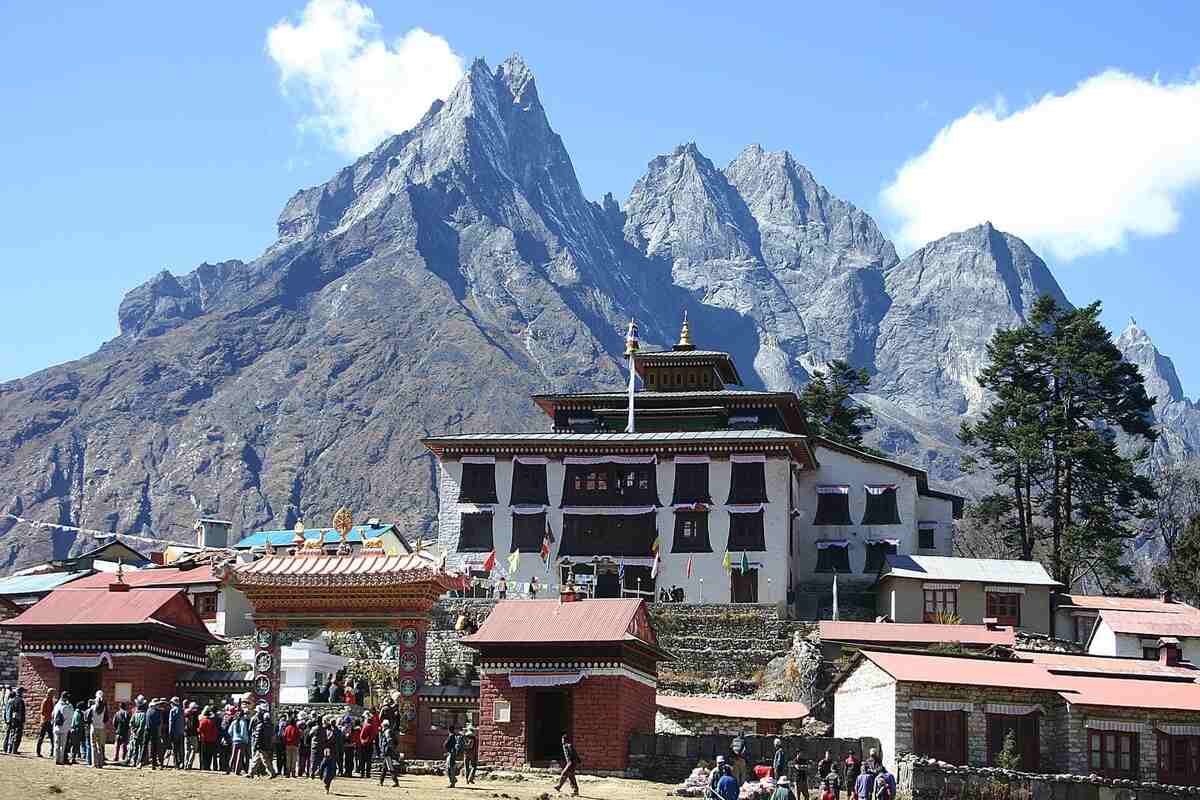
Nepal’s popularity is surging due to a growing number of climbers. According to the latest data, 788 climbers from China, Russia, France, and many other countries have received permits for the 2026 autumn Himalayan climbing season. The total sum of money earned by the Nepalese government from issuing these permits to 31 mountainside regions reached over NPR 247 million.There are 91 expedition teams in Nepal for the current climbing season. Mount Manaslu is the most popular mountain peak for now, as it has attracted 500 climbers. It has earned the biggest share of the total sum, amounting to NPR 161 million.
Nepal’s Himalayan Tourism Sector Sees Strong International Participation in Autumn 2026
Nepal continues to strengthen its position as one of the world’s leading mountaineering destinations. The autumn climbing season has brought together hundreds of adventure enthusiasts from different parts of the world, highlighting the country’s appeal for high-altitude expeditions and Himalayan exploration.
Advertisement
Advertisement
According to figures released by the Department of Tourism, 788 mountaineers representing 91 expedition teams have received permission to climb 31 mountains during autumn 2026. The approved climbers include 582 men and 206 women, demonstrating participation across different groups of international mountaineers.
These permits represent an important part of Nepal’s adventure tourism industry. International climbing expeditions support demand for mountain guides, accommodation, transport, equipment, food supplies and other essential services. The arrival of expedition teams also creates business opportunities for communities connected to popular Himalayan climbing routes.
Advertisement
Advertisement
With climbers arriving from 70 countries, Nepal’s mountains continue to attract visitors seeking challenging expeditions and experiences in some of the world’s most dramatic natural landscapes.
Mount Manaslu Dominates the Autumn Season With 500 Climbers Across 43 Expedition Teams
Mount Manaslu has emerged as the clear leader in Nepal’s autumn mountaineering season. Standing at 8,163 metres, the Himalayan giant has attracted 500 permitted climbers across 43 expedition teams, making it the most popular mountain among those included in the latest figures.
Advertisement
Advertisement
Manaslu accounts for approximately 63.5% of all climbers who have received permits for the season. This substantial share highlights the mountain’s importance within Nepal’s international climbing market.
The financial contribution is equally significant. Climbing permits for Manaslu have generated NPR 225.86 million in government royalties, representing approximately 91.4% of the total revenue collected from autumn expeditions.
Advertisement
Advertisement
These figures demonstrate how heavily the current season’s mountaineering activity is concentrated on one major Himalayan destination.
The mountain’s popularity also places considerable importance on expedition planning, weather monitoring, safety management and environmental protection. As climbing teams move towards higher camps, changing mountain conditions will remain an important factor in determining expedition progress.
Dhaulagiri, Himlung Himal and Ama Dablam Attract International Expedition Teams
Although Manaslu leads the season, several other Himalayan mountains are drawing attention from international climbers.
Mount Dhaulagiri has received 36 permitted climbers from five expedition teams. The mountain, which rises to 8,167 metres, has generated approximately NPR 8.24 million in climbing royalties.
Advertisement
Advertisement
Himlung Himal has attracted 34 climbers representing three teams, contributing around NPR 2.09 million to government revenue. Meanwhile, Ama Dablam has received 19 climbers from two expedition teams, generating approximately NPR 2.91 million.
These mountains offer different climbing environments and expedition experiences, helping Nepal appeal to mountaineers with varied interests and technical abilities.
Other peaks included in the autumn permit programme are Putha Hiunchuli, Danga Hiunchuli, Baruntse, Makalu, Gangapurna West, Thorong Peak, Norbu Khang, Annapurna IV, Chamlang, Lamjung Himal, Pumori, Saribung, Thapa Peak, Pokhar Khang, Ardang and Peri.
The distribution of permits across numerous peaks demonstrates the geographical reach of Nepal’s mountaineering tourism industry.
China Leads International Climbing Participation as European and American Markets Remain Important
Nepal’s autumn climbing season is attracting mountaineers from a broad range of international markets, with China recording the highest number of permitted climbers.
A total of 118 Chinese mountaineers have received climbing permission, accounting for approximately 15% of all approved climbers.
Advertisement
Advertisement
Russia follows with 65 climbers, while France contributes 60. The United States accounts for 52 mountaineers, followed by the United Kingdom with 45.
Japan and Poland each contribute 25 climbers, while Italy and Nepal account for 23 each. India has 18 approved mountaineers, and Spain and Switzerland have 16 each.
This international participation highlights the importance of Nepal’s established adventure tourism markets across Asia, Europe and North America.
The variety of nationalities also reflects the global nature of Himalayan mountaineering. Expedition groups often require extensive preparation before reaching Nepal, including travel arrangements, specialist equipment, climbing logistics and acclimatization schedules.
For Nepal’s tourism sector, this international demand creates opportunities to promote mountain destinations beyond the country’s best-known trekking and sightseeing routes.
Mountaineering Permit Revenue Crosses NPR 247 Million and Supports Nepal’s Tourism Economy
The financial results of the autumn season underline the economic significance of international mountaineering.
Advertisement
Advertisement
According to the Department of Tourism, climbing permits have generated NPR 247,207,601 in government royalties, equivalent to approximately US$1.63 million in the reported figures.
Manaslu alone contributes more than NPR 225 million, while Dhaulagiri, Himlung Himal and Ama Dablam provide additional revenue.
The figures show that mountaineering is not simply an adventure activity. It is also an important source of government income and a contributor to tourism-related economic activity.
Beyond permit fees, climbing expeditions can generate spending on accommodation, domestic transport, local supplies, equipment handling and mountain support services.
However, the royalty total should not be confused with the overall economic value of the climbing season. Permit revenue measures government collections, while the wider tourism contribution also depends on visitor spending and employment across supporting industries.
The strong concentration of royalties around Manaslu further highlights the importance of developing responsible climbing opportunities across Nepal’s wider mountain network.
Advertisement
Advertisement
What Happens Next as Nepal’s Autumn Himalayan Expeditions Move Forward?
With 788 climbers already holding permits, attention will now turn towards expedition progress and conditions across Nepal’s Himalayan climbing regions.
The coming weeks will be important for teams attempting high-altitude ascents. Weather patterns, snowfall, wind conditions and route safety can influence when climbers move between camps and attempt their final summit climbs.
Permits indicate approval to undertake an expedition, but they do not guarantee that every climber will reach a summit. Actual climbing outcomes will depend on conditions and the decisions made during individual expeditions.
For Nepal’s tourism industry, the season also presents an opportunity to assess the distribution of climbing activity, the demand for mountain support services and the management of popular expedition routes.
The latest figures confirm continued international interest in Nepal’s Himalayan destinations. With climbers from 70 countries participating, the autumn 2026 season is reinforcing the country’s reputation as a major global centre for high-altitude adventure tourism.
As expeditions continue, Nepal’s next challenge will be to balance international climbing demand with mountain safety, environmental protection and sustainable benefits for local communities.
Advertisement
