
Croatia Aligns with Slovenia and More Welcomes Travellers to Historic Towns Ahead of Summer Crowds

Published
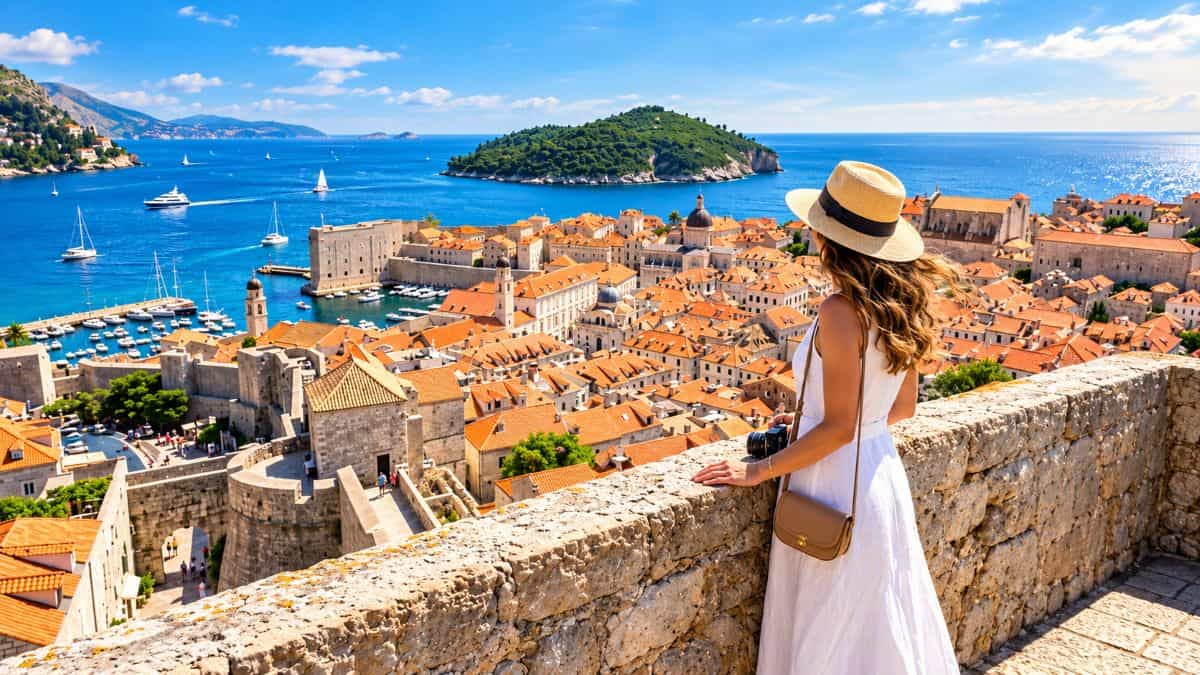
Image generated with Ai
Croatia continues to redefine regional European tourism by drawing travellers beyond predictable coastal circuits towards deeper historical landscapes shared alongside neighbouring Adriatic territories. As visitor traffic across southern Europe reaches unprecedented volumes, regional authorities and cultural heritage bodies have introduced collaborative cross-border corridors designed to redistribute footfall into lesser-explored municipalities. This joint strategic momentum between Croatia and adjacent nations like Slovenia provides global visitors with an extraordinary opportunity to engage directly with preserved architecture, traditional gastronomy, and local craftsmanship before seasonal congestion takes hold. Seasoned travel specialists recognise this shift as a vital transformation in contemporary exploration, shifting interest towards genuine regional character.
Exploring this connected corridor allows discerning travellers to witness how centuries of Roman, Venetian, and Austro-Hungarian statecraft shaped urban planning across the western Balkan peninsula. From the fortified maritime settlements along the Dalmatian shores to the forested foothill communities of the continental interior, the variety of destinations presents an authentic encounter with Central European and Mediterranean life. By timing visits during shoulder seasons and venturing into secondary towns, visitors directly support community-led tourism while experiencing pristine medieval squares, thriving open-air markets, and uncrowded coastal avenues at their absolute finest.
Strategic Regional Heritage and Sustainable Urban Exploration
The preservation of historic centres across Croatia reflects decades of dedicated conservation overseen by municipal conservators and national institutions. Urban development policies have historically prioritised the integrity of Roman ruins, Gothic palaces, and Baroque façades, ensuring that historic quarters remain living, breathing residential zones rather than open-air museum set pieces. This civic commitment is visible whether wandering through the terracotta-roofed lanes of inland settlements or observing local fishermen offloading daily catches along stone quays.
Sustainable transit networks throughout the territory further enhance accessibility, allowing seamless connections between high-density cultural hubs and tranquil outer settlements. Modern rail extensions, clean regional coach services, and electric island ferries provide predictable, eco-conscious pathways through diverse topographies. Travellers committed to responsible tourism find that spending extended time within smaller administrative centres reduces environmental strain on sensitive coastal habitats while funnelling crucial economic support directly to independent restaurateurs, artisan workshops, and generational family guesthouses.
Advertisement
Advertisement
Essential Destinations Across Continental and Maritime Croatia
| Destination | Region | Dominant Architectural Style | Primary Cultural Focus | Recommended Duration |
| Zagreb | Central Croatia | Austro-Hungarian and Neo-Baroque | Historic museums, café society, and urban funicular | Two to three days |
| Dubrovnik | South Dalmatia | Venetian Gothic, Renaissance, and Baroque | Intact medieval ramparts and maritime archives | Three days |
| Split | Central Dalmatia | Ancient Roman and Classical | Living heritage within Diocletian’s Palace walls | Two to three days |
| Zadar | North Dalmatia | Romanesque, Venetian, and Modern | Public acoustic installations and early churches | Two days |
| Rovinj | Istria | Venetian Gothic and Mediterranean | Coastal fishing traditions and cobblestone alleys | Two days |
| Šibenik | Central Dalmatia | Renaissance and Stone Masonry | UNESCO-listed stone cathedral and hilltop forts | Two days |
| Pula | Istria | Roman Classical and Imperial | Well-preserved Roman amphitheatre and temples | One to two days |
| Trogir | Central Dalmatia | Romanesque, Gothic, and Renaissance | Compact island fortress town and carved stone portals | One day |
| Varaždin | North-West Croatia | High Baroque and Rococo | Classical music heritage, manicured parks, and castle | One to two days |
| Korčula Town | South Dalmatian Islands | Venetian Gothic and Defensive | Maritime trade history and traditional sword dances | Two days |
Continental Sophistication and Inland Cultural Legacies
Zagreb serves as an indispensable starting point for understanding how continental institutions influenced national identity over the centuries. Divided naturally between the historic heights of Gradec and Kaptol and the stately avenues of the Lower Town, the capital blends Habsburg grandeur with contemporary creative expression. Pedestrianised boulevards connect sprawling public squares to botanical gardens, while historic funicular tracks offer panoramic vistas across red-tiled roofs towards the slopes of Mount Medvednica.
Further north, Varaždin stands as a shining testament to central European Baroque planning. Once the nation’s political seat, its pastel-hued aristocratic residences, ornate town hall, and moat-encircled castle provide a serene atmosphere removed from high-volume tourist paths. Local culinary traditions across these continental territories celebrate seasonal river fish, artisanal cheeses, and cool-climate viticulture, highlighting the substantial gastronomic diversity existing away from coastal olive groves and saltwater seafood markets.
Advertisement
Advertisement
Architectural Mastery Along the Dalmatian Seaboard
Heading south towards the Adriatic reveals an extraordinary sequence of coastal settlements founded upon classical civilisations. Split offers the rare phenomenon of a functioning modern metropolis thriving directly within the outer perimeter walls of the ancient palace of Roman Emperor Diocletian. Modern cafes, residential flats, and butcher shops sit nestled inside ancient arches of white limestone, illustrating seamless historical continuity spanning nearly two millennia.
A short journey along the coastline leads to Trogir, an island municipality celebrated for its exceptional concentration of Romanesque and Renaissance stone masonry. Its labyrinthine medieval streets open suddenly onto expansive seaside promenades framed by swaying palm trees and defensive fortifications. Further down the Dalmatian coast, Šibenik showcases native architectural innovation, crowned by the stone-vaulted Cathedral of Saint James, engineered entirely from local limestone slabs without mortar.
Advertisement
Advertisement
Coastal Fortifications and Maritime Traditions
Dubrovnik continues to anchor southern maritime history with its formidable sixteenth-century stone curtain walls rising dramatically above sapphire waters. Behind these thick battlements lies a meticulously maintained streetscape paved in gleaming limestone, flanked by monasteries, palatial residences, and the oldest active pharmacy in the continent. Strategic exploration during the quieter morning hours unveils peaceful cloistered gardens and elevated bastions with sweeping open-sea horizons.
Offshore, island settlements like Korčula Town demonstrate how Venetian naval power shaped defensive urban schemes across the Adriatic archipelago. The herringbone layout of Korčula Town was engineered specifically to catch refreshing westerly sea breezes while shielding residential passageways from bitter seasonal gales. Local maritime archives and traditional Moreska sword pageants continue to preserve the seafaring folklore and craft heritage that sustained generations of island mariners.
Frequently Asked Questions
What is the best time of year to visit these historic destinations without encountering heavy crowds? Visiting between late April and early June or from mid-September through October ensures mild weather, operational ferry routes, open cultural monuments, and significantly lower visitor numbers compared to peak summer.
Is it easy to travel between Croatia and neighbouring Slovenia on public transport? Daily direct international train services and regular long-distance coach networks operate smoothly between major transport hubs such as Zagreb and Ljubljana, making cross-border journeys simple and efficient.
Advertisement
Advertisement
Do visitors require cash for local transactions in smaller Croatian towns? While the Euro is the standard currency and electronic payments are widely accepted across urban centres, carrying modest sums of cash remains recommended for rural markets, family-run konobas, and small island transport.
How many days should be allocated to a multi-city itinerary? A comprehensive itinerary covering both continental heritage capitals and major coastal historical centres generally requires between ten and fourteen days to travel comfortably without excessive transit fatigue.
Are the historic old towns accessible for travellers with limited mobility? Many medieval and Roman coastal centres feature extensive flights of stone steps, narrow lanes, and uneven flagstones, although main harbour promenades and newly restored public squares offer flatter, step-free access paths.
Which inland destination is best for travellers seeking classical architecture? Varaždin is widely considered the finest inland destination for classical architecture, boasting an exceptionally preserved collection of Baroque palaces, classical public buildings, and a pristine white feudal fortress.
Is it necessary to hire a vehicle to explore regional Croatian heritage? An extensive intercity coach network, modern passenger rail, and regional ferry lines connect all major mainland towns and inhabited islands, meaning private car hire is entirely optional for standard regional itineraries.
What regional dishes should travellers look for along the Adriatic coast? Coastal culinary specialities focus heavily on fresh grilled Adriatic fish, black risotto coloured with cuttlefish ink, slow-cooked octopus prepared under an iron bell, and locally produced extra-virgin olive oils.
Advertisement
Advertisement
Can historic monuments in Croatia be explored without booking advance tours? Most historical sites, cathedral bell towers, and municipal museums allow direct walk-up ticket purchases outside of peak summer, though advance reservations are prudent for popular landmark structures in Dubrovnik and Split.
How does shoulder-season travel benefit local communities across Croatia? Travelling outside peak months balances municipal infrastructure use, provides steady year-round income for family-owned hospitality businesses, and helps prevent the depopulation of historic city centres caused by overtourism.
Advertisement
