
Eastern Europe Joins the Tourism Boom as Wizz Air Smashes Ryanair’s Monopoly with Bold New Routes

Published
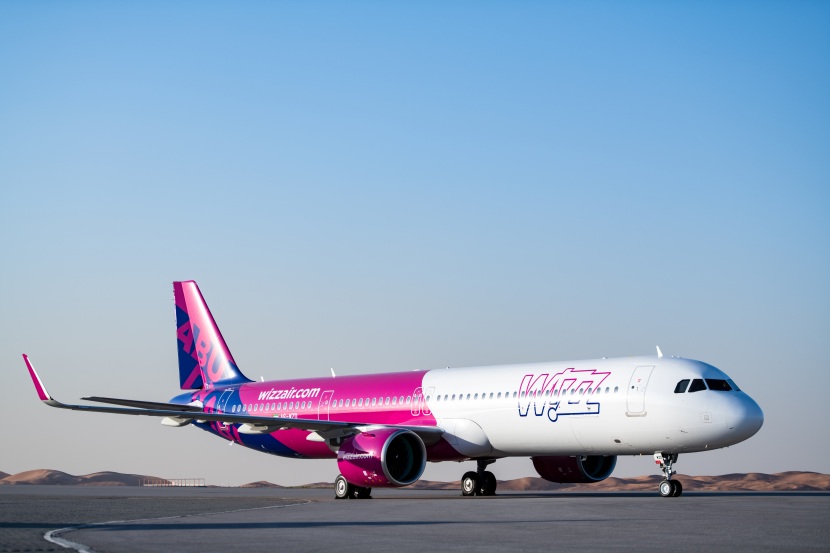 Image generated with Ai
Europe’s tourism landscape is set to transform as Wizz Air adds new low‑cost routes connecting popular destinations and boosting visitor access. The expansion comes as governments and aviation bodies support increased air connectivity to stimulate travel, tourism, and regional economies. Recent additions include new connections from major hubs to capitals like Chișinău and Tirana, as well as expanded services that make travel more accessible for leisure tourists and budget travellers alike. The new network growth directly responds to rising demand for affordable flights across Europe and positions Wizz Air as a major competitor among low‑cost carriers supporting tourism flows.
Wizz Air’s development highlights the airline’s growing roster of international connections. In early 2026, Wizz Air launched flights from Cologne Bonn Airport to Chișinău, the capital of Moldova, offering twice‑weekly services that open up fast access to the country’s cultural attractions and wine regions. The airline’s modern Airbus A321neo aircraft will operate this new service, enhancing travel options for holidaymakers and visitors seeking Eastern European experiences.
Advertisement
Advertisement
Another significant development confirmed Wizz Air’s inauguration of multiple routes from Cologne Bonn, including links to Tuzla in Bosnia and Herzegovina, Skopje in North Macedonia and Tirana in Albania. These services enrich the airport’s winter network and strengthen air links to culturally vibrant and historically rich regions for tourism exploration. Seasonal collections of destinations tap into growing interest from leisure travellers seeking affordable access to off‑season European cities.
Government and tourism ministry collaborations further underscore the strategic value of these expanded flight networks. Bulgaria’s Ministry of Tourism reported discussions with Wizz Air executives aimed at deepening air connectivity and adding new destinations from Sofia’s airport. This initiative is designed to elevate inbound tourism while enhancing the country’s global accessibility for travellers from across Europe and beyond.
Advertisement
Advertisement
The airline’s connectivity enhancements extend to the German capital region with new routes between Berlin Brandenburg Airport and Bratislava. Starting in summer 2026, Wizz Air will operate flights to Slovakia’s capital up to four times weekly. The route facilitates easier travel for visitors wishing to explore Central Europe’s heritage sites, gastronomy and regional culture without costly transfers.
These developments illustrate a broader trend of aviation growth being leveraged to support tourism and economic growth, particularly in regions historically underserved by budget air services. By broadening direct access between cities and popular destinations, Wizz Air’s expansion helps regions capture more visitor spending on accommodation, transportation, attractions and local services. Improved air links often correlate with increased tourist arrivals, extended stays, and elevated spending levels in connected cities and rural tourism markets alike.
Advertisement
Advertisement
The expansion of low‑cost air connectivity is especially beneficial for younger travellers, families and independent adventurers who prioritise affordable, flexible travel options. Enthusiasts of cultural tourism, heritage exploration and regional festivals now gain more choice in planning holidays across multiple European capitals without relying solely on traditional carriers. Air connectivity improvements also benefit business travellers attending meetings, events, expos and cultural showcases that draw participants from across the continent.
Airlines like Wizz Air continue to develop route networks in ways that support tourism strategies promoted by national tourism boards and regional development agencies. By working with civil aviation authorities, the airline aligns its expansion with regulatory standards and government priorities for connectivity. This collaborative framework ensures travellers benefit from more choices, while destinations see increased arrivals and tourism‑related economic activity.
Advertisement
Advertisement
Industry observers note that the increased competition among low‑cost carriers also encourages more competitive pricing across European airlines, which can further encourage travel. For tourists planning vacations, Europe’s enhanced flight offerings translate to more affordability and flexibility in choosing itineraries that span urban, coastal and cultural destinations. This broader access is poised to strengthen tourism resilience and appeal.
Looking ahead, Wizz Air’s plans to seek entry into additional markets — including proposals to operate transatlantic charter services — signal that low‑cost travel could expand beyond Europe’s borders, offering even greater opportunities for global tourism engagement.
Wizz Air’s route expansions support Europe’s tourism growth by improving connectivity, stimulating visitor demand, and offering affordable flight options to a wider range of destinations. These developments are poised to enrich the experiences of millions of travellers, making European culture and landscapes more accessible and strengthening the economic foundations of local tourism sectors.
Advertisement
