
Saint Paul Unlocks a Daring November Journey Through America Hidden Stories

Published
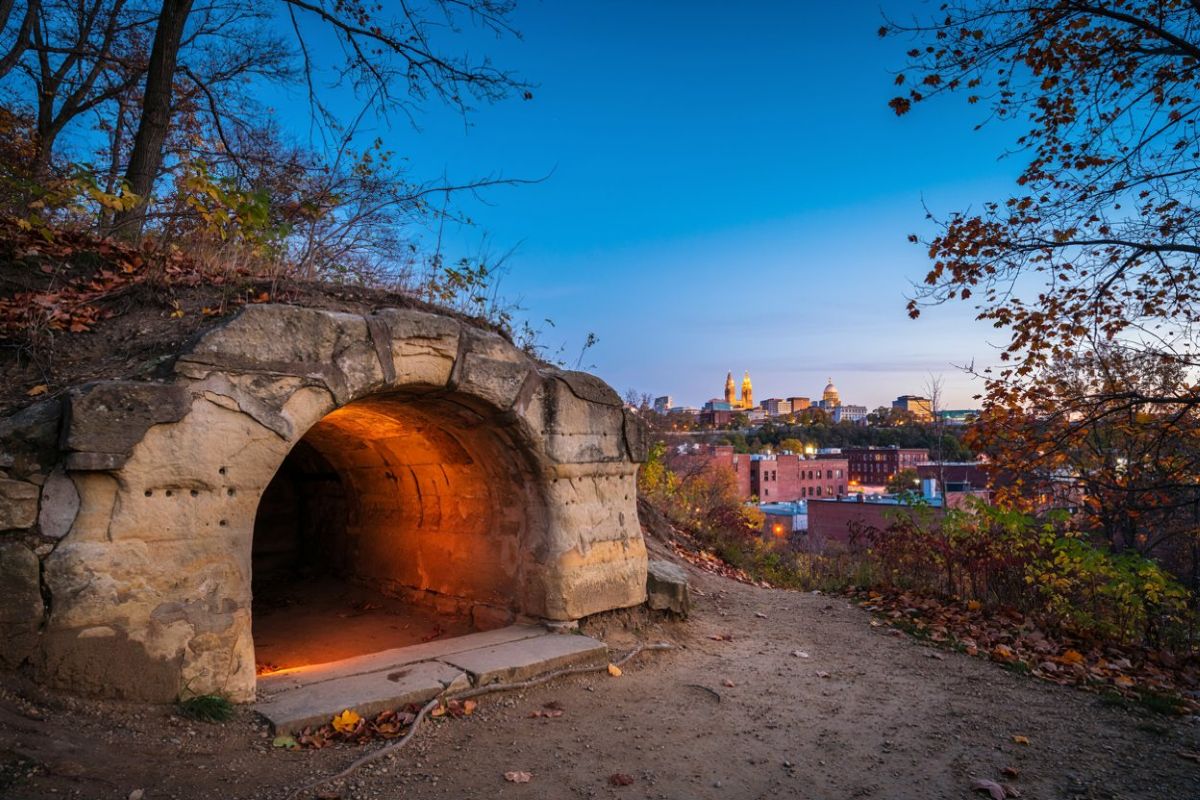
Saint Paul is ready to surprise travellers this November. Minnesota’s capital is often known for its grand Capitol building, famous Winter Carnival and river views. Yet its most memorable experiences sit away from the usual visitor route. Old caves, quiet historic streets, Dakota cultural landscapes, local food districts and hidden museums give Saint Paul a deeper story.
November is a good month to explore this side of the city. The summer crowds are gone. The air feels crisp. Cafés become warmer. Historic homes glow with early holiday lights. A traveller can move between outdoor walks and indoor culture with ease.
Saint Paul is not a city that asks visitors to rush. It rewards people who slow down. Look at old buildings. Walk through a peaceful park. Listen to stories. Taste food made by local communities. This is where the real character of the city begins to show.
Cathedral Hill Opens a Door to Grand Old Saint Paul
Cathedral Hill is one of the city’s most beautiful historic areas. Its quiet streets, old homes and tall trees create a calm start to a November trip. The neighbourhood feels different from busy downtown streets. It gives visitors a chance to see Saint Paul at a slower pace.
Summit Avenue runs through the area. The street is known for its historic homes and grand architecture. It is easy to walk a short section and enjoy the view. In November, visitors should wear warm layers and strong shoes. The pavement can be wet, cold or icy.
The James J. Hill House is the most striking stop in this part of the city. The huge mansion was once home to railroad leader James J. Hill. It has grand rooms, fine woodwork, fireplaces, chandeliers and stained glass. The house shows how wealthy families lived during the Gilded Age.
Regular tours run into late November. From 28 November, the house begins its seasonal Gilded Age Christmas programme. This gives visitors a special chance to see historic rooms with a festive winter mood.
Advertisement
Advertisement
East Side Landscapes Carry Deep Dakota Meaning
Saint Paul has places that need more than a quick photograph. Imniżaska Cultural Landscape is one of them. It includes Wic̣aḣapi and Waḳaƞ Ṭípi, two important Dakota cultural places on the East Side.
The city adopted these Dakota names in 2025. The change recognises the deep history and sacred value of the land. Wic̣aḣapi was formerly known as Indian Mounds Regional Park. Waḳaƞ Ṭípi was formerly known as Bruce Vento Nature Sanctuary.
Visitors can find river views, bluffs, trails and quiet natural spaces here. But the area should be explored with respect. Stay on marked paths. Do not climb on earthworks. Do not treat sacred places as a playground. Take time to learn why this landscape matters.
This stop gives a more honest view of Saint Paul. It reminds visitors that the city’s story began long before its streets, railways and large buildings.
Swede Hollow Reveals a Different City Story
Swede Hollow Park is another place that many visitors miss. It sits in a valley on the East Side. The park feels hidden from the wider city, even though it is close to downtown.
The area once became home to immigrant families from many countries. People arrived in Saint Paul looking for work, safety and a new future. The hollow carries memories of hard lives, strong communities and change.
Today, the park offers a quiet place for a daylight walk. November visitors should check the weather before going. Trails can become muddy or slippery after rain and snow. Waterproof shoes are a smart choice.
Swede Hollow is not a grand attraction. That is why it feels important. It shows a more human Saint Paul. It tells stories of people who built new lives in difficult conditions.
Advertisement
Advertisement
Little Mekong Brings Global Flavours to Saint Paul
After a morning outdoors, Little Mekong offers warmth, energy and flavour. This area sits in the Frogtown neighbourhood along University Avenue. It is shaped by strong Southeast Asian communities and local businesses.
Food is one of the best ways to understand a city. In Little Mekong, visitors can find dumplings, noodles, soups, baked goods and grocery stores filled with ingredients from across Asia. It is a place where people eat, shop, meet friends and support family businesses.
Saint Paul has created a Dumpling Passport to encourage visitors to explore food stops across the city. The project helps people step beyond familiar restaurant areas and discover neighbourhood kitchens. Little Mekong is a strong place to begin.
A November visit feels especially rewarding. A bowl of hot noodle soup can be the perfect answer to a cold afternoon. The neighbourhood also shows how food can connect culture, memory and community.
Wabasha Street Caves Bring Gangster Stories Underground
The Wabasha Street Caves are one of Saint Paul’s most unusual attractions. They sit on the West Side and hold stories from more than one era. The caves began as mining spaces during the nineteenth century. Later, they became a mushroom farm.
In the 1930s, the caves became a restaurant and nightclub. During Prohibition, the site gained a reputation as a gangster gathering place. Famous names from the criminal world were linked to the city. The caves became part of that dark and dramatic story.
Today, guided tours take visitors underground to explore this past. Tour guides share stories about old crime, music, nightlife and local legends. The caves are a useful November stop because they are indoors. Cold weather does not spoil the experience.
The visit is also a reminder that Saint Paul has always been a city with hidden layers. Under the streets and hills, many stories still wait to be told.
Advertisement
Advertisement
Lowertown Mixes Rail History with Modern Energy
Lowertown offers another side of Saint Paul. The area has old warehouses, railway history, public parks and creative spaces. Union Depot is the best place to start. The grand building connects the past of train travel with the city’s modern life.
From Union Depot, visitors can walk through Mears Park and nearby streets. Brick buildings create a strong industrial mood. In November, the low sun and bare trees make the district look even more dramatic.
The Minnesota History Center is a short trip away and gives the day an indoor finish. Its See and Be Seen exhibition opens on 7 November 2026. The exhibition looks at portraits, identity and the power of being seen.
This is a strong final stop because it brings old and new stories together. Saint Paul’s history does not sit only in old buildings. It also lives in the people, pictures and communities that shape the city today.
A November City Break with More to Discover
Saint Paul in November is not about ticking off famous sights. It is about discovering places with meaning. Cathedral Hill shows grand wealth and architecture. Imniżaska carries Dakota history. Swede Hollow shares immigrant stories. Little Mekong brings global flavours. The caves reveal hidden nightlife and crime tales.
Pack a warm coat, gloves, a hat and waterproof shoes. Plan outdoor walks before dark. Check opening times before each visit. Most of all, leave time for surprise.
Saint Paul may look quiet at first. But travellers who go beyond the main streets will find a city full of powerful stories.
Advertisement
Advertisement
Advertisement
