
Limpopo Aligns With Cape Town And More Places In South Africa As Falling Oil Prices Bring New Tourism Opportunities And Relief

Published
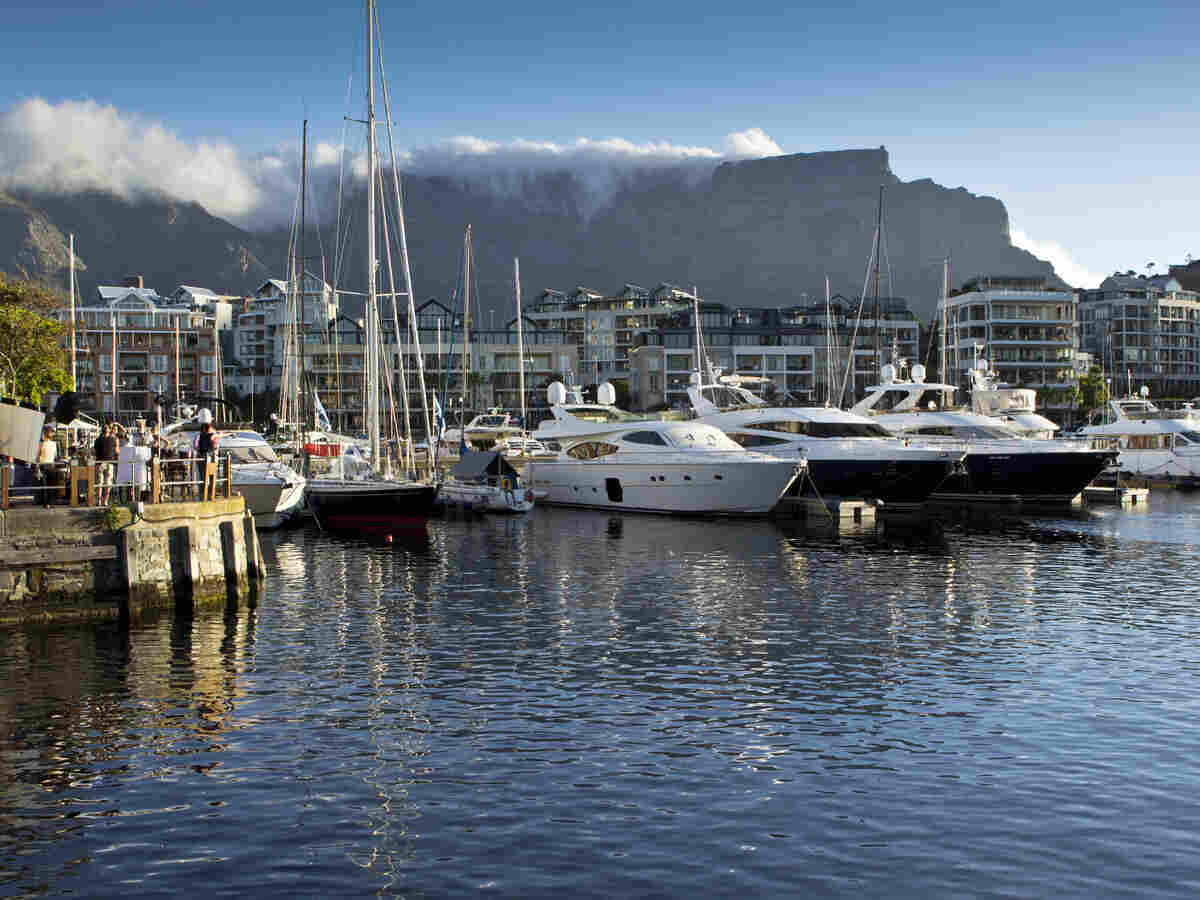
Hope emerges for South African tourism as falling oil prices bring down travel costs. The tourism industry of South Africa is following the developments of the world oil market because the fall in the prices of crude oil brings new chances for airlines, safari companies, transportation companies, and destinations of South Africa. The world oil market has recently experienced some declines after Iran indicated that they are willing to talk.
Brent crude prices declined by around 0.9%, while West Texas Intermediate (WTI) dropped by around 0.7% as markets reacted to reduced concerns about major oil supply disruptions. While this does not immediately reduce South Africa’s petrol or diesel prices, it can provide indirect relief to the tourism sector through improved aviation stability, lower fuel cost pressure and stronger travel confidence.
Advertisement
Advertisement
For a country that depends heavily on international visitors, long-distance flights, safari tourism and road travel, energy stability can play an important role in strengthening tourism growth.
From the wildlife landscapes of Limpopo and Mpumalanga to the global tourism appeal of Cape Town, several South African destinations could benefit if lower oil prices continue.
Advertisement
Advertisement
Falling Oil Prices Create New Tourism Opportunities Across South Africa
Oil prices influence almost every part of the travel experience. Airlines depend on jet fuel, safari operators depend on fuel-powered vehicles, cruise companies monitor marine fuel costs and tourists consider transportation expenses before booking holidays.
A stable oil market can create benefits across different tourism segments.
Advertisement
Advertisement
| Tourism Sector | Possible Benefit From Falling Oil Prices |
|---|---|
| International aviation | Lower pressure on airline fuel expenses |
| Safari tourism | Reduced operating costs for game-drive vehicles |
| Road tourism | More affordable self-drive holidays |
| Cruise tourism | Improved fuel cost stability |
| Hotels and lodges | Lower transport and logistics pressure |
| Tour operators | Better package flexibility |
South Africa’s tourism industry could experience greater relief if the current decline becomes a longer trend. Lower energy pressure can help businesses manage expenses while creating better value for travellers.
Limpopo Emerges As A Major Beneficiary Through Safari Tourism Relief
Limpopo stands among the South African destinations that could gain from a more stable oil market because the province depends strongly on wildlife tourism.
Advertisement
Advertisement
The province attracts travellers seeking:
- Safari adventures
- Wildlife experiences
- Luxury lodges
- Nature-based holidays
- Conservation tourism
Fuel plays a major role in safari operations. Operators use fuel for:
- Game-drive vehicles
- Airport transfers
- Lodge transport
- Supply movement
- Tourist transfers
A reduction in fuel pressure could help safari businesses reduce operational challenges and maintain competitive travel packages.
International travellers visiting Limpopo often combine flights, road transfers and safari experiences. Lower transport costs could improve the overall holiday experience and encourage more visitors to explore the province.
Advertisement
Advertisement
The potential benefits for Limpopo include:
- More affordable safari packages
- Reduced vehicle operating expenses
- Better support for tourism businesses
- Stronger visitor demand
Cape Town Could Gain Through Stronger International Travel Demand
Cape Town remains one of South Africa’s most important tourism gateways.
The city attracts millions of visitors through its:
- Natural landscapes
- Coastal attractions
- Wine tourism
- Adventure experiences
- Luxury hospitality sector
However, international visitors often consider flight prices before selecting a destination.
Fuel costs directly affect airline operations. When oil prices rise, airlines face increased expenses that can influence ticket pricing. A more stable oil market could reduce some pressure on carriers and support stronger international connectivity.
Cape Town could benefit through:
Advertisement
Advertisement
- More stable air travel costs
- Stronger airline confidence
- Improved international visitor demand
- Greater opportunities for hotels and attractions
The city’s tourism economy could receive additional support as travellers look for destinations offering diverse experiences at competitive prices.
Johannesburg Gains As A Major Travel Gateway For South Africa
Johannesburg plays a central role in South Africa’s tourism network because many international visitors enter the country through the city before travelling to other destinations.
The city benefits from:
- International air connections
- Business travel
- Regional African travel
- Tourist transfers
A reduction in global oil pressure could support airlines operating through Johannesburg by helping them manage fuel expenses more effectively.
Potential tourism benefits include:
- Better flight affordability
- Stronger passenger confidence
- Improved connections to other destinations
- Increased movement of international visitors
Johannesburg’s position as a gateway means any improvement in aviation conditions can influence tourism across the entire country.
Advertisement
Advertisement
Mpumalanga Could Receive Relief Through Wildlife And Nature Tourism
Mpumalanga is another key wildlife destination that depends heavily on tourism transport.
The province attracts visitors through:
- Safari experiences
- Nature reserves
- Scenic landscapes
- Adventure tourism
Fuel costs are an important factor for:
- Safari vehicles
- Lodge operations
- Visitor transfers
- Tourism logistics
Lower oil prices could help reduce pressure on tourism businesses operating in the province.
For safari companies and accommodation providers, improved energy conditions could support:
- More sustainable operations
- Better pricing flexibility
- Stronger visitor experiences
Durban And KwaZulu-Natal Could Benefit From Coastal Tourism Growth
Durban and KwaZulu-Natal could also experience positive effects from a calmer oil market.
Advertisement
Advertisement
The region attracts visitors through:
- Beaches
- Marine activities
- Cultural tourism
- Events
- Cruise tourism
Fuel costs influence coastal tourism through:
- Transport services
- Cruise operations
- Tourist transfers
- Road travel
A stable oil environment could support more predictable tourism costs and improve confidence among travellers planning holidays.
Durban’s coastal tourism sector could benefit from increased domestic and international travel opportunities.
Garden Route Could See Stronger Road Tourism Opportunities
The Garden Route is one of South Africa’s most popular self-drive tourism regions.
Destinations such as:
Advertisement
Advertisement
- Knysna
- Plettenberg Bay
- Mossel Bay
- Wilderness
depend heavily on road travellers.
Fuel prices influence decisions for tourists planning long-distance journeys.
Lower oil pressure could encourage:
- More domestic road trips
- Increased rental car travel
- Longer stays
- More spending at local tourism businesses
Small businesses along the Garden Route could benefit from improved travel demand.
Stellenbosch And Wine Regions Could Gain From Lower Transport Pressure
South Africa’s wine tourism destinations could also benefit from improved energy conditions.
Regions such as:
Advertisement
Advertisement
- Stellenbosch
- Franschhoek
- Paarl
depend on:
- Tourist transfers
- Luxury vehicles
- Guided experiences
- Hospitality supply chains
Lower fuel pressure could support more competitive wine tourism experiences.
International and domestic visitors may find it easier to explore these regions through organised tours and independent travel.
How South Africa Tourism Is Receiving Relief From Falling Oil Prices
| South African Destination | Tourism Segment | Relief Opportunity |
|---|---|---|
| Limpopo | Safari tourism | Lower vehicle fuel pressure |
| Cape Town | International tourism | Better aviation stability |
| Johannesburg | Air connectivity | Stronger travel movement |
| Mpumalanga | Wildlife tourism | Reduced operational costs |
| Durban | Coastal tourism | Improved transport conditions |
| Garden Route | Road tourism | More affordable journeys |
| Stellenbosch | Wine tourism | Lower transfer pressure |
Airlines And Aviation Could Become The Biggest Winners
The strongest tourism impact could come through aviation.
South Africa depends on international travellers arriving from major global markets. Flight affordability is one of the biggest factors influencing travel decisions.
If oil prices remain lower:
Advertisement
Advertisement
- Airlines may experience reduced fuel pressure.
- Route stability could improve.
- Ticket prices may become more competitive.
- More travellers may consider long-haul holidays.
This could benefit major tourism hubs such as Cape Town and Johannesburg while supporting destinations connected through domestic transport networks.
Safari, Road Trips And Adventure Travel Could Become More Competitive
South Africa’s tourism strength comes from its diversity.
Visitors can experience:
- Wildlife safaris
- Coastal holidays
- Wine tourism
- Adventure activities
- Cultural experiences
All these sectors require transportation.
Lower energy costs could help tourism businesses create more attractive packages and improve competitiveness in the global travel market.
Long-Term Relief Depends On Continued Oil Market Stability
Although the current oil decline provides positive signals, the tourism benefits will depend on whether energy prices remain stable.
Advertisement
Advertisement
The market is still influenced by:
- Middle East developments
- Global oil supply conditions
- Shipping risks
- Future diplomatic progress
A single day of falling prices will not immediately transform tourism costs. However, a sustained period of lower oil prices could create meaningful benefits for South Africa’s travel industry.
Limpopo, Cape Town and more South African destinations are positioned to benefit from a calmer global oil market as falling crude prices create new opportunities for tourism growth.
From safari adventures in Limpopo and Mpumalanga to international holidays in Cape Town, coastal escapes in Durban and scenic road journeys along the Garden Route, lower energy pressure could strengthen South Africa’s tourism appeal.
The biggest relief could come through improved aviation conditions, reduced transport costs and stronger traveller confidence.
As global energy markets stabilise, South Africa’s tourism sector could enter a new phase of opportunity, making its destinations more accessible and competitive for visitors from around the world.
Advertisement
