
Spain AlongSide Portugal and Others Hit by New Housing Storm as Madrid Protests Escalate Over Rising Rents Evictions and Tenant Protections

Published
Spain, Portugal, the Netherlands and others face housing protests as soaring rents fuel public anger. Spain is facing a fresh wave of housing protests on Saturday as demonstrations spread across Madrid and dozens of other cities following parliament’s rejection of two major housing measures designed to strengthen tenant protection. The mobilization brings Spain’s worsening housing affordability debate back into the spotlight at a time when rising rents, limited supply and growing pressure on urban neighbourhoods are affecting residents while reshaping some of the country’s most heavily visited destinations.
The demonstrations come after parliament rejected the housing measures on Friday, immediately intensifying an already active protest movement.
Advertisement
Advertisement
Madrid is expected to become one of the main centres of Saturday’s mobilization. Protest groups have called for demonstrations in more than 50 Spanish cities, turning what began as anger over individual eviction cases into a wider national campaign focused on rental affordability, tenant security and housing availability.
The protests also place Spain within a wider European debate. Housing and cost-of-living demonstrations have taken place in cities including Lisbon in Portugal, Amsterdam in the Netherlands, Prague in the Czech Republic and Milan in Italy, highlighting how affordability pressures have become increasingly visible across major European urban centres.
Advertisement
Advertisement
Madrid Becomes Centre of Spain’s Growing Housing Mobilization
Madrid has emerged as one of the most visible centres of Spain’s housing dispute.
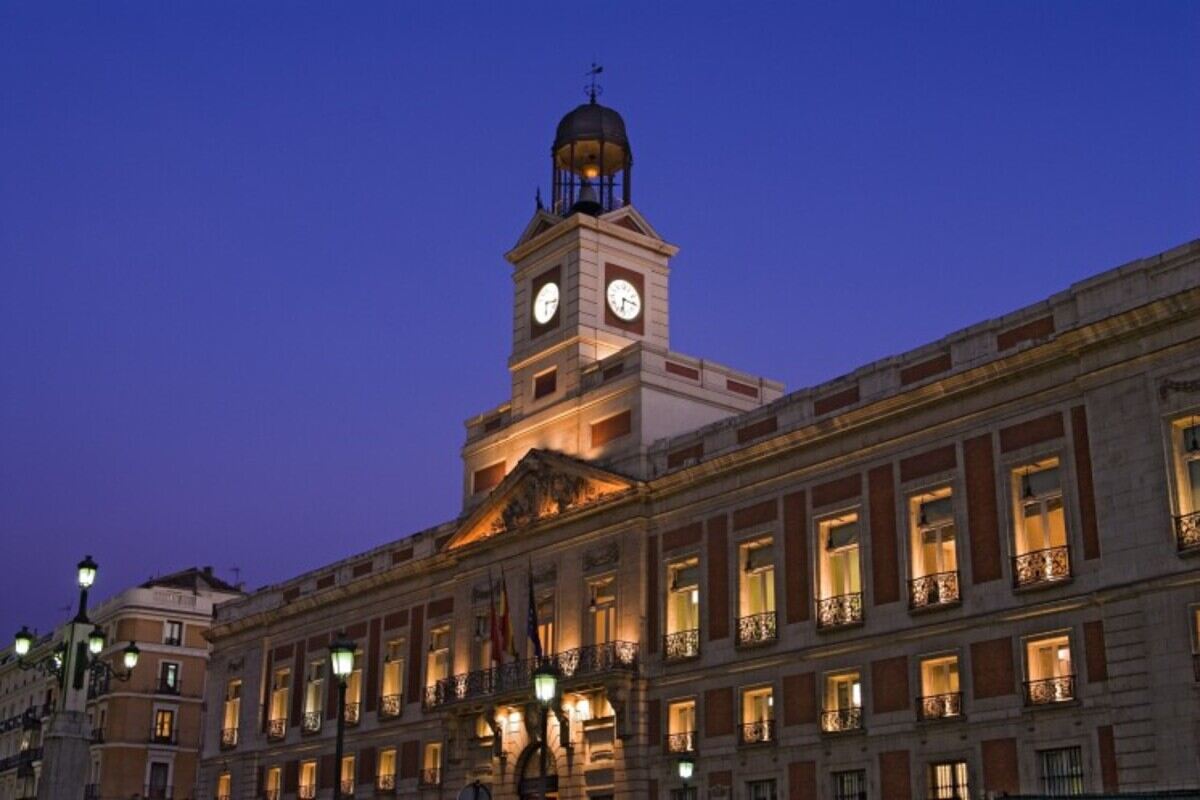
Protesters have been maintaining a presence around Puerta del Sol, one of the Spanish capital’s busiest public spaces and an important landmark for international visitors. The square sits at the heart of Madrid’s commercial and tourism districts, making demonstrations there particularly noticeable.
Advertisement
Advertisement
Saturday’s mobilization is expected to involve groups travelling from several locations before converging around Plaza de Cibeles, another major central Madrid landmark.
Large demonstrations in these areas may temporarily affect pedestrian movement, public transport services and road access around central Madrid. Visitors travelling through the city centre may therefore encounter crowds, security arrangements or temporary diversions.
Advertisement
Advertisement
The housing movement has been building for some time, but a recent high-profile eviction involving an elderly Madrid resident significantly increased public attention.
The resident had reportedly lived in the same property for around seven decades before ownership changes resulted in a dispute over substantially higher rent. The case became a powerful symbol for campaigners concerned about housing affordability and displacement.
A subsequent agreement allowed the resident to return to the property under a lower-rent arrangement, but the wider housing campaign continued.
Parliament Rejects Measures Designed to Strengthen Tenant Protection
The political trigger for the latest demonstrations was the rejection of two housing decrees introduced by Spain’s government.
Advertisement
Advertisement
The package included measures intended to strengthen protection for vulnerable households facing eviction and provide greater security for tenants when rental contracts expire.
Official government information published before the parliamentary vote detailed several proposed protections, including mechanisms to suspend certain evictions involving vulnerable residents without alternative accommodation. Measures were also designed to regulate temporary rentals and room rentals more closely.
Another important part of the proposals concerned large investment entities acquiring residential property.
The measures sought to place additional restrictions on some investment activity involving properties purchased below market valuation, while exemptions were included for affordable housing, social accommodation and other protected uses.
The defeat of the measures means these planned protections will not proceed in their proposed form following the parliamentary vote.
Housing policy has become one of the most contested domestic issues in Spain, with political groups differing over rent controls, property rights, construction levels, investment rules and the most effective way to increase affordable supply.
Advertisement
Advertisement
Spain’s Housing Costs Put Growing Pressure on Major Cities
The protests are unfolding against a much larger structural problem.
Spain has experienced strong increases in both residential rents and property asking prices during the past decade.
According to the housing-market figures cited in the original reports surrounding the protests, average Spanish rents have almost doubled over approximately ten years, while home asking prices have increased by around 90 per cent.
The increases have created particular pressure in major economic and tourism centres where housing demand is already high.
Cities including Madrid, Barcelona, Valencia, Málaga and Palma have faced increasingly intense discussions over housing accessibility, neighbourhood change and the relationship between residential accommodation and other property uses.
Spain’s parliament itself has repeatedly debated the severity of the housing challenge. Recent parliamentary documentation has highlighted housing supply shortages and the difficulties faced by younger residents seeking independent accommodation. Different political groups, however, continue to disagree sharply over the causes and appropriate policy response.
Advertisement
Advertisement
For Spain’s visitor economy, the housing debate matters because many of the neighbourhoods facing affordability pressure are also major tourism zones.
That does not mean tourism alone explains Spain’s housing problems. Population growth, construction shortages, investment patterns, interest rates, household formation and regional planning restrictions all contribute to the wider housing market.
However, accommodation pressures are increasingly becoming part of discussions about how major European destinations should balance visitor demand with the everyday needs of residents.
Housing Protests Reflect a Wider European Urban Challenge
Spain is not alone in facing public anger over housing costs.
Comparable demonstrations and broader cost-of-living protests have appeared across several European cities, including Lisbon, Amsterdam, Prague and Milan, where residents have raised concerns about housing accessibility, rent burdens and the cost of living.
Amsterdam, for example, has a long history of housing activism. The city’s official archives note that thousands participated in a major housing protest in 2021 amid renewed concern over affordability and shortages.
Advertisement
Advertisement
The recurrence of housing demonstrations across Europe reflects wider pressure on successful metropolitan areas.
Lisbon and Milan have experienced strong international investment and tourism growth. Amsterdam has faced persistent debates over housing availability and urban pressure. Prague has similarly seen rising accommodation costs become an important issue for residents.
Each city has different laws, property markets and economic conditions, so the demonstrations cannot be treated as a single European movement. Nevertheless, affordable housing has become an increasingly prominent challenge across several of Europe’s leading urban destinations.
What Spain’s Latest Protests Mean for Travellers
For travellers, Saturday’s protests are primarily an urban mobility issue rather than a reason to avoid Spain.
Visitors in Madrid should pay particular attention to activity around Puerta del Sol, Plaza de Cibeles and connecting central streets, especially during periods when demonstrators are moving through the city.
Public transport access, road traffic and pedestrian routes may be adjusted depending on crowd sizes and security requirements.
Advertisement
Advertisement
Travellers should allow additional time when travelling between central Madrid attractions, railway stations, hotels and transport hubs.
The protests also carry a wider tourism significance.
Spain remains one of the world’s largest visitor destinations, but the demonstrations underline the growing importance of managing tourism growth alongside housing availability and residents quality of life.
Housing affordability is increasingly becoming part of the debate surrounding successful European destinations. For Spain, the rejection of the latest tenant protection measures has ensured that the issue will remain highly visible.
Saturday’s demonstrations therefore represent more than another protest in Madrid.
They reveal how deeply housing pressure has entered Spain’s urban and political landscape while connecting the country with a wider European debate over affordability, investment, city development and the future of life in some of the continent’s most popular destinations.
Advertisement
