
Travellers Could Encounter Heightened Security in London and Other English Cities in 2027

Published
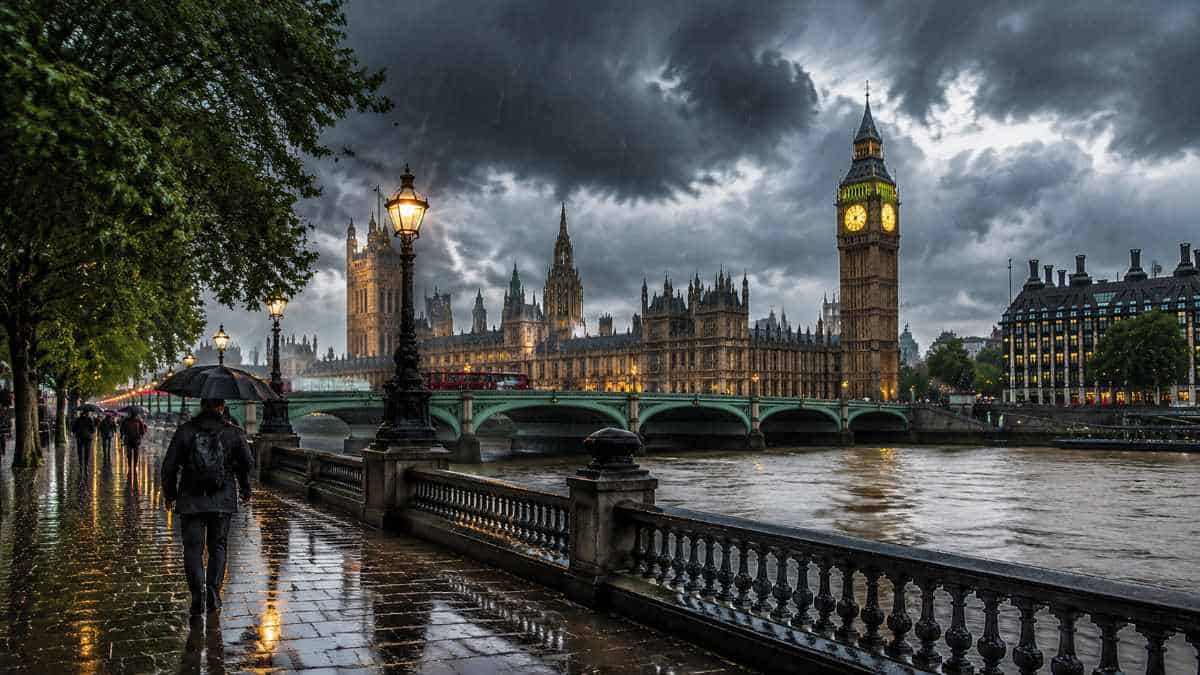
Image generated with Ai
Travelers visiting England in 2027 should expect stronger and more visible security at major attractions, transportation hubs, stadiums, entertainment venues, and large public events. London, Manchester, Liverpool, Leeds, Bristol, Newcastle, Southampton, Birmingham, and other busy destinations may see enhanced policing and venue controls. However, these cities are not under blanket travel restrictions. The biggest nationwide change will be the expected implementation of the Terrorism (Protection of Premises) Act 2025, widely known as Martyn’s Law, in spring 2027. The legislation is designed to improve preparedness at qualifying public premises and events. Against the current national security backdrop, travelers could consequently notice additional bag checks, controlled entrances, CCTV, barriers, specialist police deployments, and tighter crowd-management procedures.
English Cities Where Travellers Could Encounter Heightened Security in 2027
| English city | Security environment entering 2027 | Officially documented measures / recent activity | Places where visitors may notice security most | What tourists could encounter | Why 2027 is important |
|---|---|---|---|---|---|
| London | Extensive / highly visible in sensitive locations | Metropolitan Police operates Project Servator using unpredictable deployments involving uniformed and plain-clothes officers and potentially dogs, mounted police, armed officers and specialist units. | Westminster, major rail stations, airports, government buildings, central tourist districts, large events and stadiums | Bag checks, controlled entrances, CCTV, police patrols, road closures, barriers and occasional specialist policing | Martyn’s Law is expected to strengthen preparedness at qualifying public premises from spring 2027. |
| Manchester | Extensive around major events and crowded locations | Greater Manchester Police deployed Project Servator, specialist resources and Live Facial Recognition during major events in 2026. | City centre, Old Trafford, Etihad area, Manchester Airport, major stations, arenas and nightlife districts | Visible officers, specialist patrols, event screening and, at selected operations, facial-recognition deployments | Manchester has particular relevance to Martyn’s Law because the legislation followed campaigning after the 2017 Manchester Arena attack. |
| Liverpool | Heightened / targeted | Multiple Section 60 operations occurred in 2026. Police also introduced dispersal zones and increased visible patrols following disorder and weapons incidents. | City centre, waterfront, Lime Street, Central Station, nightlife areas and major events | Extra officers, CCTV, temporary dispersal zones and potentially enhanced stop-and-search powers when formally authorised | Security measures are intelligence- and incident-led rather than permanent restrictions on tourists |
| Leeds | Heightened / technology-assisted | West Yorkshire Police uses Project Servator and has conducted repeated Live Facial Recognition deployments in Leeds city centre during 2026. | City centre, shopping districts, nightlife areas, transport hubs and football events | Uniformed and covert officers, CCTV, specialist deployments and occasional authorised facial-recognition operations | Large venues and crowded public premises will also fall within the wider 2027 Martyn’s Law environment |
| Birmingham | Major-city security environment | Birmingham falls within the same national SEVERE terrorism-threat environment and contains numerous major transport, retail, sporting and entertainment locations | New Street area, Bullring, city centre, NEC, major sporting venues and Birmingham Airport | Visitors should expect ordinary major-city security, with stronger screening around high-attendance events | Qualifying venues and events will face the new national protective-security framework when Martyn’s Law commences |
| Newcastle upon Tyne | Heightened in city-centre/night-time hotspots | Police reported uniformed and plain-clothes patrols, knife-arch deployments, CCTV monitoring and additional operations targeting serious violence and nightlife risks in 2026. | Bigg Market, Old Eldon Square, Northumberland Street, Central Station and St James’ Park | Visible patrols, CCTV, targeted police operations, event management and occasional dispersal measures | Major football matches and nightlife periods can produce significantly stronger security deployments |
| Bristol | Targeted / event-responsive | Police documented high-visibility patrols and Project Servator deployments around Old City/Docks, alongside increased policing for particular city-centre events. | Harbourside, Old City, city centre, nightlife areas, transport hubs and festivals | Visible patrols and additional police around large gatherings or specific risks | Festival and large-event venues may see stronger protective-security procedures under the 2027 regime |
| Southampton | Enhanced city-centre safety operation | Operation Predict was launched in January 2026 as a long-term police, council and business partnership. Authorities said visitors would see increased joint patrols and a coordinated security presence. | City centre, shopping areas, nightlife districts, cruise/transport approaches and large events | Security patrols, police visibility and coordinated city-centre monitoring | Particularly relevant to visitors because Southampton is a major gateway for cruise passengers |
| Bradford | Targeted / technology-assisted | Police documented Live Facial Recognition operations and planned Project Servator deployments during 2026. | City centre, nightlife areas, shopping areas and major gatherings | Police patrols, CCTV, targeted operations and occasional facial-recognition deployments | Measures are targeted rather than evidence of a general restriction on tourism |
| Oxford | Normal major-destination security with sensitive locations | Covered by the national terrorism-security framework; large visitor venues will be affected by Martyn’s Law where statutory thresholds apply | Railway station, university areas, shopping districts, major events and crowded attractions | Venue security, CCTV and event-specific screening | Extremely high visitor concentrations mean qualifying venues will need appropriate preparedness once the new law commences |
| Cambridge | Normal major-destination security with event escalation | National security requirements apply, while local policing can increase around major events and crowded areas | Historic centre, university precincts, railway station and major events | Primarily routine policing and venue security, with stronger arrangements for particular events | Martyn’s Law will create more consistent preparedness requirements across qualifying premises |
| York | Normal but potentially strengthened around crowded attractions/events | Covered by national protective-security arrangements rather than evidence of permanent exceptional controls | York Station, Minster area, city walls, Christmas markets, racecourse and major events | CCTV, event screening, crowd controls and additional policing during high-footfall periods | Major visitor attractions and large events may face stronger preparedness obligations from 2027 |
Why Could Security Feel Different Across England in 2027?
England is preparing for an important change in the way public places manage security. The Terrorism (Protection of Premises) Act 2025 received Royal Assent in April 2025, creating a new statutory framework for protecting publicly accessible premises and events.
The Security Industry Authority says the legislation is expected to come into force in spring 2027, although the precise commencement date remains subject to confirmation.
For visitors, this does not mean England will become difficult to enter or that major cities will operate under permanent emergency restrictions. Instead, security preparedness could become more noticeable inside the visitor economy.
Advertisement
Advertisement
Hotels, entertainment venues, visitor attractions, shopping destinations, arenas and event spaces that meet the relevant thresholds will need to understand and meet their obligations.
The practical result could be a more standardized security environment, especially at places attracting large crowds.
Advertisement
Advertisement
That makes 2027 an important year for travelers planning major English city breaks.
What Exactly Will Martyn’s Law Change for Visitors?
Martyn’s Law establishes requirements for qualifying premises and events to improve their preparedness for terrorist attacks. The system is based partly on how many people may reasonably be expected to be present.
Government guidance describes a standard tier covering qualifying premises where 200 or more people may be present. Enhanced requirements apply to qualifying premises and events involving 800 or more people.
The requirements are primarily obligations on operators rather than tourists.
At larger qualifying locations, protective measures could include procedures associated with monitoring, entry and exit controls, searching people or bags, and vehicle movements where appropriate.
This means travelers should distinguish security procedures from travel restrictions.
Advertisement
Advertisement
A bag check outside a concert venue does not indicate that the surrounding city is unsafe. Controlled access at a major attraction does not mean tourists face extraordinary restrictions.
Instead, 2027 could bring greater consistency to security planning at busy public places throughout England, making preparedness a more formal part of destination operations.
Why Will London Have Some of England’s Most Visible Security?
London naturally stands at the center of England’s visitor-security landscape because it combines huge tourism volumes with national government institutions, international transportation gateways, major sporting venues and globally recognized attractions.
Visitors already encounter substantial security around sensitive and crowded locations.
The Metropolitan Police uses Project Servator, an approach based on unpredictable deployments designed to identify and deter criminal activity, including terrorism.
Operations can involve uniformed and plain-clothes personnel. Depending on circumstances, deployments can also involve police dogs, mounted officers, armed officers and other specialist resources.
Advertisement
Advertisement
Travelers should not interpret their presence as evidence that police have identified an immediate threat. Project Servator is deliberately designed around unpredictable deployments.
Security can become considerably more visible during major celebrations, demonstrations, sporting fixtures and internationally significant events.
Westminster, central London transportation hubs, airports, stadiums and major entertainment locations are among the places where visitors are most likely to notice controlled access, surveillance, barriers and additional officers.
Why Does Manchester Hold Special Importance in the 2027 Security Landscape?
Manchester occupies an important position in Britain’s evolving protective-security framework for both practical and historical reasons.
Martyn’s Law is named after Martyn Hett, one of 22 people killed in the Manchester Arena terrorist attack in May 2017. The legislation emerged following a sustained campaign for stronger preparedness at publicly accessible venues.
Manchester already provides examples of how intensive event-specific policing can work.
Advertisement
Advertisement
Greater Manchester Police has deployed Project Servator and specialist resources around major events. Police operations during major sporting occasions in 2026 included increased deployments across central Manchester and other strategically important areas.
Live Facial Recognition has also been deployed during selected operations.
For tourists, enhanced measures are most likely to become noticeable around Manchester Airport, major railway stations, entertainment venues, Old Trafford, the Etihad area and crowded city-center districts.
This should not be interpreted as a permanent security lockdown.
Rather, Manchester demonstrates how large English destinations increasingly combine visible policing, technology, intelligence and event management while allowing everyday tourism and business activity to continue.
Why Should Travelers Understand Liverpool’s Temporary Security Measures?
Liverpool provides an important example of the difference between permanent restrictions and temporary police powers.
Advertisement
Advertisement
Merseyside Police authorized enhanced stop-and-search powers in parts of Liverpool during several periods in 2026 following incidents involving violence and weapons.
Police reported that three Section 60 orders during July resulted in dozens of stop checks and several arrests.
Authorities also introduced temporary dispersal zones in parts of the city center during particular periods. Such powers allow officers to respond more quickly to antisocial behavior, disorder and identified threats within designated areas.
These operations should not be interpreted as evidence that Liverpool is permanently subject to extraordinary security restrictions.
For visitors, Liverpool remains a major cultural, entertainment, football and waterfront destination.
Security is likely to become most visible around large football matches, concerts, nightlife districts, Lime Street and Central stations, major festivals and busy waterfront events.
Advertisement
Advertisement
Travelers could encounter extra officers, CCTV monitoring, temporary barriers or localized access controls when circumstances require them.
Why Is Leeds Becoming Important in Technology-Led Policing?
Leeds illustrates another dimension of the changing security environment: the increasing use of technology alongside conventional policing.
West Yorkshire Police operates Project Servator, which combines highly visible and less obvious policing tactics.
Depending on operational requirements, deployments can include uniformed and plain-clothes officers, police dogs, mounted personnel, firearms resources, Automatic Number Plate Recognition, vehicle checkpoints and CCTV.
West Yorkshire Police also carried out multiple Live Facial Recognition deployments in Leeds city center during 2026.
These systems are not continuously scanning every street in Leeds. Deployments are planned for specific locations and periods and operate under police authorization.
Advertisement
Advertisement
Nevertheless, international travelers could increasingly encounter technology-assisted security during visits to major English cities.
Leeds attracts visitors for shopping, nightlife, cultural activities, sporting events and business travel. Its railway connections also make the city an important regional gateway.
Security measures will therefore be most noticeable around busy city-center districts, major events, transport facilities and large sporting gatherings.
What Could Visitors Encounter in Birmingham, Bristol and Newcastle?
Security beyond London and Manchester is likely to remain proportionate to local conditions, crowd sizes and individual events.
Birmingham contains one of England’s busiest urban transportation networks alongside extensive retail districts, entertainment venues, exhibition facilities and sporting locations. Travelers may encounter stronger controls around major events, Birmingham New Street, the city center, the NEC and large sporting fixtures.
Bristol has also used high-visibility policing and Project Servator deployments. The city’s Harbourside, Old City, nightlife areas and festival locations can attract particularly large crowds, increasing the need for event-specific security.
Advertisement
Advertisement
Newcastle combines major nightlife districts with football and entertainment tourism. Northumbria Police has documented high-visibility and plain-clothes patrols, CCTV monitoring and other targeted initiatives addressing violence and public safety.
For travelers, these cities illustrate an important principle.
Security levels are dynamic. A destination that feels completely normal on one weekend may have substantial police visibility during a football match, festival, political gathering or major public celebration the next.
Why Should Southampton Matter to Cruise Travelers in 2027?
Southampton deserves particular attention because its tourism economy functions differently from many inland English destinations.
The city is one of Britain’s principal cruise gateways. Large numbers of international passengers move between cruise terminals, hotels, transportation hubs and the city center.
In January 2026, Hampshire and Isle of Wight Constabulary announced Operation Predict, a long-term partnership involving police, Southampton City Council and local businesses. Authorities said the program would strengthen coordination and increase joint patrol activity in the city center.
Advertisement
Advertisement
For cruise travelers, the practical implications are straightforward.
Visitors may see greater police visibility and coordinated security activity around central shopping streets, nightlife areas and transportation routes. Cruise terminals themselves already operate within controlled maritime environments where passenger identification, baggage processing and access restrictions form part of normal operations.
Large public premises elsewhere in Southampton will also need to consider the forthcoming national protective-security framework where statutory thresholds apply.
Security should therefore be understood as part of Southampton’s role as a major international transportation gateway.
Will Oxford, Cambridge and York Become Difficult for Tourists to Visit?
There is no evidence that Oxford, Cambridge or York will become restricted destinations for ordinary tourists in 2027.
These cities are relevant because each concentrates very large numbers of visitors within relatively compact historic areas.
Advertisement
Advertisement
Oxford and Cambridge combine universities, historic buildings, museums, shopping areas and transportation hubs. York has similarly concentrated tourism around its historic center, Minster, city walls, railway station and seasonal attractions.
Large visitor numbers can require sophisticated crowd management even without a specific security threat.
Martyn’s Law will add another layer where individual premises and events satisfy statutory requirements.
Travelers might therefore see entrance procedures, security staff, CCTV, event barriers or bag policies at qualifying attractions and gatherings.
However, it would be misleading to characterize these destinations as cities under extraordinary security.
The more accurate picture is one of preventive preparedness.
Advertisement
Advertisement
For international travelers, normal awareness remains appropriate, while individual attractions and events should be checked before arrival for specific entry and baggage requirements.
What Should International Travelers Expect at Major Events?
Major events are where travelers are most likely to experience intensive security procedures.
Football matches, concerts, festivals, New Year’s Eve celebrations and other high-attendance gatherings can require temporary traffic controls, ticket checkpoints, restricted zones, bag searches and substantial police deployments.
London’s New Year’s Eve arrangements provide a useful example. Authorities can establish restricted areas, deploy stewards and security personnel, use CCTV and introduce road or pedestrian restrictions to manage extremely large crowds safely.
Similar principles apply elsewhere.
Premier League matches in Manchester, Liverpool, London and Newcastle can generate major transportation and crowd-management operations. Concerts and festivals may impose their own prohibited-item policies and entry screening.
Advertisement
Advertisement
Visitors should consequently check official event guidance before traveling.
Arriving early is particularly useful where security screening is expected.
Travelers should also avoid carrying unnecessary large bags because venues frequently impose their own baggage restrictions.
The central point remains simple: stronger event security normally represents preventive risk management rather than evidence of an immediate threat.
Is England Still Open and Accessible to Tourists in 2027?
Yes. Nothing in the forthcoming security framework amounts to a blanket restriction on international tourism in England.
London, Manchester, Liverpool, Leeds, Birmingham, Bristol, Newcastle, Southampton, Oxford, Cambridge and York remain major visitor destinations.
Advertisement
Advertisement
What is changing is the architecture behind public safety.
The expected implementation of Martyn’s Law in spring 2027 will create clearer responsibilities for qualifying premises and events. At the same time, police forces already use tools ranging from Project Servator and CCTV to targeted stop-and-search powers and, in selected locations, Live Facial Recognition.
Travelers are therefore more likely to notice security rather than be prevented from traveling.
The distinction is crucial.
England is not closing its cities behind security barriers. Instead, major destinations are strengthening preparedness around crowded and potentially vulnerable locations.
For travelers planning England in 2027, the practical approach is simple: monitor official advice, check venue rules, allow additional time for major events and cooperate with security procedures when required.
England’s changing security landscape could become more noticeable for international visitors throughout 2027. The main reason is the expected implementation of Martyn’s Law, alongside existing intelligence-led policing and event-specific protection. Large attractions, entertainment venues, stadiums and transport locations may introduce or strengthen protective procedures according to their legal responsibilities and individual risks. This does not amount to a nationwide restriction on tourism. Instead, the objective is stronger preparedness in crowded public spaces. Visitors should check official venue guidance, arrive early for major events and follow local instructions. England remains open to travelers, but public safety will carry greater operational importance.
Advertisement
