
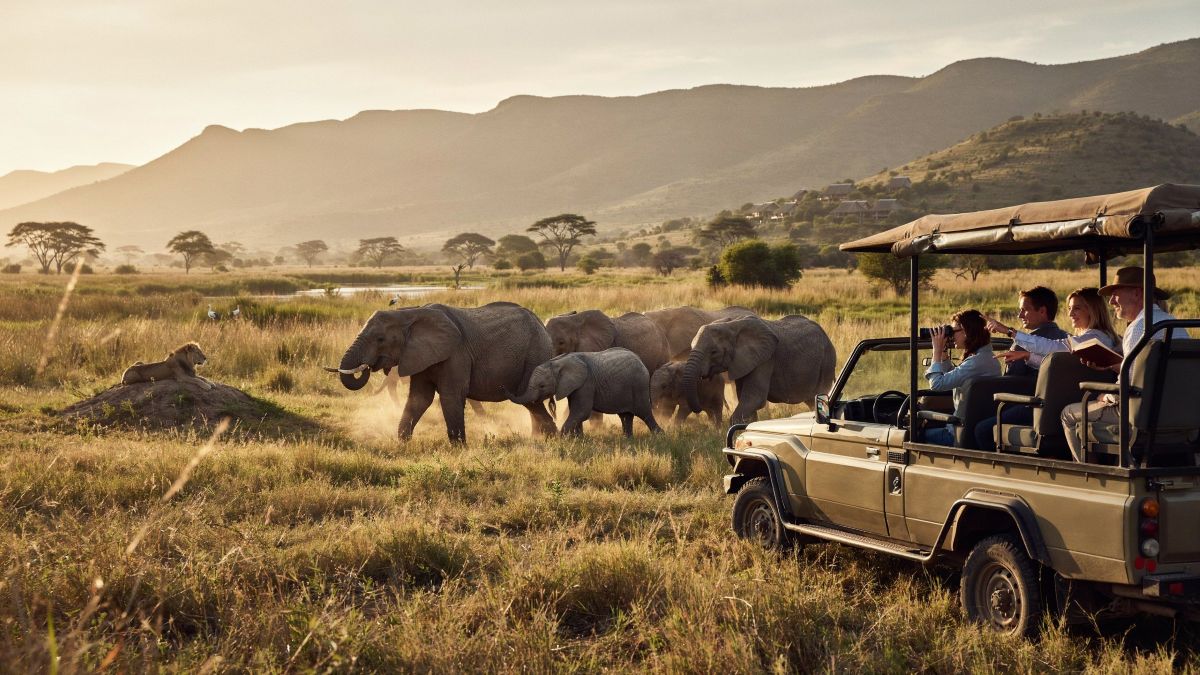
Image generated with Ai
France, the UK, USA, Germany and the Netherlands continue to drive increased demand for travel across the globe, South Africa is becoming a global adventure tourism hub. 991,696 guests are expected in the month of July 2026 and 6.57 million tourists were recorded between January and July 2026, making this destination a popular tourist destination for safari, luxury, culture and memorable nature experiences. Aside from wildlife, South Africa is a quintessential city, coast, vineyard and heritage epicurean trail, making it one of the most interesting and culturally enriching places to visit on Earth.
The global traveller is changing. Visitors are increasingly moving away from simple sightseeing and searching for meaningful experiences that create memories, emotional connections and authentic interactions.
South Africa is benefiting from this shift because it combines several high-demand travel categories:
The country’s tourism growth is also becoming more geographically balanced. Official figures show that between January and July 2026, arrivals from African markets increased by 14.3%, while overseas arrivals grew by 5.7%.
Advertisement
| Traveller Interest | South Africa Experience |
|---|---|
| Wildlife adventure | Safari parks, conservation areas and guided nature experiences |
| Luxury travel | Premium lodges, resorts and personalised journeys |
| Culture | Heritage sites, local communities and traditions |
| Nature | Mountains, coastlines, forests and landscapes |
| Gastronomy | Wine regions, local cuisine and culinary tourism |
The biggest opportunity for South Africa is that modern travellers are no longer choosing destinations only for one attraction. They are choosing places that offer complete journeys.
France has emerged as one of the strongest growth markets in South Africa’s tourism expansion, reflecting increasing demand for immersive African travel experiences.
In July 2026, South Africa welcomed 12,496 French tourists, representing a 24.9% increase compared with July 2025. France recorded the highest growth rate among South Africa’s leading overseas markets during the month.
This growth highlights a wider shift in European travel behaviour. French travellers are increasingly seeking destinations that combine adventure with comfort — experiences that allow them to explore nature while enjoying quality accommodation, gastronomy and cultural discovery.
Advertisement
Advertisement
South Africa’s advantage is its ability to deliver different styles of travel in a single holiday. A French visitor can experience Cape Town’s urban energy, explore the Cape Winelands, travel along dramatic coastlines and continue towards wildlife destinations.
The United States remains South Africa’s largest overseas tourism market, showing the continued strength of American demand for African adventures.
In July 2026:Market July 2026 Tourists United States 37,310 United Kingdom 25,024 Netherlands 17,066 France 12,496 Germany 10,830
American visitors accounted for 19.3% of all overseas tourists during July 2026, making the United States South Africa’s leading overseas source market.
For American travellers, South Africa offers the type of high-value experiences increasingly demanded in international tourism:
The growth of the US market is strategically important because long-haul travellers often seek longer stays and premium experiences, creating greater economic value across accommodation, transport, attractions and local businesses.
The United Kingdom remains one of South Africa’s most important tourism partners, supported by long-standing connections, travel accessibility and strong visitor demand.
South Africa recorded 25,024 UK tourists in July 2026, making Britain the second-largest overseas market after the United States.
During January–July 2026, arrivals from the UK reached 234,620 tourists, an increase of 4.2% compared with the same period in 2025.
The UK market remains valuable because travellers continue to visit South Africa for:
For South Africa, maintaining strong demand from the UK provides a stable international tourism foundation while newer markets continue expanding.
Europe continues to strengthen its position as a key source region for South Africa’s tourism industry.
Germany recorded 10,830 tourists in July 2026, increasing by 19% compared with July 2025.
From January to July 2026, German arrivals reached 166,429 tourists, representing 17% annual growth.
German travellers are increasingly attracted by:
The Netherlands is also showing strong momentum. South Africa welcomed 17,066 Dutch tourists in July 2026, representing growth of 14.2% compared with July 2025.
Dutch travellers are increasingly interested in nature, adventure and authentic experiences, supporting South Africa’s ambition to attract more experience-driven visitors.
Although overseas markets are growing, African tourism remains the strongest foundation of South Africa’s international visitor economy.
In July 2026, tourists from Southern African Development Community (SADC) countries reached 785,469, representing 79.2% of all tourists visiting South Africa.
The leading SADC markets were:Country July 2026 Tourists Mozambique 235,677 Zimbabwe 210,324 Lesotho 173,671 Eswatini 81,356 Botswana 30,224
This regional strength gives South Africa a unique advantage. Unlike destinations dependent mainly on international flights, South Africa benefits from both global aviation connections and strong neighbouring travel networks.
Future tourism growth will depend not only on demand but also on how easily travellers can access the destination.
The South African government has highlighted digital visa improvements and the Electronic Travel Authorisation system as tools to support easier international travel and strengthen tourism growth. (South African Tourism)
Improved access can help travellers discover more regions beyond traditional tourism centres, spreading economic benefits to smaller communities, national parks, heritage locations and emerging destinations.
Tourism also remains a major economic driver. Official government information states that tourism supported 954,000 direct jobs in 2024 and contributed 4.9% to GDP. (South African Tourism)
South Africa’s tourism rise is not only about increasing visitor numbers. It reflects a deeper change in how people travel.
Travellers from France, the UK, USA, Germany and the Netherlands are increasingly looking for destinations that provide adventure, authenticity and unforgettable experiences.
With world-class wildlife, diverse landscapes, strong hospitality and expanding international demand, South Africa is positioning itself as one of the most competitive adventure tourism destinations in the world.
The country’s tourism future will be shaped by its ability to transform every visitor journey into a complete African experience — from the first safari sunrise to the final coastal sunset.
In conclusion, France joins UK and other travel markets as South Africa’s tourism boom attracts global adventure demand, strengthening the country’s position as a leading destination for wildlife, luxury, culture and nature-based experiences. As more and more people visit South Africa from across the globe, the country is changing the way people travel the world by providing them with memorable experiences outside of the scope of tourism. As South Africa’s diverse attractions, its improved accessibility and premium experiences continue to drive its emergence as a global leader in adventure tourism, the demand from France, the UK and other key markets continues to grow.
Advertisement
Advertisement
Advertisement













Sunday, September 6, 2026

Sunday, September 6, 2026

Sunday, September 6, 2026

Sunday, September 6, 2026
Saturday, September 5, 2026
Saturday, September 5, 2026

Sunday, September 6, 2026

Sunday, September 6, 2026



