
JetBlue Flight B61439 Airbus A220-300 from Boston to Austin Diverts and Lands at Pittsburgh International Airport on July 31: What You Need to Know

Published
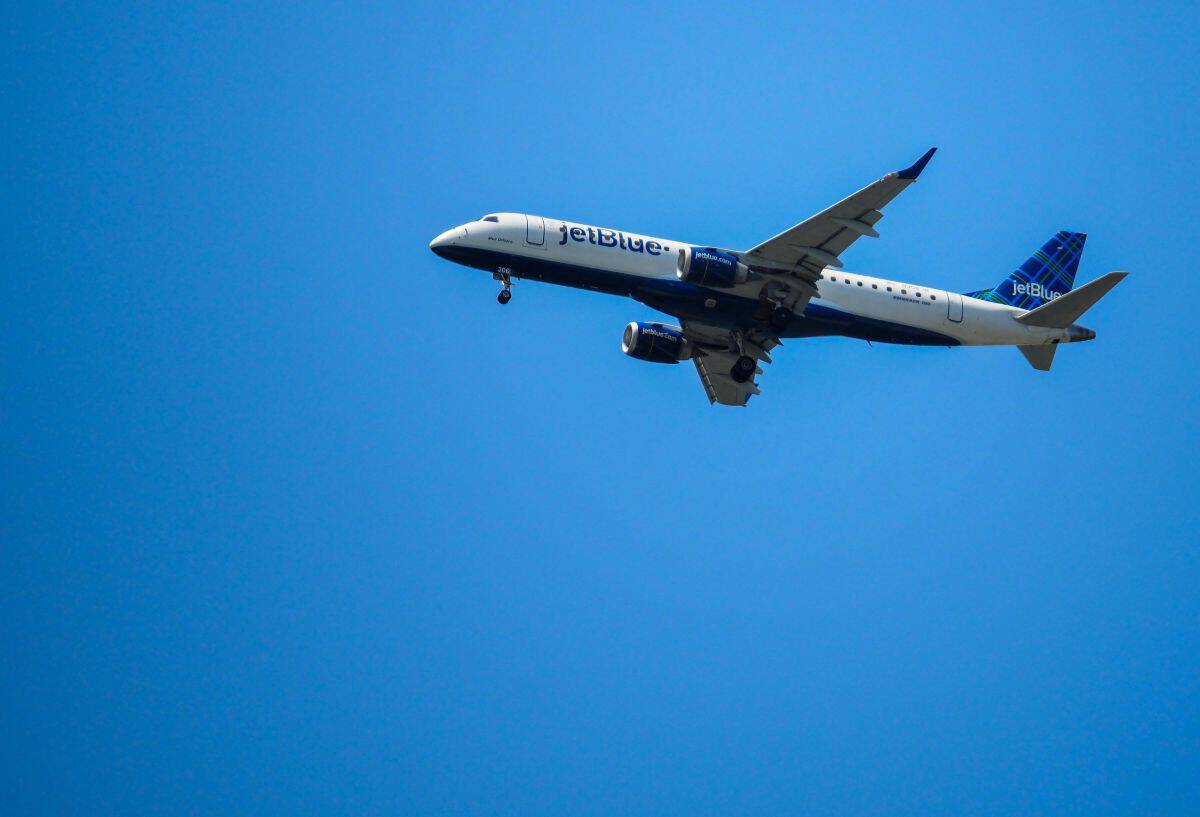
Image generated with Ai
JetBlue Flight B61439, operated by an Airbus A220-300, diverted while flying from Boston to Austin and landed at Pittsburgh International Airport on July 31. However, JetBlue has not confirmed why Flight B61439 changed course. Therefore, the exact cause remains unknown. The Airbus A220-300 left Boston for Austin but diverted before reaching Austin. It then landed at Pittsburgh International Airport. The unexpected diversion likely caused delays and revised travel plans. Until JetBlue or aviation authorities release an official statement, weather, technical concerns, medical incidents and air traffic restrictions remain possible explanations, but none has been confirmed as the reason.
Why Did the Boston to Austin Flight Divert to Pittsburgh Instead of Completing Its Journey?
A JetBlue Airways Airbus A220-300 (BCS3), registered N3269J, departed Boston Logan International Airport (BOS) on 31 July 2026 for a scheduled domestic service to Austin–Bergstrom International Airport (AUS) before the flight unexpectedly changed course during the journey. Available operational data indicates the aircraft pushed back at 06:00, departed at 06:11, and had been scheduled to arrive in Austin at 09:22, but instead landed at Pittsburgh International Airport (PIT), creating an unplanned interruption to passengers’ travel plans.
Advertisement
Advertisement
At the time of publication, JetBlue Airways has not released an official statement explaining why the aircraft diverted to Pittsburgh, while no aviation authority has published findings regarding the operational decision. Flight diversions are routine safety measures used across the aviation industry and may occur for numerous operational reasons, including adverse weather, technical inspections, medical emergencies, air traffic control requirements, airport operational constraints or other precautionary circumstances, but there is currently no official evidence confirming that any of these factors caused this particular diversion.
What Happens After a Domestic Flight Makes an Unexpected Landing at Another Airport?

Image generated with Ai
When a commercial passenger aircraft lands at an airport other than its scheduled destination, airline operations teams immediately begin coordinating with flight dispatchers, airport authorities, maintenance personnel and customer service representatives to determine the safest and fastest way to continue the journey. Depending on the operational circumstances, passengers may remain onboard while inspections are completed, continue travelling on the same aircraft after clearance, or receive assistance with replacement aircraft, alternative flights or other transport arrangements organised by the airline.
Advertisement
Advertisement
A diversion also affects the airline’s wider network because aircraft schedules, flight crews and subsequent departures often need to be adjusted to minimise disruption across multiple destinations. Airlines normally communicate updated travel arrangements through their official websites, mobile applications, airport announcements and customer support teams while operational staff work to restore the planned schedule as quickly and safely as possible following the unscheduled landing.
Advertisement
Advertisement
What Does This Diversion Mean for Travellers and Why Should They Wait for Official Updates?
Passengers travelling on the Boston-to-Austin service likely experienced delays and revised travel arrangements after the aircraft landed in Pittsburgh instead of reaching its intended destination. Travellers affected by similar situations are generally advised to follow official airline notifications rather than relying on speculation circulating online because verified information is released only after operational teams complete their assessments and determine the appropriate course of action.
This diversion also demonstrates how airlines prioritise safety above schedule whenever flight crews or operational control teams determine that an alternative airport is the most appropriate option. Until JetBlue Airways or the relevant aviation authorities publish an official explanation, the only confirmed facts remain the scheduled Boston-to-Austin route, the Airbus A220-300 aircraft registration N3269J, the published departure times and the aircraft’s diversion to Pittsburgh, making careful reporting based solely on verified operational information essential.
JetBlue Flight B61439 was scheduled to operate a routine domestic journey from Boston to Austin on July 31, but the Airbus A220-300 instead diverted and landed safely at Pittsburgh International Airport before reaching its planned destination. Official operational records confirm the diversion and safe landing, but neither JetBlue Airways nor the relevant aviation authorities have publicly disclosed the reason behind the decision. As a result, the exact cause remains unknown. While flight diversions can occur because of weather, technical inspections, medical emergencies, air traffic control instructions or other operational safety considerations, no official source has linked this incident to any specific factor. Until verified information is released, it would be inaccurate to speculate about the reason. Travellers affected by the diversion should continue monitoring JetBlue Airways, Pittsburgh International Airport and official aviation channels for confirmed updates regarding onward travel, schedule changes and any future announcements.
Image: JetBlue Flight
https://www.flightradar24.com/data/flights/b61439#40f0d0a7
Advertisement
