
Tallinn Tourism Hits Record as Estonia Struggles to Recover Beyond Capital

Published
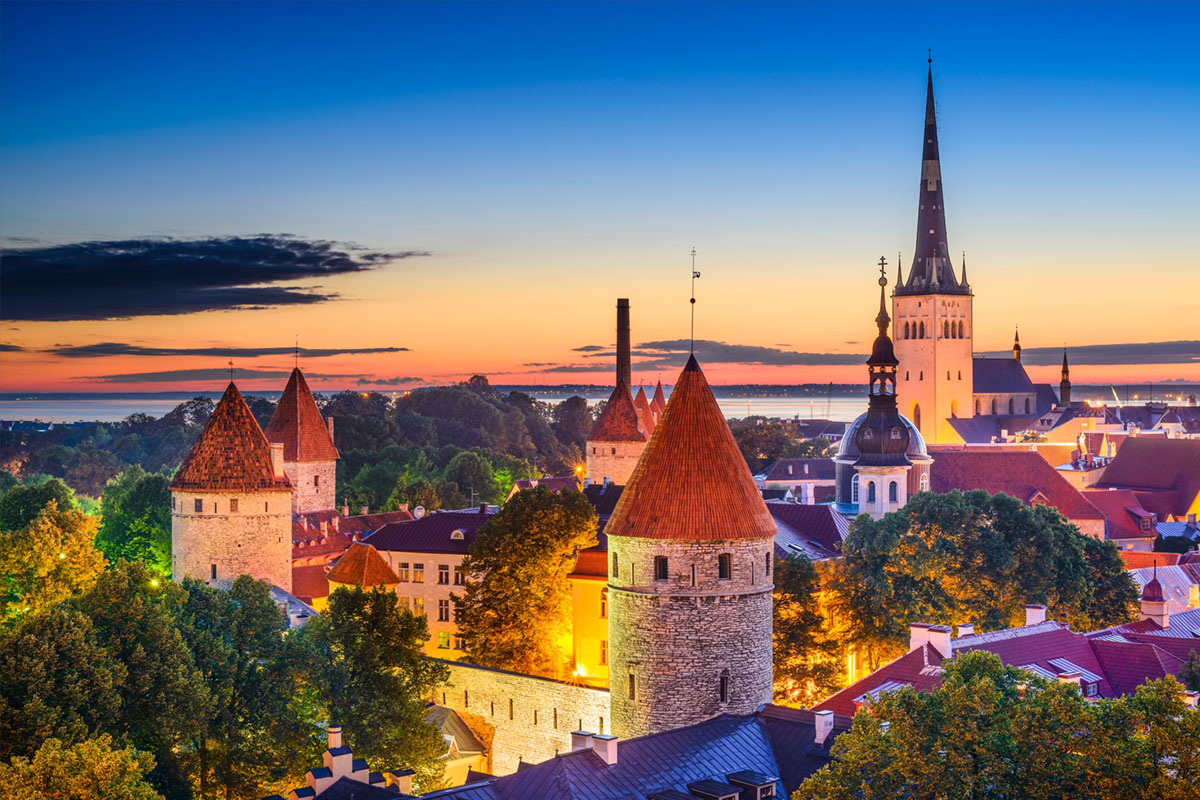
Image generated with Ai
Tallinn is emerging as the clear centre of Estonia’s tourism recovery, with the capital recording a July tourism record even as visitor numbers elsewhere remain below pre-pandemic levels. Around 964,000 tourists stayed in accommodation establishments across Estonia in July, compared with more than 1 million in July 2019. Tallinn, however, recorded 455,000 overnight stays, surpassing its previous pre-pandemic level of 399,000.
Why is Tallinn outperforming the rest of Estonia?
The latest figures indicate that Estonia’s tourism recovery is becoming increasingly concentrated in its capital. While Tallinn has exceeded its 2019 performance, tourist numbers in areas outside the capital remain significantly weaker.
Advertisement
Advertisement
Around Tallinn, tourist numbers are still approximately 20 per cent below 2019 levels, highlighting a substantial gap between the capital and other destinations. The difference suggests that international visitors continue to recognise Tallinn more readily than Estonia’s wider tourism offering.
SEB economic analyst Mihkel Nestor said Tallinn stands out most clearly, adding that tourism outside the capital depends heavily on how aware foreign travellers are of destinations beyond Tallinn.
Advertisement
Advertisement
Why are foreign tourists choosing Tallinn?
Tallinn benefits from its status as Estonia’s capital and one of the best-known destinations in the Baltic region. For many international travellers, the city can form part of a broader Northern European or Baltic itinerary.
Nestor noted that some visitors may view Tallinn as one of several regional capital cities worth visiting. This makes the city relatively easy to include in short international trips, while encouraging tourists to travel beyond the capital remains a longstanding challenge.
Advertisement
Advertisement
Tallinn’s medieval Old Town, compact urban environment and accessibility also make it well suited to short breaks. The latest figures suggest that this combination continues to support strong visitor demand.
Are Finnish tourists driving Tallinn’s growth?
Finnish travellers remain particularly important to Tallinn’s tourism economy. Around one in three tourists visiting the capital in July were from Finland, with Finnish visitor numbers increasing by more than 20,000 year on year to approximately 145,000.
Advertisement
Advertisement
Harles Tammeleht, general manager of Mercure Tallinn and Oru Hub Handwritten Collection, said Finns have been travelling to Tallinn more than ever before.
However, the recovery among Finnish visitors has not been evenly distributed across Estonia. Their numbers have declined in other parts of Harju County as well as destinations such as Pärnu and Kuressaare, which historically depended heavily on the Finnish market.
Why are Finnish travellers returning to Tallinn?
The proximity of Finland to Estonia remains one of Tallinn’s major tourism advantages. The Gulf of Finland separates Helsinki and Tallinn by a relatively short ferry journey, making the Estonian capital accessible for short leisure trips.
Economic conditions in Finland are also influencing travel patterns. Nestor said tourism in Finland has begun to recover, encouraging more Finns to travel abroad, although high unemployment continues to restrict household spending.
Advertisement
Advertisement
For many Finnish visitors, Tallinn offers an inexpensive and convenient international getaway, particularly for travellers seeking entertainment, leisure and shopping.
What are younger Finnish travellers looking for?
Changing demographics are also reshaping Finnish travel patterns in Estonia. Tammeleht said traditional spa tourism to destinations such as Pärnu and Saaremaa continues to decline as younger generations develop different travel preferences.
Short stays in Tallinn are increasingly linked to entertainment and leisure rather than longer wellness-focused holidays. The city’s accessibility allows visitors to travel by ferry, spend one or two nights and return home without committing to a longer holiday.
Visitor comments also highlight the practical appeal. Some travellers visit for celebrations, social occasions or simply to enjoy a short break in a nearby foreign city.
Could Tallinn’s success benefit Estonia’s wider tourism market?
Tallinn’s record performance creates an opportunity for Estonia to encourage visitors to extend their trips beyond the capital. The challenge is making other destinations sufficiently visible and attractive to international travellers.
The contrast between Tallinn’s 455,000 overnight stays and weaker performance elsewhere suggests that Estonia still has considerable scope to diversify tourism demand geographically.
Advertisement
Advertisement
Destinations such as Pärnu, Saaremaa and other regional locations may need stronger international promotion and clearer connections with Tallinn itineraries. Encouraging visitors to combine the capital with coastal, cultural, nature and wellness destinations could help spread tourism expenditure more widely.
What does the July tourism data mean for Estonia?
The figures show that Estonia’s tourism recovery is progressing, but unevenly. National accommodation figures remain below July 2019 levels, while Tallinn has moved beyond its pre-pandemic performance.
This creates a mixed picture for the country’s tourism industry. The capital is benefiting from strong international awareness and proximity to key source markets, particularly Finland, while other destinations continue to face challenges in rebuilding their previous visitor volumes.
For Estonia, the next phase of tourism development may therefore depend not only on attracting more international visitors but also on persuading those already visiting Tallinn to explore more of the country.
Advertisement
