
Sri Lanka 2026 Kite Festival: How Global Skies Are Transforming Travel and Tourism

Published
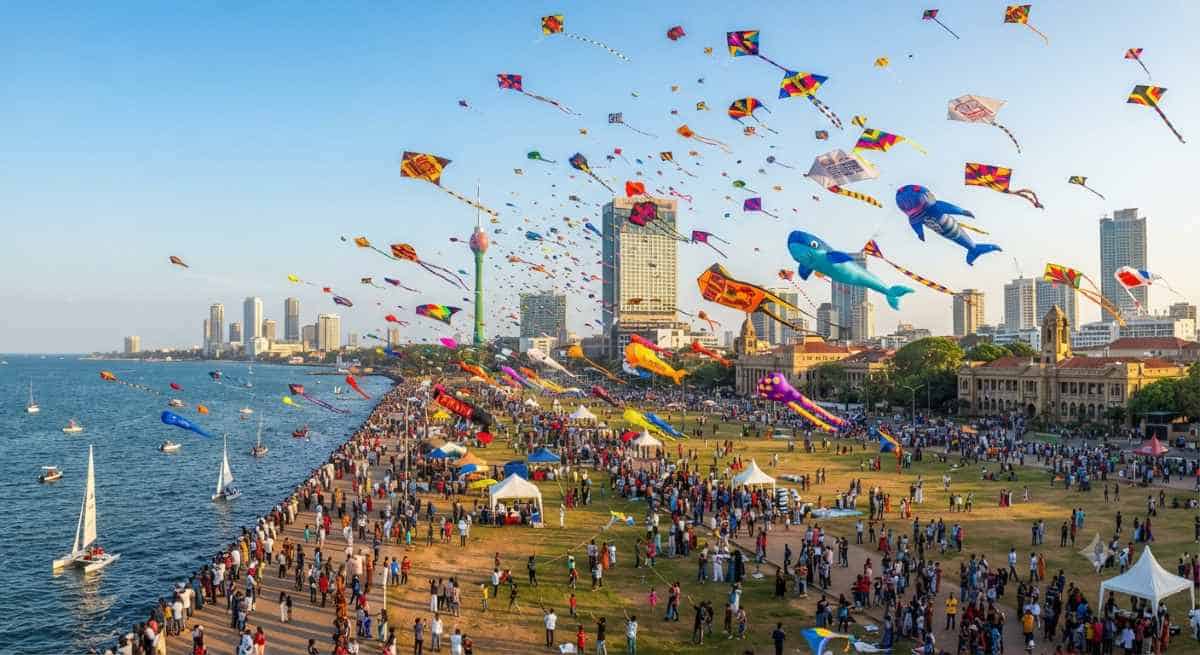
Image generated with Ai
The Derana Digital Colombo International Kite Festival 2026 in Sri Lanka has emerged as a cornerstone of the nation’s strategic effort to skyrocket its tourism drive.
By shifting from a localized celebration to a week-long cultural and educational spectacle, the event is being utilized as a powerful mechanism to attract global attention.
This initiative is heavily supported by the Sri Lanka Tourism Promotion Bureau, the Sri Lanka Police, and the Colombo Municipal Council, all of whom are working in tandem to ensure the festival serves as a high-visibility platform for international exchange.
Practical Information and Venue Guidelines for Visitors in Sri lanka
Navigating the festival requires careful planning, as the celebrations span multiple prominent locations across the capital city of Colombo. To ensure a smooth experience, travellers and locals are advised to review the expanded logistical details and schedule outlined below:
Advertisement
Advertisement
- Primary and Secondary Festival Venues:
- Galle Face Green: The historic ocean-side urban park serves as the epicenter for the main weekend festival, Sunday afternoon activities, and the grand finale concert.
- Port City Colombo: Designated as a specialized hub for secondary events, hosting exclusive sessions such as the diplomatic kite-flying gathering and the destination point for the vintage vehicle parade.
- Commuting, Traffic Management, and Security Logistics:
- Police Deployment: A robust security framework is enforced by the Sri Lanka Police, deploying a total of 1,000 officers across key strategic locations throughout the city.
- Traffic Control Units: Out of the total deployment, 300 dedicated officers are assigned specifically to manage traffic flow, regulate intersections, and minimize congestion along major Colombo corridors.
- Plainclothes Surveillance: An additional 200 plainclothes officers are stationed within the festival grounds and surrounding areas to maintain public safety and crowd control.
- Designated Parking Zones: Authorized parking facilities are established at strategic points across the city, separate from active parade corridors, to accommodate private vehicles.
- Public Transit Recommendations: Attendees are strongly encouraged to utilize public transportation, authorized local transit networks, or designated shuttle services to bypass anticipated road closures and temporary traffic diversions along major parade routes.
- Detailed Event Schedule and Key Highlights:
- Thursday Welcome Ceremony: The official arrival and greeting of all international delegates and global participants.
- Friday International Press Conference: A media briefing organized for local and foreign journalists to outline the festival agenda.
- Saturday Vintage Vehicle Parade (09:30 AM – 12:00 PM): A procession featuring nearly 200 classic and vintage automobiles accompanied by international kite flyers, moving from Galle Face Green across major Colombo corridors toward Port City.
- Saturday Evening Diplomatic Event: A private, specialized kite-flying gathering hosted at Port City Colombo exclusively for international media representatives and diplomats.
- Sunday Main Festival (1:00 PM – 6:30 PM): The core public event at Galle Face Green, where thousands of traditional and modern kites blanket the Colombo skyline.
- Sunday Night Kite Festival (6:30 PM – 7:30 PM): Sri Lanka’s inaugural night kite display, showcasing specially illuminated kites against the evening sky.
- Sunday Grand Finale Concert (7:30 PM – Midnight): A concluding musical performance featuring popular local artists backed by the Avatar Band, held in tandem with the Derana Colombo Food Festival opposite Galle Face Green.
- Ticketing and Access Guidelines:
- General Public Access: The primary festival activities hosted at open public spaces like Galle Face Green are open to the general public free of charge, encouraging mass community participation.
- Restricted Areas: Attendees must monitor official announcements from organizers regarding specialized seating or reserved enclosures set aside for accredited international delegates, VIPs, and media personnel.
Background and Context of the Kite Festival in Sri lanka
The structure of this year’s expansive programme includes:
Advertisement
Advertisement
- International Kite-Building Workshops: Expert kite flyers hailing from Australia, China, and France are spearheading intensive training sessions, offering participants deep insights into traditional and contemporary kite construction techniques.
- Youth Educational Initiatives: A concerted focus is placed on the next generation, with specialized kite-building and flying workshops conducted for over 630 children aged 8 to 15 years, ensuring the art form is preserved and passed down to young enthusiasts.
- Vintage Vehicle Parades: The festival schedule is bolstered by a colorful, high-energy parade featuring nearly 200 classic and vintage automobiles, which serves to bridge the gap between mechanical history and cultural festivities.
- Night Kite Displays: A pioneering addition to the event is the introduction of illuminated kite displays, which are scheduled to light up the evening atmosphere, providing a unique visual spectacle that departs from traditional daylight activities.
- Immersive Cultural Excursions: Recognizing the importance of heritage, the festival features curated excursions that allow international participants to explore the island’s religious and traditional history, including meaningful visits to sites such as the Sri Dalada Maligawa.
- Strategic Cultural Theming: This year’s event is centered around the theme of the Kandy Esala Perahera, which is integrated into the festivities to provide a deeper narrative context for international guests, blending the joy of kite flying with the profound traditions of the host nation.
Impact on Travellers and Tourism
For those visiting the island, the festival offers an unparalleled glimpse into the local spirit. The event is intentionally designed to convey the message that Sri Lanka is open, welcoming, and prepared for global visitors.
By aligning the festival with cultural themes such as the Kandy Esala Perahera organizers are ensuring that international guests are exposed to the deeper facets of the country’s religious and traditional heritage.
This exposure is anticipated to foster long-term interest in the destination, beyond the immediate allure of the kite displays.
Advertisement
Advertisement
Advertisement
