
UAE, Abu Dhabi and Kabul Double Air Connectivity as Etihad Expands Afghanistan Flights Just Four Months After Launch, But Why Has Demand Surged Beyond Forecasts and Could This Emerging Travel Corridor Reshape Gulf, Central Asian and African Transit Flows in 2026?

Published
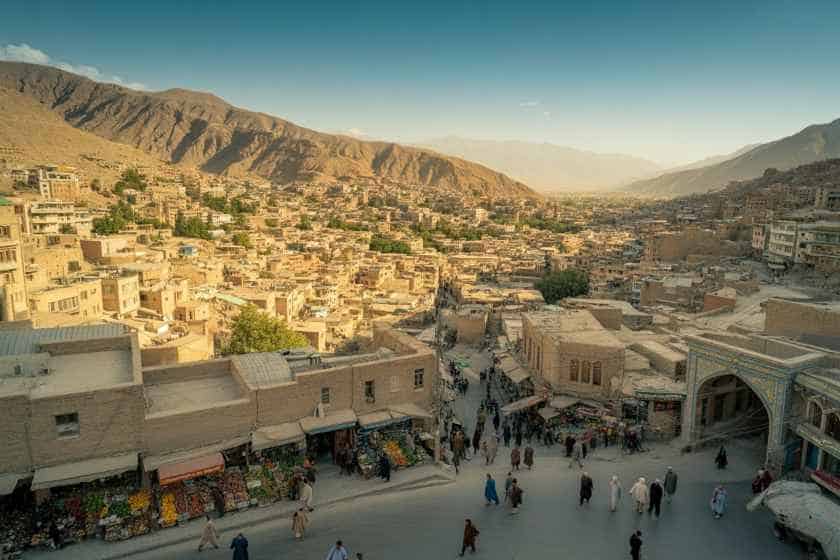
Image generated with Ai
UAE, Abu Dhabi and Kabul are strengthening one of the fastest-growing air corridors in the Gulf and Central Asia as Etihad Airways prepares to double its service between the two cities from 15 July 2026. The expansion comes only four months after the route’s launch, highlighting how rapidly passenger demand has grown between Afghanistan and the UAE and reinforcing Abu Dhabi’s ambitions to become a larger global transit gateway.
For travellers, tourism operators and aviation stakeholders, the decision illustrates how emerging markets are increasingly influencing global airline network strategies. What began as a four-times-weekly service in March 2026 has quickly evolved into a twice-daily operation, reflecting demand that has significantly exceeded initial expectations.
Advertisement
Advertisement
Etihad Responds to Strong Passenger Demand
The Abu Dhabi–Kabul route entered Etihad’s network in March 2026 as part of the airline’s broader strategy to expand connectivity between the Gulf and underserved international markets.
Initially launched with four weekly frequencies, the service rapidly gained traction among travellers moving between Afghanistan and the UAE.
Advertisement
Advertisement
The airline has now confirmed that from 15 July 2026, the route will operate twice daily, substantially increasing seat capacity and giving passengers more flexibility when planning journeys.
Advertisement
Advertisement
For airlines, increasing frequencies so soon after a route launch is often a strong indicator that underlying demand fundamentals are performing well.
In this case, passenger traffic has been driven by a combination of family travel, business mobility, diaspora demand and international transit connections.
Abu Dhabi Strengthens Its Role as a Global Transit Hub
One of the most important tourism and travel implications of the expansion lies in Abu Dhabi’s growing position as a transfer gateway.
Advertisement
Advertisement
Passengers travelling from Kabul are increasingly using Abu Dhabi’s Zayed International Airport to connect onwards to Europe, the Middle East and other long-haul destinations.
The additional frequencies improve connection opportunities and reduce travel complexity for passengers moving between Afghanistan and international markets.
Advertisement
Advertisement
For travellers from Africa, the development further strengthens Abu Dhabi’s role as a viable transit alternative when travelling to Central Asia and emerging destinations beyond the traditional Gulf aviation corridors.
As global travel patterns evolve, Gulf hubs continue competing aggressively to attract connecting passengers through enhanced schedules and network depth.
The Airbus A320 Continues to Play a Key Role
The Kabul route is operated using Etihad’s Airbus A320 aircraft.
Configured with 8 Business Class seats and 150 Economy Class seats, the aircraft offers a balance between capacity and operational efficiency.
The use of narrow-body aircraft on international routes has become increasingly common across the aviation sector, particularly when serving developing markets where demand is growing but does not yet justify larger wide-body aircraft.
Advertisement
Advertisement
This approach allows airlines to enter new markets with lower risk while maintaining the flexibility to add frequencies when demand increases.
For African carriers seeking to expand regional and international networks, the strategy offers a useful example of how fleet deployment can support sustainable growth.
Strong Social and Economic Links Drive Demand
The growth of the route is also linked to longstanding ties between Afghanistan and the UAE.
The Emirates hosts a significant Afghan expatriate community, creating consistent demand for travel between the two countries.
Family visits, labour mobility, business activity and trade relationships continue generating passenger flows throughout the year.
Advertisement
Advertisement
Routes supported by strong diaspora communities often demonstrate resilience because demand remains relatively stable even during periods of broader market uncertainty.
This model mirrors many aviation markets across Africa, where family, migration and commercial ties play a major role in sustaining international routes.
Emerging Markets Are Reshaping Airline Networks
The success of the Kabul service reflects a wider trend visible throughout the aviation industry.
Airlines are increasingly identifying opportunities in markets that have historically received limited international connectivity but possess strong demographic, economic or social demand drivers.
Rather than focusing solely on traditional global gateways, carriers are investing in routes that connect underserved destinations with major transit hubs.
Advertisement
Advertisement
For tourism professionals, these developments create new travel possibilities while opening previously difficult-to-access markets.
The growing success of routes such as Abu Dhabi–Kabul demonstrates how aviation growth is increasingly being driven by emerging-market demand.
Implications for African Travel Professionals
The expansion offers several important lessons for Africa’s travel sector.
First, it highlights how diaspora-driven travel can support rapid route development when combined with efficient hub connectivity.
Second, it demonstrates the effectiveness of narrow-body aircraft on medium-haul international routes linking emerging markets.
Advertisement
Advertisement
Third, it reinforces the importance of Gulf hubs in facilitating travel between Africa, Asia and Europe.
Travel agents, tour operators and corporate travel planners across Africa may find increasing opportunities to build itineraries that leverage Abu Dhabi’s growing network reach into Central Asia and beyond.
As connectivity improves, travellers gain access to more routing options, greater schedule flexibility and potentially shorter overall journey times.
Etihad’s Wider Growth Strategy Continues
The Kabul expansion forms part of a broader growth phase underway at Etihad Airways.
The Abu Dhabi-based carrier has been steadily rebuilding its network while increasing capacity across several international markets.
Advertisement
Advertisement
Additional aircraft acquisitions, expanded partnerships and network diversification initiatives continue supporting the airline’s long-term growth ambitions.
The rapid scaling of the Kabul route demonstrates how Etihad is adapting capacity quickly to match changing market conditions and passenger demand patterns.
For the aviation industry, this flexibility has become an increasingly important competitive advantage.
Key Statistics and Timeline
- March 2026: Etihad Airways launched Abu Dhabi–Kabul services.
- Initial operations began with four weekly flights.
- 15 July 2026: The route will increase to two daily flights.
- The service is operated using Airbus A320 aircraft.
- Aircraft configuration includes 8 Business Class seats and 150 Economy Class seats.
- The expansion comes approximately four months after the route’s launch.
- Abu Dhabi’s Zayed International Airport serves as a key transit hub for onward international connections.
Conclusion
UAE, Abu Dhabi and Kabul are witnessing one of the aviation sector’s fastest route expansions of 2026 as Etihad Airways doubles service just months after launch. The move highlights the strength of demand between Afghanistan and the Gulf while reinforcing Abu Dhabi’s growing role as a global transit hub linking emerging and established markets. For African travel professionals, the development offers valuable insights into how diaspora demand, hub connectivity and strategic fleet deployment are reshaping international travel patterns. As airlines continue expanding into underserved markets, routes like Abu Dhabi–Kabul may offer a glimpse into the future direction of global aviation growth.
Advertisement
