

Franklin County Hotel Technology And Automation Spark A Massive Travel Boom Across Columbus And Central Ohio, Here’s The Update

Published
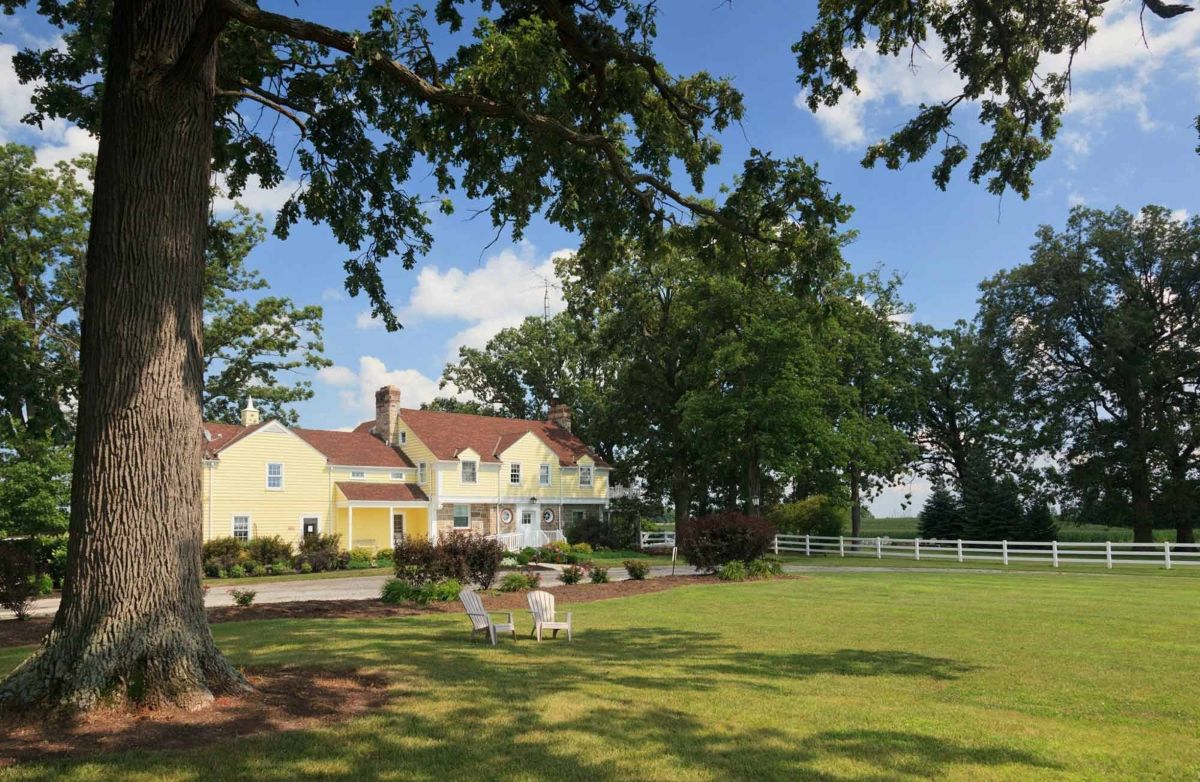
Stepping into Columbus now feels like watching the future unfold right before your eyes and honestly it is nothing short of thrilling. Everywhere you look across Franklin County local hotels are quietly shaking off the playbook and embracing a wave of smart AI-driven magic that is completely transforming how we travel. It is amazing to see how technology is breathing life into our favorite Ohio getaway spots making every single visit feel remarkably personal and effortless.
Why Is Franklin County, Ohio Experiencing A Massive Tourism Boom Powered By Advanced Artificial Intelligence In 2026?
The integration of artificial intelligence into Franklin County hotels moves far beyond basic guest-facing chatbots. Official industry frameworks emphasize a sweeping shift toward agentic operations, which are specialized software systems that actively execute tasks, optimize resource management, and drive decision-making without constant human intervention. This digital transformation acts as a primary catalyst for regional tourism, ensuring that properties within Columbus can seamlessly handle massive influxes of visitors while maintaining pristine service standards. Advanced automation tools successfully capture revenue that previously leaked after front desks closed, keeping occupancy rates high across the county.
Travel planning behavior in 2026 relies heavily on automated discovery platforms and complex Large Language Models that dictate where tourists choose to spend their money. Local hospitality groups in Franklin County are optimizing their property data to be entirely machine-readable, ensuring regional hotels are accurately indexed by AI discovery agents for inbound tourists, convention attendees, and business travelers.
Advertisement
Advertisement
With labor being one of the most significant controllable expenses for hotel operators, properties throughout Columbus are deploying AI insights platforms to manage scheduling, reduce costly overtime, and protect profit margins. Furthermore, initiatives by state and regional trade bodies, such as the Ohio Travel Association (OTA), have rolled out targeted strategic AI training and digital credentialing programs for hospitality leadership in the Greater Columbus area. These comprehensive educational programs focus heavily on data analysis, operational research, and marketing performance to keep local hoteliers ahead of the curve.
How Are Key Technological Innovations Transforming Hotels Across Columbus And Franklin County Today?
Advertisement
Advertisement
Hotels throughout Franklin County are utilizing automated revenue management systems powered by sophisticated machine learning to optimize financial returns. These intelligent systems dynamically scale room rates based on live demand signals, such as major events at the Greater Columbus Convention Center, Ohio State University academic schedules, and regional flight data. Modern platforms feature advanced explainable AI, allowing hotel revenue managers to audit the precise demand metrics driving rate changes in real time and maintain absolute trust in automated pricing structures.
To elevate visitor spending and deepen guest engagement, local properties are leveraging integrated Property Management Systems and Customer Relationship Management tools equipped with automated timing engines. Incoming guests receive tailored pre-arrival suggestions, digital room upgrades, and custom local itinerary bundles, such as dining recommendations in the trendy Short North Arts District or shopping guides for Easton Town Center, based strictly on their historical preferences. Meanwhile, the fastest financial return on investment for Franklin County hotels is materializing directly in back-of-house operations. Automated accounting, AI-driven inventory controls, and digital maintenance logging software are significantly reducing administrative burdens, allowing property teams to focus entirely on face-to-face guest service and authentic hospitality.
Advertisement
Advertisement
What Is The Direct Economic Impact Of AI-Driven Tourism On The Greater Columbus Visitor Economy?
The deployment of advanced technology directly correlates with the robust health of Franklin County’s thriving visitor economy, which welcomes tens of millions of travelers annually. Enhanced guest personalization and streamlined digital booking friction points have contributed directly to longer visitor stays and remarkably higher repeat-visitor rates across the region. As a premier Midwestern destination for high-profile meetings and conventions, Columbus hotels utilize AI-driven group lead response systems to instantly answer corporate queries, securing lucrative bookings that previously stalled due to delayed response windows.
Alignment with aggressive statewide growth campaigns ensures that marketing initiatives, such as targeted Experience Columbus campaigns, continue to amplify visitor metrics effectively. These promotional efforts are heavily supported by advanced data analytics that measure campaign effectiveness in real time and target high-value traveler segments with surgical precision. Consequently, local businesses, entertainment venues, and dining establishments throughout Franklin County reap substantial economic rewards from an optimized, tech-forward tourism ecosystem.
How Does The Local Travel Economy Sustain Over 83,000 Jobs Across Franklin County And Columbus Through Smart Automation?
Advertisement
Advertisement
According to official reports from Tourism Economics, the local travel and hospitality economy supports 83,306 jobs in Columbus and Franklin County, translating to roughly 1 in every 14 jobs in the region. Maintaining this massive workforce requires smart operational frameworks that handle daily logistical strains seamlessly.
Rather than replacing human labor entirely, artificial intelligence tools are deployed to mitigate severe staffing shortages by automating routine administrative tasks, labor forecasting, and scheduling. This enables properties to protect profit margins while elevating employee satisfaction and redirecting human capital toward high-touch, face-to-face guest care.
What Role Do Short-Term Rental Growth And Corporate Remote-Work Amenities Play In Modernizing Franklin County Lodging In 2026?
The Greater Columbus market features active alternative rental portfolios with a 120% year-over-year listing growth rate, while roughly 78% of active listings integrate dedicated workspace amenities to cater heavily to corporate and remote-working travelers. Adapting to these new consumer expectations has become vital for regional competitiveness.
Traditional hotels in Franklin County are competing directly with tech-enabled alternative spaces by implementing similar smart-stay amenities. Automated self-check-in platforms, high-speed digital infrastructure, and keyless entry systems have become baseline standards across both urban apartments and major hotel portfolios.
How Do AI-Driven Revenue Management Systems Combat Seasonal Lows And Maximize Peak Travel Earnings In Central Ohio?
Advertisement
Advertisement
Local lodging analytics indicate distinct seasonal performance, with peak summer months like July generating average monthly revenues near $2,567 per unit, compared to lower troughs in January around $951. However, shoulder months such as May, September, and October consistently exceed $2,000.
Machine learning algorithms help hotel operators smooth out these seasonal variations by proactively adjusting room rates and creating targeted promotions months in advance. By parsing regional event calendars, convention dates, and flight booking patterns, these systems capture high-yield corporate and leisure travelers during lucrative shoulder windows.
In What Ways Do Major Sporting Events And Convention Calendars Shape Dynamic Pricing Algorithms Across Columbus Hotels?
Historically, major regional sports initiatives and convention schedules have brought hundreds of events to Columbus, pumping hundreds of millions of dollars in direct visitor spending into the local economy. Managing this heavy foot traffic demands intelligent infrastructural support.
Managing tens of thousands of visitors arriving simultaneously for tournaments at the Greater Columbus Convention Center or Ohio State University athletic events requires automated precision. AI models ingest ticket-sale data and stadium seating capacities in real-time, allowing hotel managers to scale room inventory and adjust pricing models without manual lag.
What Direct Correlation Exists Between Statewide Visitor Milestones And Franklin County’s Record-Breaking Hospitality Influx?
Advertisement
Advertisement
Across Ohio, inbound and outbound tourism recently hit historic highs with approximately 245 million visits generating $58 billion in visitor spending, a stellar baseline that directly fuels Franklin County’s urban core. Capitalizing on these visitor trends relies on data-driven marketing strategies.
As Ohio’s capital and primary economic engine, Franklin County captures a major share of this multi-billion-dollar visitor spend. State-level promotional initiatives, coupled with county-level data analytics, ensure that marketing funds are channeled directly toward high-value visitor demographics looking for tech-forward urban getaways.
How Do Smart Property Management Systems Enhance Guest Spending In Key Cultural Districts Like The Short North And Easton Town Center?
Digital CRM platforms utilizing automated timing engines track guest preferences to deliver tailored pre-arrival bundles, boosting secondary on-property and local district spending by upwards of 15% to 20%. Personalisation has become the gold standard of modern guest engagement.
Tourists visiting the Short North Arts District or shopping at Easton Town Center expect frictionless, curated experiences. AI-powered concierge platforms analyze past consumer behavior to send instantaneous recommendations for dining, boutique shopping, and entertainment directly to a guest’s mobile device.
Can Artificial Intelligence And Smart Building Systems Drive Eco-Friendly Hospitality Practices Across Franklin County Hotels?
Advertisement
Advertisement
Automated property controls and smart environmental systems reduce energy consumption in commercial hotel spaces by 12% to 18% annually, matching corporate sustainability mandates. Modern infrastructure is increasingly tied to energy-efficient operations.
Modern travelers increasingly prioritize eco-friendly accommodations. Hotels in Franklin County are integrating AI-driven climate control systems that dynamically adjust heating, cooling, and lighting based on guest occupancy patterns in individual rooms and conference spaces, shrinking the carbon footprint while lowering utility costs.
Why Are Regional Training Initiatives By The Ohio Travel Association Critical For Preparing Hospitality Leaders For The Future?
Targeted professional development initiatives, such as the Ohio Travel Association’s AI Foundations digital credentialing programs, aim to train hundreds of regional hospitality executives in data analytics and operational optimization. Workforce readiness remains a core priority for sustainable growth.
Technology is only as effective as the people managing it. By upskilling local hotel management and front-desk leadership in data interpretation and explainable AI metrics, Franklin County ensures that its workforce remains competitive, adaptable, and fully equipped to handle next-generation tourist expectations.
The Final Verdict
Advertisement
Advertisement
Looking back at everything happening across Columbus and Franklin County it honestly feels like we are witnessing a new chapter for travel unfold right before our eyes. There is something magical, about watching local hospitality blend cutting-edge technology with that warm authentic Ohio charm we all know and love. It makes you feel genuinely excited for every journey knowing our favorite weekend escapes are only getting smarter, smoother and so much more welcoming.
Frequently Asked Questions
- How does AI improve hotel booking rates in Franklin County?
AI improves booking rates by utilizing intelligent agent systems that answer inbound customer inquiries instantly, eliminating response delays and securing reservations around the clock.
- What role does the Ohio Travel Association play in this tech boom?
The Ohio Travel Association (OTA) provides targeted strategic AI training and digital credentialing programs to upskill regional hospitality leadership in data analysis and operational research.
- Why is Easton Town Center and the Short North highlighted in AI itineraries?
These popular destinations are top commercial hubs in Columbus that automated CRM platforms leverage to offer hyper-personalized local dining and shopping bundles to incoming visitors.
Advertisement
