
More Than a Third of Britons Consider Home Swap Holidays as Saga Warns of Insurance Risks

Updated
Published
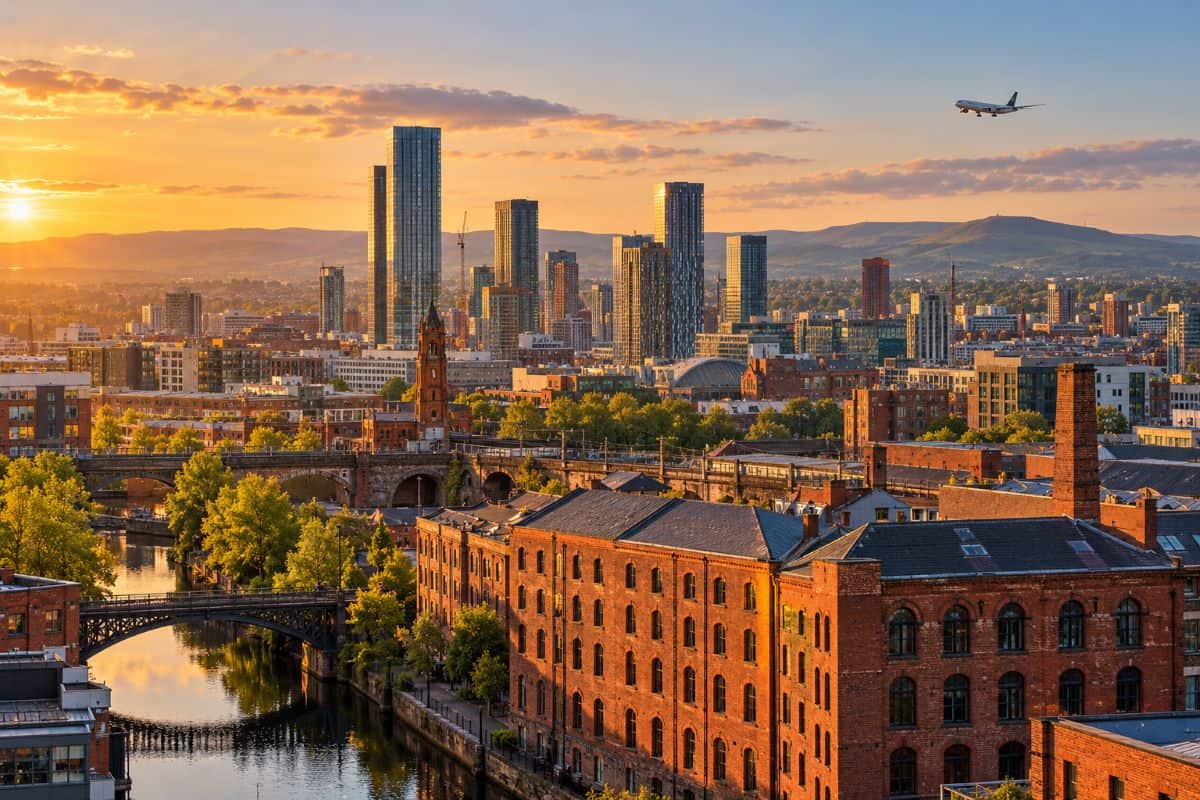
More Than a Third of Britons Consider Home Swap Holidays as Saga Warns of Insurance Risks, according to new research highlighting changing travel preferences. With accommodation costs influencing holiday decisions, homeowners are exploring property exchanges to save money, enjoy more luxurious stays and extend their holidays while facing important insurance considerations.
More Britons Explore Home Swap Holidays as Accommodation Savings Drive Travel Decisions
Home swap holidays are attracting growing interest among British homeowners, with 37% of respondents in a new Saga Home Insurance survey expressing a desire to try exchanging properties before the end of 2026. The findings highlight the appeal of alternative accommodation as travellers look for ways to manage holiday expenses without sacrificing comfort.
Advertisement
Advertisement
The research, involving 500 homeowners, identifies accommodation savings, access to more luxurious properties and opportunities for longer holidays as the leading reasons for considering a home exchange. However, Saga has also warned that homeowners could jeopardise their insurance protection if they allow others to stay in their properties without notifying their insurer.
Saving Money Emerges as the Leading Motivation
Home swapping allows homeowners to temporarily exchange properties, potentially reducing the accommodation costs associated with conventional holidays. Unlike traditional hotel bookings or holiday rentals, the arrangement generally involves reciprocal access to residential properties.
Advertisement
Advertisement
According to Saga’s research, 38% of surveyed homeowners identified saving money on accommodation as a leading motivation.
Another 24% were attracted by the possibility of staying in a more luxurious property than they could ordinarily afford, while 23% viewed home swapping as an opportunity to enjoy a longer holiday.
Advertisement
Advertisement
These findings suggest that the appeal extends beyond affordability. Travellers may also see property exchanges as a way to experience different residential environments, gain access to household facilities and enjoy a destination at a more relaxed pace.
Biggest Reasons Britons Want Home Swap Holidays
| Motivation | Percentage |
|---|---|
| Saving money on accommodation | 38% |
| Staying in a more luxurious property | 24% |
| Taking a longer holiday | 23% |
Source: Saga Home Insurance survey of 500 homeowners. The percentages represent reported motivations and should not be interpreted as shares of all British adults.
Advertisement
Advertisement
Home Insurance Warning Raises Important Questions
Although home swapping may offer financial advantages, Saga has emphasised that homeowners must understand the potential insurance implications before agreeing to an exchange.
Allowing unfamiliar occupants to stay in a property can introduce risks that differ from those associated with leaving a home empty during a conventional holiday.
These may include accidental damage, malicious damage, theft and disputes concerning responsibility for damaged belongings.
Anna Thunstrom, Head of Home Insurance at Saga, explained that homeowners should declare any home swap arrangement to their insurance provider, regardless of its duration.
Advertisement
Advertisement
“A home swap of any duration would need to be declared to your insurer. If you’re allowing other people to stay in your home while you are not there, without informing your insurer, your insurance could be null and void,” she said.
The warning highlights why travellers should not assume that their existing home insurance automatically covers reciprocal accommodation arrangements.
Home Swapping Differs from Leaving a Property Unoccupied
Saga also distinguishes between home swapping and leaving a property unoccupied during a holiday.
When homeowners travel without allowing other people to occupy their residence, insurers generally assess the situation under unoccupied-property conditions.
However, when another household moves into the property temporarily, the nature of the risk changes.
Thunstrom explained that many insurers permit homes to remain unoccupied for approximately 30 to 60 days before additional notification requirements apply.
Advertisement
Advertisement
At Saga, the stated period is 60 days.
Nevertheless, this allowance should not be confused with permission to accommodate home swap guests without disclosure.
Homeowners should review their policy wording, confirm whether exchanges are permitted and obtain written confirmation of any applicable conditions before finalising arrangements.
What Homeowners Should Check Before Exchanging Properties
For travellers considering a home swap, preparation is essential.
Insurance arrangements should be clarified before confirming travel dates or handing over property access.
Homeowners should establish whether their policy covers damage caused by temporary occupants and whether additional insurance protection is necessary.
Advertisement
Advertisement
It is also sensible to agree on household rules, access arrangements, emergency contacts and responsibility for unexpected expenses.
Travellers exchanging properties internationally may need to consider additional practical issues, including local regulations, security arrangements and the terms imposed by home exchange platforms.
Importantly, notifying an insurer does not automatically guarantee that a home swap will be covered. The insurer must confirm whether the arrangement is acceptable and what protection applies.
Home Swapping Presents Opportunities for the Travel Industry
The survey provides a useful indication of interest in accommodation alternatives among the homeowners questioned.
For the travel industry, home swapping represents another accommodation model alongside hotels, serviced apartments and short-term holiday rentals.
Its appeal may be particularly relevant to travellers seeking extended stays, residential facilities or greater control over accommodation expenditure.
Advertisement
Advertisement
However, the survey measures interest rather than confirmed bookings. It therefore does not establish how many homeowners will complete a property exchange.
As alternative accommodation options continue to attract attention, transparent insurance guidance and clear property exchange agreements will remain important to building consumer confidence.
Advertisement
