
Halloween Pedestrian Death Risk Rises Tenfold for Children Aged 4–8, US Study Finds

Updated
Published
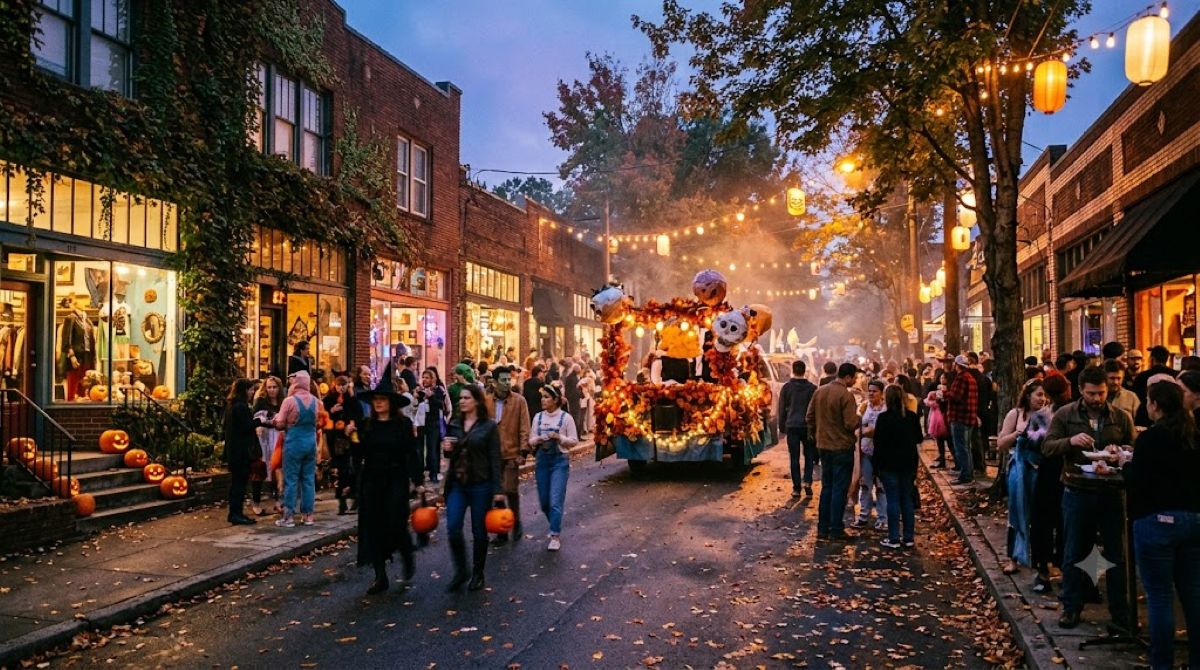
Halloween pedestrian death risk rises tenfold for children aged 4–8, a US study finds, raising fresh concerns about road safety during evening celebrations. With Halloween approaching on Saturday, 31 October 2026, researchers and safety advocates are urging motorists and families to take additional precautions during busy neighbourhood trick-or-treating activities nationwide.
Halloween Pedestrian Fatality Risk Rises Sharply for Young Children as US Safety Concerns Grow
Halloween celebrations across the United States are drawing renewed attention to pedestrian safety after research revealed that children aged four to eight faced a tenfold increase in pedestrian fatality risk during Halloween evenings compared with equivalent periods on surrounding dates.
The findings, published in JAMA Pediatrics and highlighted by US law firm Lerner & Rowe, underline the dangers associated with increased pedestrian activity, reduced visibility and children crossing residential streets during Halloween celebrations.
With Halloween falling on Saturday, 31 October 2026, the research offers an important reminder for families, motorists and visitors planning to participate in community events.
Advertisement
Advertisement
Research Identifies Significant Increase in Halloween Pedestrian Deaths
The study examined fatal road crashes recorded by the US National Highway Traffic Safety Administration (NHTSA) between 1975 and 2016.
Researchers compared pedestrian fatalities occurring between 5 p.m. and 11.59 p.m. on Halloween with fatalities during identical hours exactly one week before and after the holiday.
Advertisement
Advertisement
Across 42 Halloween evenings, researchers identified 608 pedestrian deaths, compared with 851 deaths across 84 comparison evenings.
After accounting for the different observation periods, the study identified a 43% increase in overall pedestrian fatality risk on Halloween.
Advertisement
Advertisement
Children aged four to eight experienced the most pronounced increase, with their relative fatality risk approximately ten times higher.
The research also identified a particularly dangerous period around 6 p.m., when many families begin trick-or-treating.
These findings describe historical patterns rather than a prediction of fatalities during Halloween 2026.
Latest Federal Figures Highlight Continuing Child Pedestrian Safety Challenges
Recent NHTSA statistics provide additional context for the risks facing young pedestrians throughout the year.
Advertisement
Advertisement
According to federal figures, 172 children died in pedestrian-related road incidents across the United States in 2024, while an estimated 6,615 children sustained injuries.
Among fatalities with applicable location information, 118 deaths, representing 69%, occurred away from intersections.
Urban environments accounted for 136 fatalities, or 83% of cases with known urban or rural classifications.
The figures also identified 134 front-of-vehicle impacts among 160 applicable cases, while 13 of the 172 child pedestrian fatalities involved hit-and-run incidents.
Although these statistics are not specific to Halloween, they demonstrate why pedestrian awareness remains essential in residential neighbourhoods and busy urban environments.
Saturday Halloween Celebrations Bring Additional Road Safety Considerations
Halloween 2026 falls on a Saturday, when families may attend neighbourhood celebrations, costume events, community gatherings and seasonal attractions.
Advertisement
Advertisement
For domestic travellers visiting unfamiliar destinations, pedestrian safety requires particular attention around residential streets, entertainment districts and event venues.
Children wearing costumes may have restricted visibility, while darker clothing and limited street lighting can make pedestrians harder for motorists to identify.
Crowded pavements, parked vehicles and unexpected road crossings can further complicate driving conditions.
However, the historical research does not establish that Saturday Halloween celebrations independently produce higher fatality rates than Halloween on other weekdays.
NHTSA Encourages Motorists to Exercise Greater Caution
Federal road safety guidance encourages drivers to reduce speed, remain alert and anticipate pedestrians crossing unexpectedly.
Motorists should pay particular attention near parked vehicles, junctions, pedestrian crossings and streets hosting Halloween activities.
Advertisement
Advertisement
Parents and guardians can improve visibility by using reflective accessories, carrying lights and choosing well-lit walking routes.
Young children should remain under adult supervision, particularly when crossing roads or moving between neighbourhood activities.
Families travelling to Halloween attractions should also consider pedestrian access, parking arrangements and safe routes between venues.
Road Safety Remains Central to Halloween Travel Planning
The combination of historical Halloween research and recent federal pedestrian fatality statistics highlights the importance of practical prevention.
While the tenfold increase among younger children represents a substantial historical finding, it should not be interpreted as the absolute probability of an individual child being killed.
For communities, tourism operators and families, the central message remains consistent: greater awareness, lower driving speeds and safer pedestrian behaviour can help reduce exposure to potentially serious road incidents.
Halloween pedestrian safety remains a major concern as families prepare for seasonal celebrations across the United States. Historical research identifies particularly elevated risks among younger children, while federal statistics highlight continuing dangers on urban roads. Careful driving, adult supervision and improved visibility can support safer Halloween experiences for everyone.
Advertisement
