
Oman’s Musandam Follows Saudi’s Asir Region and More as Hidden Travel Gems Take Centre Stage for Extraordinary 2027 Holidays

Published
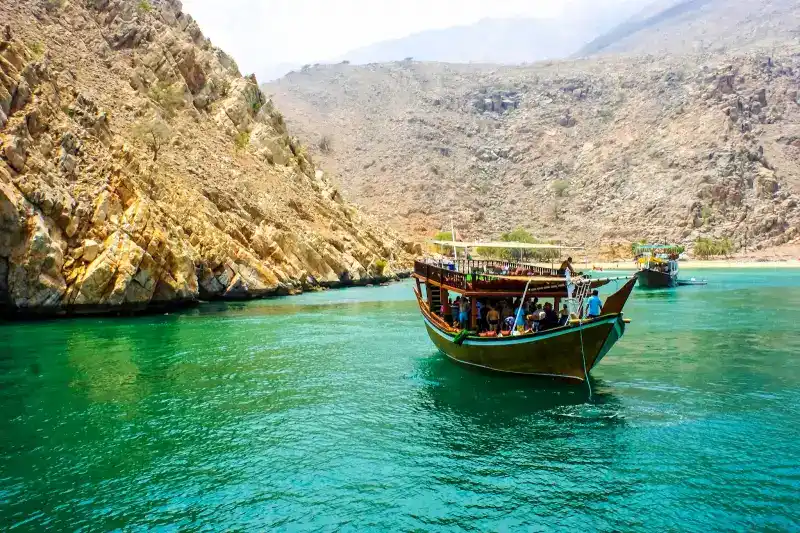
As global wanderlust evolves, discerning tourists are continuously seeking uncharted territories and pristine landscapes for their upcoming vacations. The spotlight is now firmly fixed on the Middle East, with Hidden Travel Gems 2027 leading the way in sustainable and authentic tourism. Oman’s breathtaking Musandam governorate and Saudi Arabia’s culturally rich Aseer region are rapidly emerging as prime examples of this shift. Driven by ambitious government frameworks like Oman Vision 2040 and Saudi Vision 2030, these extraordinary destinations offer a unique blend of heritage, nature, and modern infrastructure. Let us explore why these regional treasures will dominate travel itineraries next year.
The Rise of Middle Eastern Hidden Travel Gems 2027
The global tourism sector is undergoing a massive transformation as of late 2026, transitioning away from traditionally congested European summer hotspots and pivoting towards ecologically diverse, culturally rich, and highly sustainable destinations. Leading this shift are the Middle East’s most prized natural wonders: the dramatic, fjord-carved enclave of Musandam in Oman, and the high-altitude, verdant mountains of the Aseer region in Saudi Arabia.
Both destinations are backed by multi-billion-dollar sovereign investments and national strategic plans. The governmental push ensures these locations are not merely passing trends, but foundational pillars of a diversified, post-oil economic future. For holidaymakers, this translates to world-class infrastructure seamlessly blended with unspoiled natural beauty, positioning them as the foremost Hidden Travel Gems 2027.
Oman’s Musandam: The Norway of Arabia
Background and Natural Assets
Separated from the rest of Oman by the United Arab Emirates, the Musandam Governorate commands a strategic maritime position on the Strait of Hormuz. Historically celebrated for its maritime and logistics capabilities, Musandam is globally recognised for its towering 2,087-metre peaks, serene turquoise fjords spanning up to 16 kilometres, and ancient historical sites like the 17th-century Khasab Fort.
Advertisement
Advertisement
Latest Official Developments & Government Announcements
Under the Oman Vision 2040 framework, the Omani Ministry of Heritage and Tourism has designated Musandam as a world-class sustainable tourism hub. Infrastructure development has accelerated at an unprecedented pace. The newly expanded Khasab Airport is slated to handle up to 500,000 passengers annually by the end of the decade, drastically improving connectivity. Furthermore, extensive road networks connecting the governorate via Dibba are over 98% complete, drastically reducing cross-border travel times from the UAE.
Statistics and Economic Implications
Official government metrics underscore the rapid ascent of Oman’s tourism sector. National tourism consumption recently surpassed OMR 1.02 billion. Crucially, Musandam’s maritime tourism appeal has skyrocketed, welcoming over 58,267 cruise tourists in a single year via Port Khasab, which now accommodates more than 45 cruise vessels annually. The economic implications are profound, driving local job creation and fostering the growth of small to medium enterprises (SMEs) focused on eco-tourism and heritage preservation.
Advertisement
Advertisement
Industry Impact and Future Outlook
The hospitality industry in Musandam is scaling to meet 2027 demands without compromising ecological integrity. With established luxury properties like Six Senses Zighy Bay paving the way, the anticipated completion of new eco-resorts will attract a massive influx of European adventure seekers. The Ministry is concurrently implementing “Marine Protection Zones” to restrict unregulated vessel traffic, ensuring the preservation of the region’s famous humpback dolphins and coral reefs.
Saudi Arabia’s Aseer Region: Peaks and Morals
Background and Vision 2030 Integration
In the southwestern corner of the Kingdom of Saudi Arabia lies the Aseer region, a topographical marvel featuring coastal plains, plateaus, and the highest mountain peaks in the nation. Representing approximately 70% of the Kingdom’s vegetation cover, Aseer offers a cool, temperate climate entirely distinct from the traditional desert environment.
Advertisement
Advertisement
Latest Official Developments & Government Announcements
Guided by the slogan “Qimam and Shiyam” (Peaks and Morals), the Aseer Development Strategy was launched under the direct supervision of the Public Investment Fund (PIF) and the Aseer Development Authority (ASDA). The strategy mandates the transformation of the region into a premier, year-round global tourist destination. Current infrastructure upgrades include expansive transportation networks, telecommunications enhancements, and the rapid expansion of the luxury hospitality sector.
Statistics and Policy Implications
By mid-2026, the Aseer region successfully targeted over three million visitors for its summer tourism season alone. The long-term policy objectives laid out by ASDA are even more ambitious: by 2030, Aseer aims to attract up to 10 million visitors annually and generate approximately 26 billion SAR in GDP contributions. This influx is projected to create thousands of direct and indirect jobs, fulfilling the core employment mandates of Saudi Vision 2030.
Tourism, Business, and Public Impact
The development strategy champions both nature conservation and the preservation of Aseer’s unique architectural identity. By empowering local communities and incentivising private-sector hospitality investments, the government is ensuring that economic benefits permeate the local population. For international travellers seeking extraordinary 2027 holidays, Aseer provides unrivalled opportunities for high-altitude hiking, cultural immersion, and luxury mountain retreats.
The Unified Future Outlook for 2027
Both Musandam and Aseer exemplify a strategic pivot away from high-volume, low-yield tourism. Government authorities in Oman and Saudi Arabia have successfully balanced aggressive infrastructure development with stringent environmental and cultural protections. As we look toward the 2027 holiday season, these pristine regions offer an unmatched value proposition for travellers seeking authenticity. For the global tourism industry, Musandam and Aseer set a new benchmark for sustainable, heritage-driven travel.
Advertisement
Advertisement
The paradigm of global tourism has undeniably shifted toward authentic, culturally immersive, and ecologically responsible destinations. By prioritising sustainable development, both Oman and Saudi Arabia have successfully repositioned their lesser-known regions onto the international map. Musandam’s dramatic fjords and Aseer’s majestic peaks encapsulate the ultimate Hidden Travel Gems 2027, offering travellers an extraordinary alternative to overcrowded conventional hotspots. Supported by robust governmental investment and forward-thinking initiatives, these destinations guarantee unparalleled experiences. As travellers increasingly prioritise meaningful exploration over mass tourism, booking an expedition to these remarkable Middle Eastern treasures ensures a truly unforgettable and deeply enriching holiday adventure next year.
Advertisement
