
Italy Travel Puts On Hold As US Issues New Travel Advisory Amid Widespread Demonstrations And Higher Living Costs in Rome, Milan, And Naples

Published
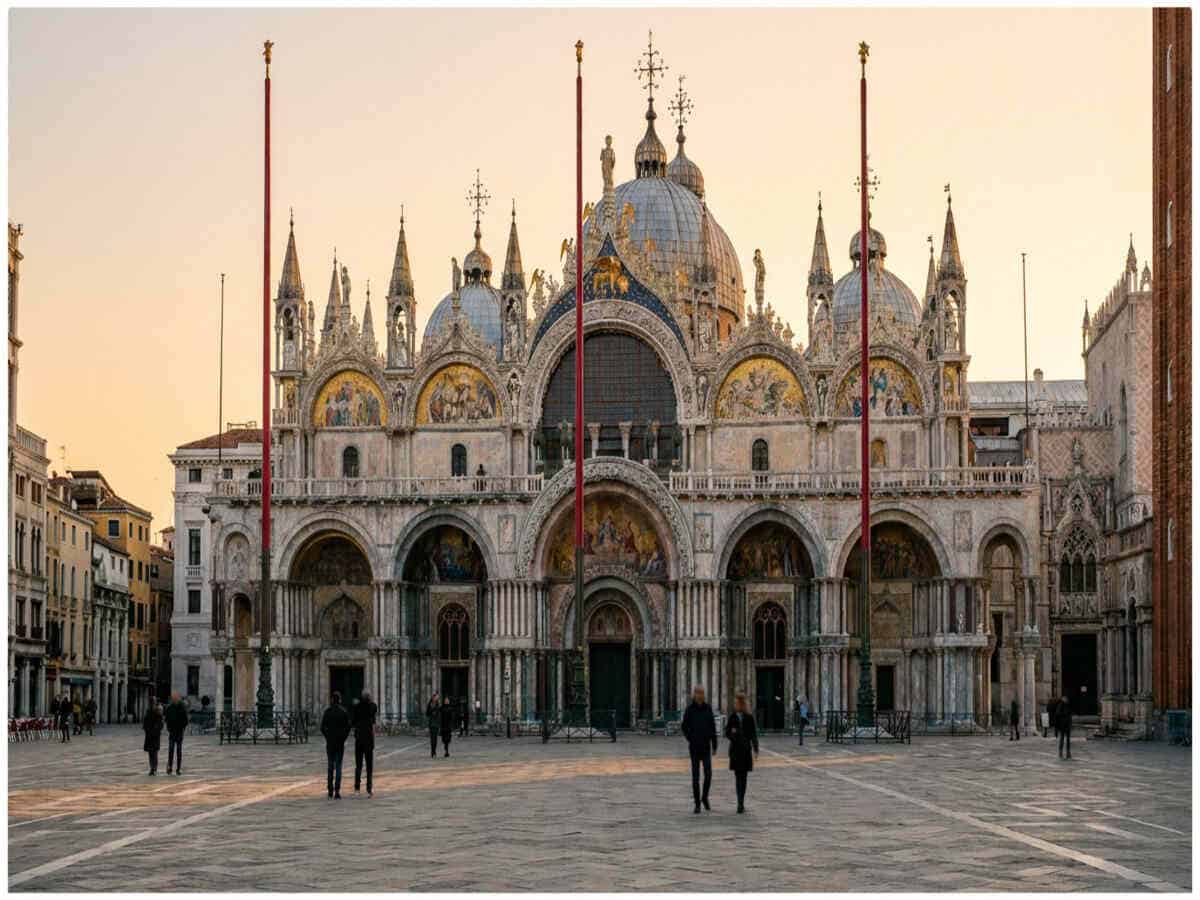
Italian travel comes to an abrupt standstill as a warning from the US advisory states that the whole nation is going to witness protests over increasing living costs. The picturesque journey to Italy with dreams of sitting with an espresso in the Trevi Fountain, being mesmerized with the Gothic towers of the Duomo, or walking around in the sunny city of Naples will have to be deferred until some other date. For the weekend of October 24, 2026, the romantic notion of “La Dolce Vita” gets substituted with the harsh truth of tear gas, riot shields, and echoes of megaphones.
What began as localized murmurs of discontent regarding inflation has officially boiled over into a full-scale national crisis. From the agricultural heartlands of the south to the financial hubs of the north, citizens are taking to the streets, prompting local authorities to fortify city centers and the United States government to urge its citizens to maintain strict situational awareness.
A Perfect Storm: The Catalyst Behind the Chaos
To understand the sheer scale of the October 2026 demonstrations that recently prompted the US Government to issue severe travel warnings, one must look at the intersecting crises plaguing the Italian peninsula. This is not a single, unified movement, but rather a convergence of several desperate demographics pushed to the brink by an unrelenting economic squeeze.
First and foremost are the agricultural and logistics sectors. Across southern Italy, farmers and independent truck drivers have orchestrated massive, coordinated blockades. Their primary grievance revolves around soaring diesel prices and exorbitant production costs that have rendered their livelihoods virtually unsustainable. Tractors and heavy-duty vehicles have been strategically parked across critical highway arteries, choking supply chains and sending a clear message to the central government.
Advertisement
Advertisement
Concurrently, Italy’s younger generation is fueling a fiery urban movement. Mobilizing under the banner of “No Meloni Day,” university and high school students have organized widespread walkouts and marches. Their demands are twofold: a massive injection of funding into the nation’s crumbling public education system, and a sharp reduction in military spending. In the eyes of these young citizens, the government is prioritizing international defense commitments over the domestic welfare of its people. When these two massive demographics—the rural workers and the urban youth—collided with the general public’s anger over the cost of living, the situation rapidly escalated into the chaotic scenes unfolding this weekend.
The Epicenters of Unrest: A City-by-City Breakdown
The protests are not confined to a single region; they have spread like wildfire across the country, turning beloved tourist districts into heavily monitored security zones.
Advertisement
Advertisement
The Militarization of Milan
Milan, the bustling capital of global fashion and finance, has seen some of the most intense friction. Following violent clashes and instances of looting earlier in the month, the Italian government took the drastic step of deploying 500 military troops to the city to reinforce local police units. The commercial heart of the city is currently on lockdown. Shoppers and tourists have been strictly warned by the U.S. Consulate to steer clear of major thoroughfares, including Corso Vittorio Emanuele II, Corso Genova, Corso Vercelli, and Via Dante. The iconic Piazza Duomo, usually teeming with international visitors and feeding pigeons, is now heavily ringed by armed security personnel.
Rome: The March on the Capital
In Rome, the demonstrations are highly organized, with multiple factions carving out specific routes through the ancient city. Tourists attempting to visit the Colosseum or the Roman Forum will find their paths blocked by barriers and riot police. The historic center has been divided into various protest zones, each claimed by different ideological groups ranging from anti-war coalitions to furious student unions.
Naples and the Northern Corridors
Southern Italy’s largest city, Naples, is experiencing its own wave of intense disruption. Key administrative and transit hubs, notably Piazza Garibaldi and Palazzo San Giacomo, have become focal points for anti-inflation rallies. Meanwhile, the unrest has spilled over into other vital northern and central cities, with significant security alerts issued for Bologna, Brescia, Bergamo, and Turin.
Detailed Schedule of Known Demonstrations (October 24, 2026)
To navigate the chaos, intelligence gathered by local authorities and the U.S. Embassy outlines the specific danger zones. Below is a comprehensive breakdown of the planned disruptions:
| City | Time / Status | Organizing Group | High-Risk Locations / Routes |
| Rome | 10:30 AM | Azione Universitaria & Azione Studentesca | Marching from Piazza della Libertà, along Via Cola di Rienzo, ending at Piazza Risorgimento. |
| Rome | 2:00 PM | “Fuori l’Italia dalla guerra” (Anti-War) | Starting at Piazza della Repubblica, passing Termini Station, Via Cavour, Via dei Fori Imperiali to the Colosseum. |
| Rome | 3:00 PM | “Movimento 17 Ottobre” & “Noi siamo il popolo” | Unpermitted gathering at Circo Massimo; separate massive sit-in at Piazza del Popolo. |
| Milan | 4:00 PM – 6:00 PM | Localized Student/Worker Coalitions | Piazza Leonardo da Vinci, Corso Buenos Aires, Piazza Duomo, Via Torino. |
| Naples | All Day | General Anti-Inflation Protesters | Piazza Garibaldi, Piazza del Gesù, Palazzo San Giacomo, Castel Volturno. |
Transit Gridlock: The Ripple Effect on Infrastructure
For travelers, the most immediate and paralyzing consequence of the unrest is the complete breakdown of public transportation. Protests traditionally gravitate toward central transit hubs to maximize visibility and impact, and this weekend is no exception.
Rome’s Termini Station, the busiest railway hub in the country, sits directly on the march route for the afternoon anti-war demonstrations. Consequently, travelers should expect severe localized cancellations, unannounced rail delays, and a heavy police presence that may restrict access to platforms. The gridlock extends beyond the railways; metro stations located near targeted plazas are subject to sudden closures to prevent crowds from swelling underground.
Advertisement
Advertisement
Above ground, city buses and trams are being rerouted or suspended entirely as major boulevards like Via dei Fori Imperiali and Via Cavour are claimed by marchers. Furthermore, the U.S. Embassy has warned that air travel could face secondary impacts. As roads leading to major airports (such as Rome’s Fiumicino and Milan’s Malpensa) become congested or actively blockaded by trucker strikes, passengers are at high risk of missing departing flights.
Actionable Intelligence: A Survival Guide for Travelers
If you are currently on the ground in Italy, relying on standard tourist itineraries is no longer viable. The U.S. Department of State mandates that all travelers adopt a proactive security posture.
Here are the critical, unique protocols every traveler must implement immediately:
❖ Implement an Independent Escape Plan: Do not rely on U.S. government intervention for basic evacuation from city centers. You must have a personal, pre-mapped walking route back to your accommodation that avoids all major plazas and government buildings.
❖ Maintain a Zero-Engagement Profile: If you accidentally turn a corner and encounter a large gathering, do not stop to take photographs. Turn around immediately. Even seemingly peaceful sit-ins can escalate into tear-gas deployments within seconds if unauthorized groups attempt to break police lines.
❖ Secure Physical Documentation: Digital wallets and cloud-based passports are insufficient during mass disruptions where cellular networks may be throttled. Keep your physical passport, a printed copy of your travel insurance, and emergency cash securely on your person at all times.
Advertisement
Advertisement
❖ Verify Transit Proactively: Never assume your train or flight is operating on schedule. Contact your airline or rail operator directly before leaving your hotel, and build in at least three extra hours for airport transfers.
❖ Memorize the Lifeline: In the event of a direct emergency, dial 112. This is the pan-European emergency number for police, fire, and medical assistance, and English-speaking operators are guaranteed to be available.
Navigating the New Normal
Italy is currently standing at a profound socio-economic crossroads. The images of military personnel patrolling the shadow of the Duomo and riot police barricading the Colosseum stand in stark, heartbreaking contrast to the country’s welcoming reputation. The underlying issues—crippling inflation, exorbitant energy and fuel costs, and deeply rooted political grievances—are complex and unlikely to be resolved over a single weekend.
Travel plans to Italy have come to a stop due to US warnings of serious riots across the nation owing to the escalating cost of living.
To the foreign traveler, this weekend has come to serve as a reality check about the unpredictability of the world economy. In order to navigate through the current economic chaos in the streets of Rome, Milan, and Naples, the only safe route would be that of precaution and determination to ensure one’s own safety.
Advertisement
