
EU Airports and Airlines Brace for Summer Disruptions as Carriers Push to Delay EES Rollout

Published
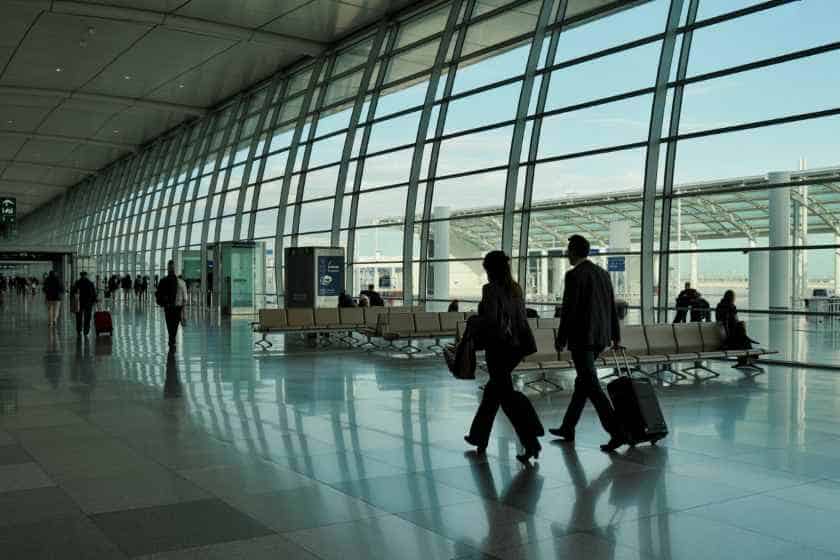
Ryanair, Jet2, and easyJet UK are calling for a temporary suspension of the European Union’s Entry/Exit System (EES), as passengers face severe delays at border controls across multiple airports. The new system, which officially became fully operational on April 10, 2026, has created long queues at some of Europe’s busiest airports, with passengers waiting up to four hours to clear passport control. The summer travel season exacerbates the situation, with families and holidaymakers experiencing significant inconvenience as a result of these extended waits.
EES Rollout and Its Impact on Passengers
The EU EES is designed to improve border security and streamline entry/exit processes across European borders by collecting biometric data, including fingerprints and facial images, from travelers. However, the system’s implementation has faced challenges, particularly in its early stages. The technical difficulties, lack of preparedness, and insufficient staffing at border control points have contributed to significant delays, especially as airports face the pressures of summer peak travel.
The system, which is part of the EU’s wider push for tighter border control measures, has been met with frustration from both travelers and airlines. While the intention behind the EES is to enhance security and reduce illegal immigration, the delays at passport control are creating chaos at airports across the continent. For many passengers, the lengthy wait times mean missing flights and experiencing unnecessary stress and disruption.
Ryanair’s Call for a Suspension of the EES
Ryanair, one of Europe’s largest low-cost carriers, has been particularly vocal about the problems created by the EES. In a recent press statement, the airline called on the French and Italian governments to halt the border checks until September 2026, which is when the summer peak season is expected to subside. Ryanair has emphasized that passengers are paying the price for the European Union’s rollout of a half-baked IT system during the busiest time of the year, with some travelers forced to endure hours-long queues at passport control.
Advertisement
Advertisement
Ryanair has further highlighted that, under EU regulation (EU Reg. 2025/1534), there is the possibility for governments to temporarily suspend the EES to ensure smoother travel during busy periods. This call for a suspension comes after numerous reports of delayed or missed flights due to the delays at passport control. Ryanair’s CEO, Michael O’Leary, stated, “The solution is simple—suspend the EES until September, allowing passengers to have a smoother and more efficient airport experience during their summer holidays.”
easyJet Faces Flight Disruptions and Urges Flexibility
easyJet has also expressed concerns over the delays caused by the EES, particularly after one of its flights from Milan Linate to Manchester on April 12, 2026, was forced to depart without 122 passengers. The passengers were unable to make it to the aircraft in time due to the delays at passport control. easyJet had previously issued warnings about the EES on its website, advising passengers to expect longer-than-usual wait times. However, even travelers who arrived at the airport three hours ahead of their scheduled departure were not guaranteed timely entry.
Advertisement
Advertisement
An easyJet spokesperson expressed the airline’s concern, saying, “We continue to urge border authorities to make full and effective use of the permitted flexibilities for as long as needed while the European EES is being implemented to avoid these unacceptable delays for our customers.” The airline called for more flexibility from border control authorities to mitigate delays until the system becomes more efficient.
Jet2’s Response and Greek Suspension of EES
Jet2, a UK-based airline, also commented on the growing frustration surrounding the EES and praised Greece’s decision to suspend the system for UK nationals. Greek authorities confirmed that, due to the delays experienced by UK passengers at border control, the EES would not be applied to UK citizens until further notice. Jet2 supported this decision and called for other EU member states to adopt similar measures during the summer season when travel demand is at its peak.
By suspending the EES for UK nationals, Greece has taken a step to prioritize passenger flow and minimize the disruptions caused by the border control system. However, it remains unclear whether other countries, including France, Italy, and Spain, will follow suit and offer similar concessions for travelers from other regions.
The EU EES: A Double-Edged Sword for Security and Travel
While the EES aims to enhance border security and streamline entry processes across the European Union, its current implementation has highlighted several challenges, particularly during busy travel periods. The system was designed to reduce the time spent at passport control by automating parts of the process and making it more efficient. However, technical difficulties and insufficient resources at key airports have resulted in the opposite effect, with long queues and delayed flights becoming a recurring issue.
The EES also comes at a time when airlines are still recovering from the pandemic and trying to rebuild their networks. The delays caused by the system threaten to undo some of the progress made in the aviation industry’s recovery, as passengers grow frustrated with inconsistent service and increasing wait times.
Calls for Improvement and Long-Term Solutions
The airlines affected by the EES delays are calling for a long-term solution to ensure that border control systems are more efficient, especially during peak travel times. While the EU and member states are still working on optimizing the EES, airlines like Ryanair, easyJet, and Jet2 are seeking a balance between security and convenience for passengers.
Advertisement
Advertisement
A more robust approach is needed to ensure the smooth operation of the EES system without causing disruption to the broader travel experience. For now, the focus is on providing short-term relief by offering flexibility in how the system is applied and suspending the system in certain regions during the busy summer months.
Conclusion
The implementation of the European Union Entry/Exit System (EES) has proven to be a double-edged sword, with the aim of enhancing border security overshadowed by the significant delays it has caused at airports across Europe. Airlines such as Ryanair, easyJet, and Jet2 have raised valid concerns about the long queues passengers face, particularly during the summer travel season. As the system continues to be refined, many airlines and passengers are calling for temporary suspensions or flexibility in its application to ensure smoother travel during peak times. Whether or not more EU nations follow Greece’s lead remains to be seen, but the pressure on authorities to streamline the process is building as the summer months approach.
Advertisement
