
Europe boosts sustainable tourism through strategic collaboration in carbon capture technology, supporting cleaner travel and reduced emissions.

Published
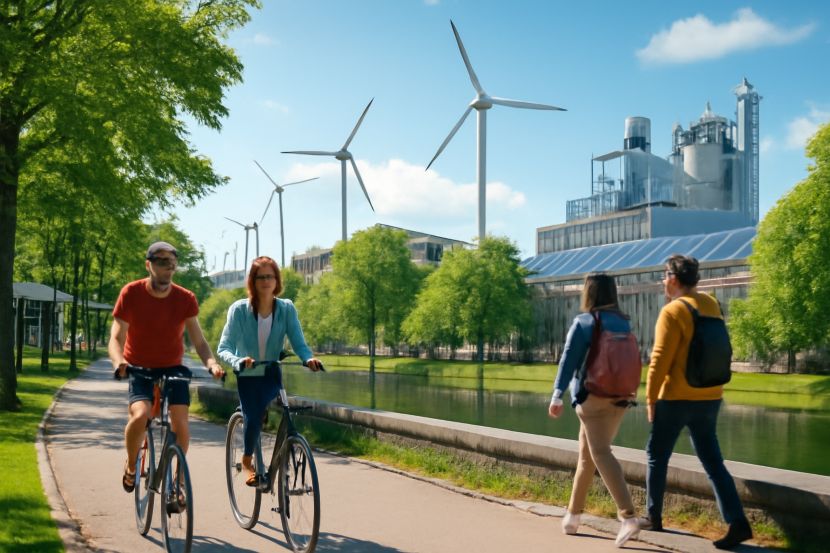 Image generated with Ai
Europe’s tourism industry is taking a significant step towards sustainability as leading players invest in carbon capture technology. This new effort highlights the increasing importance of eco-friendly initiatives in the travel sector. Many European countries are exploring sustainable options for reducing carbon emissions. Countries like Norway, Sweden, and Germany have made clear strides by implementing innovative solutions. These nations are not just focusing on tourism’s environmental footprint but are also paving the way for other regions to follow.
The growing tourism sector has long been scrutinized for its carbon footprint. As travelers flock to Europe, from the historical streets of Amsterdam to the scenic landscapes of Norway, the need to balance industry growth with environmental concerns has never been clearer. To meet this challenge, partnerships in carbon capture technology are beginning to show promising results.
Germany’s eco-conscious cities, such as Berlin and Munich, are leading the charge. They have long been pioneers in introducing eco-friendly transportation and green initiatives within the hospitality industry. By fostering relationships with innovators in carbon capture solutions, these cities aim to significantly lower the emissions from the tourism sector.
The technology behind carbon capture plays a crucial role in industries such as cement, gas turbines, and biomass energy. These sectors are heavily involved in supporting the infrastructure that enables tourism, whether through energy supply or building maintenance. In recent years, companies specializing in sustainable technology have been rising in prominence, especially those working with carbon capture and energy-efficient solutions.
Advertisement
Advertisement
Norway is also deeply committed to reducing its tourism industry’s carbon emissions. As one of Europe’s greenest countries, Norway has made substantial progress by leveraging clean technologies. Government websites such as Visit Norway promote its low-carbon infrastructure, supporting tourists with easy access to sustainable accommodations, transportation, and nature tours. The country has positioned itself as a model for eco-tourism, integrating carbon capture solutions into its hospitality services.
Other regions in Europe, particularly Sweden and the Netherlands, are making similar strides. Amsterdam continues to set an example with its sustainable tourism initiatives, encouraging travelers to engage in carbon-neutral experiences. These projects not only attract environmentally conscious tourists but also align with the country’s climate action goals.
Advertisement
Advertisement
While the direct connection between carbon capture and tourism may not be immediately visible to travelers, the growing push towards green travel is changing the way we think about tourism. Industry stakeholders agree that adopting energy-efficient technologies in tourism-related services is an essential part of the equation. This includes the implementation of carbon capture technology that absorbs CO₂ emissions from industrial activities tied to travel and accommodation.
Experts believe that the tourism sector can and should be a leader in driving these changes. For countries like Germany, Norway, and Sweden, sustainable tourism is not just a buzzword but a reality in the making. Through innovations in carbon capture and eco-friendly business practices, these nations aim to offer tourists a way to enjoy their travels without contributing to environmental damage.
A recent partnership between innovative companies marks a significant milestone in this journey. Through collaborative ventures, the two companies aim to expand their offering by combining advanced carbon capture technology with existing energy-efficient solutions. This approach seeks to make significant strides toward reducing the tourism sector’s environmental impact. By using carbon capture solutions, travelers can benefit from greener experiences, whether it’s flying to Munich or booking a stay in Oslo.
As tourism continues to evolve in the wake of climate change, stakeholders must be proactive in adapting new technologies that make travel more sustainable. Countries across Europe are making these strategic decisions, from green hotels to carbon-neutral flights, that will change how tourism operates globally. For travelers who want to leave a lighter footprint, these developments provide an opportunity to support the growing demand for sustainable tourism.
According to official tourism organizations, sustainable travel is gaining ground among eco-conscious travelers. Websites such as Visit Sweden and Visit Denmark now feature guides on how to minimize environmental impact while traveling through these beautiful countries. As more countries embrace this mindset, the tourism industry’s transition to sustainability becomes more achievable.
Europe’s commitment to sustainability is not just a passing trend—it’s an ongoing movement toward a greener future. Tourists will increasingly choose destinations based on how much they prioritize eco-friendly practices. As countries continue to adopt green technologies, carbon capture solutions will be vital in creating long-lasting change. This is just the beginning of Europe’s journey to becoming the world’s leader in sustainable tourism, making it possible for travelers to explore without compromising the planet’s health.
As tourism in Europe embraces sustainability through carbon capture technologies, travelers are encouraged to visit destinations that prioritize the environment. In Norway, Sweden, and Germany, the collaboration of green businesses will redefine the future of eco-friendly travel. For those planning trips to these destinations, the opportunity to contribute to a cleaner planet while enjoying an unforgettable experience has never been clearer.
Advertisement
