
Albania Joins Portugal and Slovenia as Europe’s 2027 Travel Surge Celebrates Untouched Landscapes and Cultural Treasures: All You Need to Know

Published
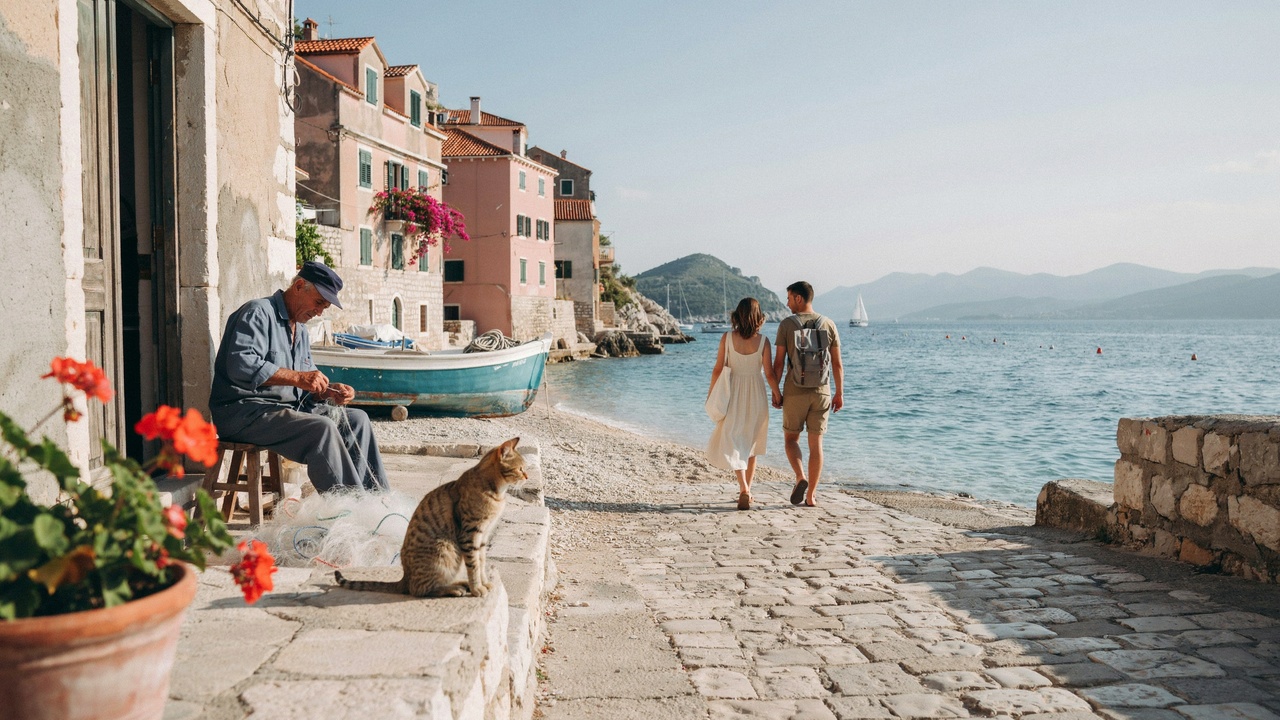
The approach to tourism in Europe is changing as people are searching for something more than just sightseeing. In 2027, holidays that focus on culture, nature, gastronomy, sustainability and slow travel are becoming increasingly popular.
Modern travellers do not simply want to see famous monuments. They want to experience local communities, to enjoy beautiful views and to participate in local traditions.
European tourists are increasingly more interested in small towns, cosy beach resorts, mountains and cities of art that are away from overcrowded tourist places.
| Emerging Travel Trend | Visitor Interest |
|---|---|
| Authentic local experiences | Connecting with culture and communities |
| Nature-based tourism | Mountains, forests and outdoor activities |
| Food tourism | Regional cuisine and local products |
| Sustainable travel | Responsible tourism choices |
| Slow travel | Longer stays and deeper exploration |
Albania Gains Attention With Mediterranean Beauty and Undiscovered Landscapes
Albania is emerging as one of Europe’s most promising destinations for travellers seeking coastal beauty, affordable experiences and less crowded locations.
Advertisement
Advertisement
The country combines:
- Turquoise beaches
- Historic towns
- Mountain landscapes
- Traditional cuisine
- Cultural heritage
The Albanian Riviera is becoming increasingly attractive for visitors who want Mediterranean scenery without the same level of crowds found in some traditional European beach destinations.
Advertisement
Advertisement
| Destination | Main Attraction |
|---|---|
| Ksamil | Beaches and island scenery |
| Dhermi | Coastal villages and sea views |
| Berat | Historic architecture and heritage |
| Gjirokastër | UNESCO-listed cultural landscape |
Albania’s growing tourism appeal comes from its combination of natural beauty and authentic local experiences.
Portugal Continues Rising Through Culture Food and Coastal Escapes
Portugal remains one of Europe’s strongest tourism destinations because it offers a balance of historic cities, Atlantic landscapes and culinary experiences.
Beyond Lisbon and Porto, travellers are increasingly discovering:
- Island destinations
- Wine regions
- Rural communities
- Coastal villages
- Nature experiences
The country appeals to visitors who want both relaxation and cultural discovery.
| Portuguese Experience | Tourism Appeal |
|---|---|
| Historic cities | Architecture and heritage |
| Atlantic coastline | Beaches and outdoor activities |
| Wine regions | Gastronomy and local traditions |
| Islands | Nature and adventure |
Portugal’s ability to combine tradition with modern hospitality continues strengthening its international appeal.
Slovenia Attracts Travellers Seeking Alpine Beauty and Sustainable Tourism
Slovenia is gaining recognition among travellers searching for peaceful landscapes, outdoor activities and environmentally responsible tourism.
Advertisement
Advertisement
The country offers:
- Alpine scenery
- Lakes and forests
- Historic towns
- Wellness experiences
- Adventure activities
Popular destinations include:
| Location | Experience |
|---|---|
| Lake Bled | Scenic landscapes and cultural attractions |
| Ljubljana | Urban culture and historic charm |
| Julian Alps | Hiking and nature tourism |
| Soča Valley | Adventure and outdoor experiences |
Slovenia’s focus on sustainable tourism makes it attractive to travellers looking for environmentally conscious holidays.
Italy Expands Beyond Famous Cities Through Regional Experiences
Italy continues to attract global visitors, but future travel trends are shifting attention towards lesser-known regions.
Travellers are increasingly exploring:
- Small villages
- Rural landscapes
- Food regions
- Mountain areas
- Coastal communities
Popular emerging experiences include:
Advertisement
Advertisement
| Region | Travel Appeal |
|---|---|
| Tuscany | Countryside and culinary tourism |
| Puglia | Coastal villages and traditions |
| Dolomites | Mountain adventures |
| Sicily | Heritage and Mediterranean culture |
Italy’s regional diversity allows visitors to discover new experiences beyond Rome, Venice and Florence.
Greece Combines Heritage With New Cultural Experiences
Greece remains a major European destination thanks to its islands, ancient history and Mediterranean lifestyle.
However, future visitors are increasingly interested in deeper experiences such as:
- Local cuisine
- Archaeological discoveries
- Island communities
- Outdoor activities
- Traditional festivals
Destinations beyond the most famous islands are gaining attention as travellers search for quieter and more authentic journeys.
Austria Creates New Interest Through Alpine and Cultural Tourism
Austria continues attracting visitors through its combination of landscapes, heritage and cultural experiences.
The country offers:
Advertisement
Advertisement
| Tourism Segment | Examples |
|---|---|
| Alpine travel | Mountains and winter activities |
| Cultural tourism | Historic cities and museums |
| Wellness travel | Spa destinations |
| Food tourism | Regional cuisine |
Vienna, Salzburg and Alpine regions continue appealing to international visitors seeking European culture combined with high-quality travel experiences.
Northern Europe Attracts Travellers Seeking Cooler Escapes
Climate awareness and changing travel preferences are encouraging some visitors to explore northern destinations.
Countries such as Norway, Finland and other Nordic regions offer:
- Fjords
- Forests
- Arctic experiences
- Outdoor adventures
- Sustainable tourism models
Northern Europe provides an alternative for travellers looking for nature, space and unique seasonal experiences.
Food Tourism Becomes One of Europe’s Strongest Travel Drivers
European destinations are increasingly using cuisine as a major reason for visitors to travel.
Food-focused journeys allow travellers to experience:
Advertisement
Advertisement
- Traditional recipes
- Local markets
- Wine regions
- Farm experiences
- Regional festivals
| Country | Famous Culinary Experience |
|---|---|
| Italy | Regional cuisine and wine |
| Portugal | Seafood and traditional dishes |
| Greece | Mediterranean food culture |
| France | Gastronomy and wine tourism |
| Spain | Tapas and culinary traditions |
Food tourism encourages longer stays and deeper connections with destinations.
Sustainable Travel Shapes Europe’s Tourism Future
Sustainability is becoming a central element of European tourism planning.
Destinations are focusing on:
- Responsible visitor management
- Low-impact transport
- Nature protection
- Local community involvement
- Heritage preservation
The move towards sustainable tourism is also helping lesser-known destinations gain attention by offering responsible alternatives to overcrowded locations.
Rail Travel Supports Multi-Destination European Adventures
Rail connectivity is becoming increasingly important for travellers planning European journeys.
Visitors are choosing rail travel because it allows them to:
Advertisement
Advertisement
- Explore multiple countries
- Reduce travel stress
- Reach city centres easily
- Enjoy scenic routes
Multi-country trips are becoming more popular as travellers combine several destinations in one holiday.
Europe’s 2027 Travel Future Will Focus on Meaningful Journeys
The future of European tourism will be shaped by travellers seeking more than traditional holidays.
Visitors are expected to prioritise:
- Authentic experiences
- Local connections
- Sustainable choices
- Unique landscapes
- Cultural discovery
The destinations gaining momentum are those that offer memorable experiences while protecting their identity.
Frequently Asked Questions
1. Which European destinations are expected to become popular in 2027?
Destinations such as Albania, Slovenia, Portugal, regional Italy and Nordic locations are attracting attention for authentic travel experiences.
2. Why are travellers choosing lesser-known European destinations?
Many visitors want fewer crowds, more local experiences and better connections with nature and culture.
Advertisement
Advertisement
3. Is sustainable tourism becoming important in Europe?
Yes. Many destinations are investing in responsible tourism practices to protect resources and improve long-term visitor experiences.
4. What type of experiences will travellers seek in Europe?
Cultural activities, local food, outdoor adventures and community-based experiences are expected to remain highly popular.
5. Why is slow travel growing in Europe?
Travellers increasingly prefer longer stays that allow deeper exploration instead of visiting many places quickly.
6. Are European city breaks still popular?
Yes, but many travellers are combining famous cities with nearby rural, coastal and cultural destinations.
Conclusion
The travel landscape of Europe in 2027 will be coloured by discovering, authenticity, and memorable experiences. While the famous places will remain as important as they are now, new areas and hidden gems are gaining in popularity among travellers who want to experience something new. From the coastline of Albania and mountains in Slovenia to the cultural treasures of Portugal and regions of Italy, Europe’s future tourism will be shaped by the need for meaningful connections and green decisions.
Advertisement
