
Holiday Plans at Risk? US Warns Travellers Against Visiting 11 African Countries

Published
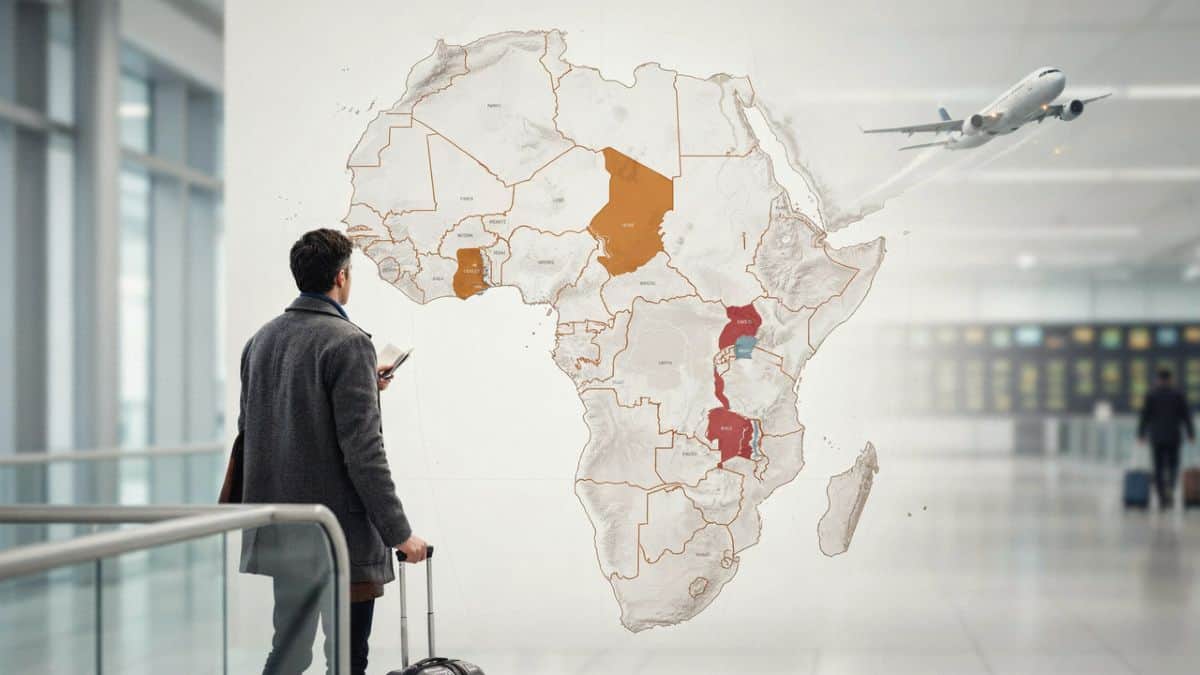
Africa’s Burkina Faso, Central African Republic, Chad, Democratic Republic of the Congo, Libya, Mali, Niger, Somalia, South Sudan, Sudan and Uganda are named in a report on the United States’ highest-level travel warnings. The advisories highlight serious safety concerns that could affect holidaymakers, business travellers and tour operators planning journeys to these destinations. However, travellers should understand that the warnings differ by country and do not constitute a blanket travel ban across Africa. The US Department of State maintains an official advisory system to help people assess risks before travelling abroad.
Which 11 African Countries Are Under US Travel Warnings?
The list reported by Vanguard on 19 October 2026 includes 11 destinations across different parts of Africa. These are Burkina Faso, the Central African Republic, Chad, the Democratic Republic of the Congo (DRC), Libya, Mali, Niger, Somalia, South Sudan, Sudan and Uganda.
Advertisement
Advertisement
The countries face different combinations of security and health concerns. These include terrorism, kidnapping, violent crime, armed conflict, civil unrest and limited access to medical care.
The US State Department uses four levels in its travel advisory system. Level 1 advises travellers to exercise normal precautions, while Level 2 recommends increased caution. Level 3 tells travellers to reconsider their plans, and Level 4 carries the strongest warning: “Do not travel”.
Advertisement
Advertisement
Security Risks Behind the Warnings
The risks identified by US officials vary considerably between destinations. Burkina Faso, Mali and Niger face security threats associated with terrorism, kidnapping and instability. The Central African Republic and Chad also carry warnings relating to unrest, crime and other safety concerns.
In the Democratic Republic of the Congo, the advisory highlights health concerns alongside crime, unrest, terrorism and kidnapping. The security situation can vary across the country, making it important for travellers to examine the specific areas they intend to visit rather than rely on general destination information.
Advertisement
Advertisement
Libya and Sudan also feature in the reported list amid serious security concerns. Somalia and South Sudan present additional challenges associated with violence, kidnapping, unrest and limited emergency assistance.
These risks can complicate ordinary travel arrangements. An unexpected incident may affect road transfers, sightseeing plans, access to medical treatment or the ability to leave an area safely.
What the Warnings Mean for Holidaymakers
For tourists, the advisories are a reminder to research a destination carefully before paying for flights, hotels or organised excursions.
Travellers considering trips to affected countries should check their own government’s travel advice and contact their airline or tour operator to understand the latest operating conditions. They should also confirm whether accommodation, ground transport and planned activities remain available.
Those booking multi-country holidays need to review every stop on their itinerary. A warning affecting one destination does not automatically mean that every neighbouring country faces the same conditions.
Travel plans may also require additional flexibility. Travellers should understand their cancellation rights and check whether their bookings allow changes if circumstances deteriorate before departure.
Advertisement
Advertisement
Travel Insurance and Emergency Assistance
Insurance deserves particular attention when planning travel to a destination carrying serious safety warnings.
Cover depends on the terms of the individual policy, when the warning was issued and the circumstances surrounding a cancellation or claim. A Level 4 advisory does not automatically guarantee a refund or insurance payout.
Travellers should contact their insurer before departure and request clear information about exclusions relating to government travel warnings, civil unrest, terrorism and medical evacuation.
Access to emergency support is another important consideration. The US State Department warns that its ability to assist American citizens can be limited in certain high-risk destinations. Its advisory for the Central African Republic, for example, identifies substantial restrictions on emergency services.
How Tour Operators and Travel Businesses Could Be Affected
The warnings may prompt travel businesses to review their risk assessments, itineraries and customer communication.
Tour operators arranging trips to affected destinations need to monitor official updates and explain any changes to customers. Businesses organising regional tours should also assess border crossings, connecting journeys and alternative arrangements.
Advertisement
Advertisement
However, the existence of an advisory alone does not establish that bookings have been cancelled or that tourism revenue has declined. Any claims about falling visitor numbers, financial losses or suspended flights require separate evidence from tourism authorities, airlines or travel companies.
For travellers, the most useful step is to obtain destination-specific information before making decisions about existing or future bookings.
Check Official Advice Before Travelling
The US State Department reviews its travel advisories regularly and can update them when conditions change significantly. Travellers should therefore consult the latest information rather than rely solely on a news report or an older warning.
It is also important to remember that US advisories are primarily intended to guide US citizens travelling overseas. People from other countries should consult the guidance issued by their own governments and check applicable entry requirements.
What Travellers Should Remember
Planning a holiday should bring excitement, not uncertainty about personal safety. For anyone considering a trip to one of the destinations named in the report, checking official advice before booking—or before departing on an existing reservation—is a sensible first step.
The warnings do not mean that all of Africa is unsafe, nor do they automatically prohibit every traveller from visiting the countries listed. They do, however, underline why current security information, suitable insurance and reliable travel arrangements matter. Before setting off, travellers should make informed decisions based on the specific destination, the latest official guidance and their ability to respond if conditions change.
Advertisement
