
China Travel Alert as US Adds Wrongful Detention Warning for American Travellers

Published
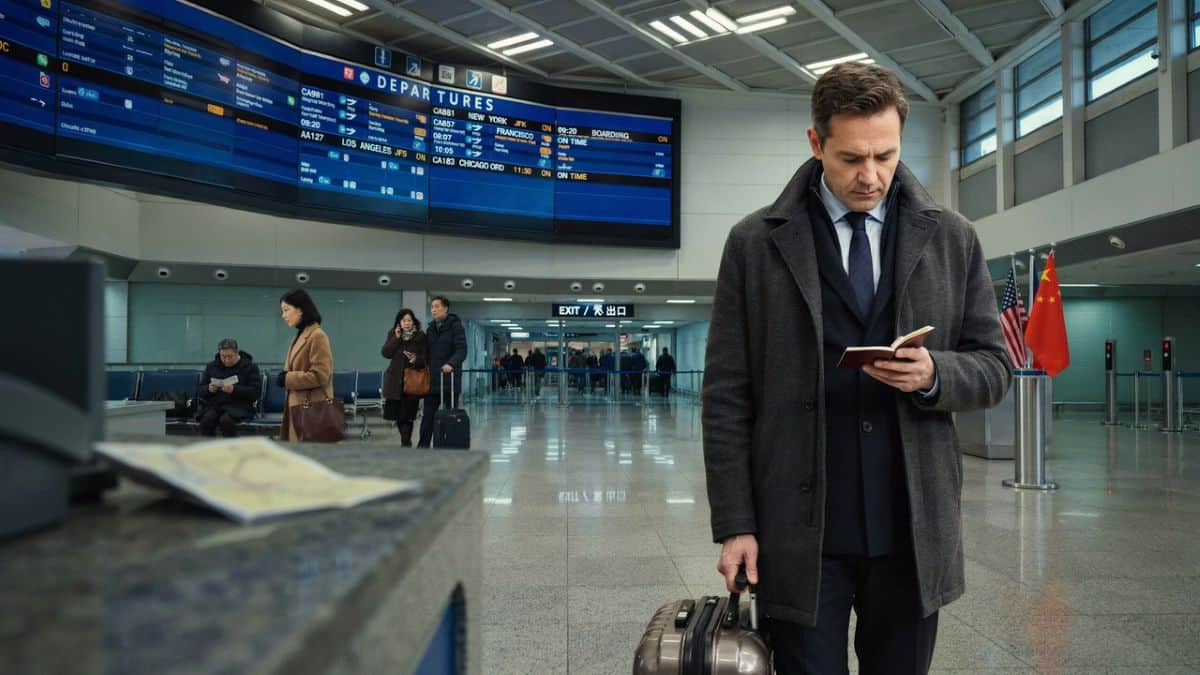
For Americans planning a holiday, business meeting or academic visit to China, checking visa rules and booking flights may no longer feel like enough preparation. The US government has added a specific wrongful detention warning to its travel advisory for mainland China, urging citizens to understand the legal risks before travelling. The update, issued on 19 October 2026, highlights concerns over arbitrary enforcement of local laws and restrictions that could prevent visitors from leaving the country.
US Adds a New Risk Indicator to China’s Travel Advisory
The US Department of State has introduced a wrongful detention indicator, marked “D”, in its travel advisory for mainland China. However, the overall advisory remains at Level 2, meaning Americans should exercise increased caution rather than avoid all travel.
The change draws attention to a particular concern that the US government considers serious enough to identify separately. The advisory warns that American citizens could face detention under circumstances that Washington considers wrongful, potentially with limited access to legal assistance or US consular officials.
The update does not amount to a travel ban. Americans can still visit China, but the government is encouraging them to consider the risks carefully before making travel arrangements.
Advertisement
Advertisement
Why Are American Travellers Being Warned?
The warning comes amid concerns about the enforcement of Chinese national security laws and the treatment of some US citizens detained in the country.
According to the US State Department, China’s national security, counterespionage and data security laws give authorities broad discretion to investigate foreign nationals. Activities such as business research, academic work and handling information that appears publicly available may also carry legal risks in certain circumstances.
Advertisement
Advertisement
The government has highlighted two American citizens in particular. Min Zin, a Myanmar scholar and US citizen, was detained in China’s Yunnan province on 3 June 2026 while attending an academic conference. In August, the State Department designated his detention as wrongful.
Another American citizen, seismologist Youlin Chen, was detained in China in 2024 and charged with espionage, according to reporting by Semafor. The US government has also designated his detention as wrongful.
These cases have added urgency to Washington’s concerns. However, the circumstances of individual detentions differ, and the US government’s designation should not be confused with an independent judicial finding.
Exit Bans Could Prevent Visitors From Leaving China
One of the most significant concerns for travellers is the use of exit bans. These restrictions can prevent a person from departing China, even when they have a valid passport, an international flight booking and plans to return home.
The US State Department says exit bans may be used in investigations, civil disputes or situations involving pressure on relatives and associates. In some cases, travellers may discover the restriction only when they attempt to leave the country.
For holidaymakers, this presents a different kind of travel risk from flight cancellations or unexpected visa problems. A planned departure may not be possible if authorities impose an exit restriction.
Advertisement
Advertisement
The advisory also warns that people subject to detention could face prolonged uncertainty, with limited or inconsistent access to US officials and family members.
Business Travellers and Academics Face Particular Concerns
Although the warning is relevant to all American visitors, the US government identifies several groups that may face additional scrutiny.
Businesspeople involved in commercial disputes, academics conducting research, journalists and individuals with current or previous connections to US government agencies are among those highlighted in the advisory.
Travellers handling sensitive information should pay particular attention to local laws governing national security and data. Research or professional activities that appear routine in the United States may be interpreted differently under Chinese regulations.
This does not mean every business trip or academic visit carries the same level of risk. Instead, the warning encourages travellers and employers to assess their circumstances before departure, particularly when a visit involves sensitive information or an ongoing dispute.
What Should Americans Do Before Booking a Trip?
The updated advisory encourages Americans who decide to travel to mainland China to take practical precautions.
Advertisement
Advertisement
Travellers should review the latest government guidance, ensure they have the correct passport and visa, and consider enrolling in the Smart Traveler Enrollment Program. This allows the US embassy or consulate to provide relevant alerts and helps officials contact travellers or their emergency contacts during a crisis.
The State Department also recommends establishing a communication plan with family members, employers or hosts. Agreeing on regular check-ins can help others recognise when a traveller may need assistance.
Visitors should also review their travel insurance carefully. Policies differ, and travellers should not assume that detention, legal assistance or emergency evacuation expenses will automatically be covered.
The advisory further urges Americans to avoid demonstrations, exercise caution around large gatherings and be careful about electronic communications that could attract scrutiny from Chinese authorities.
Does the Warning Mean China Is Unsafe for Every Tourist?
Not necessarily. The Level 2 classification remains unchanged, and the new indicator identifies a specific risk rather than declaring all travel to China unsafe.
China continues to attract international visitors for its cities, cultural landmarks, historic sites, food and business opportunities. The advisory does not establish that ordinary tourists are routinely detained, nor does it provide evidence that the latest update has caused a decline in visitor numbers.
Advertisement
Advertisement
Nevertheless, the warning may influence how some Americans approach their travel plans. Business travellers may need additional risk assessments, while holidaymakers may want to understand local rules and prepare for unexpected situations before departure.
Travellers should also remember that mainland China, Hong Kong and Macau have separate US travel advisories, so guidance for one destination should not automatically be applied to the others.
A Fresh Reminder to Prepare Before Travelling
For anyone dreaming of exploring China’s historic streets, modern skylines or famous cultural attractions, travel preparation involves more than choosing hotels and planning sightseeing stops. Understanding local laws, checking official advice and making arrangements for emergencies can be just as important. The US government’s latest warning is a reminder for American visitors to make informed decisions, assess their personal circumstances and review the guidance available before travelling. With the overall advisory still at Level 2, the message is clear: travel has not been prohibited, but the risks deserve careful attention.
Advertisement
