
Malaysia Joins Thailand, Saudi Arabia, Morocco, Vietnam, South Korea, Indonesia and More Countries in Launching Record-Breaking 2026 Tourism Campaigns to Attract Millions of Global Visitors: All You Need to Know

Published
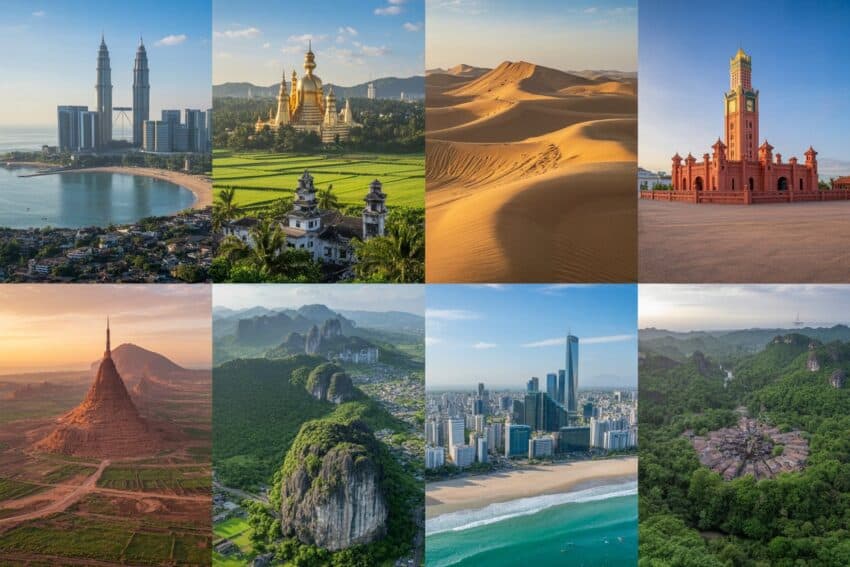
In 2026, governments around the world are sparking intense travel activity as nations refine tourism strategies to welcome more visitors, expand economic benefits and strengthen cultural ties. From Southeast Asia to the Middle East and Africa, official tourism bodies and national ministries are rolling out major policy initiatives, marketing campaigns and strategic partnerships to make travel more inviting, seamless and rewarding.
Malaysia’s Visit Malaysia 2026: A High‑Value Tourism Juggernaut
Malaysia has launched Visit Malaysia 2026 (VM2026) as a flagship nationwide tourism campaign aimed at dramatically boosting international arrival numbers and industry revenue. Spearheaded by Tourism Malaysia, this campaign is a major push by the Malaysian Government to grow tourism’s contribution to the national economy and global brand profile.
Official goals include attracting 35.6 million visitors and generating substantial tourism receipts, supported by enhanced visa arrangements for key markets such as China and India and comprehensive global marketing. The VM2026 initiative also emphasises unique cultural, eco‑tourism and wellness experiences to deliver diverse visitor opportunities and inject tourism dollars across multiple Malaysian states.
Thailand Focuses on Sustainable, Value‑Led Tourism Growth
Thailand’s government, through the Tourism Authority of Thailand (TAT), has announced bold 2026 targets, aiming to attract around 36.7 million foreign visitors and generate up to 3 trillion baht in total tourism revenue. This strategy marks a shift toward value tourism, sustainable experiences and quality‑led growth for the tourism sector.
Advertisement
Advertisement
Official objectives include strengthening Thailand as a 365‑day global destination while balancing local economic benefits and preserving cultural authenticity. TAT’s multifaceted approach blends wellness, cultural heritage, infrastructure improvements and digital platforms to enhance the visitor experience and elevate Thailand’s competitive tourism position.
Saudi Arabia’s Push to Become a Global Travel Powerhouse
Under its long‑term Vision 2030 framework, Saudi Arabia continues to accelerate tourism development and broaden international appeal through strategic government tourism promotion by the Saudi Tourism Authority (STA). The Kingdom has repositioned tourism as a critical economic pillar by simplifying visas, signing strategic partnerships with airlines and travel partners, and promoting both luxury and mainstream travel experiences.
Advertisement
Advertisement
By modernising infrastructure and opening up to new markets, Saudi Arabia is working to diversify its economy and attract a broader range of travellers, while also encouraging pilgrimage and cultural tourism. These expansive government‑backed efforts are intended to transform the nation into a major global travel destination by the end of the decade.
Morocco’s Strategic Tourism Momentum and 2030 Vision
Morocco’s government, via its Ministry of Tourism, Handicrafts & Social & Solidarity Economy, continues to spearhead campaigns that promote improved air connectivity, diversified city experiences and enriched cultural offerings. Recent official statistics show positive year‑over‑year increases in visitor arrivals, signalling momentum in 2026.
Advertisement
Advertisement
With a government push to expand international flight routes and deepen engagement with source markets in Europe and beyond, Morocco is strategically building its tourism brand. The country also targets 26 million tourists by 2030, aligning its tourism strategy with major global events and sports opportunities such as co‑hosting the FIFA World Cup.
Vietnam Steps into the Global Tourism Spotlight
Vietnam’s National Authority of Tourism is officially guiding the country’s entry into a new tourism phase for 2026, concentrated on innovation, sustainability and destination diversification. Official government direction emphasises quality tourism experiences, increased global outreach and integration with sustainable travel goals to appeal to both short‑stay and long‑stay visitors.
Vietnam’s focus on heritage sites, beaches, nature corridors and cultural experiences is part of an intentional shift toward elevating visitor impact while preserving environmental integrity. Official data suggests Southeast Asian tourism powerhouses like Vietnam are attracting growing numbers of travellers as global travel recovers.
South Korea: Capitalising on Cultural Influence and Soft Power
South Korea’s government continues to capitalise on globally‑recognised cultural exports — including K‑pop, film, food and fashion — to strengthen its tourism appeal in 2026. Although official tourism numbers vary by source, government tourism agencies actively support campaigns, incentives and digital storytelling to attract international visitors.
Advertisement
Advertisement
Through partnerships with cultural institutions and global travel platforms, South Korea synthesises cultural influence with traditional destination marketing to grow its share of global tourism traffic.
Indonesia’s Island‑Wide Tourism Promotion Drive
Indonesia’s Ministry of Tourism has expanded promotional campaigns beyond Bali to encompass second‑tier islands and archipelagic experiences, aiming to distribute economic benefits more broadly. The government’s tourism strategy for 2026 encourages sustainable exploration of cultural locales, heritage routes and marine conservation tourism.
These initiatives support local entrepreneurship, reduce overtourism pressures on main islands, and spotlight emerging travel experiences across the country’s vast geography — from Sulawesi to the Raja Ampat marine region.
Greece’s Investment in Visitor Infrastructure and Cultural Tourism
The Greek Government continues to encourage tourism beyond its most famous Cycladic islands in 2026 by supporting festivals, historical trails and heritage conservation programmes. Energy is also directed toward improving transport infrastructure, digital services and niche tourism markets such as gastronomy routes and faith‑linked travel.
These official supports are designed to attract travellers seeking rich historical experiences and lesser‑explored mainland regions in addition to well‑known coastal destinations.
Colombia’s Growth in Tourism Confidence and Safety
Colombia emerges as a rapidly growing destination in 2026, benefiting from increased international interest and stronger perceptions of safety and stability. Government tourism agencies are actively promoting cultural circuits, eco‑tourism corridors and community‑based experiences to diversify travel appeal.
Advertisement
Advertisement
Official efforts include participation in international fairs and bilateral tourism agreements aimed at stimulating travel demand from the Americas and Europe.
Egypt’s Strategic Cultural, Heritage and Event Tourism Push
Egypt continues to capitalise on tourism assets such as major archaeological sites, Nile experiences and new museum openings to attract global visitors in 2026. The government supports tourism infrastructure, digital access and multi‑language heritage interpretation through official site protection and promotion programmes.
These national tourism programmes aim to make Egypt’s timeless sites, from the pyramids of Giza to Luxor’s temples, more accessible and profitable for local communities.
Rwanda: Wildlife Conservation Meets Tourism Growth
Rwanda’s official tourism strategy blends wildlife conservation with high‑value tourism experiences centred on gorilla trekking, community tourism and eco‑initiatives. Government tourism agencies collaborate with conservation partners to reinforce sustainable travel policies that benefit both ecosystems and visitors.
This focus leverages Rwanda’s unique biodiversity while positioning it as a model for responsible travel in Africa
Government‑Backed Tourism Strategies for 2026
| Country | Government Body | 2026 Focus | Strategic Goal |
|---|---|---|---|
| Malaysia | Tourism Malaysia | Nationwide tourism campaign (VM2026) | 35.6M visitors, large revenue growth |
| Thailand | Tourism Authority of Thailand | Quality‑led sustainable tourism | 36.7M visitors, 3T baht revenue |
| Saudi Arabia | Saudi Tourism Authority | Broaden tourism market & diversify economy | Global travel hub growth under Vision 2030 |
| Morocco | Ministry of Tourism | Expanded air routes and infrastructure | 7%+ annual visitor growth |
| Vietnam | Vietnam National Authority of Tourism | Sustainable tourism development | Increased global engagement |
| South Korea | Government Tourism Agencies | Culture‑driven tourism growth | Expand cultural travel appeal |
| Indonesia | Ministry of Tourism | Island‑wide visitor distribution | Sustainable regional tourism |
| Greece | Government Tourism Initiative | Cultural and heritage tourism | Diversification of destination traffic |
| Colombia | Government Tourism Support | Safety and cultural tourism | Increased international bookings |
| Egypt | Government Tourism Promotion | Heritage and museum tourism | Enhance global cultural tourism |
| Rwanda | Tourism & Conservation Boards | Eco‑tourism and wildlife focus | Balanced sustainability and growth |
Final Thoughts
Across continents in 2026, carefully orchestrated government tourism plans are reshaping how travel is marketed, experienced and delivered. From ambitious visit‑year campaigns to sustainable destination expansion, countries are leveraging official programmes to attract millions of global travellers — blending culture, infrastructure development and policy incentives. These coordinated efforts signify not just a rebound from past travel slowdowns, but a strategic evolution to meet future visitor demand with resilient, value‑focused tourism growth.
Advertisement
