
South Africa Moves Alongside Kenya and Other Tourism Giants as Millions of Overnight Stays Ignite Luxury Travel Growth Across Cape Town and More Hubs

Published
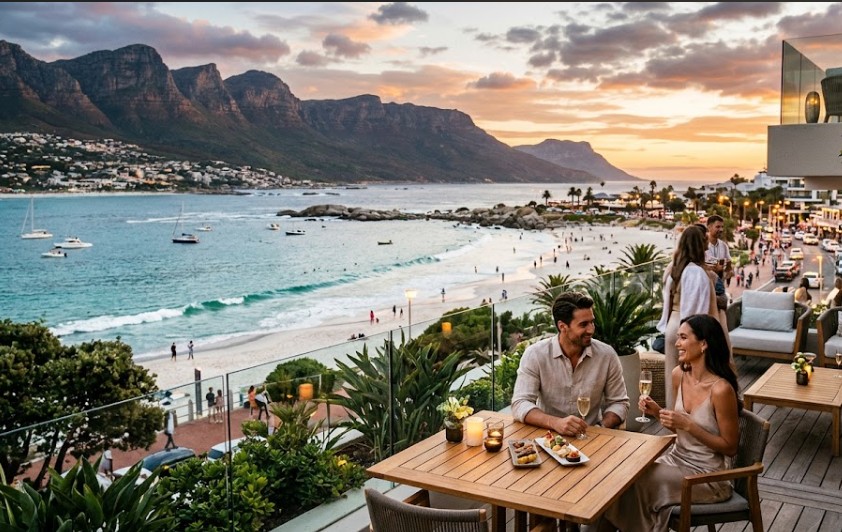 Image generated with Ai
As global travel rebounds with unprecedented vigour, South Africa tourism growth is reaching extraordinary new milestones, capturing the world’s attention alongside legendary East African wildlife hubs. Propelled by millions of high-spending visitors extending their itineraries, the country’s premier destinations—led by the vibrant metropolitan and coastal charms of Cape Town—are experiencing a massive surge in luxury travel and overnight stays. This economic momentum highlights a transformative era for African tourism, cementing public-private partnerships as vital catalysts for sustainable national prosperity, job creation, and world-class visitor experiences.
Background of South African Tourism Recovery
Following years of post-pandemic structural shifts, the Republic of South Africa has systematically rebuilt its international footprint through targeted marketing, streamlined visa regulations, and robust aviation partnerships. Official metrics released by Statistics South Africa (Stats SA) and the Department of Tourism outline a structural resurgence across multiple inbound corridors.
Advertisement
Advertisement
While traditional source markets across Europe and North America continue to deliver strong numbers, regional traffic from Southern African Development Community (SADC) nations forms the foundational backbone of overnight volume. Concurrently, strategic outreach across the African continent—including notable surges in arrivals from neighbouring nations like Kenya—has diversified the visitor demographic, creating a resilient, year-round hospitality ecosystem.
Latest Official Developments and Arrivals Statistics
Official data published by the Department of Tourism and international bodies such as UN Tourism indicate that South Africa welcomed nearly 7.5 million international tourists in the first eight months of the year, tracking well ahead of preceding recovery benchmarks.
Advertisement
Advertisement
- Total Inbound Volume: Surpassing 7.5 million arrivals by August, the country is well on its way to challenging historic high-water marks.
- Monthly Milestones: Single-month counts, such as July’s near-million arrivals ($991,696$ overnight international tourists), reflect a $12.5\%$ year-on-year increase for peak periods.
- Regional Dominance: Visitors originating from SADC member states account for roughly four out of every five arrivals, driving consistent baseline occupancy for hotels, transport networks, and regional game reserves.
- Global Standing: According to UN Tourism evaluations, South Africa registered a $12\%$ increase in international arrivals during the initial half of the year, placing it firmly among the top 20 best-performing tourism destinations globally.
Government Announcements and Policy Initiatives
The Ministry of Tourism, under the leadership of Minister Patricia de Lille, has intensified efforts to merge public policy with robust commercial execution. The core framework governing this strategy is the Tourism Growth Partnership Plan, an institutional mechanism designed to streamline investments and eliminate bureaucratic friction for international visitors and domestic developers alike.
Furthermore, the South African Tourism Infrastructure Investment Summit has successfully spotlighted over R5 billion in investable opportunities. These initiatives aim to expand infrastructure beyond traditional urban hubs, ensuring that economic benefits permeate rural circuits, provincial game reserves, and secondary coastal nodes.
Advertisement
Advertisement
Economic Implications and WTTC Recognition
The explosive rise in South Africa tourism growth carries profound macroeconomic significance. The World Travel & Tourism Council (WTTC) recently underscored the nation’s stellar trajectory, awarding global recognition to its collaborative governance model.
According to WTTC economic projections:
- The travel and tourism sector is positioned to contribute hundreds of billions of rands directly to the national gross domestic product.
- Long-term forecasts suggest the industry could support over 620,000 additional jobs by 2035, elevating the sector’s total economic contribution toward R911.7 billion.
- High-yield travellers—specifically those engaging in luxury multi-centre itineraries combining Cape Town stays with private game lodges—generate exponential multiplier effects across retail, gastronomy, and boutique transport services.
Cape Town and Western Cape Tourism Dynamics: The Luxury Surge
Nowhere is this economic and volume expansion more visible than in the Western Cape. Wesgro, the official tourism, trade, and investment promotion agency for Cape Town and the Western Cape, reports phenomenal traction in high-end leisure segments, luxury rail journeys, and marine tourism.
Superyachts and Cruise Tourism Expansion
Cape Town’s harbour has evolved into a premier global hub for superyachts and international cruise liners. Cruise Cape Town—a collaborative venture uniting Wesgro, the City of Cape Town, Transnet National Ports Authority, the V&A Waterfront, and luxury hospitality groups such as KASADA Asset Management (operators of the Cape Grace and Pullman Cape Town hotels)—has unlocked substantial maritime revenue.
Rail and Land-Based Luxury Partnerships
To seamlessly connect maritime arrivals with land-based wonders, Cruise Cape Town formalized a strategic partnership with legendary luxury rail operator Rovos Rail. This alliance bridges coastal cruising with ultra-luxury inland excursions, encouraging high-net-worth travellers to extend their overnight stays across South Africa’s premier wine estates, mountain passes, and safari concessions.
Comparative Analysis: South Africa and Kenya on the Global Stage
When evaluating African tourism excellence, industry analysts frequently examine the complementary dynamics between South Africa and Kenya. While Kenya remains celebrated globally for its low-density, wildlife-centric safari model—exemplified by the Maasai Mara and community conservancies—South Africa offers a uniquely diversified value proposition.
Advertisement
Advertisement
| Feature / Metric | South Africa | Kenya |
| Primary Inbound Appeal | Blended offering: Urban sophistication, coastal drives, culinary scenes, wine routes, and premier safari reserves | Wildlife-focused: Iconic savannah safaris, great migration spectacles, and intimate tented camps |
| Total Arrival Scale | Higher absolute volume of international arrivals, spanning business, leisure, and regional travel | Highly concentrated international segment focused heavily on nature and wildlife conservation tourism |
| Infrastructure & Connectivity | Extensive direct long-haul aviation links into Johannesburg (JNB) and Cape Town (CPT); sophisticated ground infrastructure | Specialized regional aviation network; celebrated community-owned conservancy frameworks |
Rather than direct competition, both nations represent the pinnacle of African travel, inspiring collaborative regional itineraries that attract discerning global explorers seeking multi-faceted cultural and natural adventures.
Future Outlook and Strategic Objectives
Looking ahead, South Africa’s tourism leadership is committed to sustainable expansion, digital transformation, and market diversification. While core source markets in Europe and North America remain vital, heightened promotional focus across emerging markets aims to smooth seasonal fluctuations. By prioritizing green-certified lodge operations, community-led conservation partnerships, and enhanced air connectivity, South Africa is safeguarding its competitive edge. As overnight stays multiply across Cape Town and beyond, the nation stands as a shining blueprint for resilient, inclusive, and high-value tourism development.
Advertisement
