
UK Tourism Landmark is Now Set to Shine as Australian Gold Gives Cathedral Restoration in London a New Chapter

Published
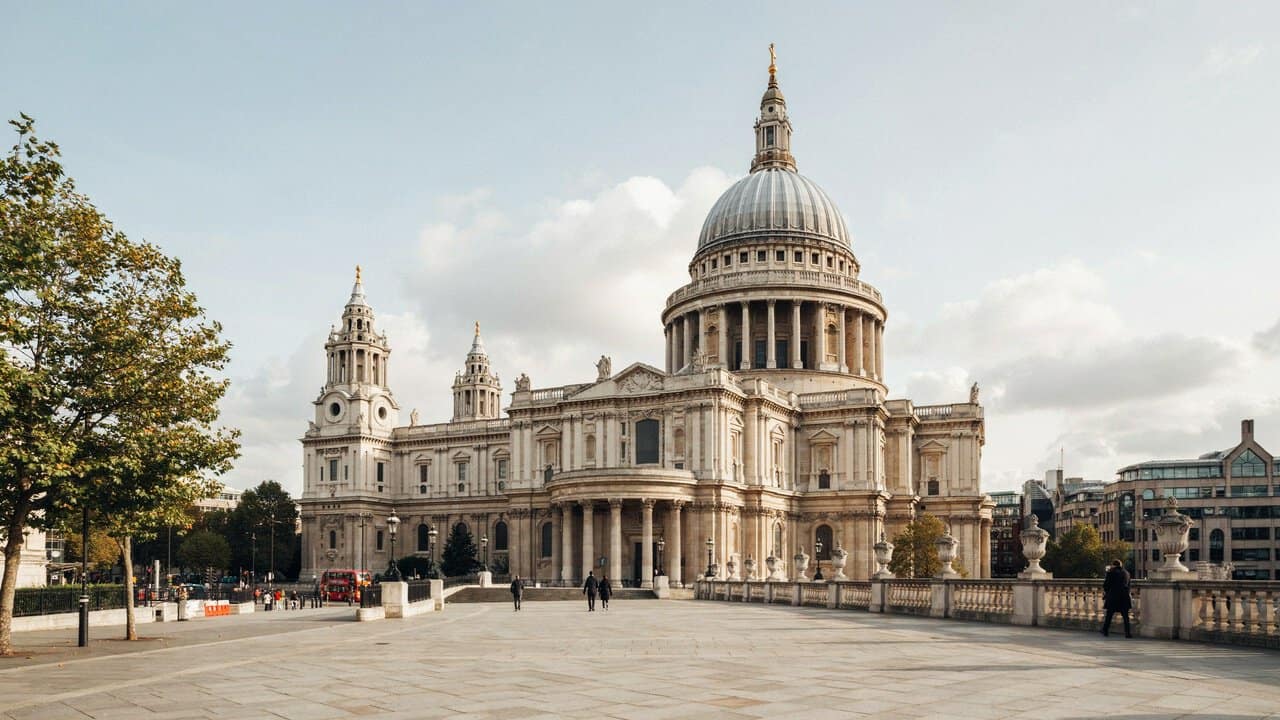
Australian gold has been selected to renew the gilding on St Paul’s Cathedral’s ball, cross and Golden Gallery. An official supplier announcement dated 30 September 2026 confirms the selection, following a specialist inspection of the Western Australian mine. The Cathedral Restoration project concerns the conservation of a London landmark visited by sightseers and worshippers. The announcement sets no completion date or visitor closure schedule, so travellers should continue checking the cathedral’s published visiting arrangements.
What Cathedral Restoration in London will cover
The confirmed development is the selection of gold for regilding, which means renewing a surface’s gold covering. It is a specific conservation undertaking involving prominent architectural features, rather than a reconstruction of the whole cathedral. The following breakdown separates the principal news from its environmental background and practical travel relevance. These percentages are an editorial assessment of the story’s focus, totalling 100%; they are not official measurements of spending, visitor demand or construction progress.
| News Component | Share of Story | Officially Verified Finding | Relevance to Travellers | Official Source |
|---|---|---|---|---|
| Heritage conservation | 60% | Gold selected for the ball, cross and Golden Gallery | Conservation of an established visitor attraction | Supplier filing |
| Materials and energy | 25% | Supplier reports 83.5% renewable power at its mine in FY26 | Explains material sourcing; no cathedral energy conversion announced | Supplier filing |
| Visitor arrangements | 15% | Sightseeing remains ticketed; opening times can vary | Check arrangements for the intended visit date | Cathedral guidance |
For cultural visitors, Cathedral Restoration in London matters because it concerns the appearance and care of a protected religious landmark. The national heritage register identifies the building as Grade I listed, with construction dating from 1675 to 1710. That designation provides historical context, although it does not establish this project’s schedule. The evidence confirms a materials decision, while leaving the practical programme unresolved. It does not establish changes to airline services, accommodation prices or international entry rules.
How the selection developed
The supplier’s announcement places the relevant mine inspection in March 2026, when specialists assessed the proposed source of gold. Its sustainability report followed on 22 September, before the specific cathedral supply announcement on 30 September. These are distinct milestones: the inspection informed selection, while the later filing publicly identified the intended use. The announcement date therefore precedes this article’s verification date and should not be confused with a construction start or completion date.
Advertisement
Advertisement
According to the same filing, the Golden Gallery was last gilded in 1863. That historical reference applies specifically to the gallery; it does not date every element included in the present conservation project. The filing also links assistance for the work to a historic goldsmiths institution’s 700th anniversary in 2027. However, it does not specify a completion deadline. The documented sequence ends with supplier selection and an announced intention to provide the gold, rather than confirmation that regilding has finished.
Why traceable gold matters
The supplier identifies sustainability and traceability as the principal reasons for its selection. Traceability means being able to follow the gold from its originating mine through processing to the finished material. The announcement describes a segregated supply chain intended to preserve that origin. This is the strongest officially stated explanation for the choice. The international connection is therefore a materials supply relationship between Western Australia and the UK, without any accompanying announcement of new tourism routes or border arrangements.
Advertisement
Advertisement
The environmental claim also needs careful limits. The reported renewable share concerns power at the Australian mine, not electricity consumed inside St Paul’s. The supplier’s net-zero claim covers its direct operational emissions and purchased energy, with remaining emissions offset through carbon credits. Those boundaries do not establish the emissions of every stage of refining, transport or conservation. For heritage tourism, the useful distinction is between information about a material’s production and an independently demonstrated environmental result for the entire restoration project.
The numbers behind Cathedral Restoration
The filing reports that renewable energy supplied 83.5% of the mine’s power during financial year 2026. It also expects the regilding to require more than 50 ounces of gold, while explicitly leaving the final quantity undetermined. One number describes reported operational performance; the other is a project estimate. Neither measures visitor benefits or spending in London. The announcement supplies no confirmed project budget, tourism revenue forecast or increase in visitor capacity against which to assess an economic return.
Advertisement
Advertisement
Broader tourism data provide context, with clear limits. The national attractions survey reported 1.4% more visits across participating English attractions in 2024 than in 2023, while visits remained 27% below 2019. Published on 18 June 2025, these figures describe an earlier reporting period and are not cathedral-specific. The survey relies on participating attractions’ submissions, with basic checks, so its results should not become precise projections for individual sites. They cannot demonstrate an effect from an announcement made in September 2026. The analytical implication is modest: conservation concerns the assets visitors come to see, but this evidence does not establish additional bookings, employment or spending resulting from the gold selection.
Planning a visit during Cathedral Restoration in London
Sightseers should use current cathedral guidance when arranging their day. The published information distinguishes paid sightseeing from free worship and warns that opening times can change. Nothing in the supply announcement requires visitors to cancel an existing trip. International visitors should separately check the government’s visa and electronic travel authorisation requirements, which depend on nationality and circumstances; the restoration announcement introduces no immigration measure.
- Check the cathedral calendar for the intended date before booking sightseeing.
- Current sightseeing prices are £27 per adult and £10.50 per child; review concession eligibility before purchase.
- Sightseeing normally opens at 8.30am, Monday to Saturday; last entry is usually 4pm.
- Keep bags within 45 × 30 × 25 centimetres, including handles, wheels and pockets; no cloakroom is available.
- Use the official journey planner’s accessibility options when selecting public transport to the cathedral.
These checks address existing visiting conditions, rather than a newly announced disruption. Travellers needing step-free transport can select that requirement in the journey planner, but should assess cathedral access separately. Monitoring the visitor calendar is more useful than assuming supplier selection determines which spaces will be available on a particular day.
What travellers should watch next
The announced next step is supplying the selected gold for the conservation work. For Cathedral Restoration in London, the remaining practical questions concern the final quantity, delivery, work schedule and any arrangements affecting visitors. The reviewed announcement supplies no dates for those stages. Its reference to a 2027 anniversary should therefore remain an anniversary reference, rather than becoming an assumed reopening deadline. Further operational details would need confirmation through official project or cathedral information before travellers could rely on them.
Cathedral Restoration at St Paul’s now has a confirmed gold sourcing announcement, connecting a London heritage landmark with Western Australian production. The planned work covers specific gilded features, while the final gold quantity and delivery timetable remain unresolved. Environmental figures describe the mine’s operations and should not become claims about the whole cathedral. For visitors, the immediate task is straightforward: check current admission arrangements, accessibility information and the daily calendar. The announcement offers no evidence of changed entry requirements or wider tourism demand. Follow official updates for confirmed work dates and any changes affecting access to this important religious landmark.
Advertisement
