

Anantara Retreat Rabat to Bring Luxury Villas, Moroccan Heritage and Wellness to Morocco by 2030

Published
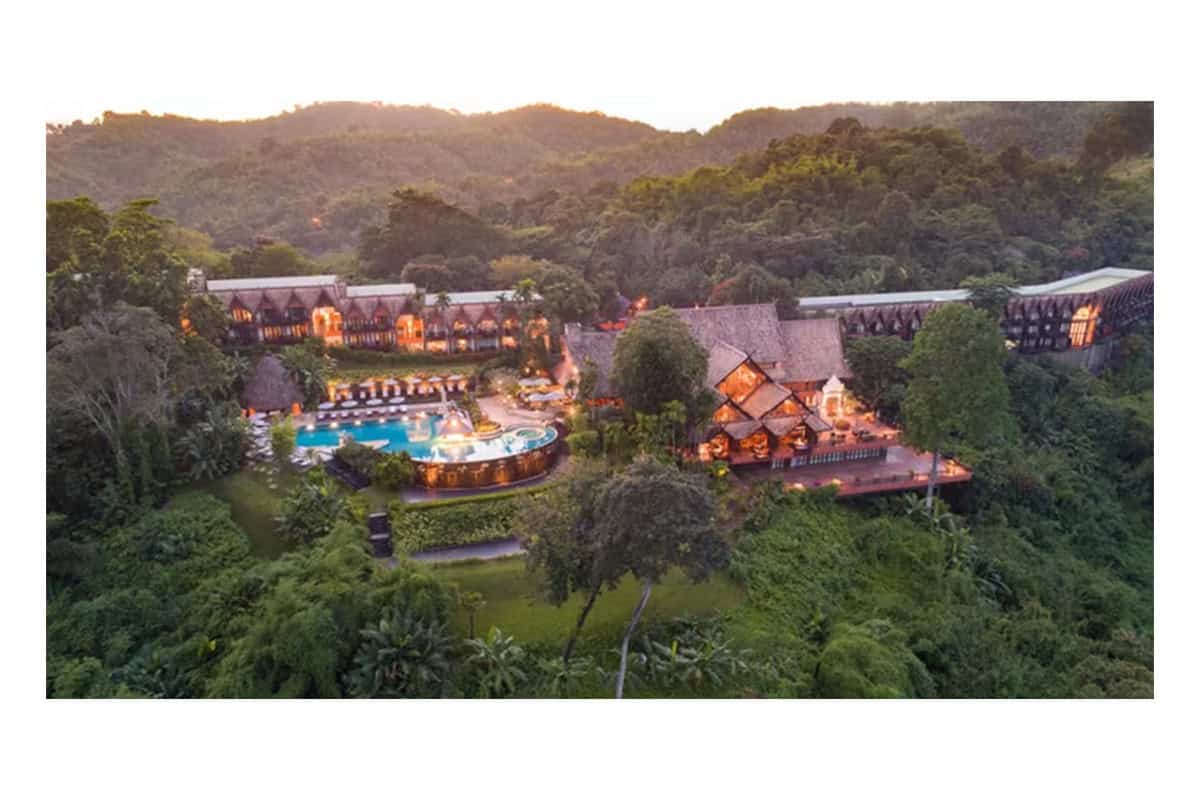
Morocco’s capital, Rabat, is set to welcome Anantara Retreat Rabat in early 2030, marking Minor Hotels’ first property in the country. Announced on 12 October 2026, the 38-key luxury retreat will bring the group’s Anantara brand to Morocco through a partnership with Abu Dhabi-based real estate developer Bloom Holding.
Why Is Minor Hotels Entering Morocco?
The signing marks a new step in Minor Hotels’ expansion across the Middle East and Africa. The group plans to introduce Anantara, its luxury hospitality brand, to a market known for its cultural heritage, architecture and growing international tourism appeal.
The project is being developed with Bloom Holding, an Abu Dhabi-based company with interests in residential communities, hotels, education, mixed-use developments and master-planned projects in the UAE and international markets.
For Minor Hotels, Rabat offers an opportunity to establish a presence in Morocco’s luxury hospitality sector while positioning the property around the capital’s cultural identity and diplomatic importance.
Advertisement
Advertisement
William E. Heinecke, chairman and founder of Minor International, the parent company of Minor Hotels, said Morocco represented an exciting new market for the group. He described Rabat as a compelling location for its first hotel in the country and said the partners intended to create an intimate retreat reflecting the character of the city.
What Will Anantara Retreat Rabat Offer Guests?
Planned for Rabat’s diplomatic district, approximately 20 minutes from the city centre, Anantara Retreat Rabat will combine traditional Moroccan architecture with contemporary design.
Advertisement
Advertisement
The property will feature 38 accommodation units, including luxury rooms, suites and seven three-bedroom villas. The mix is intended to appeal to diplomatic visitors, business travellers and affluent leisure guests seeking privacy and personalised hospitality.
Facilities are expected to include a signature restaurant, a Moroccan tea lounge, a swimming pool, meeting rooms, an Anantara Spa and fitness facilities. The combination of wellness, dining and meeting spaces is designed to serve both leisure visitors and guests travelling for professional or diplomatic purposes.
Advertisement
Advertisement
The planned scale of the retreat distinguishes it as an intimate luxury property rather than a large hotel complex. Its architecture and hospitality offering are expected to draw on Moroccan traditions while incorporating the contemporary standards associated with the Anantara brand.
Why Is Rabat an Attractive Location for Luxury Tourism?
Rabat combines historic landmarks and cultural institutions with a coastal setting between the Atlantic Ocean and the Bou Regreg River. Its heritage and growing cultural profile provide a foundation for tourism beyond Morocco’s better-known visitor destinations.
Minor Hotels has highlighted the city’s designation as UNESCO World Book Capital for 2026 as one factor strengthening its cultural appeal. The designation provides an additional platform for literary events, cultural activities and international visibility.
The capital’s diplomatic district also offers a relevant setting for a property targeting business and official visitors alongside high-end leisure travellers. Its position on Morocco’s Atlantic coast adds another dimension to its potential appeal.
Advertisement
Advertisement
The retreat’s proposed mix of villas, wellness facilities and Moroccan-inspired design could help attract travellers looking for a quieter, more private alternative to larger urban hotels.
How Is Morocco’s Tourism Market Supporting Hotel Investment?
Minor Hotels cited a 7% increase in international tourist arrivals to Morocco during the first five months of 2026. The group also pointed to additional international air routes that are improving access to Rabat.
Improved air connectivity can support hotel demand by giving international visitors more options for reaching destinations and planning their trips. For luxury hotels, access is particularly important when attracting travellers from overseas markets and supporting longer stays.
The reported growth in arrivals provides context for the planned development, although future demand will depend on factors including airline capacity, visitor spending, destination marketing and the wider economic environment.
Anantara Retreat Rabat is expected to enter the market in early 2030, leaving several years for the project to progress before opening. Its eventual performance will depend on the completed facilities, service offering and the evolution of Rabat’s tourism market.
What Does the Signing Mean for Minor Hotels’ Regional Expansion?
The Morocco project adds another destination to Minor Hotels’ wider expansion across the Middle East and Africa. Establishing its first property in the country gives the group an opportunity to introduce Anantara to a new market and build relationships with local and regional partners.
Advertisement
Advertisement
The development also reflects the role of partnerships between international hotel operators and real estate companies in bringing luxury hospitality projects to new destinations. Bloom Holding’s involvement connects the hotel project with a developer whose portfolio spans several property sectors.
For Rabat, the planned retreat could broaden the city’s high-end accommodation offering and provide another option for international leisure, business and diplomatic visitors. The project’s success will depend on delivering a distinctive experience rooted in the city’s character while meeting the expectations of luxury travellers.
Anantara Retreat Rabat is scheduled to open in early 2030 as Minor Hotels’ first property in Morocco, bringing 38 luxury rooms, suites and villas to the capital’s diplomatic district. Developed with Bloom Holding, the retreat will combine Moroccan design, dining and wellness facilities as the group expands across the Middle East and Africa.
Advertisement
