
Romania Aligns With Spain And More 42 Countries Across Europe As US Targets Birth Tourism With Stronger Visa Reviews And Border Actions

Published
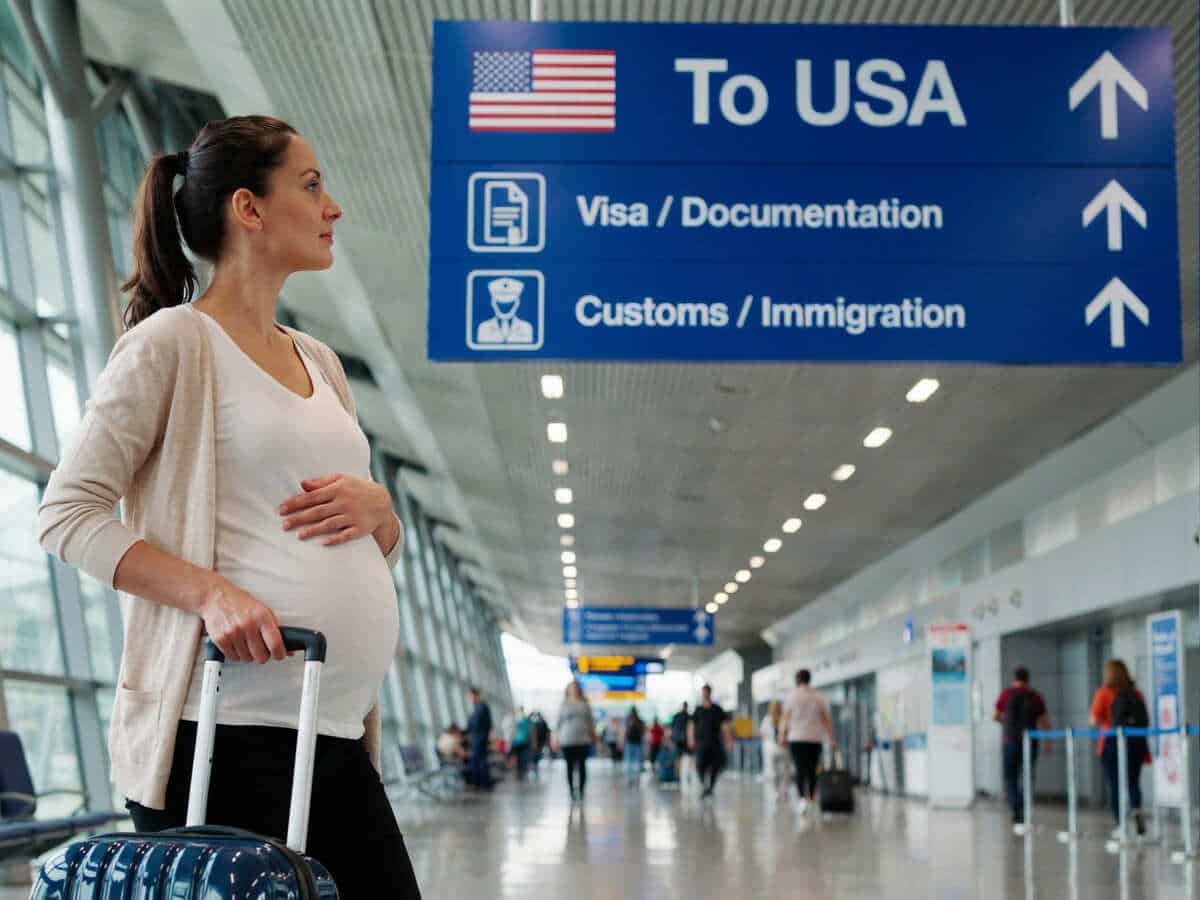
Birth tourism scrutiny is toughened in the US as Romania, Spain and Europe are subject to more stringent visa screening procedures. The United States has increased scrutiny on the birth tourism issue, paying closer attention to visitor visa applications, border interviews, and possible instances of immigration fraud. This issue is not targeted at any specific nationalities in Europe. The aim is to detect a scenario in which a person enters the United States with the primary objective of giving birth.
Across Europe, countries including Romania, Spain, Germany, France, Italy, Poland and others are watching the changes closely because millions of European travellers maintain strong tourism, family and business connections with the United States.
Advertisement
Advertisement
The latest measures have increased discussions among European travellers about visa preparation, travel documentation and border procedures.
The US position is that ordinary tourism and legitimate medical travel remain permitted. However, travelling on a visitor visa primarily to give birth in the US is not considered an acceptable purpose under visitor visa rules.
Advertisement
Advertisement
How The US Is Tightening Birth Tourism Controls In 2026
The US approach combines several measures:
| Area | New Focus |
|---|---|
| Visitor visa reviews | More detailed assessment of travel purpose |
| Visa interviews | Greater questioning about pregnancy-related travel plans |
| Border checks | Increased examination of traveller intentions |
| Investigations | Focus on alleged birth tourism networks |
| Fraud enforcement | Action against false statements and misleading applications |
| Documentation | Stronger evidence requirements for medical and financial arrangements |
The US State Department has maintained that visitor visas cannot be used when the primary purpose is travelling to America to give birth to obtain citizenship for a child.
Advertisement
Advertisement
In 2026, enforcement attention has expanded beyond individual visa applications. Authorities have also focused on organisations and networks accused of helping foreign nationals arrange birth tourism journeys or misrepresent travel intentions.
Romania And Spain Lead Europe’s Attention As US Border Rules Become Stricter
Romania and Spain represent two important European angles in the changing travel environment.
Advertisement
Advertisement
Romania
Romanian travellers maintain strong connections with the United States through tourism, family migration and business travel.
Potentially affected travellers include:
- Expectant parents planning extended US stays
- Visitors travelling to relatives in America
- Applicants whose travel purpose requires additional explanation
Romanian travellers applying for US visitor visas may need to provide clearer evidence about:
- Reason for travel
- Duration of stay
- Financial capacity
- Return plans
The focus remains individual assessment rather than nationality-based restrictions.
Advertisement
Advertisement
Spain
Spain is one of Europe’s major outbound travel markets, with strong aviation links to the United States.
Spanish travellers may experience increased attention if:
- Pregnancy is visible during the visa process
- The planned stay is unusually long
- Medical arrangements appear connected to childbirth
However, pregnancy itself does not automatically prevent travel. US authorities have stated that travellers with legitimate purposes can still apply for visitor visas.
European Countries Connected To The Changing US Birth Tourism Checks
The issue has attracted attention across Europe because of large travel flows between European nations and the United States.
| Country | Connection With US Travel | Possible Travel Impact |
|---|---|---|
| Romania | Family migration links and US travel demand | More questions about travel purpose in individual cases |
| Spain | Large tourism market and transatlantic routes | Stronger documentation may be required |
| United Kingdom | One of Europe’s biggest US travel markets | Greater awareness among pregnant travellers |
| Germany | Major business and tourism connection | Possible additional border questions |
| France | High-volume US visitor market | More attention to medical-related travel |
| Italy | Historic migration links with America | Clearer travel explanations may be needed |
| Poland | Large US diaspora connections | Family travel cases may receive closer review |
| Hungary | Long-standing US community links | Documentation may become more important |
| Bulgaria | Growing international travel movement | Visa interviews may require detailed answers |
United Kingdom Faces Attention Due To Strong US Travel Links
The United Kingdom remains one of the closest European travel partners of the United States.
Millions of journeys take place between both countries every year for:
Advertisement
Advertisement
- Holidays
- Family visits
- Business
- Education
Because of this high travel volume, UK travellers planning US visits during pregnancy may pay closer attention to visa requirements.
The key questions for applicants remain:
- Why are they travelling?
- How long will they stay?
- Can they support themselves financially?
- Do they have plans to return?
Germany And France See Greater Focus On Documentation
Germany and France are among Europe’s strongest travel markets for the US.
German and French travellers often benefit from established travel connections. However, border officials still have authority to question visitors entering the country.
Travellers may need to show:
- Hotel or accommodation details
- Financial resources
- Return tickets
- Medical documents if travelling for healthcare reasons
For medical treatment travel, US officials may request evidence of treatment arrangements and proof that expenses can be covered.
Advertisement
Advertisement
Italy Poland And Hungary Face Impact Through Family Travel Links
Italy, Poland and Hungary have large communities with historical connections to the United States.
Many travellers visit America for:
- Family reunions
- Long holidays
- Cultural connections
These groups are not automatically targeted. However, applications involving suspected birth tourism may receive additional examination.
Officials are focused on whether information provided during visa applications matches the traveller’s actual purpose.
Romania And Bulgaria Stand Out In Visa Application Discussions
Romania and Bulgaria are important European examples because traditional visa processes remain relevant for many travellers.
Compared with countries participating in the US Visa Waiver Programme, applicants from these countries may have more direct interaction with US consular officers.
Advertisement
Advertisement
This means:
- Interviews become important
- Travel explanations must be clear
- Supporting documents may play a stronger role
Why The US Is Increasing Enforcement Against Birth Tourism Networks
US authorities have argued that organised birth tourism operations encourage people to misuse visitor visas.
Investigations have focused on alleged networks that provide:
- Travel arrangements
- Accommodation
- Medical coordination
- Advice on visa applications
The US Immigration and Customs Enforcement (ICE) launched efforts targeting suspected birth tourism schemes involving allegations that some applicants misrepresented their intentions.
Authorities have also highlighted possible fraud-related offences when false information is used to obtain visa
How European Travellers Are Being Affected
The biggest impact is increased preparation.
Advertisement
Advertisement
Travellers may face:
More Detailed Visa Interviews
Applicants may receive questions about:
- Purpose of travel
- Planned activities
- Length of stay
- Financial arrangements
Stronger Border Questions
Even with an approved visa, entry decisions are made by US border officials.
Travellers may be asked to explain:
- Why they are visiting
- Where they will stay
- Their return plans
Greater Need For Accurate Information
Providing incorrect information can create serious immigration problems.
The US has repeatedly stated that visa applications must contain truthful information.
Advertisement
Advertisement
What Travellers Should Prepare Before A US Visit
European travellers planning a US visit should consider carrying:
| Document | Purpose |
|---|---|
| Passport and visa documents | Confirm travel eligibility |
| Return flight details | Show temporary travel plans |
| Employment records | Demonstrate home-country ties |
| Bank statements | Show financial ability |
| Accommodation details | Explain stay arrangements |
| Medical documents | Support genuine medical travel |
Birth Tourism Rules Do Not Mean A Ban On Pregnant Travellers
A major point for travellers is that the US has not introduced a general ban on pregnant visitors.
The difference is between:
Permitted travel:
- Tourism
- Family visits
- Legitimate medical treatment
Targeted travel:
- Entering mainly to give birth and obtain citizenship benefits
- Misrepresenting travel intentions
The US Customs and Border Protection agency has stated that pregnancy alone does not automatically prevent entry, but officers assess each case individually.
Advertisement
Advertisement
Europe Watches A New Era Of US Travel Screening
Romania, Spain and other European countries are not facing country-specific restrictions. Instead, travellers across Europe are entering a period where the United States is applying stronger scrutiny to cases involving suspected birth tourism.
The biggest change is the shift from simple visa processing towards deeper checks on travel purpose, documentation and border explanations.
US heightens scrutiny of birth tourism as Romania Spain and 42 European countries face tougher checks for visitors with visas and those crossing borders.
For millions of genuine European visitors, tourism as usual will continue. But those with itineraries that include pregnancy-related visits should be prepared for a closer look as the US continues to enhance its birth tourism enforcement system.
Advertisement
