
SriLankan Airlines Travel Update Marks Strategic Comeback Of Kuwait Service Via Colombo Hub Reinforcing South India Gateway For Middle East Aviation Connectivity

Published
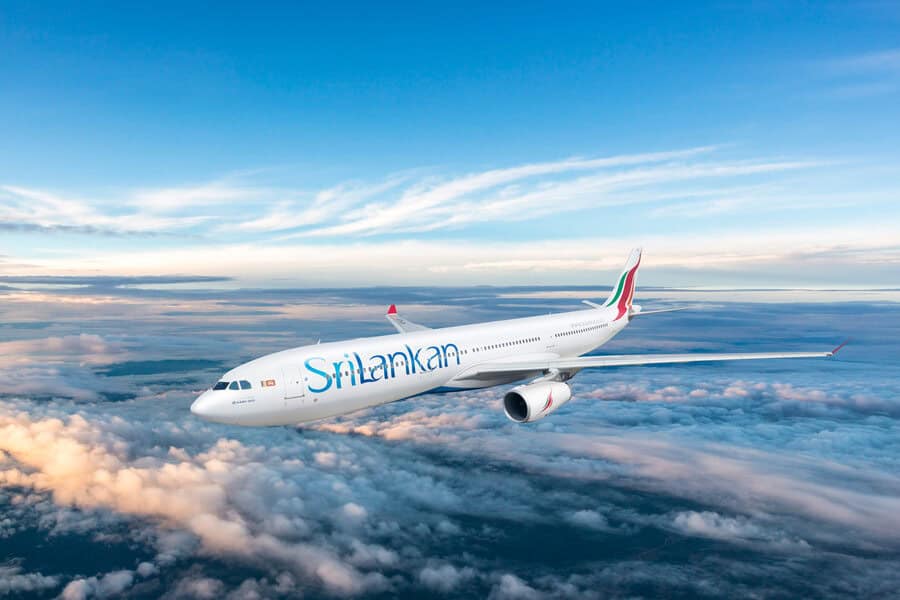
Image generated with Ai
SriLankan Airlines Travel Network Strengthening Restores Kuwait Operations via Sri Lanka Colombo Hub enhancing seamless Trichy connectivity to the Gulf region because the airline is reinstating its Colombo–Kuwait service from July 2, 2026, restoring a key Middle East corridor that enables efficient one-stop travel for passengers from South India via Colombo. This resumption reinforces Colombo’s role as a strategic transit hub while improving connectivity between Sri Lanka, Kuwait, and major feeder markets such as Trichy, supporting both labour and leisure-driven passenger demand across the Gulf route network.
SriLankan Airlines is restoring its Kuwait service from July 2, 2026, marking a significant rebound in its Middle East operations and reinforcing Colombo’s position as a strategic transit hub. The resumption strengthens travel connectivity between Sri Lanka and Kuwait, while also reopening an essential one-stop routing option for passengers travelling from South India, particularly Trichy, via Colombo.
Advertisement
Advertisement
This reinstatement is not a standalone operational update. It represents a broader network stabilisation effort by SriLankan Airlines to rebuild Gulf connectivity where demand remains structurally strong. The Colombo hub once again becomes the central interchange point linking South Asia with the Middle East, restoring an important travel bridge for labour mobility, family travel, and business movement.
Trichy–Colombo–Kuwait Route Structure Reinforces One-Stop Travel Efficiency
The operational model remains consistent with SriLankan Airlines’ established transit framework. Passengers from Tiruchirappalli (Trichy) are routed through Colombo (Bandaranaike International Airport) before continuing onward to Kuwait International Airport.
Advertisement
Advertisement
The structure is designed as a seamless connection system:
Advertisement
Advertisement
- Trichy to Colombo: short feeder flight segment of around one hour
- Colombo to Kuwait: long-haul Middle East sector operated under SriLankan Airlines’ international network
- Return routing follows the same transit sequence in reverse
This hub-and-spoke configuration is central to SriLankan Airlines’ strategy, allowing secondary Indian cities like Trichy to access Gulf destinations without requiring direct international long-haul departures from local airports.
The reinstated Kuwait link restores continuity in this model, particularly for passengers who rely on predictable and single-connection itineraries.
Kuwait Service Resumption Strengthens Gulf Demand Recovery
The reactivation of Kuwait operations reflects sustained demand across the South Asia–Middle East corridor. Kuwait continues to serve as a major destination for expatriate workers, family reunification travel, and regional trade movement.
Advertisement
Advertisement
SriLankan Airlines’ decision to reinstate this service aligns with stable passenger demand patterns across Gulf routes, where travel flows remain consistently high despite earlier network disruptions. The Kuwait sector is particularly important due to its strong ties with Tamil Nadu-origin traffic, including Trichy and surrounding regions.
This reinstatement ensures that SriLankan Airlines regains presence in a high-yield corridor that contributes significantly to its Middle East portfolio performance.
Advertisement
Advertisement
Colombo International Hub Plays Central Role in Gulf Connectivity Strategy
Colombo’s Bandaranaike International Airport remains the backbone of SriLankan Airlines’ international network. The hub connects more than one hundred destinations across Asia, the Middle East, and beyond, positioning it as a key interchange point for regional travel.
In the context of Kuwait operations, Colombo functions as a timed transfer hub, allowing passengers to connect efficiently without extended layovers. This enhances travel reliability and reduces dependency on congested metropolitan hubs in India or the Gulf region.
For South Indian passengers, particularly from Trichy, Colombo provides a practical alternative gateway that improves access to Middle East destinations while maintaining a full-service airline experience.
Trichy Gains Strategic Importance as South India Feeder Gateway
Tiruchirappalli continues to hold growing importance in SriLankan Airlines’ India network. While not a major metro hub, its strategic positioning in Tamil Nadu makes it a valuable feeder point for international transit traffic.
The Trichy–Colombo sector enables:
Advertisement
Advertisement
- Direct access to SriLankan Airlines’ global network via Colombo
- Competitive routing for Gulf-bound passengers
- Reduced travel time compared to multi-stop itineraries via larger Indian hubs
The restoration of Kuwait connectivity enhances Trichy’s role as a regional international access point, particularly for passengers seeking cost-efficient and predictable Gulf travel options.
Passenger Experience Enhanced Through Full-Service Transit Model
SriLankan Airlines maintains a full-service travel framework across this reinstated route. Passengers benefit from integrated journey management and coordinated transit handling at Colombo hub.
Key service features include:
- Single-ticket booking from origin to destination
- Through-checked baggage from Trichy to Kuwait
- Coordinated transit connections in Colombo
- Onboard meal service across all international sectors
- Standard economy and business class cabin offerings
The airline’s transit system is designed to minimise connection complexity while ensuring consistency across all segments of the journey. This is particularly relevant for Gulf-bound passengers who prioritise reliability and seamless baggage transfer.
Operational Continuity Restores Stability in Middle East Network
The Kuwait service resumption also reflects broader efforts by SriLankan Airlines to stabilise its Middle East operations. The airline has been gradually restoring and optimising routes across key Gulf destinations in response to evolving demand and operational recovery patterns.
Advertisement
Advertisement
By reinstating Kuwait, SriLankan Airlines strengthens its regional presence and ensures continuity in one of its most commercially important international markets. The move also supports network balance between Asia and the Middle East, reinforcing Colombo’s role as a strategic aviation connector.
This restoration contributes to improved schedule reliability and strengthens airline competitiveness in the South Asia–Gulf aviation corridor.
Strong Labour and VFR Demand Drives Route Viability
The Kuwait corridor is primarily supported by three major passenger segments:
Labour mobility traffic
A significant proportion of passengers travel for employment purposes, particularly from South India to Gulf countries, including Kuwait.
Visiting Friends and Relatives (VFR)
Long-term expatriates frequently travel between Kuwait and their home regions in India and Sri Lanka.
Advertisement
Advertisement
Business and trade travel
Kuwait remains an active commercial hub with steady regional business exchange.
These combined demand segments ensure consistent load factors, making the route a stable component of SriLankan Airlines’ Middle East portfolio.
Colombo Reinforces Its Position as a Regional Transit Anchor
The reinstated Kuwait service reinforces Colombo’s strategic role in regional aviation architecture. As a transit hub, it offers a balance between geographic positioning and network efficiency, connecting South Asia to the Middle East without requiring direct long-haul departures from every secondary city.
This hub strategy enhances airline flexibility, allowing SriLankan Airlines to optimise aircraft utilisation while serving diverse passenger markets across multiple regions.
For travellers, it provides a simplified connection model that reduces routing complexity while maintaining full-service airline standards.
Advertisement
Advertisement
The resumption of SriLankan Airlines’ Kuwait service from July 2 marks a significant restoration of a key Gulf corridor. By reactivating the Colombo–Kuwait route and integrating it with Trichy feeder connectivity, the airline strengthens its South Asia–Middle East travel framework.
This move enhances Colombo’s position as a critical transit hub, restores essential connectivity for Gulf-bound passengers, and reinforces SriLankan Airlines’ long-standing role in linking Sri Lanka and India with Kuwait and the wider Middle East.
SriLankan Airlines is restoring its Kuwait service from July 2, 2026 because of renewed Middle East travel demand and the need to strengthen Colombo’s role as a key transit hub linking Sri Lanka and South India with Kuwait through seamless one-stop connectivity via Trichy.
The result is a more stable, connected, and strategically aligned travel network that supports both regional mobility and international passenger demand.
Advertisement
