
Vietnam Works With China And More In Targeting Record Tourists As Winter Cultural Circuits Gain Momentum

Updated
Published
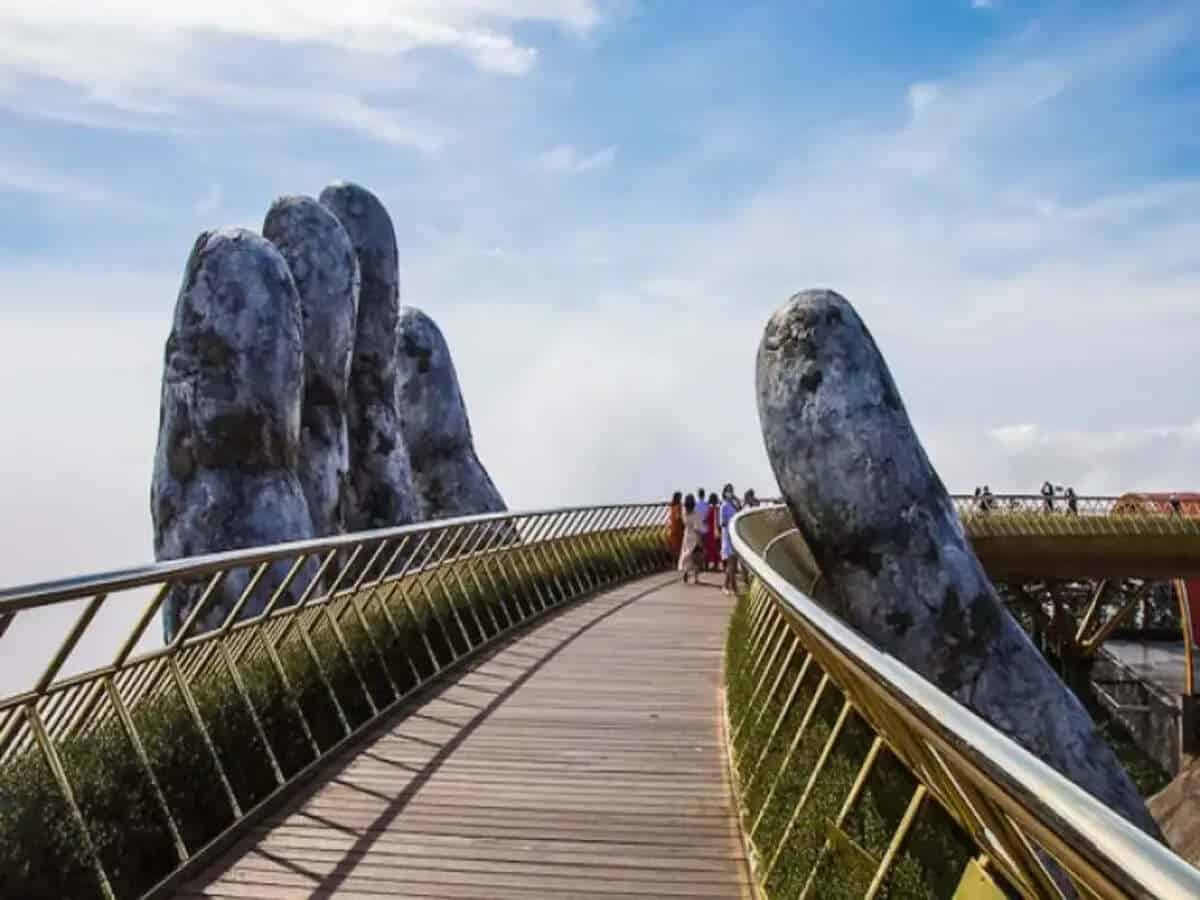
The Vietnamese and their international partners join hands to transform winter into unprecedented cultural tourism success. Traditionally, the coming of the cold weather in the latter part of the year in the Northern Hemisphere used to be seen by the local tourism authorities as downtime—a period of transition between the summer vacation season and the holiday period in the spring. But this has now been totally changed. The subzero temperatures, fog-laden mountain plateaus, and season-specific culture are being harnessed for the economy.
At the forefront of this shift is Vietnam, which is orchestrating cross-border tourism corridors with China and neighboring partners to capture high-value inbound travelers. By anchoring regional travel circuits around highland ethnic festivals, traditional trade routes, and collaborative winter campaigns, global destinations are demonstrating that winter is no longer an off-peak barrier, but an engine of sustainable economic growth.
The Epicenter of the Highland Revival: Bac Ha and Vietnam’s Cultural Strategy
Vietnam’s strategic push begins in its northern borderlands. In Lao Cai province, the historic highland outpost of Bac Ha commune has emerged as a centerpiece of the country’s winter initiatives. From November 14th to 24th, the region hosts a major, expansive Winter Festival across prominent heritage sites, including the Bac Ha Cultural Market, the century-old Hoang A Tuong Mansion, the central stadium, and outlying traditional villages.
Operating under the thematic banner “Colors Converge – Warmth of Great Unity,” the festival is deliberately mapped to synchronize cultural, athletic, and tourism programming with foundational national commemorative milestones:
Advertisement
Advertisement
- National Unity Day (November 18): Celebrating ethnic harmony, inter-community solidarity, and highland heritage preservation.
- Vietnamese Teachers’ Day (November 20): Integrating civic pride and local youth engagements across community programs.
- Vietnamese Culture Day (November 24): Highlighting indigenous customs, folk arts, and intangible living heritage.
The Pulse of the Festival
The celebration commences at 7:30 PM on November 14th at the Bac Ha Night Market, headlined by the live artistic production “Winter Dance – The Rhythm of Great Unity.” This immersive performance brings together performers from the Flower H’mong, Tay, Dao, and Nung communities to showcase centuries of shared highland traditions.
The festival schedule is packed with traditional highland heritage experiences:
Advertisement
Advertisement
- The Living Livestock Markets: On the mornings of November 14th and 21st, the authentic buffalo market gathers traders from remote mountain valleys, offering visitors an unvarnished look at highland bartering traditions.
- The Grand Bac Ha Cultural Market: On the mornings of November 15th and 22nd, the market transforms into an expansive gathering of textile weavers, blacksmiths, herbalists, and food stalls serving warm pots of thang co (traditional horse meat stew) alongside freshly distilled Ban Pho corn wine.
- Traditional Bareback Horse Racing: At the central stadium, local riders race without stirrups or saddles on native mountain ponies—a historical spectacle that draws spectators from across the region.
- Community Sports & Agri-Branding: School volleyball tournaments run alongside official agricultural certification ceremonies. Notably, the festival marks the formal unveiling of the “Bac Ha” Geographical Indication for cinnamon bark and the official certification mark “Bac Ha White Plateau,” ensuring local specialty products gain international visibility and higher export value.
- Scenic Exploration: Visitors can tour the historic Bac Ha Temple, marvel at the French-Asian syncretism of the Hoang A Tuong Mansion, or embark on sunset horseback rides across the ridges of Ngai Thau Hill and the sweeping grasslands of Na Hoi.
Country-by-Country: How Global Powers Are Mobilizing Winter Circuits
Vietnam’s domestic strategy operates within a wider international framework. Bordering China and coordinating with global tourism corridors, destinations worldwide are deploying distinct operational strategies to attract winter travelers.
Cross-Border Winter Tourism Circuits – Global Overview
| Destination | Winter Tourism Focus | Key Attractions and Experiences | Tourism Connectivity |
|---|---|---|---|
| Vietnam | Highland Heritage and Cross-Border Tourism | Mountain landscapes, traditional festivals, ethnic heritage and highland cultural experiences | Cross-border visitor flows and regional tourism circuits |
| China | Large-Scale Ice and Snow Tourism Infrastructure | Ice festivals, snow sculptures, winter resorts and extensive skiing facilities | High-speed rail, domestic transport networks and international tourism links |
| Japan | Winter Artistry, Onsen and Ski Tourism | Snow festivals, traditional hot springs, ski resorts and winter cultural experiences | Rail passes, ski transport services and regional tourism routes |
| South Korea | Interactive River Festivals and Winter Transport | Frozen-river activities, ice fishing festivals, snow experiences and cultural celebrations | Festival shuttle services and integrated regional transport |
| Canada | Sub-Zero Urban Carnivals and Winter Sports | Winter carnivals, ice sculptures, outdoor sporting activities and seasonal city attractions | Urban tourism networks and connections to winter sports destinations |
| Europe | Living Folklore and Traditional Winter Pageantry | Alpine festivities, traditional winter markets, folklore celebrations and seasonal cultural events | Cross-border rail services, regional tourism corridors and multi-country itineraries |
Vietnam: Cross-Border Synergy and Highland Agriculture
- Strategy: Capitalizing on its proximity to China’s Yunnan province, Vietnam pairs overland rail and road crossings with regional mountain circuits. The Northern corridor (Lao Cai, Ha Giang, Son La) links scenic drives, tea hill blooms, and ethnic festivals into multi-day overland tours.
- Economic Mechanism: Community-Based Tourism (CBT) ensures revenue generated at festivals flows directly into ethnic minority homestays, local transport cooperatives, and indigenous craft guilds.
- Target Audience: Cross-border travelers from Southern China, regional ASEAN urbanites seeking cooler climates, and long-haul Western cultural tourists.
China: The Heavyweight “Ice and Snow Economy”
- Strategy: Anchored by the world-renowned Harbin International Ice and Snow Festival in Heilongjiang, China has turned sub-zero temperatures into an economic pillar. Spanning hundreds of thousands of square meters, the festival features colossal ice architecture constructed from blocks harvested directly from the frozen Songhua River, fully illuminated by computer-controlled LED arrays.
- Economic Mechanism: Connecting the festival to high-speed rail lines from Beijing allows China to market integrated “Ski + Culture” packages, blending Olympic-grade ski slopes in Yabuli and Chongli with Harbin’s urban ice spectacles.
- Target Audience: High-spending international winter sports enthusiasts, photography tours, and domestic winter vacationers.
Japan: Sculptural Artistry and Regional Dispersal
- Strategy: Through the Sapporo Snow Festival in Hokkaido, Japan crafts an open-air museum across Odori Park, Susukino, and Tsudome. Massive snow sculptures depicting world heritage monuments and pop-culture icons sit alongside precision ice-carving showcases.
- Economic Mechanism: The Japan National Tourism Organization integrates festival promotions with regional transit passes, incentivizing visitors to disperse beyond Sapporo into regional onsen (hot spring) towns and ski hubs like Niseko, Furano, and Hakuba.
- Target Audience: International skiers, luxury culinary travelers, and family tourists from across Southeast Asia and the Pacific.
South Korea: Rural Transformation Through Interactive Winter Fun
- Strategy: Hosted along a frozen mountain river in Gangwon Province near the DMZ, the Hwacheon Sancheoneo Ice Festival challenges travelers to catch mountain trout through thousands of drilled ice holes or dive bare-handed into icy water.
- Economic Mechanism: The Korea Tourism Organization provides direct multilingual shuttles and ticketing kiosks linking downtown Seoul directly to rural festival grounds. Every ticket includes regional gift certificates that can be redeemed only at local shops and restaurants, ensuring that visitor spending remains within the host community.
- Target Audience: Urban domestic travelers and international families seeking hands-on, accessible winter activities.
Canada: The Art of Embracing the Cold
- Strategy: The historic Quebec Winter Carnival (Carnaval de Québec) and Ottawa’s Winterlude transform extreme Canadian winters into urban celebrations. Anchored by the beloved Bonhomme mascot, night parades, monumental ice palaces, and high-intensity ice canoe races across the St. Lawrence River, Canada celebrates the season as a distinct lifestyle.
- Economic Mechanism: Parks Canada and provincial destination marketing organizations curate the Rideau Canal Skateway into a culinary and artistic corridor lined with outdoor kiosks and ice-carving zones, driving substantial winter restaurant and hotel bookings.
- Target Audience: Cross-border road-trippers from the United States, European cultural explorers, and domestic weekenders.
Italy & Scotland: European Heritage and Fire Pageantry
- Strategy: European winter celebrations balance historic pageantry with mid-winter fire rituals. The Carnival of Venice (Carnevale di Venezia) fills the canals of Italy with masked balls, water parades, and historic theatrical performances. In Scotland’s Shetland Islands, the Up Helly Aa fire festival sees hundreds of costumed “guizers” march through dark streets with flaming torches, culminating in the ceremonial burning of a Viking galley ship.
- Economic Mechanism: Venice monetizes exclusive cultural events during what would otherwise be a quiet winter shoulder season, while the Shetland Islands convert isolated, sub-Arctic winter nights into an internationally recognized heritage spectacle that fills remote accommodations months in advance.
- Target Audience: Cultural purists, historic preservationists, high-yield luxury travelers, and adventure photographers.
Comparative Blueprint: Global Winter Tourism Engines
| Country | Primary Winter Festival / Circuit | Key Focal Attraction | Operational Model & Strategy | Target Economic Impact |
| Vietnam | Bac Ha Winter Festival (Lao Cai) | Bareback horse racing, ethnic markets, cinnamon GI branding | Cross-border packaging, community-based homestays, synchronized national holidays | Direct highland village income, ethnic preservation, export market growth |
| China | Harbin International Ice & Snow Festival | Massive LED-lit ice cities, river ice harvesting | High-speed rail connections, mega-event tourism, integrated ski circuits | Massive regional GDP injection, multi-billion dollar winter spending |
| Japan | Sapporo Snow Festival (Hokkaido) | Giant architectural snow sculptures, ice carving championships | Unified rail passes, pairing ice events with hot springs (onsen) and ski resorts | Regional visitor dispersion outside major metropolises |
| South Korea | Hwacheon Sancheoneo Ice Festival | Ice fishing for trout, bare-handed fishing, sledding | Seoul-to-river shuttle logistics, local currency voucher redemption | Immediate economic revitalisation of isolated rural border counties |
| Canada | Quebec Winter Carnival & Winterlude | Ice canoe races, palace builds, frozen canal ice-skating trails | Urban winter engagement, multi-city cultural corridors | Year-round hotel occupancy, extended urban stays in freezing months |
| Italy | Carnival of Venice (Carnevale) | Masked balls, historic regattas, water parades along the Grand Canal | High-ticket artistic reservations, cultural preservation funding | Luxury heritage tourism during traditionally dead seasonal lulls |
| Scotland | Up Helly Aa (Shetland Islands) | Viking galley burning, torchlit processions, folk music marathons | Island-wide community volunteerism, regulated ticketing access | Year-round international media awareness, peripheral island economy support |
The Strategic Path Ahead
The synchronization of winter festivals reflects a structural evolution in global tourism planning. No longer satisfied with seasonal peaks, forward-thinking nations are building dynamic winter itineraries that celebrate cold climates rather than competing with tropical beach vacations.
Vietnam’s collaboration along northern border corridors, combined with regional celebrations like the Bac Ha Winter Festival, highlights the power of linking local heritage to broader regional transit flows. By pairing cultural preservation with thoughtful infrastructure—such as rural transport shuttles, product origin certifications, and community homestays—these destinations provide a sustainable blueprint for cultural preservation and economic growth. From the high plateaus of Bac Ha to the frozen canals of Ottawa and the glowing ice towers of Harbin, winter has firmly established itself as a vibrant season for global exploration.
Advertisement
