
Singapore Along with Thailand and More See Travel Push as Malaysia Airlines Expands Tourism Role and Calls for Lower Costs

Published
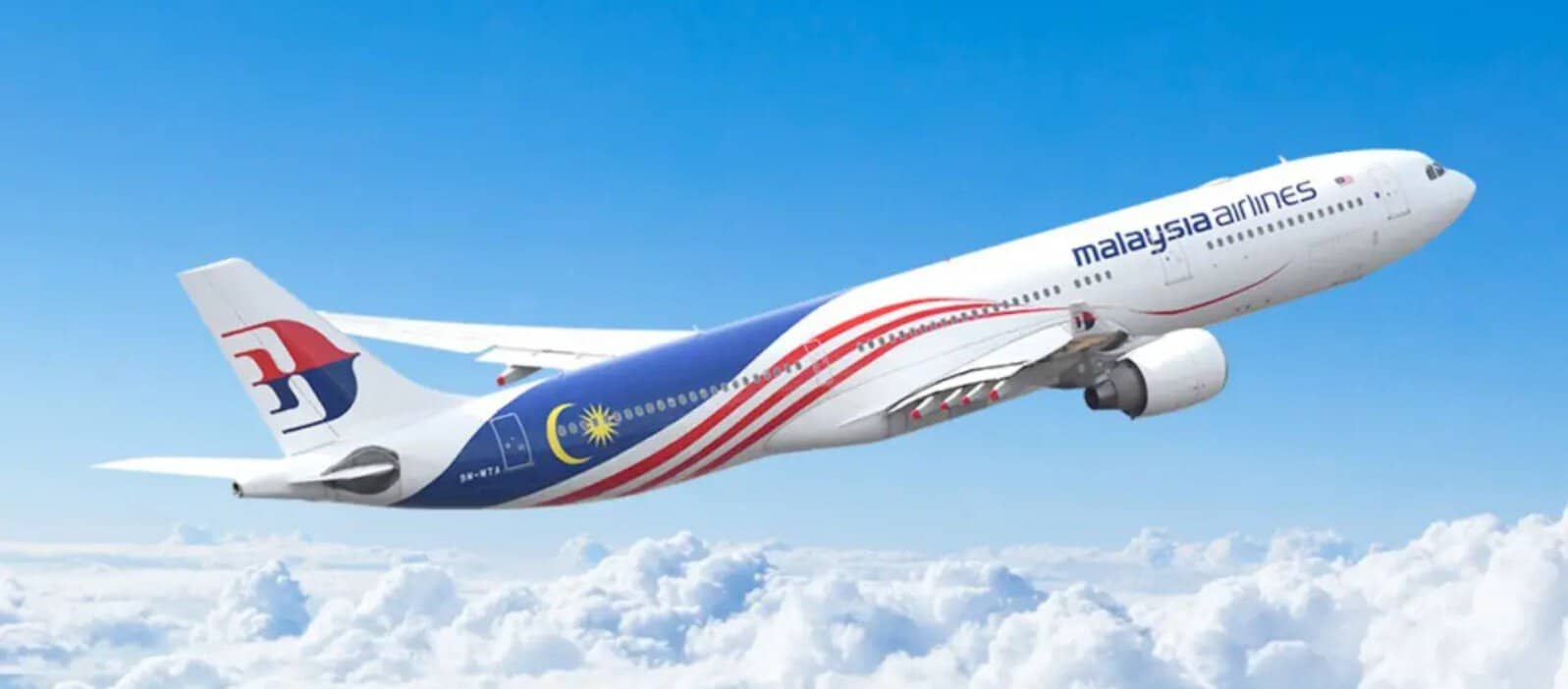
The aviation landscape in Southeast Asia is undergoing a monumental shift as Malaysia Airlines expands tourism role across the region. With the rapid resurgence of international travel, the national carrier has inked strategic agreements with key partners, including Singapore, Thailand, and Indonesia, to supercharge regional connectivity and passenger volumes. However, to now truly capitalise on this momentum, industry leaders are urgently advocating for reduced operational expenses and lower airport charges. This ambitious dual strategy of broadening international alliances while simultaneously pushing for cost efficiencies promises to reshape the competitive dynamics of ASEAN tourism, ultimately offering more affordable seamless global journeys.
Background: The Reawakening of Southeast Asian Travel
The global aviation and tourism sectors have officially entered an era of vigorous revitalisation in 2026. After years of structural recalibration and phased recoveries, Southeast Asia stands at the precipice of a golden age for cross-border movement. Central to this monumental regional recovery is the proactive stance taken by leading national carriers, fundamentally shifting their operations from mere transportation providers to primary catalysts of economic growth and destination marketing. It is within this dynamic ecosystem that Malaysia Airlines expands tourism role, stepping beyond traditional aviation boundaries to orchestrate comprehensive, multilateral tourism strategies.
Advertisement
Advertisement
The underlying architecture of this expansion is heavily influenced by the imminent “Visit Malaysia 2026” (VM2026) campaign. Driven by the Ministry of Tourism, Arts and Culture (MOTAC), this national initiative ambitiously targets an unprecedented 35.6 million international tourist arrivals, aiming for vast economic receipts that will rejuvenate local industries. To successfully accommodate and drive this influx, Malaysia Aviation Group (MAG) has fundamentally restructured its operational philosophy. Rather than waiting for demand to organically materialise, the national carrier is aggressively manufacturing demand through highly integrated partnerships across the Asia-Pacific basin.
Understanding the interconnectivity of modern global tourism requires acknowledging that travellers rarely view Southeast Asia through a single-country lens. International tourists, particularly those embarking from long-haul origin points in Europe, the Americas, and Australasia, increasingly seek multi-destination itineraries. Recognising this behavioural shift, aviation stakeholders are collaborating to ensure that the entire ASEAN bloc benefits from shared marketing and streamlined connectivity. Consequently, as Malaysia Airlines expands tourism role, it is explicitly positioning Kuala Lumpur International Airport (KLIA) not just as a final destination, but as the premier, cost-effective gateway to the wider wonders of Southeast Asia, inextricably linking the tourism fortunes of Malaysia, Singapore, Thailand, and beyond.
Advertisement
Advertisement
Charting a Course for Visit Malaysia 2026
The structural groundwork for this massive tourism push requires flawless synergy between government policy, airport infrastructure, and airline capacity. As part of its preparation for VM2026, Malaysia Airlines has identified that its success is codependent on the reciprocal success of its neighbours. The broader strategy implies that an Australian tourist visiting Kuala Lumpur is highly likely to subsequently fly to Phuket or Bali. By facilitating these secondary connections seamlessly, the airline secures its position as the dominant regional conduit.
This macro-economic strategy has accelerated investments into fleet modernisation, digital booking ecosystems, and bilateral government engagements. However, the path to regional dominance is fraught with structural challenges. Regional airports, navigating their own economic mandates, have historically increased tariffs and passenger service charges, inadvertently suppressing volume. Therefore, the latest initiatives by Malaysia Airlines act as a dual-pronged sword: constructing the marketing alliances necessary to attract global tourists, whilst concurrently rallying the broader industry to critically evaluate and lower costs associated with aviation operations.
Advertisement
Advertisement
Latest Official Developments: A Strategic Paradigm Shift
In September 2026, the Malaysian aviation and travel sectors witnessed a defining milestone that firmly established the new trajectory of regional tourism. The stage was set at the MATTA Fair 2026, arguably the most influential consumer travel exhibition in the region, which hosted the inaugural “Destination Parade: Asia Pacific’s Largest Tourism Destination Show.” Against this vibrant backdrop of industry convergence, Malaysia Aviation Group formally unveiled a sweeping array of strategic alliances designed to supercharge the travel economy.
The most critical development to emerge from the event was the unequivocal confirmation that Malaysia Airlines expands tourism role by formalising and reaffirming seven distinct partnerships with prominent tourism boards and destination marketing organisations. These comprehensive Memorandums of Understanding (MoUs) bridge Malaysia with Thailand, Indonesia, the Philippines, Taiwan, Singapore, South Korea, Australia, and New Zealand. The magnitude of this multilateral agreement cannot be overstated; it represents one of the most aggressive and coordinated tourism consortiums ever assembled by a single Southeast Asian carrier in modern aviation history.
Forging Unprecedented Alliances at MATTA Fair 2026
The MATTA Fair announcements were not merely ceremonial. According to official statements from Bryan Foong, the Chief Executive Officer of Airline Business from Malaysia Aviation Group (MAG), these strategic alignments reflect a shared, deep-rooted commitment to inspiring travel and strengthening complex tourism ecosystems. Foong noted that Malaysia Airlines takes immense pride in connecting travellers with the diverse cultures and destinations across the Asia-Pacific. Furthermore, these partnerships are systematically designed to create tangible economic opportunities for local communities, extending the benefits of tourism far beyond major metropolitan centres and into rural and developing regions.
By uniting disparate national tourism boards under a cohesive promotional umbrella, Malaysia Airlines effectively centralises the marketing of the Asia-Pacific region. This alignment allows for shared resources in digital advertising, cross-promotional loyalty programmes, and coordinated seasonal campaigns, drastically reducing customer acquisition costs for all participating nations. This collaborative model demonstrates a mature, forward-thinking approach to international tourism, moving away from fiercely zero-sum competition and embracing the mutual benefits of an integrated travel network.
Singapore Along With Thailand And More See Travel Push
The geographical focal points of this monumental initiative are Malaysia’s immediate neighbours, whose cross-border traffic constitutes the lifeblood of regional aviation. The aviation corridors linking Kuala Lumpur with Singapore and Bangkok are traditionally among the most lucrative and heavily trafficked in the world. As the recovery peaks, ensuring maximum fluidity along these routes is paramount for sustained economic vitality.
A Renewed Commitment with the Singapore Tourism Board
Building upon a legacy of highly successful joint campaigns, Malaysia Airlines and the Singapore Tourism Board (STB) have significantly deepened their relationship. The new framework introduces a comprehensive three-year MoU, supplemented by a focused one-year strategic agreement. The expanded programme is an intricate blend of joint destination promotion, sophisticated digital marketing, and deep loyalty programme engagement designed to support and stimulate continuous travel demand between the two nations.
Advertisement
Advertisement
For Singapore, this partnership is incredibly advantageous. The island nation relies heavily on short-haul connectivity to feed its vast array of business events, conventions, and high-end leisure attractions. By aligning with Malaysia’s robust domestic and international network, Singapore gains augmented access to transit passengers and Malaysian domestic travellers. Conversely, Malaysia Airlines taps into Singapore’s status as a global financial hub, facilitating seamless transfers for corporate and premium leisure travellers seeking to explore the broader Malaysian peninsula. The STB-MAG collaboration is widely regarded as a masterclass in bilateral tourism strategy, ensuring that both economies thrive symbiotically.
Breaking New Ground with the Tourism Authority of Thailand
While the Singapore relationship represents a continuation of established success, the alignment with Thailand breaks entirely new ground. For the first time, Malaysia Airlines has entered into a strategic MoU with the Tourism Authority of Thailand (TAT). This one-year agreement is explicitly engineered to support massive travel and tourism exchange between the two nations, which already share robust terrestrial and aerial borders.
Through meticulously planned joint destination marketing initiatives, this collaboration aims to dramatically enhance Thailand’s visibility among Malaysian travellers, particularly highlighting emerging, secondary Thai destinations beyond the traditional strongholds of Bangkok and Phuket. Simultaneously, it encourages Thai tourists and expatriates residing in Thailand to leverage Malaysia Airlines for their regional and global travel requirements. This cross-pollination of tourist demographics is expected to yield immense dividends for the hospitality sectors in both countries, firmly establishing that as Malaysia Airlines expands tourism role, it does so with a keen eye on reciprocal prosperity.
Expanding the Regional Reach: Indonesia, Philippines, and Taiwan
The scope of MAG’s strategic vision extends far beyond immediate borders, enveloping the wider ASEAN community and reaching into the highly lucrative East Asian markets. The integration of Indonesia, the Philippines, and Taiwan into this expanded tourism matrix underscores a holistic approach to capturing diverse traveller demographics, from religious pilgrims and migrant workers to luxury holidaymakers and cultural explorers.
Strengthening Ties with Indonesia and the Philippines
The partnership with the Ministry of Tourism of the Republic of Indonesia represents a profound commitment to elevating bilateral travel. Indonesia, with its massive population and rapidly expanding middle class, is a critical source market for Malaysia’s medical tourism, retail, and education sectors. The collaboration focuses on elevating Indonesia’s appeal as a preferred destination for Malaysians, while supporting robust travel connections that drive Indonesian traffic through the KLIA hub.
Similarly, a one-year MoU has been cemented with the Philippines Department of Tourism (PDOT). This initiative is tailored to promote the Philippines as a premier leisure destination for Malaysian travellers. Through joint marketing endeavours, the collaboration seeks to elevate destination awareness, specifically targeting dive tourism, eco-tourism, and cultural heritage exploration. By stimulating travel demand along these specific corridors, Malaysia Airlines solidifies its footprint in the eastern bounds of ASEAN, ensuring comprehensive regional dominance.
Advertisement
Advertisement
Reaching East Asia: Taiwan and South Korea
Further north, the airline’s strategy incorporates key East Asian economic powerhouses. The one-year MoU with the Tourism Administration of Taiwan (TTA) supports aggressive efforts to cultivate tourism demand between Malaysia and Taiwan. Targeted promotional campaigns are slated to highlight Taiwan’s diverse seasonal experiences, unique culinary landscapes, and cultural offerings, aiming to drive greater visitation from the increasingly affluent Malaysian market.
Concurrently, a new strategic partnership with the Korea Tourism Organization (KTO) aims to promote South Korea as a preferred destination. This initiative seamlessly integrates with Malaysia Airlines’ newly announced direct services to Busan, expanding the network beyond Seoul. By showcasing South Korea’s rich cultural tapestry through joint marketing, the airline ensures its new routes achieve optimal load factors from inception, illustrating a perfect synergy between operational network expansion and strategic marketing alliances.
Government Announcements and Policy Intersections
The aggressive expansion of Malaysia Airlines is not occurring in a vacuum; it is deeply intertwined with broader governmental policy frameworks and national economic directives. The Malaysian government, recognising the profound multiplier effect of the tourism industry, has consistently sought to position the nation as the undisputed gateway to Asia-Pacific.
Aligning with National Economic Frameworks
Official government agencies, including the Ministry of Transport and MOTAC, have been working in tandem with aviation regulators to streamline border entry protocols, enhance visa-on-arrival facilities, and introduce reciprocal visa-free travel arrangements. A prime example is the recent reciprocal visa-free entry established between Malaysia and China, a geopolitical masterstroke that has dramatically accelerated both business and leisure travel between the two economic giants.
By aligning its route expansion and marketing alliances with these government-led initiatives, Malaysia Airlines ensures that its operational strategies are fortified by favourable regulatory environments. This public-private synergy is crucial for sustaining the momentum of the tourism push. When national policies facilitate frictionless travel, airlines can confidently deploy high-capacity aircraft and invest heavily in destination marketing, knowing that bureaucratic barriers will not impede passenger flow.
The Imperative for Competitiveness: Calls for Lower Costs
Despite the euphoria surrounding new routes and strategic MoUs, a persistent, underlying challenge threatens the long-term viability of the regional aviation renaissance: the escalating cost of operations and airport infrastructure usage. For the strategic alliances to yield their projected volumes, flight tickets must remain economically accessible to the masses. Consequently, as Malaysia Airlines expands tourism role, it joins a rising chorus of industry stakeholders urgently calling for lower costs and more competitive airport taxation frameworks.
Advertisement
Advertisement
The Impact of Passenger Service Charges
The discourse surrounding airport fees in Malaysia and the broader ASEAN region has been historically complex. The Malaysian Aviation Commission (MAVCOM) has previously justified periodic hikes in Passenger Service Charges (PSC) as necessary interventions to support the aviation sector’s post-pandemic recovery and fund critical infrastructure upgrades. For instance, recent adjustments saw the PSC for international passengers travelling to ASEAN countries from KLIA Terminal 1 increase to RM73.
While regulatory bodies argue that these fee structures remain highly competitive when compared to regional peers like Thailand’s Suvarnabhumi or Singapore’s Changi, aviation operators hold a starkly different perspective. From the airline’s viewpoint, aviation is fundamentally a volume game. High ancillary charges, including airport taxes, landing fees, and ground handling costs, are inevitably passed down to the consumer, thereby artificially inflating ticket prices. When the total cost of travel escalates, price-sensitive tourist demographics—such as backpackers, students, and middle-income families—frequently opt for alternative, cheaper destinations or alternative modes of transport.
Achieving Volume Through Cost Efficiency
Industry leaders continually advocate that lowering airport taxes and operational tariffs would exponentially increase traveller volume. This surge in footfall would, in turn, generate far greater aggregate revenue for airport operators through ancillary services—such as retail concessions, duty-free shopping, food and beverage outlets, and premium lounge access—than what is collected through punitive departure taxes.
The calls for lower costs are not merely complaints; they are strategic imperatives designed to safeguard the competitive positioning of the KLIA hub. If operational costs remain artificially high, Malaysia risks losing its hub status to aggressively expanding neighbouring airports that offer more lucrative incentives to international carriers. Therefore, the ongoing dialogue between the government, airport operators, and national airlines is critical. Ensuring that infrastructure costs remain low is the linchpin that will determine the ultimate success of the vast tourism MoUs signed across the region.
Industry Impact: Fleet Expansion and Enhanced Connectivity
To physically accommodate the projected surge in passenger numbers resulting from these marketing alliances and cost-efficiency campaigns, Malaysia Aviation Group has committed to a massive overhaul of its hardware and operational infrastructure. Strategic marketing is entirely moot if the airline lacks the physical capacity to transport the generated demand.
Operating the Youngest Widebody Fleet to Australasia
A cornerstone of MAG’s 2025–2026 expansion strategy is the aggressive modernisation of its fleet. By the first quarter of 2026, Malaysia Airlines is projected to operate the youngest widebody fleet into Australasia. The integration of next-generation aircraft, notably the state-of-the-art Airbus A330neo, underscores the Group’s unwavering commitment to sustainability, fuel efficiency, and unparalleled passenger comfort.
Advertisement
Advertisement
These modern aircraft consume significantly less fuel per seat-kilometre, which is a vital component in the overarching strategy to maintain lower costs. Fuel constitutes one of the largest single expenditures for any airline; thus, operating ultra-efficient aircraft provides Malaysia Airlines with a substantial buffer against volatile global oil prices. This operational efficiency translates directly into more competitive fare pricing, perfectly complementing the marketing efforts of the various tourism boards. Furthermore, the enhanced in-flight experience—featuring upgraded cabins, superior connectivity, and the signature warmth of Malaysian Hospitality—ensures high customer retention and premium brand positioning.
Expanding Subsidiary Roles: Firefly and Amal
The strategic expansion is not limited to the mainline carrier. MAG’s robust portfolio includes Firefly, the regional airline dedicated to connecting communities across Malaysia and ASEAN, and Amal, the leading one-stop pilgrimage travel solutions centre. Firefly is set to launch new jet services to high-demand leisure destinations such as Krabi, Siem Reap, and Cebu direct from KLIA Terminal 1. These additions dramatically strengthen Firefly’s role in regional connectivity, providing travellers with seamless, low-cost access to popular ASEAN hotspots.
Amal, meanwhile, continues to facilitate the vital religious tourism sector, providing specialised services for Hajj and Umrah pilgrims. By coordinating the schedules and capacities of Malaysia Airlines, Firefly, and Amal, MAG ensures a watertight, comprehensive network that caters to every conceivable segment of the travel market, from ultra-low-cost regional hops to premium long-haul international voyages.
Economic Implications and Tourism Impact
The ripple effects of this monumental aviation strategy extend deeply into the macroeconomic fabric of the involved nations. Tourism is intrinsically a cross-sectoral industry; an influx of international visitors directly stimulates the hospitality, retail, transportation, agriculture, and cultural sectors.
Stimulating Cross-Border Investments
As Malaysia Airlines expands tourism role, it acts as a primary facilitator for cross-border foreign direct investment (FDI). Robust air connectivity is a prerequisite for international business operations. By cementing its status as the premier hub connecting Singapore, Thailand, Indonesia, and East Asia, Kuala Lumpur becomes an increasingly attractive proposition for multinational corporations seeking to establish regional headquarters.
Furthermore, the joint marketing initiatives orchestrated under the new MoUs ensure that destination branding is sophisticated and globally pervasive. When international tourists inject foreign currency into local economies, it aids in stabilising currency exchange rates, bolstering national reserves, and generating immense tax revenues for respective governments. This capital can then be reinvested into public infrastructure, cultural preservation, and environmental conservation, creating a virtuous cycle of sustainable economic development.
Advertisement
Advertisement
Expert Statements and the Post-Pandemic Reality
Aviation analysts and economic experts closely monitoring the Southeast Asian market have lauded the strategic pivots initiated by Malaysia Aviation Group. The consensus within the industry suggests that the traditional model of an airline operating in isolation from national tourism objectives is unequivocally obsolete.
Voices from the Aviation Sector
According to aviation economists, the integration of airline route planning with destination marketing boards represents the pinnacle of modern tourism management. While specific operational hurdles remain—most notably the ongoing negotiations regarding airport service charges and infrastructural reliability—the overarching trajectory is immensely positive.
Experts note that while passengers initially expressed dissatisfaction with passenger service fee hikes at KLIA, the broader macroeconomic strategy involves absorbing these costs through highly dynamic, competitive flight pricing enabled by modern, fuel-efficient fleets. If MAG can successfully navigate the delicate balance between premium service delivery and relentless cost optimisation, it will secure a formidable, almost unassailable competitive moat in the Asia-Pacific region. The integration of tourism boards serves as a powerful de-risking mechanism; by sharing the financial burden of marketing and promotion, the airline can direct its capital towards core operational excellence and fleet expansion.
Future Outlook for ASEAN Aviation
As 2026 progresses, the Southeast Asian aviation landscape is poised for unprecedented growth and integration. The strategic blueprint laid out by Malaysia Airlines provides a replicable model for how national carriers can evolve into holistic tourism facilitators.
Redefining Regional Travel Dynamics
The future of ASEAN travel will be defined by deep, structural collaboration rather than isolated, nationalistic competition. As countries like Singapore, Thailand, Indonesia, and Malaysia pool their marketing resources and align their regulatory frameworks, the entire region becomes a singular, highly attractive mega-destination for the global tourist.
Ultimately, as Malaysia Airlines expands tourism role and persistently campaigns for lower costs and heightened efficiency, the ultimate beneficiary is the global consumer. Travellers can anticipate an era characterised by diverse, affordable, and seamlessly connected journeys across one of the most culturally rich and geographically stunning regions on the planet. The strategic foresight demonstrated by MAG and its international partners ensures that Southeast Asia will not merely recover from the trials of the past decade but will surge forward to completely dominate the future of global tourism.
Advertisement
